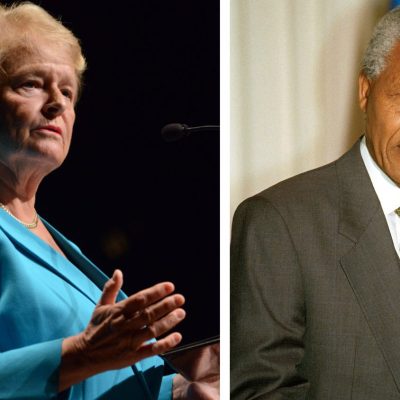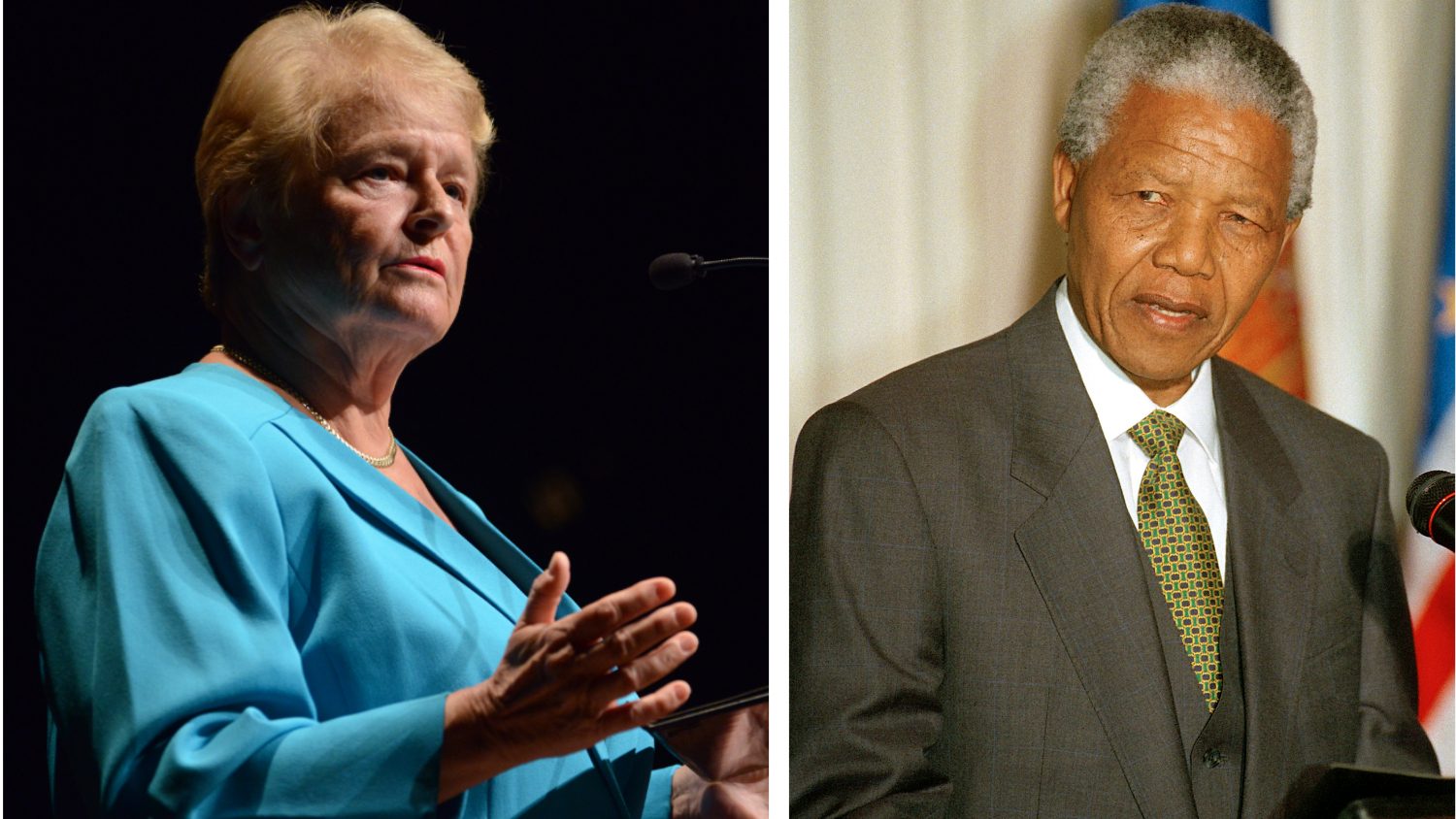
The 30-year history of the Training for Peace (TfP) programme offers an insight into the evolution of Africa’s peace and security landscape and the changing demands placed on continental and regional institutions. Conceived in the aftermath of seismic political and security shifts, the programme was the outcome of a strategic political conversation between Nelson Mandela, former President of South Africa, and Gro Harlem Brundtland, former Norwegian Prime Minister. From the outset, it was intended to fill a pressing gap: enabling African actors to take greater responsibility for addressing conflicts on the continent by strengthening local knowledge, skills, institutional systems, and leadership.
Since the mid-1990s, TfP has become one of the most enduring and consequential capacity support mechanisms to the then Organisation of African Unity (OAU), now the African Union Commission (AUC). Unlike short-term technical initiatives, the programme’s longevity and ability to adapt to dynamic political and operational realities have made it a trusted and integral partner. Its work has spanned policy development, police and civilian capacity enhancement, governance and stabilisation support, strategic analysis, and knowledge management. However, more importantly, TfP has provided the AU with a platform that has enabled dialogue, coherence, policy convergence, and strategic reflection at times of institutional transition and wider continental turbulence.
As the continent grapples with evolving security challenges, from terrorism and violent extremism to governance deficits, climate fragility, and technological disruptions, the programme’s record reveals how long-term accompaniment, demand-driven support, and adaptive methodologies can strengthen institutional resilience. This article examines the 1995–2025 trajectory of TfP, analysing its evolution, contributions, convening role, and the lessons it offers for African-led peace and security efforts in a period defined by complexity, uncertainty, and competing priorities.
The evolution of TfP: From foundational capacity-building to strategic accompaniment
Although TfP was established before the transition from the OAU to the AU, its inception anticipated the continent’s evolving peace and security vision, which by the late 1990s increasingly recognised the need for more proactive and multidimensional approaches to conflict. TfP has evolved through several configurations since its establishment and is today composed of three implementing Partners: the African Centre for the Constructive Resolution of Disputes (ACCORD), Institute for Security Studies (ISS), and Norwegian Institute for International Affairs (NUPI). Anchored in a collaborative arrangement involving two African institutions and one northern research partner, the TfP configuration brings together locally grounded experience with global comparative analysis, enhancing the programme’s ability to provide context-responsive and evidence-based support to the AU.
The TfP programme stands as one of the most enduring examples of North–South cooperation in the peace and security domain, combining Norway’s long-term financial and political support with African institutional leadership and contextual expertise. This partnership has enabled mutually reinforcing learning, ensuring that capacity support is demand-driven, context-sensitive, and anchored in African priorities.
In the programme’s early years, its focus was on ways to harness the knowledge and capabilities of countries in the Southern Africa region that had emerged from complex transitions, for the security challenges confronting the continent. That notwithstanding, given the fact that Africa was witnessing an increase in intra-state conflicts, it was evident that a major recalibration of peace operations was required. The programme was, therefore, designed to meet the growing demand for multidimensional peace operations as intra-state conflicts took centre stage.
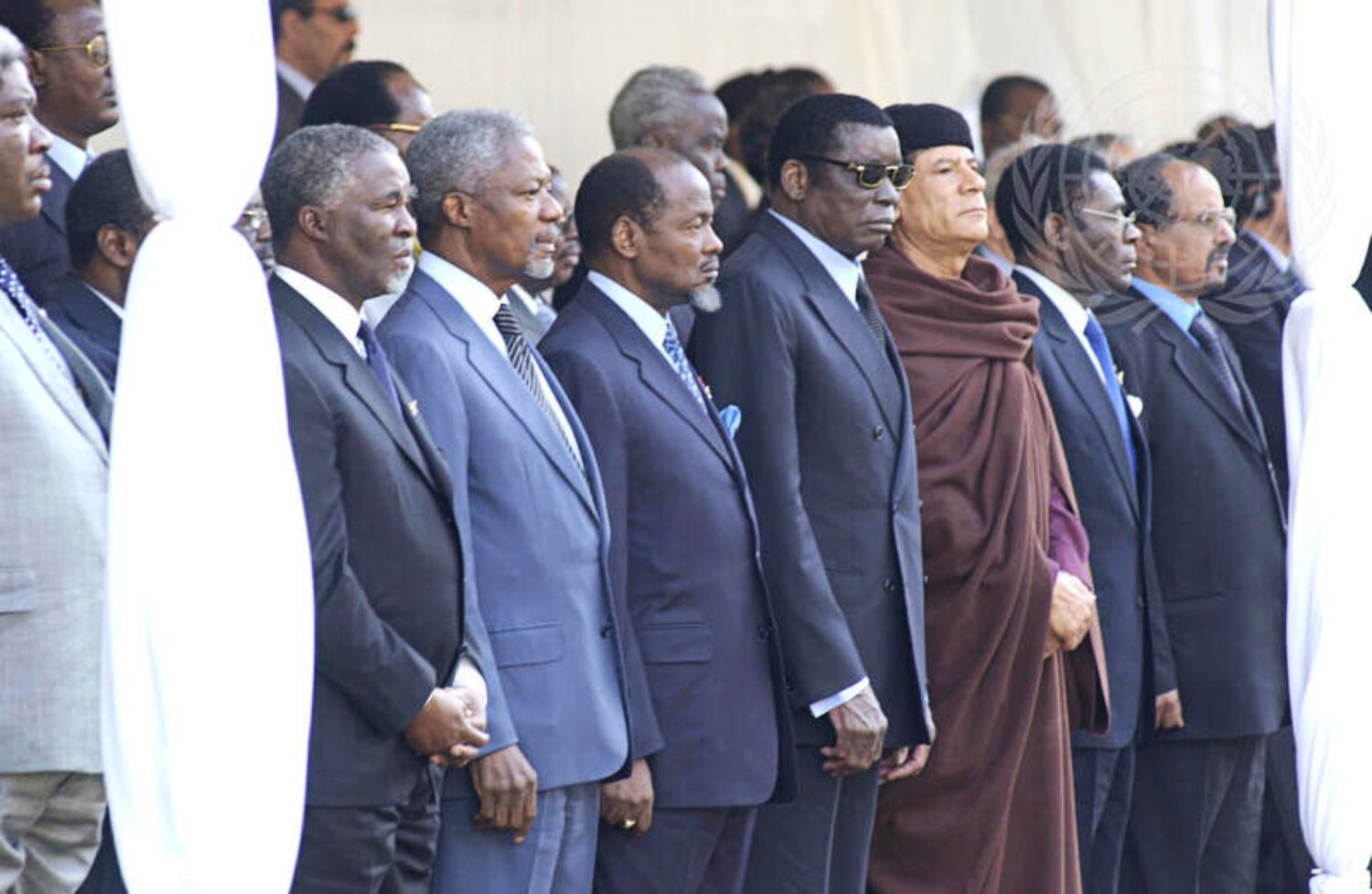
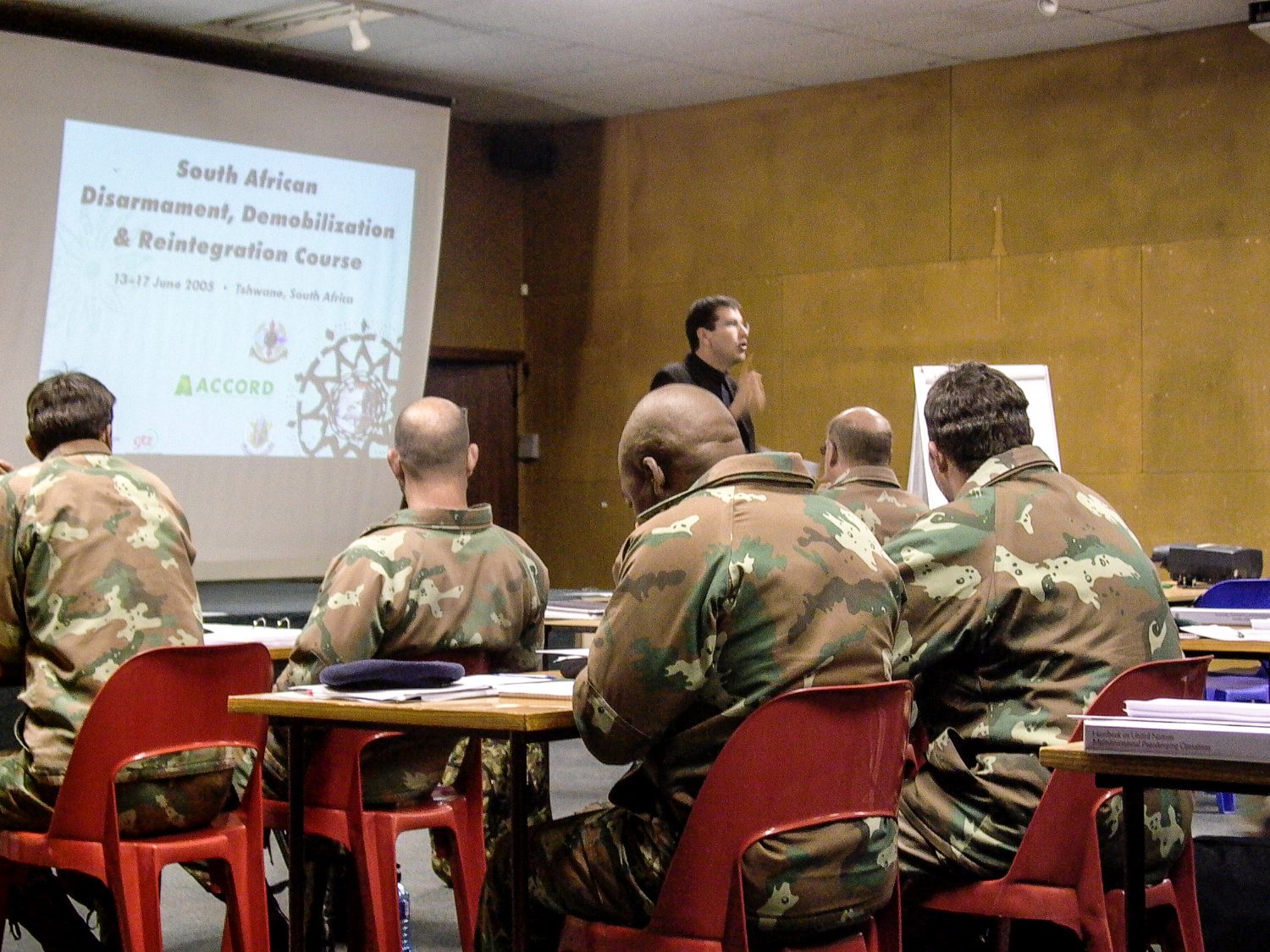
With the transition of the OAU to the AU, TfP helped conceptualise Africa’s response options. First, it was support towards ensuring multidimensionality. As the AU Peace and Security Architecture (APSA) evolved, TfP shifted its focus accordingly. The early 2000s demand for supportive frameworks, policy tools, and deployable capacities created new opportunities for the programme to influence institutional thinking. Through TfP, the AU began its early work on conceptualising and professionalising the civilian and police components, at a time when most African deployments were still viewed primarily through a military lens. These early contributions shaped policy development and laid the groundwork for more comprehensive training curricula.
The establishment of the African Standby Force (ASF) provided a new focal point for capacity development, and TfP supported policy development, training-of-trainers (ToT) programmes, and technical guidance to ensure the readiness of military, police, and civilian components. Through these efforts, TfP became a bridge between policy and practice. Over the years, the TfP partners, working closely with AU divisions and regional mechanisms, have ensured that training processes, policy thinking, and institutional development reflect realities from mission environments. The programme’s early recognition that peace operations need to be multidimensional fundamentally shaped the trajectory of AU deployments.
Strengthening AU policy, doctrine and strategic frameworks
A consistent thread across the programme’s 30 years is its sustained contribution to AU policy and doctrine development. As the AU’s responsibilities expanded, TfP provided technical depth across multiple strategic domains. Its support to the development or refinement of major policy instruments, including the AU Peace Support Operations Doctrine, Capabilities Generation Guidelines, the AU Child Protection Policy, gender-responsive reporting toolkits for the Peace and Security Council (PSC), and guidance documents for the regional economic communities/regional mechanisms (RECs/RMs), contributed to creating coherent and adaptable frameworks for AU-led peace and security interventions.
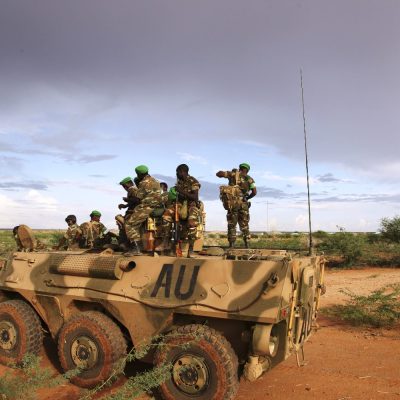
These contributions were not peripheral additions to AU processes; they were embedded within the institution’s core operational and governance functions. As the AU navigated complex transitions, such as the exit of the AU–United Nations Hybrid Operation in Darfur (UNAMID), the shift from the AU Mission in Somalia (AMISOM) to the AU Transition Mission in Somalia (ATMIS), and the growing emphasis on stabilisation, the programme provided steady technical support grounded in years of experience and empirically generated evidence. This support included convenings for strategic reflection, the publication of policy-relevant findings, the adaptation of training manuals to align with emerging realities, and continued support to training, among others, thereby ensuring continuity of institutional memory and informed decision-making.
In several areas, TfP’s contributions extended beyond policy drafting. It supported the integration of lessons learnt into doctrine processes; helped refine rostering and civilian readiness systems; updated standby guidance; and contributed to mapping exercises that identified gaps in stabilisation contexts. These interventions ensured that AU frameworks remained grounded, reflective of evolving threats, and aligned with the operational demands of deployments.
Civilian and police capacities: Institutionalising multidimensional peace operations
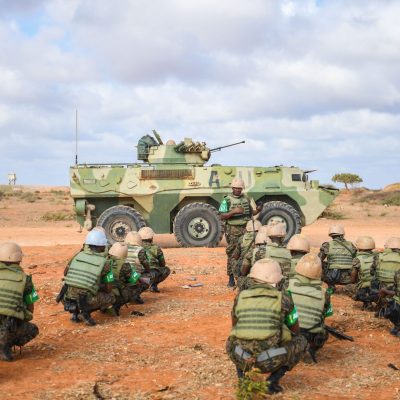
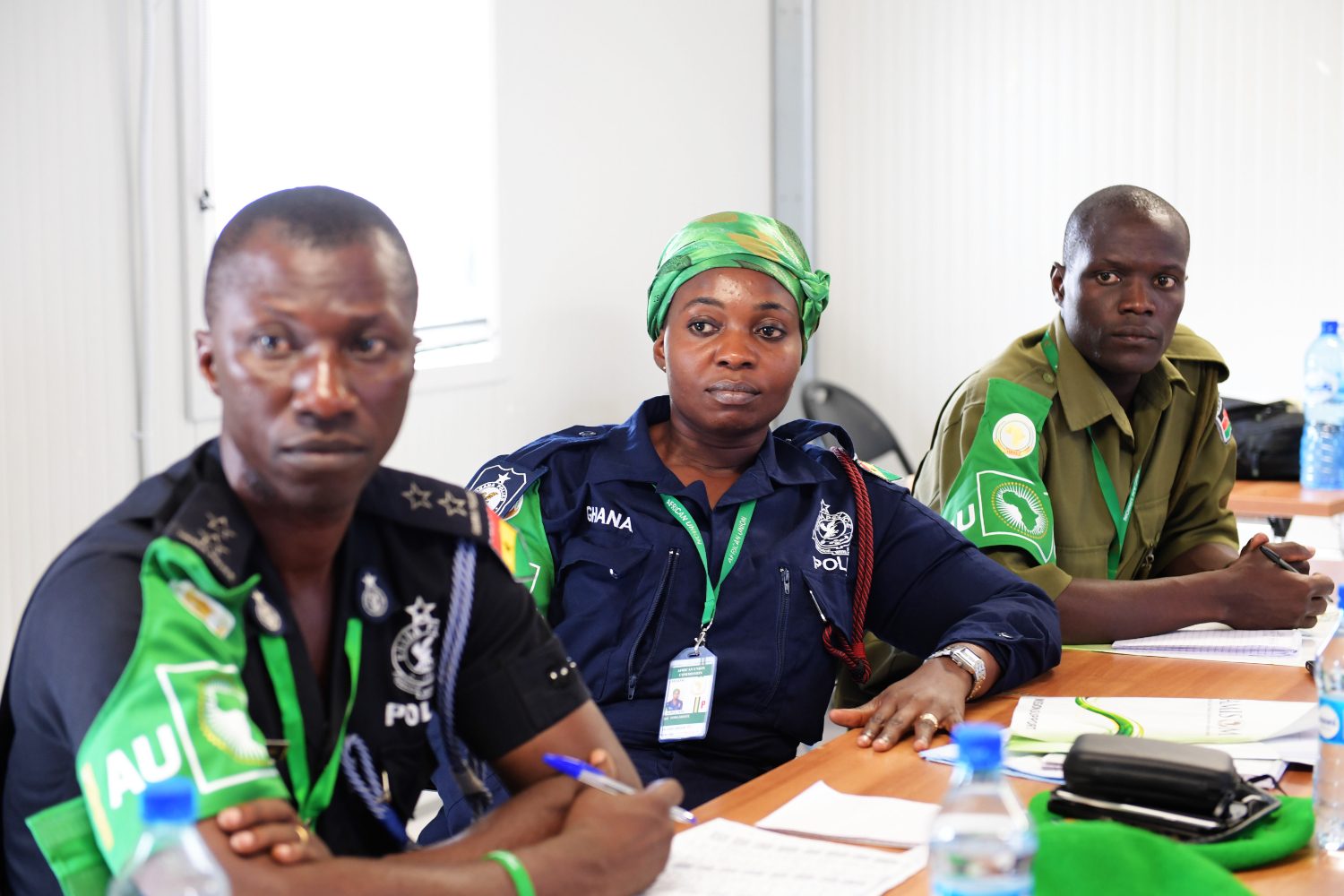
TfP’s long-term engagements in the civilian and police dimensions of peace support operations are among its most visible achievements. Its support to the Police Strategic Support Group (PSSG), a technical platform critical for calibrating police doctrine and training, was pivotal in shaping AU policing. As policing tasks expanded in missions such as the various iterations of the AU missions in Somalia (AMISOM, ATMIS and AUSSOM), TfP’s technical assistance ensured alignment between emerging requirements and AU policies, curricula, and readiness protocols.
The programme also strengthened civilian capacities through improved rostering, training curricula, and later, support to the full transition of the African Standby Capacity (ASC) to TfP. This transition not only demonstrated trust in the programme’s ability to steward complex systems, but also reinforced the necessity of sustained, long-term accompaniment for civilian and police institutionalisation.
These efforts contributed to reshaping AU deployments. As missions confronted operational challenges – from stabilisation to community engagement – TfP’s contribution ensured that police and civilian personnel possessed the requisite skills, strategic awareness, and adaptability to function in volatile environments.
Governance, stabilisation and inclusive peacebuilding: Expanding the security lens
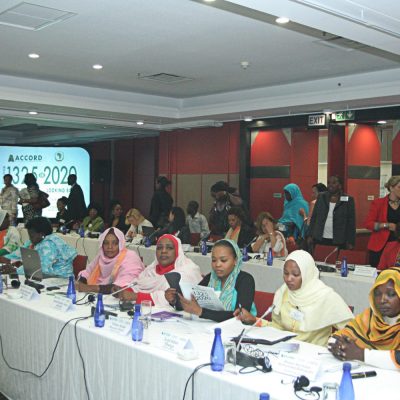
Recognising that governance failures remain central drivers of insecurity, TfP progressively broadened its work to reflect the interdependencies between governance, development, and peace. This shift was evident in the programme’s support to the African Governance Architecture (AGA) Top 5 Innovators initiative, which promoted context-specific solutions in member states; its contributions to the Continental Framework for Youth, Peace, and Security; and its support to women’s participation in peace and electoral processes.
The programme’s role in stabilisation was equally significant. TfP supported the implementation of stabilisation strategies, such as the Regional Stabilisation Strategy for the Lake Chad Basin, through mapping exercises and evidence-based assessments. These contributions improved the AU’s ability to identify governance gaps, understand institutional weaknesses, and plan targeted community-level interventions.
Additionally, TfP’s support to the review of the Post-Conflict Reconstruction and Development (PCRD) policy, including its consistent involvement in the PCRD Week and development of relevant knowledge products, reinforced the AU’s ability to respond to governance-related vulnerabilities that often undermine security interventions.
Through these efforts, TfP ensured that governance, inclusion, and stabilisation were not treated as separate components, but as interconnected pillars essential for addressing Africa’s multidimensional security threats.
The convening role: A strategic asset in times of fragmentation
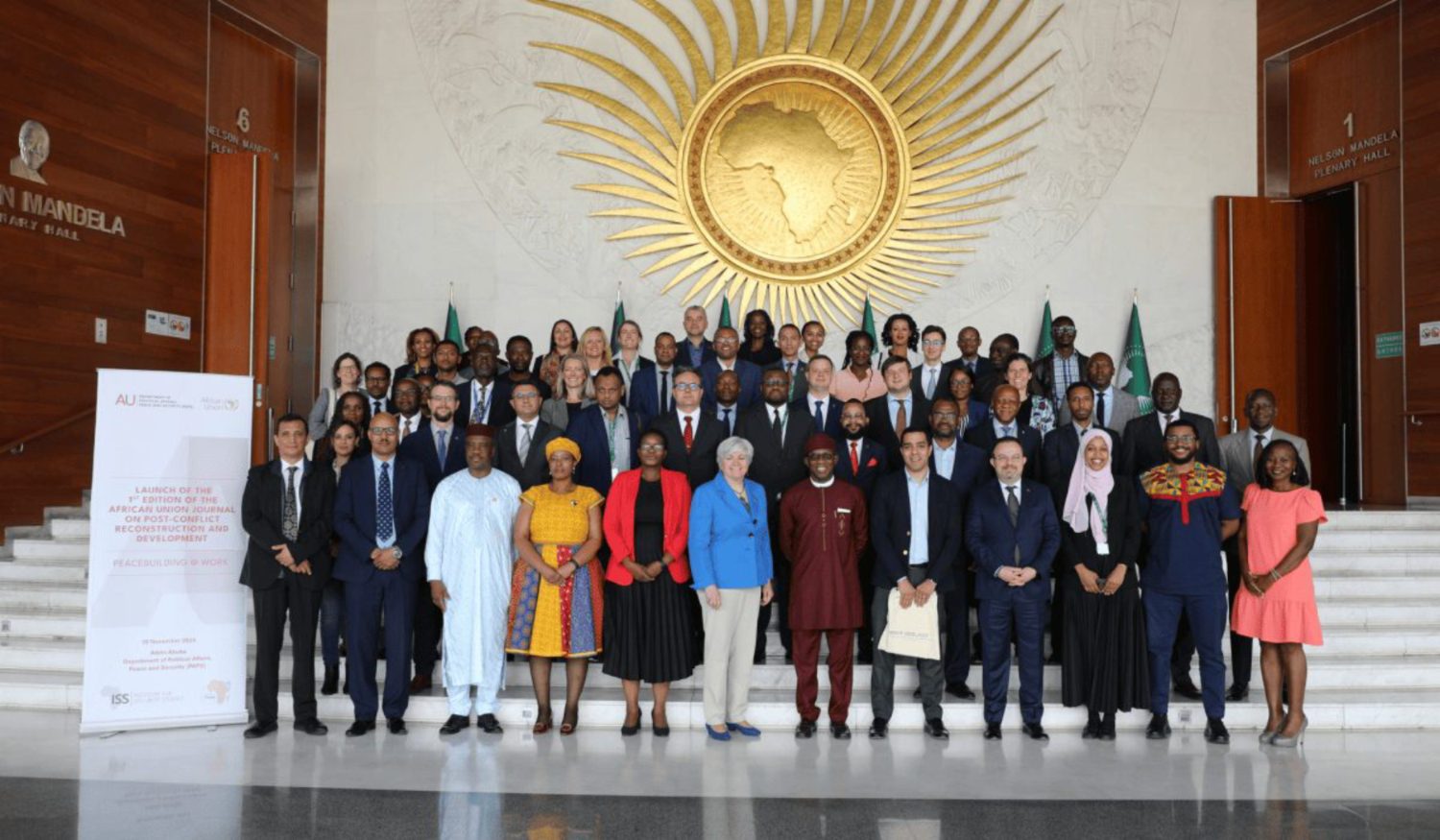
Perhaps the most distinctive and strategically influential dimension of TfP’s work is its convening capacity. This role is both a method and an outcome of the programme’s deep institutional integration within the AU system. TfP’s convening functions operated at several levels.
First, it created trusted technical spaces where AU divisions, RECs/RMs, and external partners could deliberate on sensitive, operationally complex, or politically charged issues. These included discussions on financing peace operations, transitions such as AMISOM–ATMIS, lessons-learned processes, policy convergence, and internal departmental coordination.
Second, TfP supported knowledge exchange and institutional learning processes. Its facilitation of department-wide training analyses, support to capacity development manuals, and strengthening of the AU’s knowledge management systems ensured coherence across the AU’s peace and security ecosystem.
Third, the programme became a vehicle through which Africa’s perspectives were projected into global policy spaces. Co-hosting the Challenges Annual Forum, contributing to debates on the New Agenda for Peace, and working with global research institutions reflected an important additional layer of convening power: amplifying African agency in international peace and security governance.
In an era where coordination failures often undermine peace efforts, TfP’s convening capacities have become indispensable to AU responsiveness and strategic coherence.
Strategic thinking and foresight: Navigating new and emerging threats
In the last decade, TfP’s role in strategic thinking and foresight has expanded substantially. Its support to research on terrorism’s impact on children, contributions to the AU’s financing models for peace operations, participation in the development of the New Agenda for Peace, and work on emerging threats demonstrate the programme’s ability to remain relevant in rapidly evolving security environments.
The programme also contributed to strengthening the AU’s foresight and planning capacities. It recognised early on that the continent’s security landscape was shaped by the intersecting drivers of climate insecurity, technological change, geopolitical tensions, governance failures, and transnational criminal economies. Its work increasingly engaged these interconnected domains, enabling the AU to integrate future-oriented thinking into policy development and operational planning.
Similarly, TfP’s support to institutional processes, including the development of the draft AU Political Affairs, Peace and Security (PAPS) department knowledge management and institutional development strategy, reflected an understanding that future missions require strong analytical backbones, organisational memory, and adaptive structures. TfP supported the development of the PAPS digital repository, which has eliminated reliance on hard-copy circulation, strengthened the fidelity and secure handling of confidential documents, and reduced the need for mass printing, thereby contributing to more environmentally sustainable departmental practices.
The TfP programme maintains a dual-track research and publication strategy tailored to meet the needs of both policy-makers and academic researchers. On the one hand, TfP issues policy briefs and research reports that distil complex research findings into concise, actionable recommendations for African continental institutions, regional mechanisms, and national decision-makers. For example, the ‘Bricks and Blankets – Not Barrels and Bombs’ policy brief elevated key stabilisation lessons for the AU and its mission partners in Somalia. On the other hand, TfP’s partners also publish articles in academic journals that are rooted in rigorous methodology and targeted at scholarly audiences. By bridging the gap between academic insight and policy relevance, TfP ensures that its work not only contributes to the scholarly literature but also informs decision-making processes across the continent.
Through these interventions, TfP positioned itself as a strategic partner capable of helping the AU anticipate, interpret, and adapt to emerging threats, rather than merely respond to them.
TfP’s backstopping, facilitation, and process-design support to the AU
The TfP programme consistently provides the AU with high-level backstopping support across policy development, strategic concept drafting, and technical advisory processes. TfP routinely supports the conceptualisation and drafting of strategic notes, confidential reviews, and guidance documents for senior leadership of PAPS. In several cases, TfP has served directly as the pen-holder, responsible for designing the process roadmap, drafting strategic frameworks, and guiding interdepartmental consultations, for example, in the development of the Common African Position on the Peacebuilding Architecture Review.
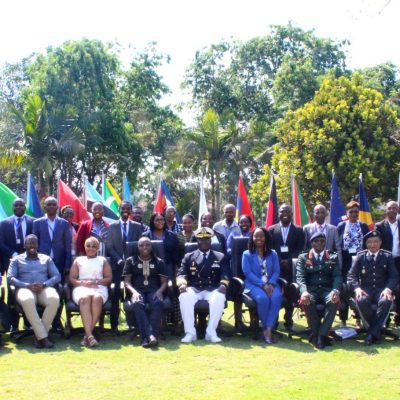
Beyond drafting and backstopping, TfP partners bring their specialised technical expertise to bear as facilitators, moderators, and process designers in AU training programmes, policy discussions, and methodological reviews. For example, TfP facilitated the review of the facilitation methodology for the AU’s ToT courses, providing expert inputs to strengthen pedagogical approaches and improve delivery standards. Partners have also led or co-led the development of training manuals, facilitator guides, and deployment tools used across AU peace support operations, including manuals for leadership, strategic planning, project management, and monitoring and evaluation, demonstrating a deep role in process design and curriculum strengthening. In addition, TfP’s convening power allows it to assemble expert teams for high-level retreats, interdepartmental dialogues, and validation workshops, thereby shaping institutional consensus and supporting the AU to refine key policies, doctrine, and thematic strategies.
Lessons from 30 years of practice
Several analytical lessons emerge from the programme’s three-decade trajectory. These insights are particularly relevant for current and future partnerships aimed at strengthening African peace and security institutions.
- Flexibility is foundational: TfP’s ability to adapt its support to AU priorities, shifting institutional configurations, and emerging shocks has been central to its longevity and credibility. This flexibility is not accidental; it is embedded in the programme’s iterative methodology and demand-driven approach.
- Institutional memory and continuity are critical: High staff turnover at the AUC, restructuring processes, and evolving priorities often disrupt progress. TfP’s sustained presence has provided essential continuity, preserving institutional memory and ensuring that lessons learned continuously inform policy and practice.
- Multidimensional approaches generate systemic impact: The programme’s integrated work across doctrine, training, governance, stabilisation, and strategic foresight allowed it to influence the AU system holistically. Peace and security interventions are rarely linear; TfP’s cross-cutting approach allowed for constructive influence across interconnected domains.
- Convening power is a strategic resource: By creating trusted platforms for engagement, TfP facilitated coordination, coherence, and strategic alignment at times when fragmentation risked undermining progress.
- Evidence-based support strengthens credibility: The programme’s research and technical outputs enhanced the AU’s internal analytical capacity, ensuring that policy decisions were grounded in evidence and lessons from the field.

TfP’s enduring value and the imperatives for the future
Thirty years after its inception, the TfP programme stands as one of the most influential and enduring partnerships supporting Africa’s peace and security agenda. Its evolution from foundational capacity-building to strategic accompaniment in many ways mirrors the continent’s own trajectory. The programme has strengthened policy frameworks, enhanced the capacities of police and civilian actors, supported governance and stabilisation processes, facilitated institutional learning, and provided foresight on emerging challenges. Its greatest asset, however, lies in its convening power and its ability to offer trusted technical spaces for reflection, coordination, and strategic decision-making.
As Africa navigates increasingly complex and intersecting security threats, the imperative for flexible, strategic, and long-term partnerships remains clear. TfP’s record demonstrates the value of partnerships grounded in mutual trust, technical expertise, and responsiveness to institutional priorities. Its experience provides important insights for how the continent can continue to build resilient institutions capable of responding adaptively to rapidly changing conditions.
Looking ahead, the programme’s future phases will need to deepen support for anticipatory governance, strengthen institutional coherence between the APSA and AGA, enhance Africa’s leadership in global peace and security debates, and continue to adapt to new operational and political realities. What remains constant, however, is the central lesson from the past 30 years: long-term, trusted partnerships rooted in evidence, adaptability, and strategic engagement can significantly enhance the continent’s ability to prevent, respond to, and recover from conflict.
Dr Linda Darkwa is the coordinator of the Training for Peace Programme, and a Senior Research Fellow at the Legon Centre for International Affairs and Diplomacy.