
The Impact of COVID-19 on Higher Education
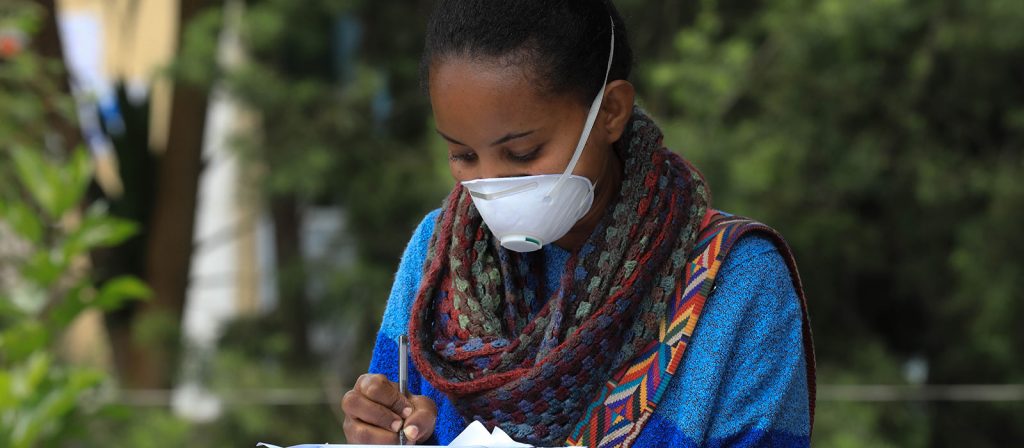
COVID-19 has undoubtedly presented the biggest test of the resilience and relevance of Higher Education institutions in recent times. With the necessity for behavioural change to halt the spread of the virus, Higher Education institutions have been forced to think differently and contribute innovative responses to the pandemic.
Actions taken by the Economic Community of Central African States in response to COVID-19
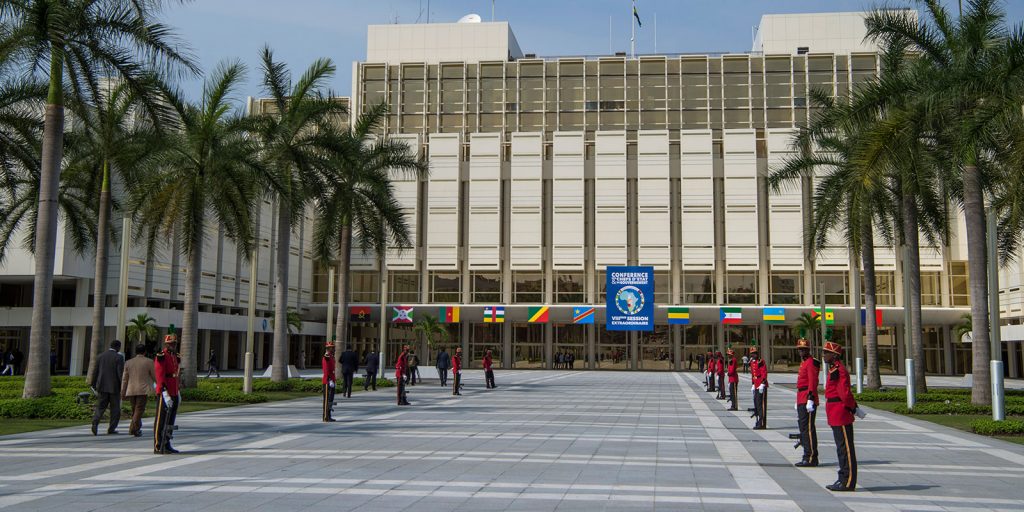
Like all other parts of the world, the Economic Community of Central African States (ECCAS) has been affected by the COVID-19 pandemic since 6 March 2020 and all eleven member countries had registered their first cases by 6 April 2020. In addition to a number of steps taken by ECCAS, plans are also moving forward to establish a sub-regional body for the coordination of health issues in ECCAS.
Chronicles of Cameroon’s Multidimensional Crisis during the COVID-19 Pandemic
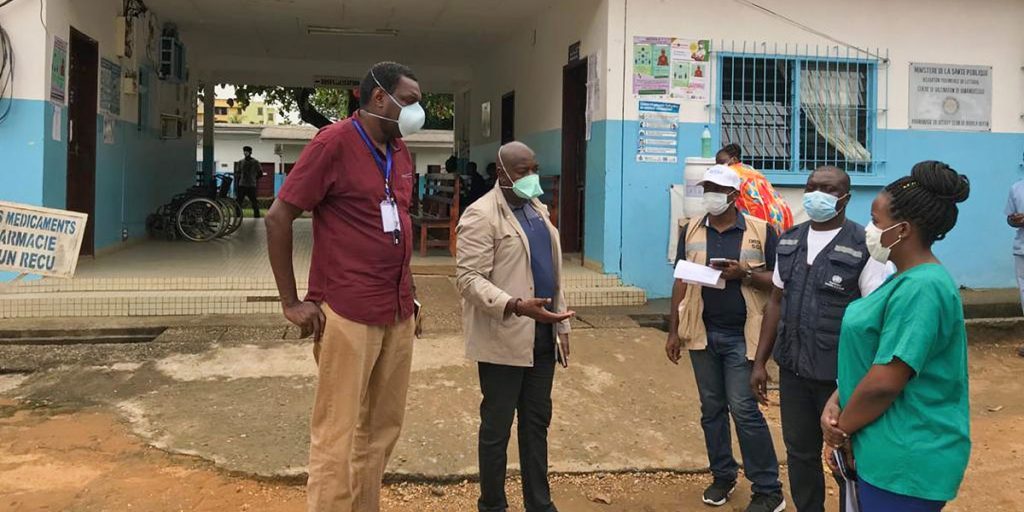
Among other things, Cameroon has responded to the pandemic by relying on local political practices as well as diplomatic experiences with neighbouring countries in order to maintain its sub-regional leadership. By analysing how COVID-19 shapes local governance, this piece looks on the one hand at the entanglement between conflicts and the pandemic and on the other hand, it shows how the ‘sedimentation’ of the new pandemic unveils local political practices which affect Cameroon’s relationships with neighbouring countries.
Militarism and Political Elitism Challenge Peace in the Central African Republic
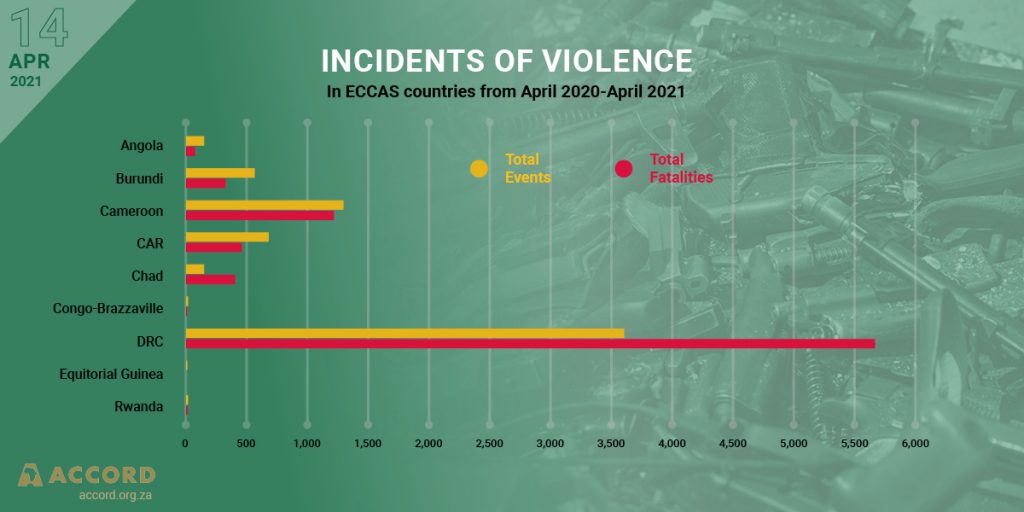
The two rounds of presidential elections in December 2020 and March 2021 resulted in the re-election of Faustin Archange Touadéra as President of the Central African Republic. Armed groups disrupted the electoral process in several areas, but the armed forces of CAR with support from the UN mission, Russia and Rwanda were able to sufficiently stabilise the situation for the elections to be successfully concluded.
The Impact of COVID-19 on the Central African Republic’s December 2020 and March 2021 Elections
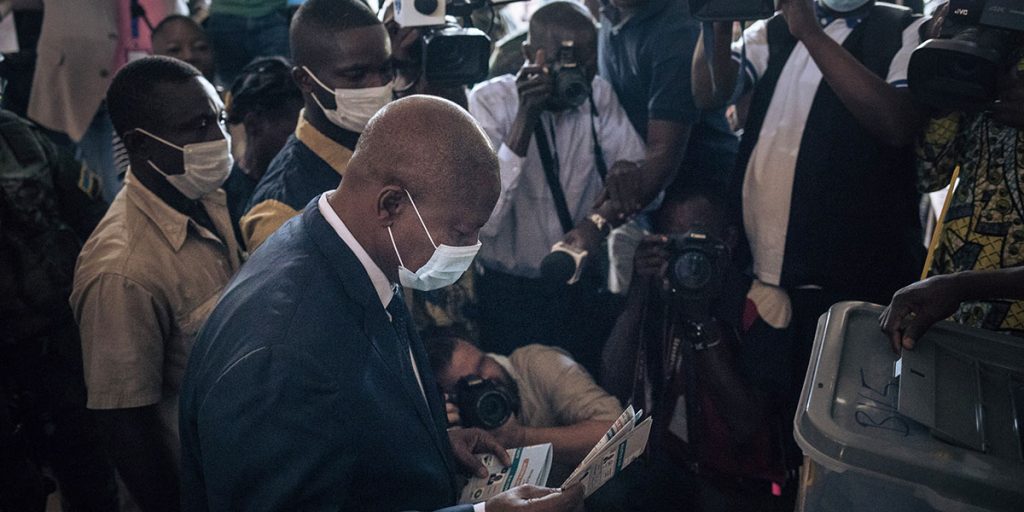
It is now more than a year since the first COVID-19 case in the Central African Republic (CAR). Although the pandemic has spread at a slower rate and with less intensity than in many other countries, it has still had a significant impact on the country and its people. The December 2020 elections are one example of how COVID-19 is impacting every aspect of our lives, including our politics.
An overview on the Democratic Republic of Congo in times of COVID-19
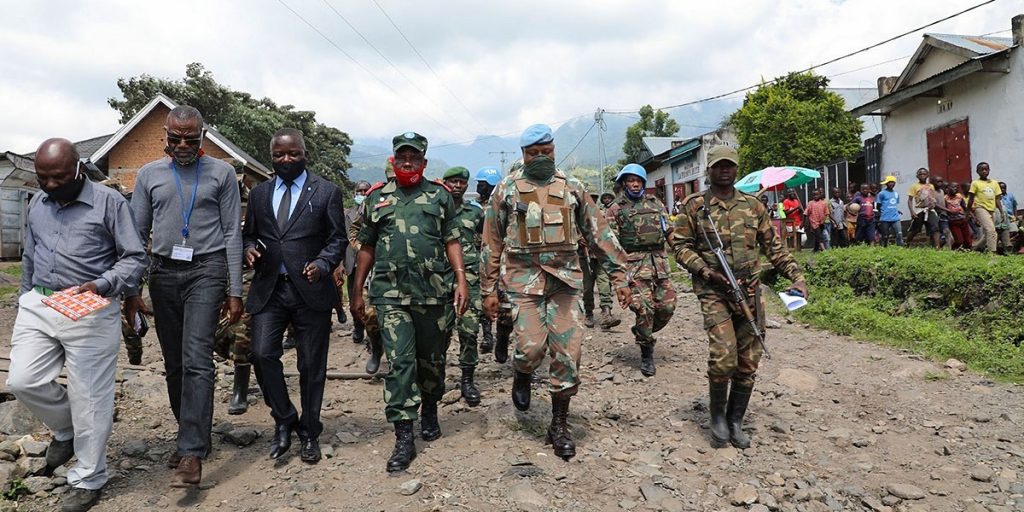
The first COVID-19 case in the Democratic Republic of the Congo (DRC) was diagnosed on 10 March 2020. As of 11 April 2021, more than twenty-eight thousand cases have been recorded, but fortunately only 745 persons have succumbed to the pandemic. Beyond the impact on the health system, it is worth noting that the pandemic has generated several other challenges, including constitutional, human rights and security issues.
Mediating in a Time of COVID-19
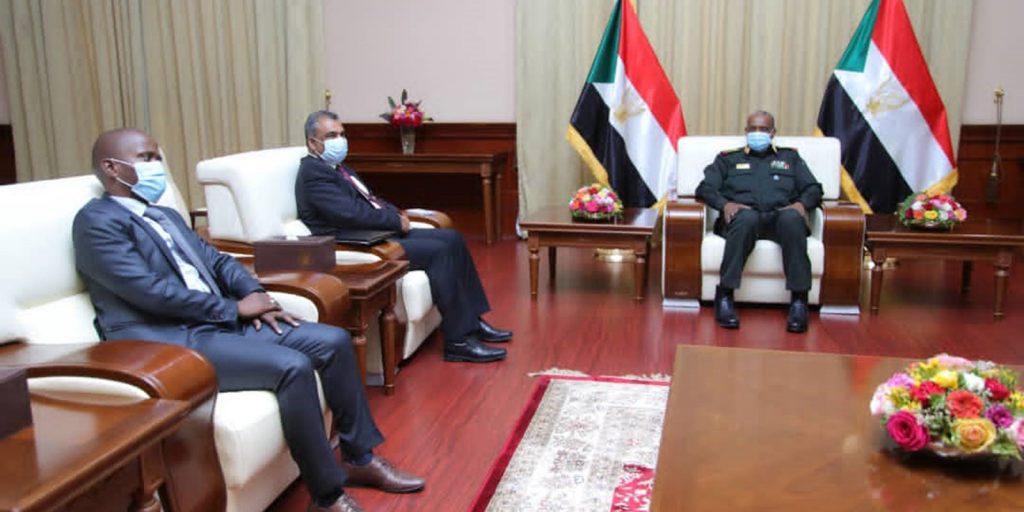
Mediation in situations of civil conflict are never easy. It requires travel, both air and on the ground, sometimes to far off areas where the terrain may not be easy to traverse. It also requires confidential face-to-face discussions and, when momentum towards an agreement is detected, then time becomes a valuable commodity, and shuttling between parties to narrow differences, and edge towards a compromise, becomes vital.
The Case for a more Prosperous and Stable Country: What is at Stake in the DRC?
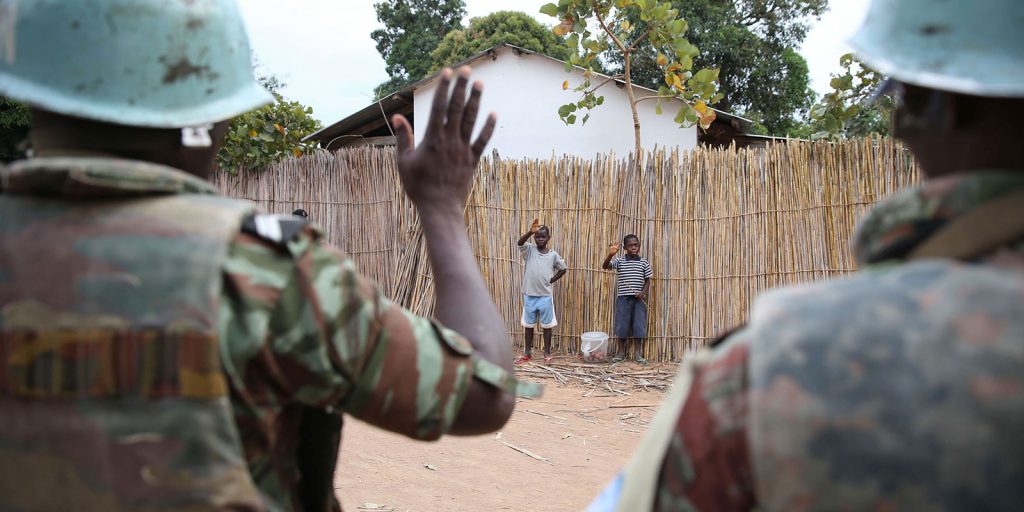
It will take more than just the political will of international and national actors to pave a smooth path for long-term stability in the Democratic Republic of Congo (DRC). Based on its security, social, and political dynamics, the DRC needs a total rebuilding of its institutions.
Sudan: Displacement in the context of COVID-19
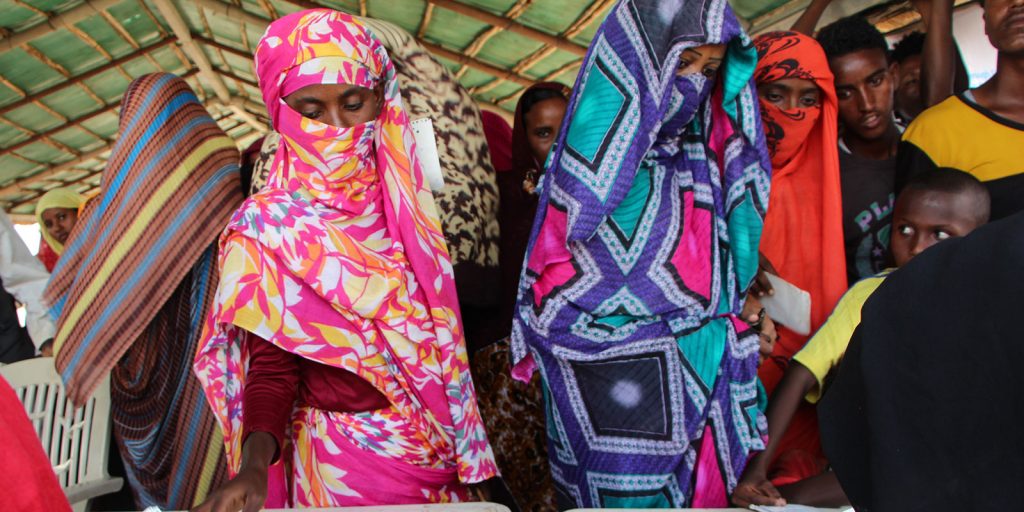
Since the onset of the COVID-19 pandemic one year ago, the Horn of Africa region has experienced a proliferation of conflict and inter-state tensions. This has served to exacerbate the already dire displacement and refugee situation in the region, with thousands fleeing their homes in search of security, which is not often easily found. These difficulties are being aggravated by the COVID-19 pandemic and its associated challenges.
South Sudan’s battle for Democracy
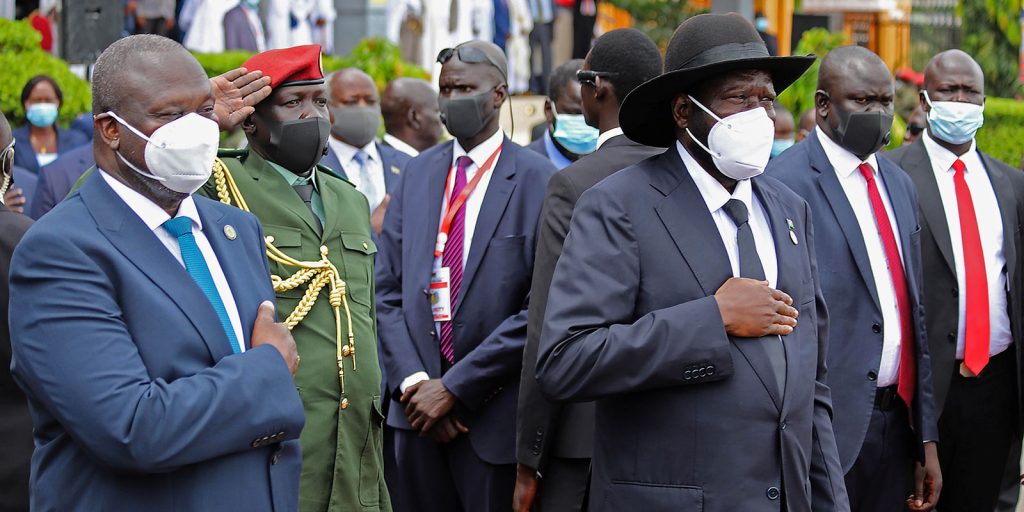
South Sudan’s peace process is still largely up for negotiation. A new South Sudan must emerge through a civilian technocratic government. This will require transforming the way security forces control the state. It also means being serious about addressing the root causes of conflict, implementing a transitional parliament, drafting a new constitution, deciding what type of federalism best suits the country and strengthening the electoral commission.