Issue No: 03/2026

Conflict & Resilience Monitor – April 2026

The Conflict and Resilience Monitor offers monthly blog-size commentary and analysis on the latest conflict-related trends in Africa.

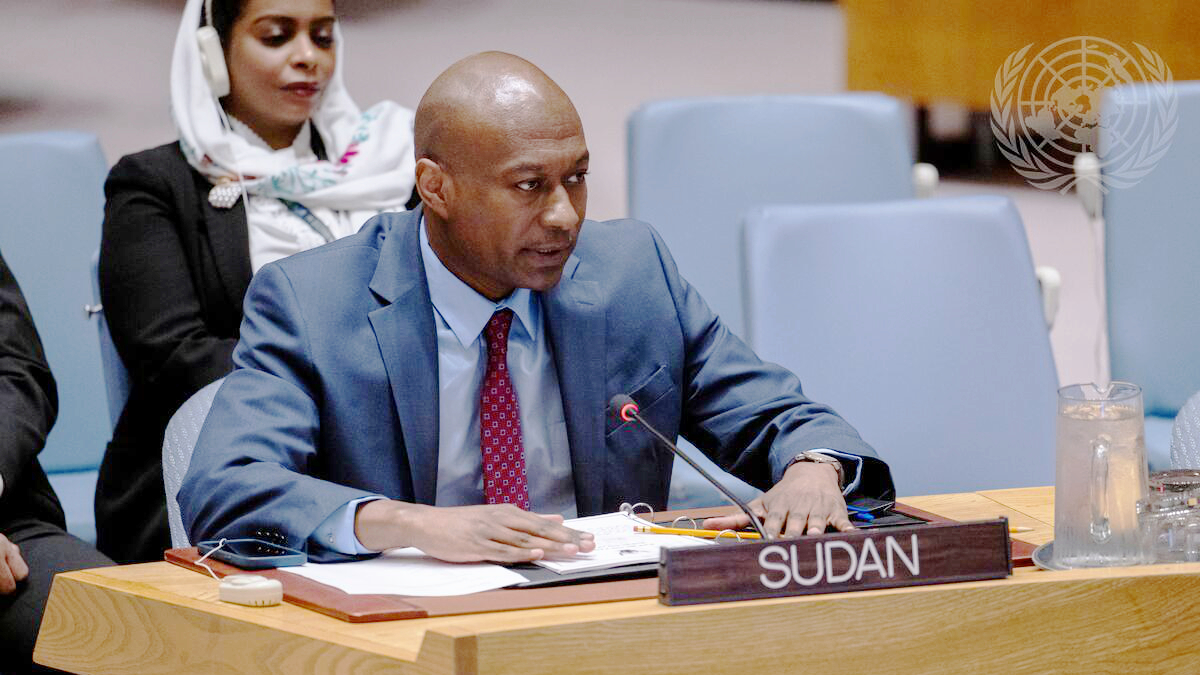
Photo Credit: UN/Marco Dormino

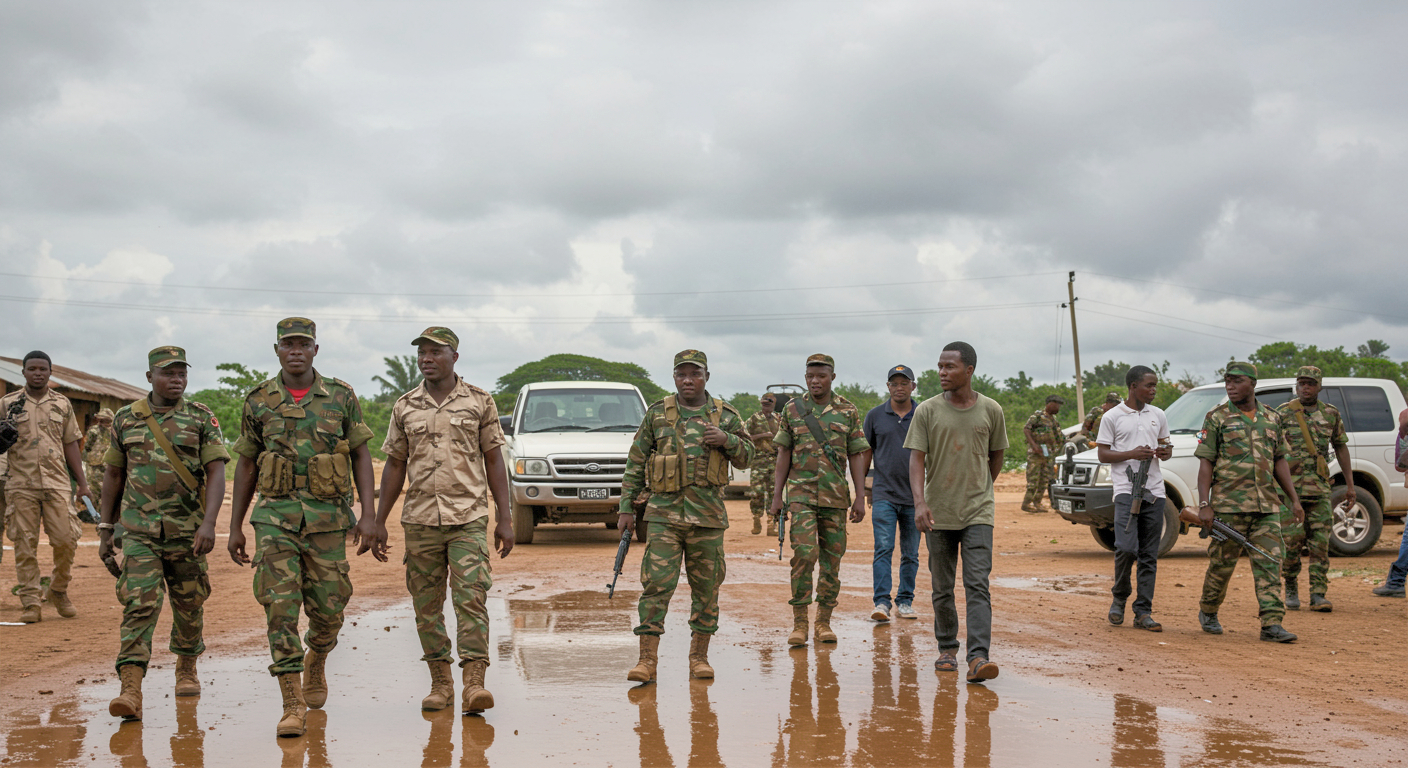
This edition of the Monitor begins with an article written by Fiifi Edu-Afful and Emmanuel Kotia. Their article discusses the ongoing border disputes in the Mano River Basin between Guinea, Liberia and Sierra Leone. While the disputes have their origins in colonial demarcations, weak governance within the states and poor communication amongst them has exacerbated tensions. However, there are examples of successful de-escalation and the article offers options on how to deal with these tensions going forward.

Staying in West Africa, Portia Danlugu discusses meaningful youth participation in the region. Youth are often used for political mobilisation at election time, or invited to participate only once decisions have been made, making their involvement tokenistic in nature. Youth in West Africa face a number of challenges such as high unemployment and economic exclusion and their skills and knowledge, especially of the digital space, are often overlooked or ignored. However, institutions, such as the Economic Community of West African States (ECOWAS), can play an active role in ensuring a more coordinated approach to youth, peace and security amongst states of the region and ensuring meaningful youth participation in processes.

In South Africa, Boikanyo Nkwatle has written a follow-up to his article earlier in the year, in light of the collapse of the United for Change (UFC) election alliance. The UFC was unable to translate its alliance into any campaign momentum. Rather than an exception to the rule, the UFC shares a similar outcome to previous electoral alliances in South Africa, which often collapse. With the increasing number of political parties, electoral alliances help consolidate voters and decrease the potential number of parties in a coalition. However, parties also run the risk of losing their identities in the alliance, which can further confuse voters. These factors are discussed ahead of South Africa’s local government elections in 2026.

Finally, Shaun Kinnes has contributed an article about the changing global landscape and the role that Africa needs to forge for itself. Africa needs to ensure its own peace and security, and its militaries should become self-reliant and adaptive to the changing security threats that the continent faces.

Chief Editor: Conflict & Resilience Monitor​
Assistant Editor: Conflict & Resilience Monitor​
Photo Credit: Eduan/ADC
Cross-border / Inter-State tensions

Flashpoints at the Frontier: Rising Border Tensions in Guinea, Sierra Leone, and Liberia

  • Fiifi Edu-Afful
  • Emmanuel Kotia

Recent border tensions involving Guinea, Liberia and Sierra Leone highlight enduring structural weaknesses in border governance not only within the Mano River basin but across many West African boundaries. This comes on the heels of the protracted maritime boundary dispute between Ghana and Togo, where attempts at resolution have been escalated to judicial arbitration. These incidents and clashes point to a recurring pattern in which contested boundaries often rooted in colonial-era demarcations interact with limited cross-border coordination, localised economic pressures, fragile institutional frameworks and climate change induced movements. Rather than describe these confrontations as mere isolated flashpoints, tensions generated from these occurrences reflect systemic deep rooted governance deficits that continue to challenge state capacity and regional security architectures.

Read More
Photo Credit: Paul Kagame
Youth

Beyond Tokenism: Institutionalising Meaningful Youth Participation in Peace and Security Decision-Making in West Africa 

  • Portia Danlugu

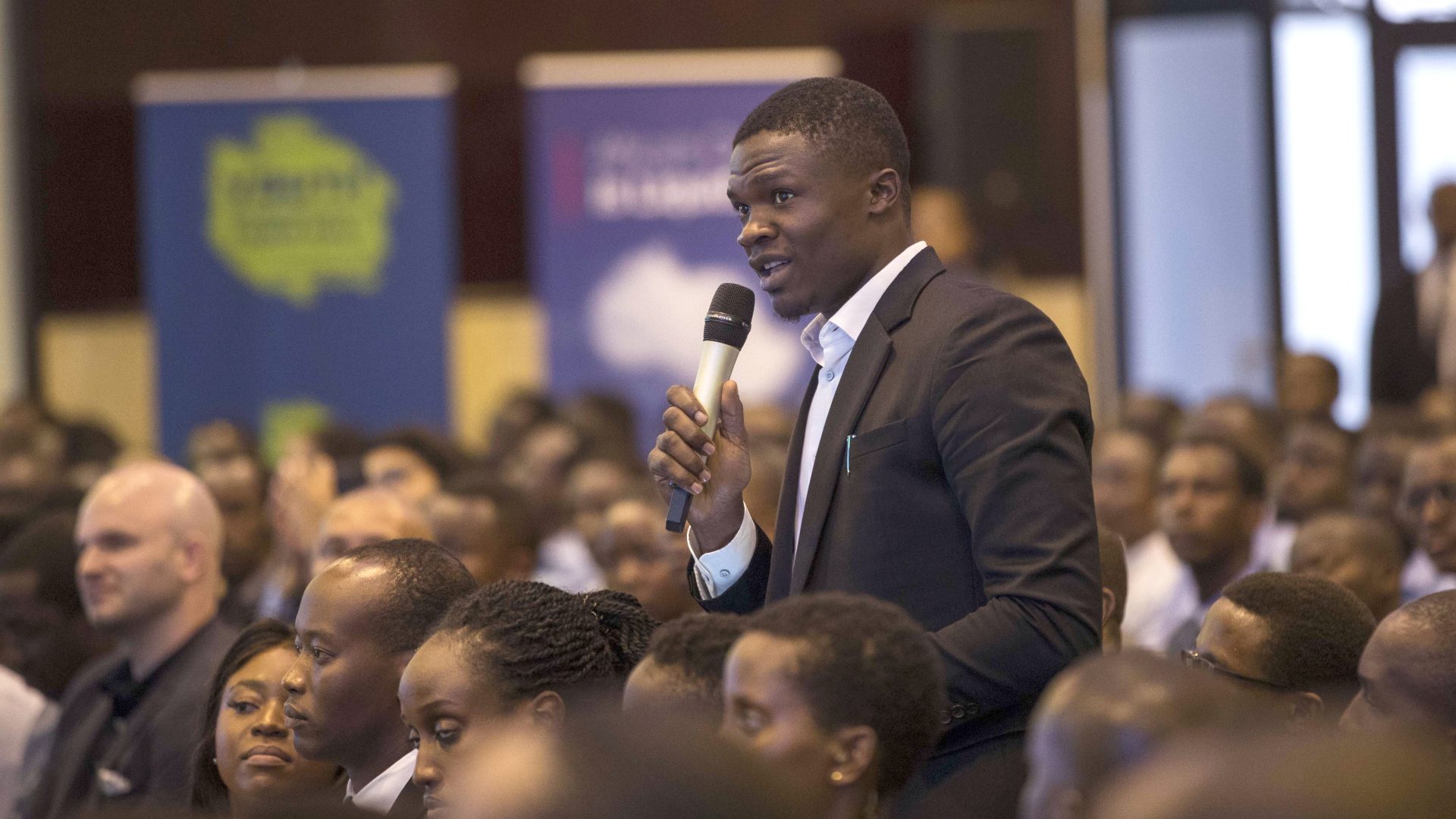
Across West Africa, meaningful youth participation in peace and security remains constrained by deep structural and governance deficits. Despite constituting more than sixty per cent of the region’s population, young people continue to be treated as a security risk rather than as partners in stability. Governments frequently showcase youth in public dialogues, yet decision-making remains dominated by older political and traditional elites. This exclusion persists even as the region faces rising insecurity, from violent extremism in the Sahel to political unrest in coastal states disproportionately affecting young people who lack avenues to influence policy responses.

Read More
Photo Credit: ACCORD
Elections

A Predictable Fracture: Why the United for Change Experiment was Doomed from the Start

  • Boikanyo Nkwatle

In my previous analysis, Pre-Electoral Alliances in South Africa: Lessons from the Past, Implications for the Future, I examined the proposed United for Change, (UFC) a merger between Build One South Africa (BOSA), Rise Mzansi, and GOOD Party, cautioning that South Africa’s history of short-lived political party mergers pointed to a likely breakdown. This perspective was grounded not in pessimism, but in precedent. Drawing on concepts such as historical institutionalism and path dependence, often used in political science, the argument was that recurring patterns of fragile alliances and political party mergers make similar outcomes not only possible but probable. The recent decision by these parties to abandon a unified electoral approach to contest the 2026 local government elections (LGEs) and instead contest independently appears to validate those concerns. This invites a deeper analysis into why political mergers, alliances and coalitions in South Africa so often struggle to endure. Since the announcement of the UFC there has been no visible, coordinated programme of action to signal a serious joint electoral project ahead of the 2026 LGEs. According to an official who spoke on condition of anonymity, ‘the three organisations did not sufficiently cohere to form a union’.

Read More
Photo Credit: Aboubacarkhoraa
security

Africa’s Security Crossroads: Security in a Shifting World

  • Shaun Kinnes

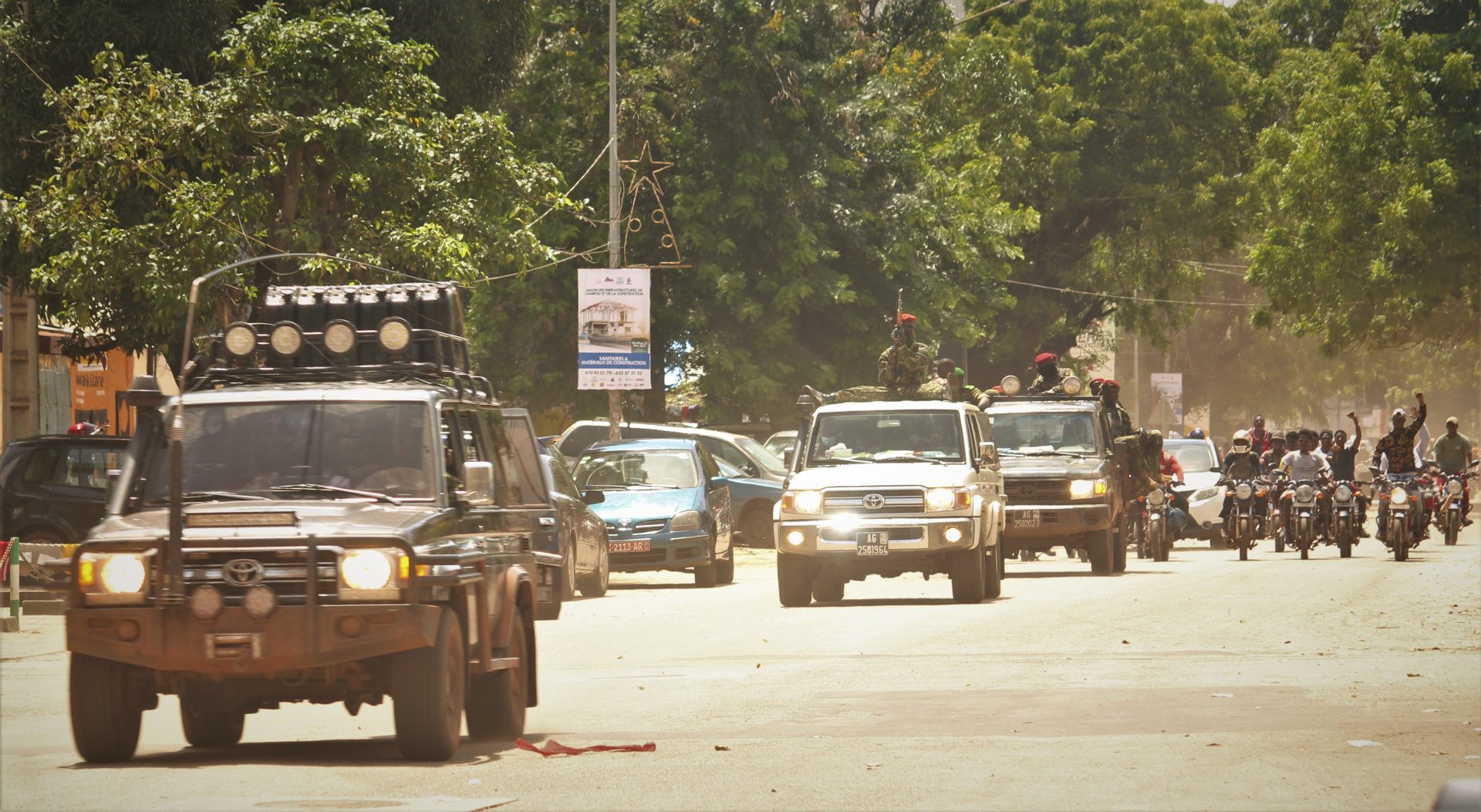
The landscape of global engagement with Africa is shifting. President John Dramani Mahama has declared that Africa must ‘pull itself up by its own bootstraps’ and shape the emerging global order rather than remain trapped in what he termed a ‘triple dependency’ on foreign security, donor aid and raw materials. These are not mere words, they showcase a profound geopolitical shift. 

Read More

Do you have information to share?

Does any of this information look incorrect to you, or do you have anything to share from your experience on the ground in an African country?

If so, please complete our contact form – we would love to hear from you!

TRANSLATE THIS PAGE