Issue No: 01/2026

Conflict & Resilience Monitor – February 2026

The Conflict and Resilience Monitor offers monthly blog-size commentary and analysis on the latest conflict-related trends in Africa.

Photo: Eduan/ACD

We begin the first edition of the Conflict and Resilience Monitor for 2026 with an article by Said Djinnit and El-Ghassim Wane.  In their article they discuss the ongoing conflict in Sudan and the unfolding humanitarian crisis that has accompanied the fighting.  Their article looks at lessons from past efforts to resolve conflict in Sudan and proposes actions that could be taken now.  The importance and centrality of African leadership in bringing peace to Sudan is emphasised in the article.

This is followed by an article from Jessica Uiras who also writes about the conflict in Sudan.  Her article discusses the AU PSC’s 1330th Communique on the situation in Sudan and various significant aspects addressed by the PSC.  These include the position that there is no viable military solution to the conflict, while also discussing the role that African leadership and external actors can and will play in Sudan, amongst others.

Moving on from Sudan, Lesley Connolly contribute a piece about the need for innovations in peacebuilding in Africa, if the continent is to find ways to address ongoing crises.  One such innovation would be to move away from undertaking post-conflict reconstruction and development only once the conflict has ended. One tool that can bridge the gap between emergency response and peacebuilding is unarmed civilian protection which is grounded in non-violence and local leadership in order to reduce violence and build trust.

Finally, Boikanyo Collins Nkwatle writes about the most recent developments in the City of Ekurhuleni’s governing coalition.  Although the current situation was sparked by changes to the city’s executive leadership without coalition consultation, it points to the broader issue of a lack of political consensus amongst parties to a coalition and poor cooperation.  The issue that fraught coalition dynamics raises is the likelihood that this will impact upon overall political stability and service delivery.
Chief Editor: Conflict & Resilience Monitor​
Managing Editor: Conflict & Resilience Monitor​
Assistant Editor: Conflict & Resilience Monitor
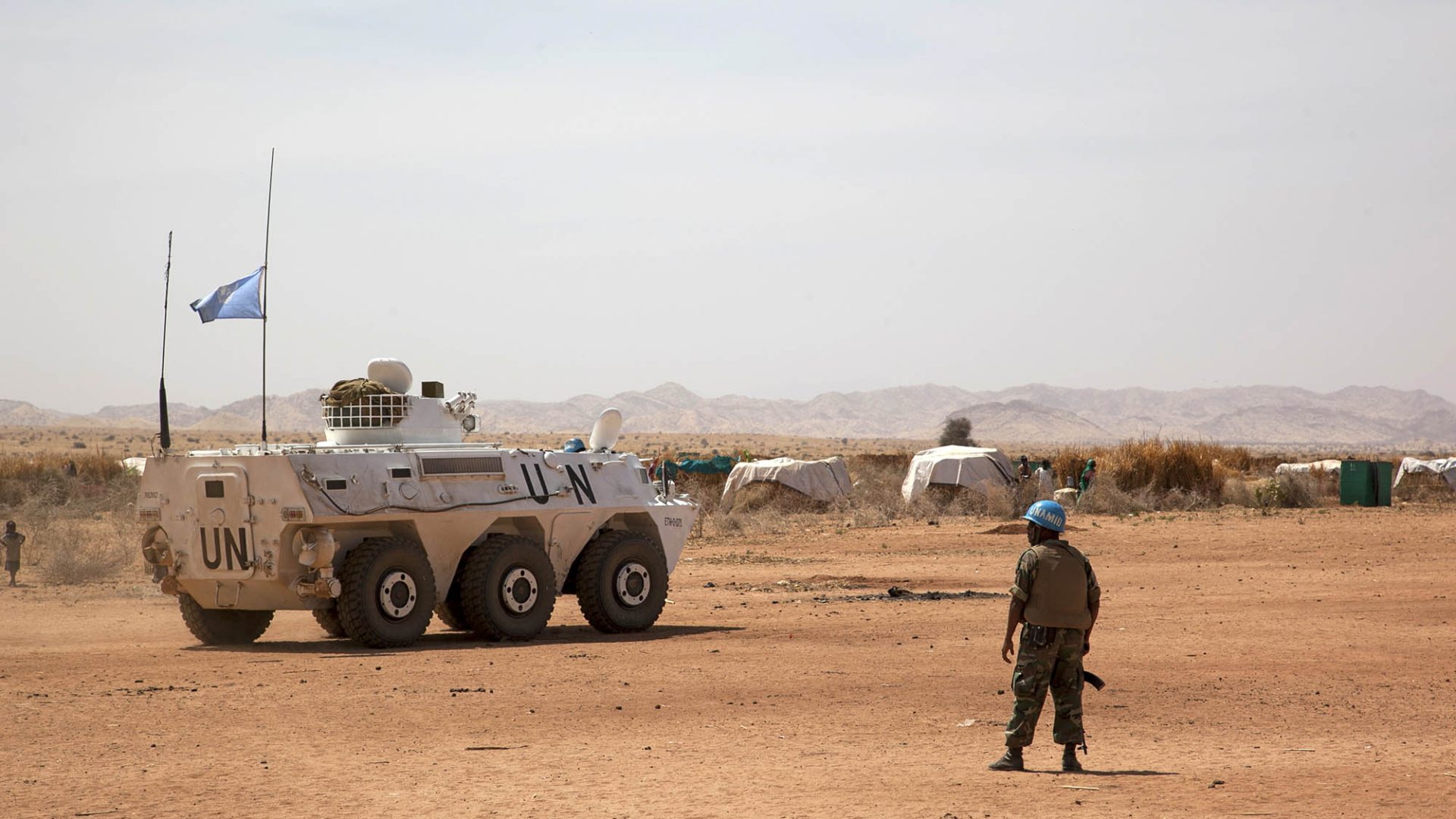
Photo Credit: Hamid Abdulsalam/UNAMID
Leadership

Africa and the Sudan Tragedy: A Test of Responsibility and Leadership

  • Ambassador Said Djinnit
  • El-Ghassim Wane

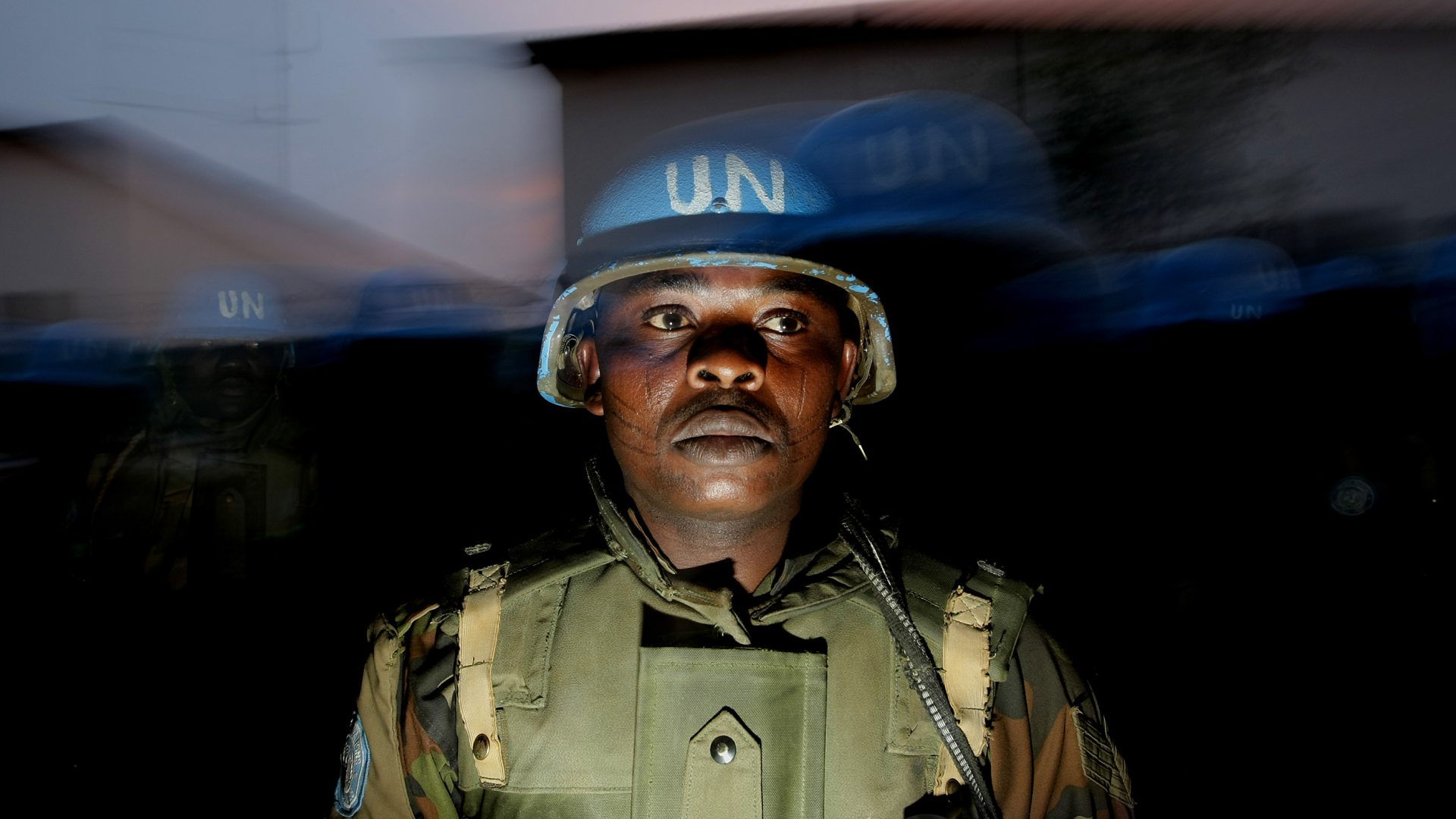
Sudan has become the epicentre of one of the world’s deadliest conflicts and worst humanitarian crises. Since 2023, an estimated 150,000 people have died; nearly 10 million are internally displaced; 4.3 million have fled as refugees; and more than 30 million (two-thirds of the population) require humanitarian assistance. The battle for El-Fasher and the reports that followed have revived the memories of an earlier tragedy: the Darfur scorched-earth campaign of the early 2000s. The fear is now stark: what happened there could happen again elsewhere.

Read More
Photo: DIRCO
Peace and Security

Sudan at a Crossroads: What the AU PSC’s 1330th Communiqué Means for the Path to Peace

  • Jessica Uiras

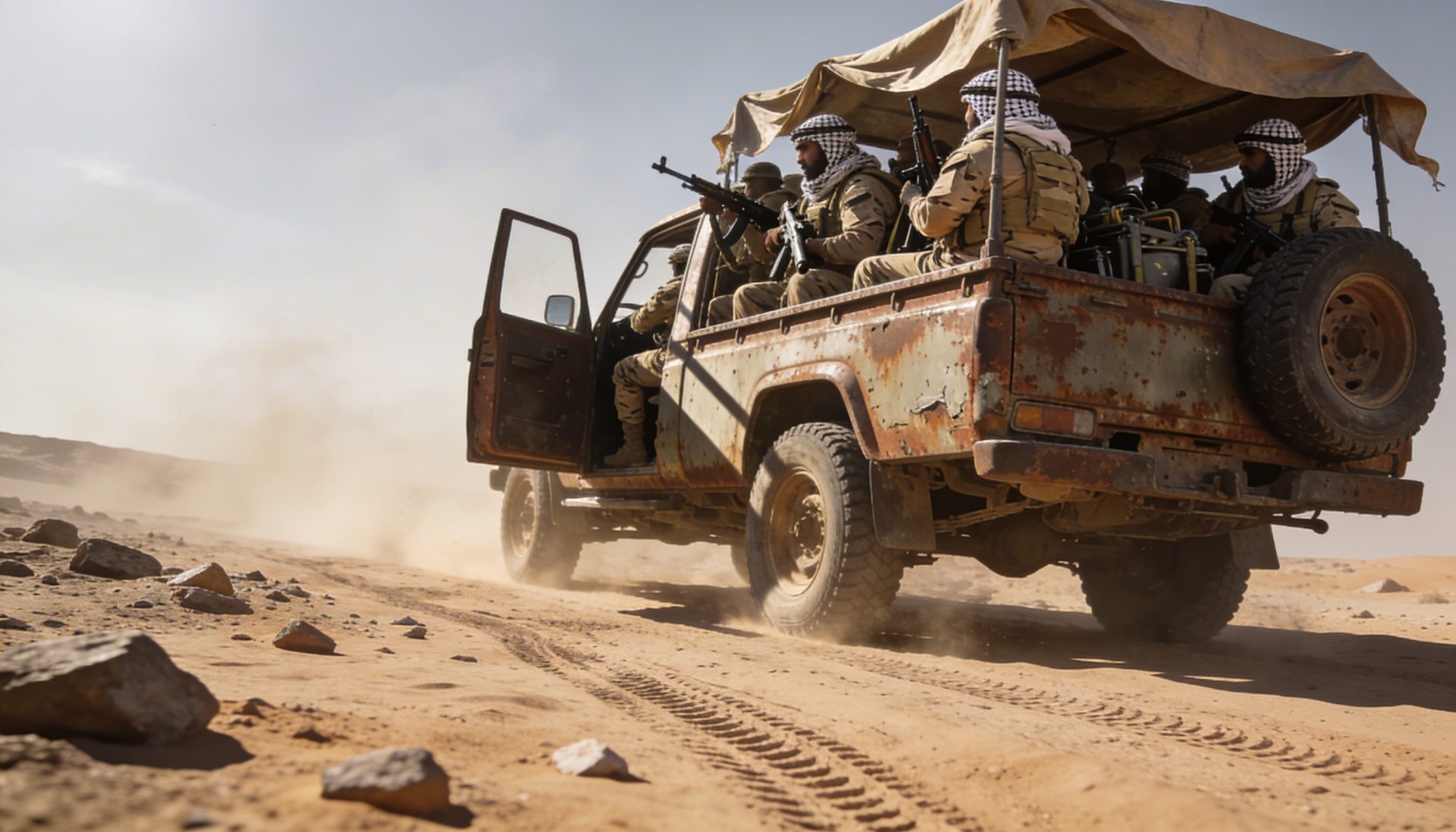
On 12 February 2026, the African Union (AU) Peace and Security Council (PSC), meeting at the ministerial level, adopted its 1330th Communiqué on the situation in Sudan. The document reflects not only the gravity of the crisis but also the AU’s sustained effort to prevent state collapse, respond to one of the world’s most severe humanitarian emergencies, and reassert continental leadership in a conflict increasingly shaped by regional and global dynamics. Read alongside earlier pronouncements in 2025, including the March press statement rejecting the establishment of a parallel government, and the July statement strongly condemning the Rapid Support Force (RSF)-led ‘parallel government,’ the February 2026 communiqué demonstrates consistency in principle, but a heightened sense of urgency. Sudan is no longer framed as facing only a political impasse. It is confronting a systemic breakdown across governance, security and humanitarian sectors. 

Read More
Photo Credit: UN/Stuart Price
Peacebuilding

Peacebuilding as Emergency Engagement: Why Africa Needs Innovation for a New Era of Crisis

  • Lesley Connolly

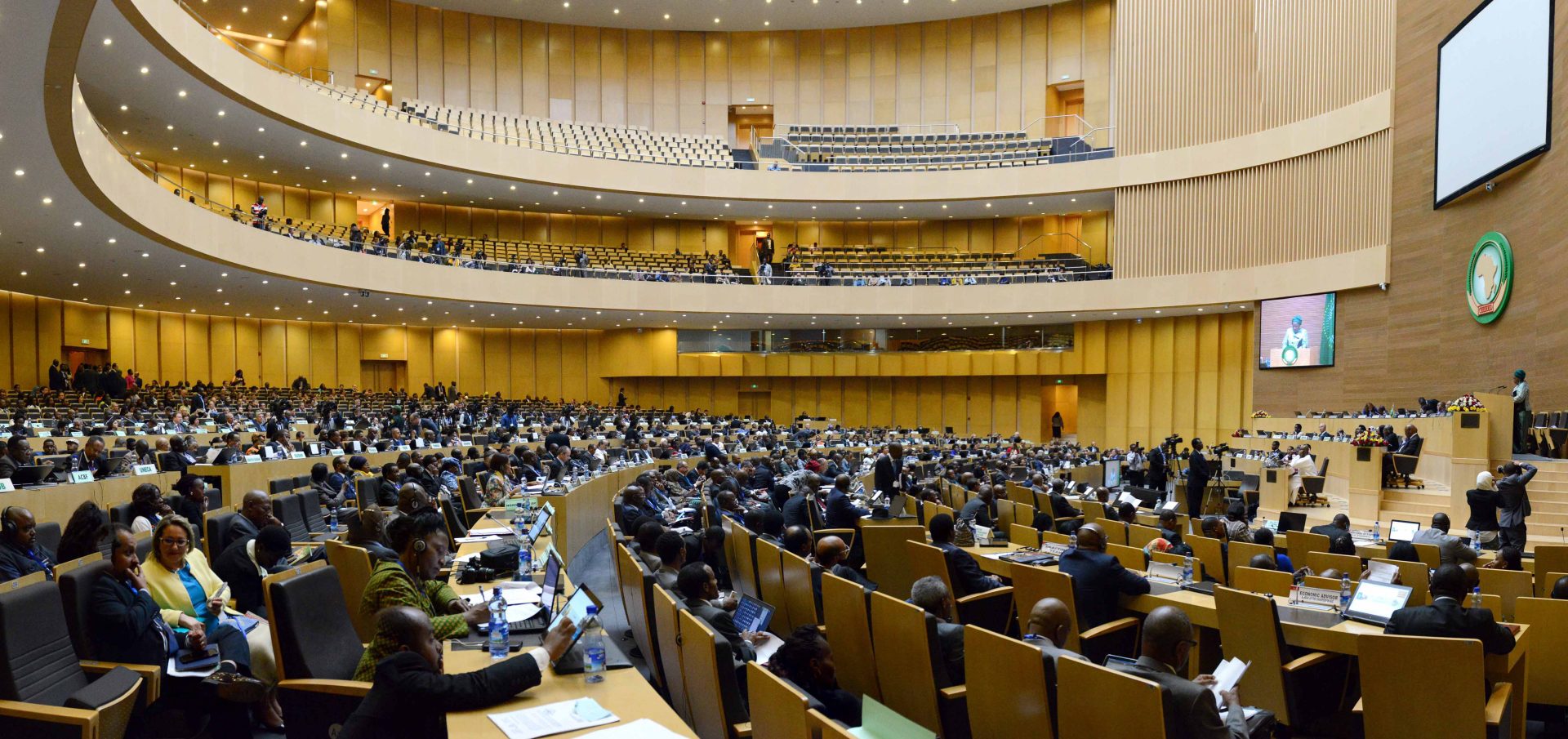
As African leaders gathered in Addis Ababa, Ethiopia for the African Union (AU) Heads of State Summit in February 2026, they did so amid a profound rupture in the global peace and security landscape. The multilateral system that has underpinned peace operations and humanitarian response for decades is under strain. The United Nations (UN) as a whole is facing deep contraction; mass restructuring is taking place amid serious financial challenges. The political legitimacy of the United States and other traditional security guarantors has weakened. Donor priorities are fragmenting as geopolitical competition intensifies and domestic pressures in the Global North grow.

Read More
Photo Credit: South African Tourism
Governance

The Coalition Debacle in the City of Ekurhuleni and its Far-reaching Political and Governance Implications

  • Boikanyo Nkwatle

The political turmoil emanating from the City of Ekurhuleni is not merely an isolated coalition debacle but reflects a deeper challenge facing South Africa’s local government. The recent reshuffle of the mayoral committee by the African National Congress (ANC) Mayor Nkosindiphile Xhakaza has spiked tension within the coalition partners and has a potential risk of spilling over into broader coalition dynamics in Gauteng province. Once a fragile ‘marriage of convenience’ amongst coalition partners, Ekurhuleni’s governance has been defined by instability with three mayors and two speakers since the 2021 local government elections. Post the 2024 general elections and the subsequent formation of the Government of National Unity (GNU), South African’s have witnessed some degree of political stability in the metros, however, persistent service delivery challenges remain, largely driven by the ongoing governance crisis. This recent development in the city now risks unravelling existing political arrangements such as the Government of Provincial Unity (GPU), which is a minority government. Gauteng is currently governed by a minority GPU which relies on support from parties such as the Economic Freedom Fighters (EFF), which are not members of the GPU, to navigate the legislative hurdles, and secure the majority of votes required to pass laws or decisions. 

Read More

Do you have information to share?

Does any of this information look incorrect to you, or do you have anything to share from your experience on the ground in an African country?

If so, please complete our contact form – we would love to hear from you!

ACCORD recognizes its longstanding partnerships with the European Union, and the Governments of Canada, Finland, Ireland, Norway, South Africa, Sweden, UK, and USA.

TRANSLATE THIS PAGE