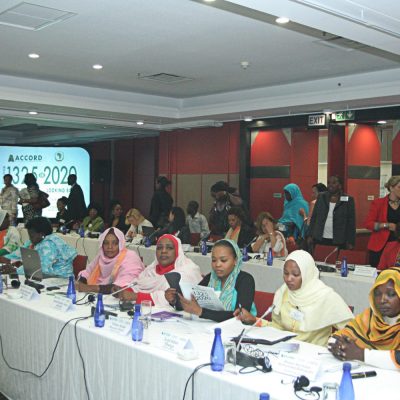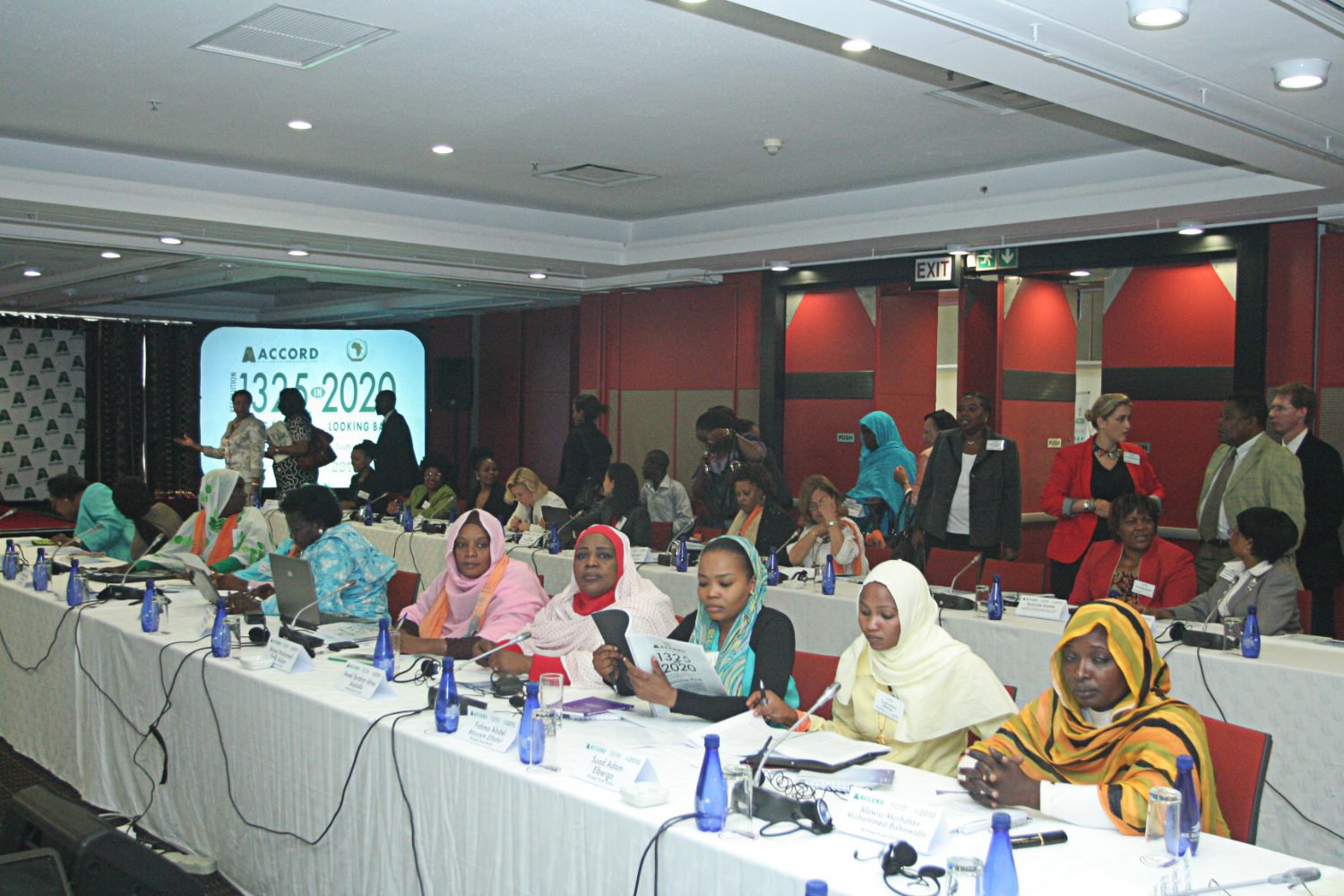
Twenty-five years ago, the adoption of United Nations Security Council Resolution (UNSCR) 1325 (2000) marked a watershed moment in global peace and security. For the first time, the international community formally recognised that women are not merely victims of conflict but critical actors in peacebuilding, security and post-conflict recovery. Before the adoption of UNSCR 1325, women’s experiences and contributions were often overlooked in conflict and peace processes, despite being disproportionately affected by armed conflict and playing vital roles within their communities.1 The Resolution marked a turning point by explicitly calling for the inclusion of women’s perspectives and participation across all aspects of peace and security, from conflict prevention and resolution to peacekeeping and post-conflict reconstruction. The Resolution and the broader Women, Peace and Security (WPS) agenda that followed committed states and international organisations to enhance women’s participation in peace processes, strengthen the protection of women in conflict, and integrate gender perspectives into peace and security interventions.2
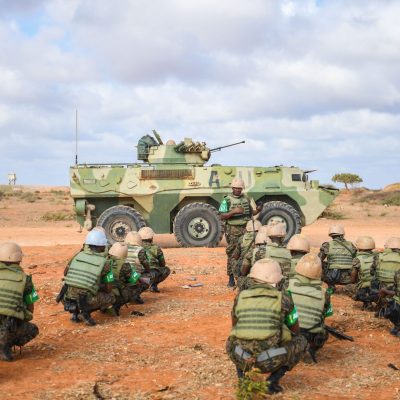
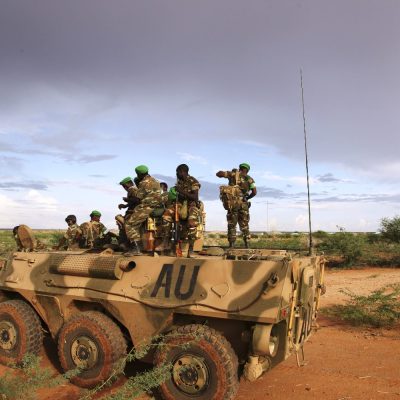
Nowhere has the test of these commitments been more visible than in Africa. Over the past 25 years, the continent has hosted the largest concentration of peace support operations (PSOs), with about half of the United Nations (UN) peacekeeping missions operating around the world being in Africa.3 PSOs have ranged from UN-led missions such as the UN Organisation Stabilisation Mission in the Democratic Republic of the Congo (MONUSCO), to missions led by the African Union (AU), including the AU Mission in Somalia (AMISOM), its transition to the AU Transition Mission in Somalia (ATMIS), and now the current AU Support and Stabilisation Mission in Somalia (AUSSOM). Africa has also seen hybrid operations such as the UN–AU Mission in Darfur (UNAMID), as well as regional initiatives like the Southern African Development Community (SADC) Mission in Mozambique (SAMIM). Collectively, these missions have presented both opportunities and challenges in translating the vision of UNSCR 1325 into practice.

This article asks a central question: Has UNSCR 1325 truly transformed African PSOs, or do gaps persist between global rhetoric and field realities? By reflecting on normative progress, operational practices and case studies from African PSOs, the discussion highlights the gains made over the past 25 years, the persistent barriers to full implementation, and the opportunities for strengthening the WPS agenda in the decades ahead.
UNSCR 1325 and the WPS agenda: A 25-year trajectory
In October 2000, the UN Security Council (UNSC) adopted the landmark Resolution 1325 on WPS. The Resolution drew on over a decade of lessons from peacekeeping and peacebuilding, reflecting the nature of conflict where civilians, particularly women, bore the greatest suffering. Women experienced multiple forms of harm, from sexual and gender-based violence (SGBV) by armed actors to the loss of loved ones, livelihoods and autonomy. Even in post-conflict settings, they remained marginalised, with their roles and contributions often overlooked by both domestic and international actors. To date, the UNSC has adopted ten resolutions under the WPS agenda: 1325 (2000), 1820 (2008), 1888 (2008), 1889 (2009), 1960 (2010), 2106 (2013), 2122 (2013), 2242 (2015), 2467 (2019), and 2493 (2019), which collectively form the core WPS framework. Together, these resolutions articulate four key pillars: participation, protection, prevention, and relief and recovery. The pillars underscore the inclusion of women in peace and security decision-making, their protection from SGBV, gender-responsive conflict prevention, and the integration of women’s needs and perspectives in relief and recovery efforts.
Over the past 25 years, the WPS agenda has evolved significantly globally and across the African continent, with the AU playing a leading role through key frameworks such as the Solemn Declaration on Gender Equality in Africa (2004), the AU Gender Policy (2009), and the Continental Results Framework for the Implementation of UNSCR 1325 (2018). These instruments translate global commitments into concrete actions within Africa’s peace and security landscape, influencing mission mandates to promote the deployment of gender advisers and enhance women’s participation and leadership in peace processes.
At regional and national levels, a number of AU member states and Regional Economic Communities/Regional Mechanisms (RECs/RMs) have established gender sensitive and gender responsive frameworks aimed at improving the protection of women not only in situations of armed conflict, but also in contexts marked by broader human insecurity. Different member states have adopted various approaches to fulfil the obligations of the Resolution, one of the most common being the development of a National Action Plan (NAP).4 These plans define and coordinate the roles, timelines, resources and expected outcomes for all relevant actors and stakeholders. The NAP process serves as an important tool for enhancing the coherence, visibility and accountability of national efforts to implement WPS commitments. However, despite these advances, the UN has yet to achieve gender balance or ensure the full and equal participation of women, particularly in PSOs.
Progress in African PSOs
Since 2000, the WPS agenda has achieved notable progress within African PSOs. At both normative and operational levels, women’s inclusion and the integration of gender perspectives have become integral to mission planning, mandate development and field implementation. Although progress has been uneven, the increasing presence of women in PSOs and the creation of institutional structures to advance gender mainstreaming mark a significant departure from the pre-UNSCR 1325 era.
African institutions have shown strong commitment to integrating gender perspectives within peace and security frameworks. The AU, in particular, has incorporated gender dimensions into key policy instruments related to PSOs, such as the AU Revised Post-Conflict Reconstruction and Development (PCRD) Policy (2024) and the AU Policy on Prevention and Response to Sexual Exploitation and Abuse for PSOs (2018). The deployment of gender advisers and focal points in both AU and UN missions on the continent has also become increasingly systematic, helping to ensure that WPS principles are embedded in mission planning, implementation, reporting and engagement with local communities.
Normative and policy advances
African institutions have demonstrated commitment to embedding gender within peace and security frameworks. The AU has integrated gender considerations into its Policy Framework for the Civilian Dimension of the African Standby Force (2010), which set out the need for the establishment of the African Standby Capacity (ASC) roster. The ASC roster promotes gender mainstreaming and female participation, and the AU Commission has worked on developing gender mainstreaming guidelines for the full cycle of recruitment, training and deployment. The development of a curriculum on Gender Mainstreaming in AU PSOs has enabled the dissemination of information at Training Centres of Excellence5 across the five regions of the continent, ensuring a consistent understanding and application of gender principles across all stages of mission planning, deployment and evaluation. The Revised AU Post-Conflict Reconstruction and Development (PCRD) Policy (2024)also integrates a gender-responsive approach into peacebuilding strategies. Gender equality and respect for women’s rights are considered critical to establishing good governance and democratic values in countries emerging from conflict.
Representation and participation
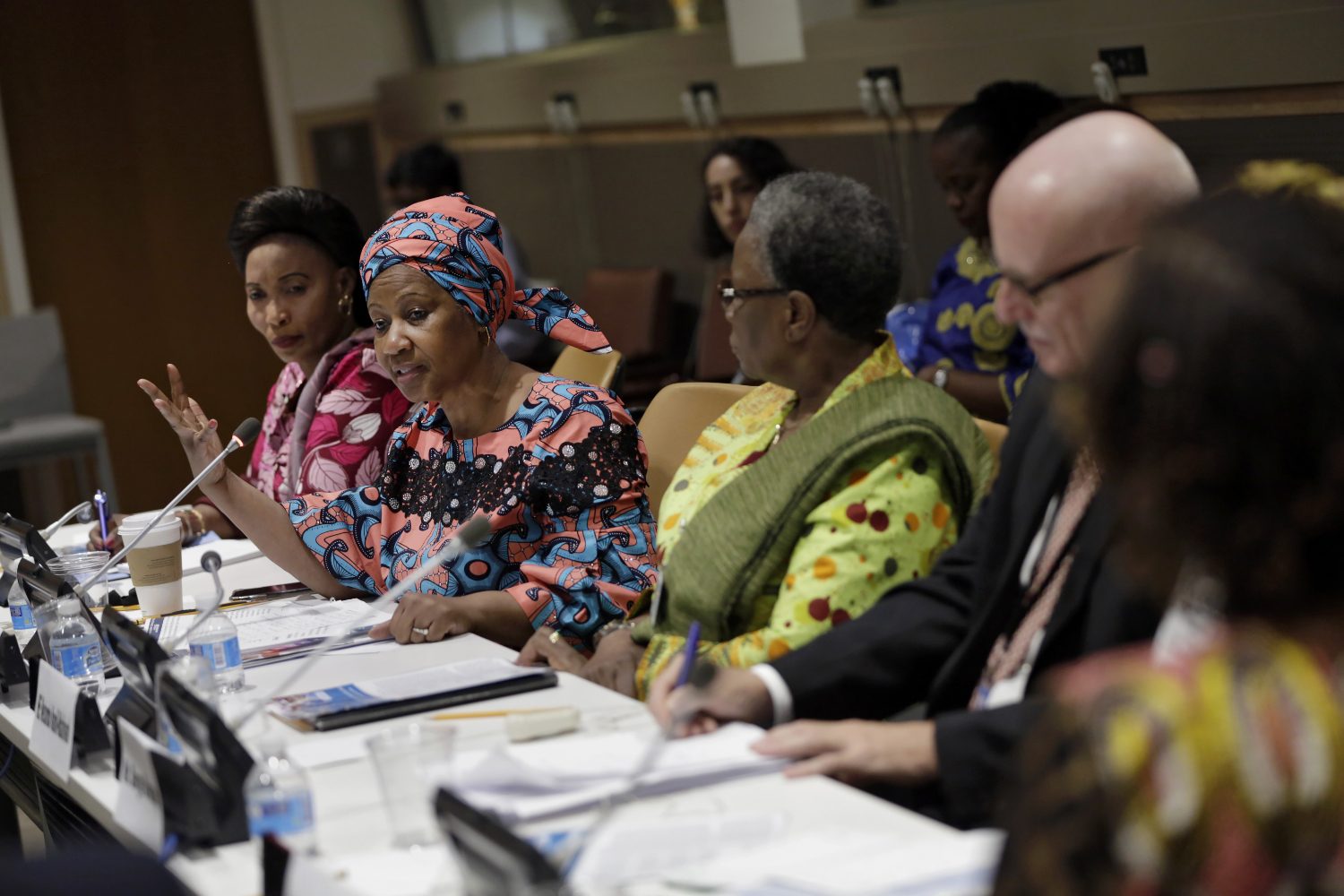
Women’s participation in African PSOs has gradually increased, particularly in police and civilian components. For example, MONUSCO has consistently promoted women’s inclusion in protection and community liaison roles.6 AMISOM and its successor, ATMIS, also saw a steady rise in female peacekeepers and staff, with those in uniform accounting for the highest number of women serving in a peacekeeping mission globally.7 In some instances, women have taken on leadership positions, demonstrating the potential for inclusive command structures to enhance operational effectiveness.8

Mandate design and operational practices
The inclusion of protection mandates within PSOs, particularly around the prevention of SGBV, has strengthened the WPS agenda in practice. Missions such as UNAMID integrated civilian protection and gender equality into their operational planning,9 while regional missions such as SAMIM have adopted community-centred approaches that engage women as partners in stabilisation efforts. The institutionalisation of gender training, codes of conduct addressing sexual exploitation and abuse (SEA), and collaboration with women’s organisations in host countries have further advanced the agenda.
Persistent gaps and challenges
Despite notable progress, the implementation of the WPS agenda in African PSOs continues to face structural, institutional and socio-cultural obstacles. These challenges have limited the extent to which gender perspectives are integrated and have slowed the pace of achieving meaningful participation and leadership by women in PSOs.

Limited representation in decision-making and leadership
Although the number of women participating in PSOs has grown, their representation in senior decision-making positions remains disproportionately low. Leadership roles, such as mission heads, force commanders and key operational planners, are still largely dominated by men. Women are often concentrated in administrative, medical, or support roles, rather than in command or strategic positions where their influence on policy and operational outcomes could be most significant.10 This imbalance perpetuates a gendered hierarchy within missions and limits the transformative impact of women’s participation.
Gaps between policy and practice
While both the AU and UN have developed extensive gender frameworks and training modules, implementation in the field is often inconsistent. Gender units are sometimes under-resourced, understaffed, or marginalised in mission hierarchies. Moreover, reporting on gender-related outcomes tends to be compliance-driven rather than impact-oriented. This has led to a situation where gender mainstreaming is acknowledged rhetorically but not always operationalised meaningfully across mission components.
Socio-cultural and institutional barriers
Deep-seated cultural norms and perceptions regarding women’s roles in peace and security continue to influence recruitment, deployment and promotion processes. In many troop- and police-contributing countries, women face barriers such as limited access to training opportunities, restrictive deployment policies, or familial expectations that discourage participation in missions in other countries.11 At the institutional level, missions may lack gender-sensitive infrastructure, such as appropriate accommodation or health facilities, which indirectly discourages female participation.12
Resource and capacity constraints
In many African-led and regional missions, financial and logistical limitations constrain the effective implementation of gender provisions.13 Gender training, data collection and monitoring systems are often deprioritised amid competing operational demands. Without sustained funding and political commitment, gender units risk being symbolic rather than transformative.
Emerging opportunities and good practices
While challenges persist, African PSOs have also demonstrated innovative approaches and growing commitment to advancing the WPS agenda. Several initiatives within UN, AU and regional missions point to a maturing understanding that gender equality is not only a normative goal but also a strategic necessity for mission effectiveness and sustainable peace.
Strengthening policy frameworks and institutional mechanisms
Both the AU and sub-regional organisations have taken concrete steps to institutionalise gender mainstreaming within PSOs. The AU Commission’s Office of the Special Envoy on Women, Peace and Security, established in 2014, has been instrumental in promoting accountability and developing the Continental Results Framework (CRF) to track progress on UNSCR 1325 across member states. Similarly, RECs such as the Economic Community of West African States (ECOWAS) have incorporated gender advisers and focal points within their planning and operational structures, signalling a more systematic approach to gender inclusion. ECOWAS operates a dedicated ECOWAS Gender Development Centre,14 which has established National Gender Focal Points in each member state to enhance coordination and communication on gender-related initiatives. One of its five strategic pillars, Legal and Politico-Institutional Frameworks, focuses on developing and strengthening effective laws, policies and institutions, while promoting human rights, conflict prevention and resolution, good governance, peace and security.
Increased female participation and leadership
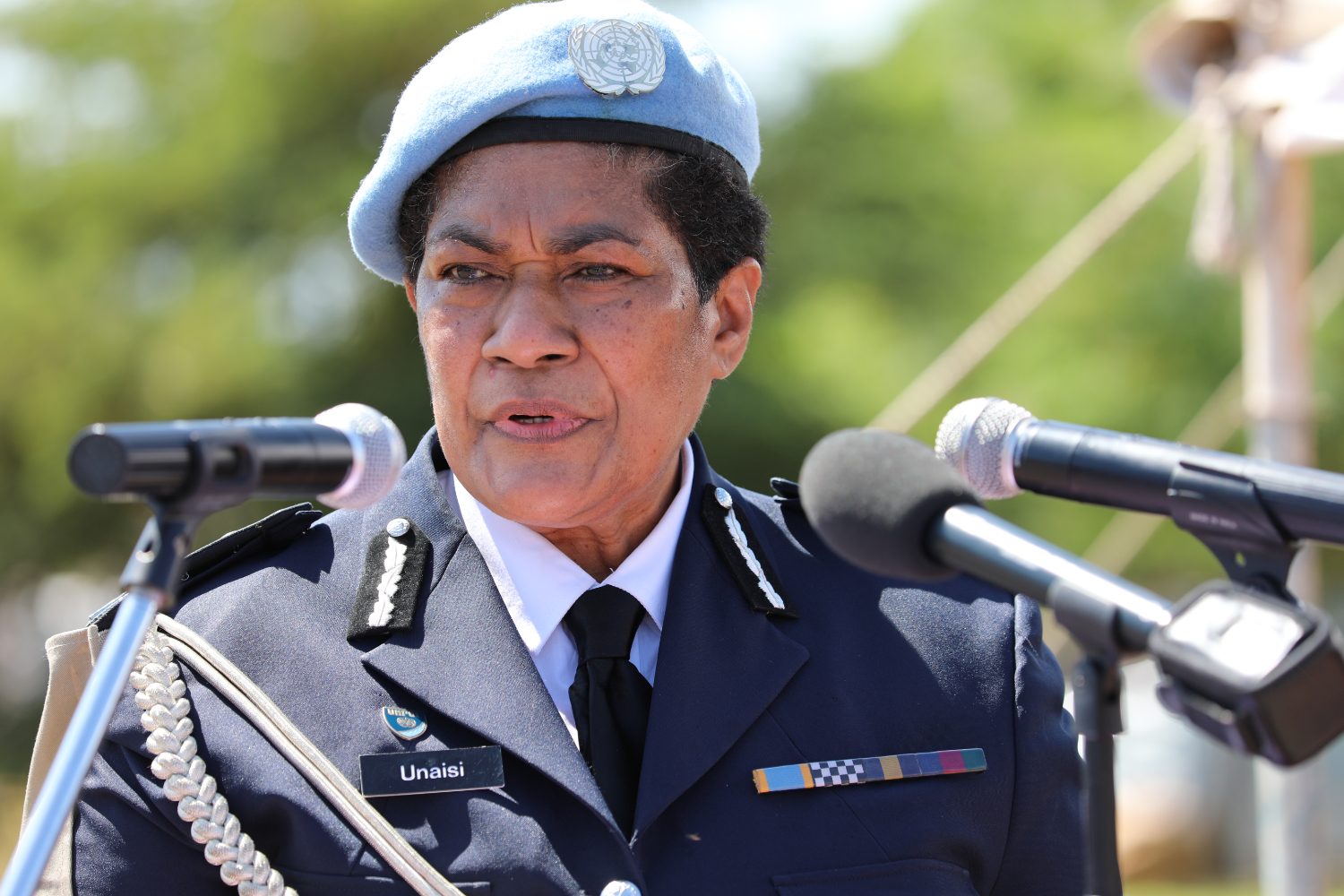
There has been a gradual, though uneven, rise in women’s participation in both uniformed and civilian components of PSOs. Missions such as MONUSCO, ATMIS, now transitioned to AUSSOM, and the UN Mission in South Sudan (UNMISS) have launched targeted recruitment and mentorship initiatives to support women’s advancement. MONUSCO has upgraded accommodation and ablution facilities specifically for female police and military units to ensure appropriate and safe living conditions.15 Similarly, in partnership with the Elsie Initiative Fund, UNMISS is running a pilot project to improve living and sanitation conditions for uniformed women peacekeepers in remote operating bases and during long patrols.16 The goal is to create a more supportive environment that enables women to deploy to all mission locations effectively. The appointment of female officers to serve in command positions at various levels within missions has also served as an important precedent, demonstrating that women can lead large, complex missions effectively. In 2022, the AU appointed Fiona Lortan17 as the Deputy Special Representative of the Chairperson of the Commission (DSRCC) and Deputy Head of the Mission to Somalia, and Police Commissioner Unaisi Bolatolu-Vuniwaqa was the first woman to serve as Police Commissioner of UNMISS,18 leading the Police Component of one of the world’s largest PSOs. These examples have continued to inspire the AU and regional blocs to adopt gender targets for deployments, even if they remain aspirational in some contexts.
Integration of gender perspectives in mandates and operations
There is a growing trend toward embedding gender considerations directly into mission mandates and operational planning. The inclusion of gender-sensitive early-warning indicators, community liaison assistants, and civil-military coordination officers trained on gender issues has improved situational awareness and responsiveness to civilian needs. In missions such as AUSSOM, gender advisers and female peacekeepers have contributed to operational plans that prioritise the protection of women and girls during offensives or troop movements,19 an example of how gender expertise can enhance operational outcomes.
Partnerships with women’s organisations and local communities
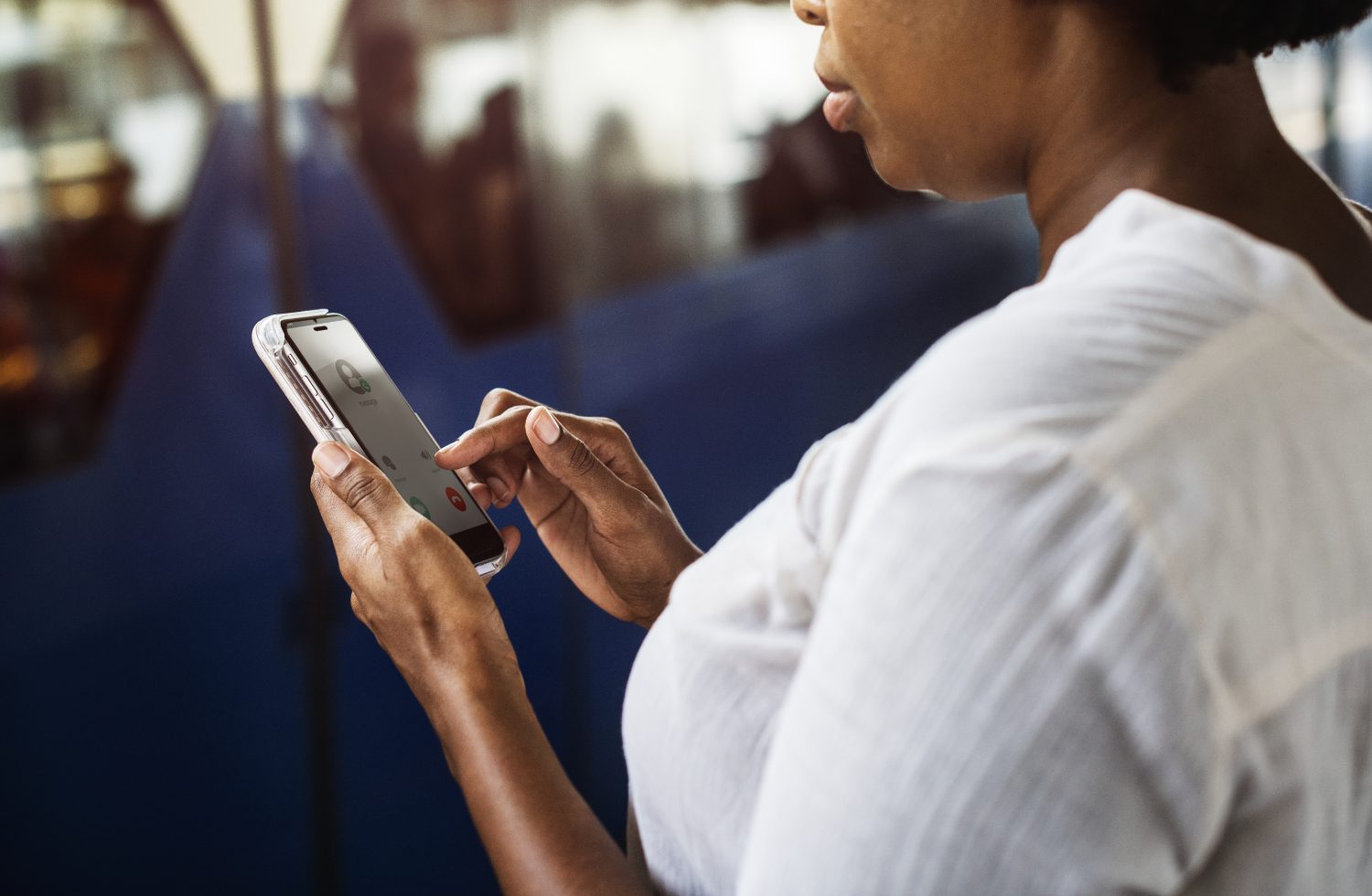
Missions are increasingly recognising the value of partnering with local women’s groups, who often have contextual knowledge, trust and access that international actors lack. Initiatives such as the MONUSCO Community Alert Networks,20 an Early-Warning System mechanism enabling communities, including women and youth in isolated areas, to directly contact MONUSCO forces via mobile phones or high-frequency radios to prevent, mitigate or stop imminent threats to their communities, and the AU’s FemWise-Africa platform, illustrate how women’s participation at the community level can enhance local security and early-warning systems. These partnerships have shifted gender engagement from tokenistic consultation to meaningful collaboration.
Looking ahead: The next 25 years
As the WPS agenda enters the next 25 years, the challenge for African PSOs is to move from normative progress to transformative impact. The past 25 years have shown that inclusion is not just a moral imperative. It strengthens mission effectiveness, builds trust with communities and supports lasting peace. Yet the full promise of UNSCR 1325 will remain unrealised unless gender equality is embedded in the core of peace operations.
From numbers to influence
Efforts must now shift from counting women in missions to assessing how their participation shapes decisions and outcomes. This demands stronger mentorship pipelines, deliberate leadership appointments and gender-responsive promotion systems within UN and AU frameworks, ensuring that representation translates into real authority.
Financing and accountability
Progress will depend on predictable funding for gender units, training and monitoring mechanisms. The CRF provides a useful tool, but it must be backed by resources and political will. Gender financing should be treated as an operational necessity, not an add-on.
From policy to people
The next test lies in ensuring that the WPS agenda delivers tangible change for women and girls in conflict-affected communities. Engagement with local women’s peace networks and civil society actors must be prioritised to anchor gender strategies in lived realities and strengthen local ownership.
Adapting to new security threats
As Africa confronts evolving threats, from violent extremism to climate and cyber insecurity, the WPS agenda must adapt to remain relevant. Integrating gender perspectives into these emerging domains will be key to shaping inclusive, resilient PSOs for the future.
Conclusion
Twenty-five years after the adoption of UNSCR 1325, African PSOs stand at a crossroads. Progress has been made, policy frameworks have expanded, women’s participation has increased, and gender perspectives are more visible in mandates than ever before. However, transformation remains incomplete. The WPS agenda has reshaped discourse but not yet fundamentally altered the structures, hierarchies and power dynamics that define PSOs. Africa’s experience offers both a cautionary tale and a source of inspiration. As the continent that has hosted the largest number and most diverse range of PSOs, Africa has been the testing ground for translating the principles of UNSCR 1325 into operational reality. That position also gives it the potential to lead the next phase, pioneering models of gender-responsive peacekeeping that are contextually grounded, innovative and genuinely inclusive.
The next 25 years must be defined by bold, action-oriented commitments that move beyond rhetoric toward transformation. This requires leadership that measures success not only by participation rates but by women’s influence on outcomes; not only by frameworks adopted but by lives changed. For Africa and the global peacekeeping community alike, the challenge is clear: to ensure that UNSCR 1325 evolves from aspiration to lived reality, transforming PSOs into instruments of equality, justice and sustainable peace.
Rumbidzaishe Mupfiga is a Programme Officer within ACCORD’s Peace Support Operations Unit. She completed a Bachelor of Arts in International Studies majoring in Political Science, French and Sociology, and has a Bachelor of Arts (Honours) in International Relations from the University of KwaZulu-Natal. She is currently pursuing a Master’s degree in International Relations.
Endnotes
1UN Meetings Coverage and Press Releases (2016) ‘Women Too Often Omitted from Peace Processes, Despite Key Role in Preventing Conflict, Forging Peace, Secretary-General Tells Security Council’, Available at: https://press.un.org/en/2016/sc12561.doc.htm [Date accessed: 21 August 2025].
2Office of the Special Adviser on Gender Issues and Advancement of Women (n.d.) ‘Landmark resolution on Women, Peace and Security’, Available at: https://www.un.org/womenwatch/osagi/wps/ [Date accessed: 21 August 2025].
3Klobucista, Claire, & Ferragamo, Mariel (2023) ‘The Role of Peacekeeping in Africa’, Available at https://www.cfr.org/backgrounder/role-peacekeeping-africa [Date accessed: 21 August 2025].
4Tinuke, Fapohunda (2019) ‘Integrating women and gender issues in peace development’, African Journal of Gender and Women Studies, 4(5): 1–9, Available at: https://www.internationalscholarsjournals.com/articles/integrating-women-and-gender-issues-in-peace-development.pdf [Date accessed: 9 October 2025].
5Kofi Annan International Peacekeeping Centre (KAIPTC) (2021) ‘Pilot course on Gender Mainstreaming in African Union (AU) Peace Support Operations (PSO) ends at KAIPTC’, Available at: https://www.kaiptc.org/pilot-course-on-gender-mainstreaming-in-african-union-au-peace-support-operations-pso-ends-at-kaiptc/ [Date accessed: 21 August 2025].
6UN Peacekeeping (2025) ‘Women and Peace in DRC: A Daily Commitment’, Available at: https://peacekeeping.un.org/en/women-and-peace-drc-daily-commitment [Date accessed: 3 November 2025].
7AMISOM (2022) ‘On International Women’s Day, AMISOM celebrates role of female peacekeepers’, Available at: https://amisom-au.org/2022/03/on-international-womens-day-amisom-celebrates-role-of-female-peacekeepers/ [Date accessed: 22 August 2025].
8AU (2022) ‘African Union Commission appoints Ms. Fiona Lortan as the Deputy Special Representative to Somalia’, Available at https://au.int/fr/node/41486 [Date accessed: 3 November 2025].
9UNAMID (n.d.) ‘Gender Advisory Unit’, Available at: https://unamid.unmissions.org/gender-advisory-unit [Date accessed: 3 November 2025].
10Gunduza, Lioba Tendai (2015) An Assessment of the role of uniformed women’s participation in peacekeeping operations in Africa: The case of the United Nations missions in Liberia and Ivory Coast, Master’s dissertation, University of Zimbabwe, Available at: https://docslib.org/doc/9948202/an-assessment-of-the-role-of-uniformed-womens-participation-in-peacekeeping-operations-in-africa [Date accessed: 3 November 2025].
11UN Women (2025) ‘Gender equality in peacekeeping: Why it matters for global security’, Available at: https://www.unwomen.org/en/articles/explainer/gender-equality-in-peacekeeping-why-it-matters-for-global-security [Date accessed: 3 November 2025].
12UN Department of Operational Support (2025) ‘Women in Peacekeeping: Advancing Inclusion Through Infrastructure’, Available at: https://operationalsupport.un.org/en/news/women-peacekeeping-advancing-inclusion-through-infrastructure [Date accessed: 3 November 2025].
13Ghimire, Bishwambhar (2017) ‘Contributions and Challenges: Female Participations in UN Peacekeeping Missions’, International Journal of Humanities and Social Science, 7(3): 207–213, Available at: https://www.researchgate.net/publication/317399611_Contributions_and_Challenges_Female_Participations_in_UN_Peacekeeping_Missions [Date accessed: 3 November 2025].
14ECOWAS (n.d.) ‘ECOWAS Gender Development Center’, Available at: https://ecowasgender.org/ [Date accessed: 4 November 2025].
15UN Department of Operational Support (2025) ‘Women in Peacekeeping’, op. cit.
16UN Peacekeeping (2025) ‘The Elsie Initiative Fund announces new funding to improve conditions for uniformed women peacekeepers in South Sudan’, Available at: https://peacekeeping.un.org/en/elsie-initiative-fund-new-funding-to-improve-conditions-uniformed-women-peacekeepers-south-sudan [Date accessed: 31 October 2025].
17AU (2022) ‘African Union Commission appoints Ms. Fiona Lortan’, op. cit.
18UN Peacekeeping (2021) ‘A peacekeeper and a leader: Unaisi Bolatolu-Vuniwaqa, UNMISS Police Commissioner’, Available at: https://peacekeeping.un.org/en/peacekeeper-and-leader-unaisi-bolatolu-vuniwaqa-unmiss-police-commissioner [Date accessed: 3 November 2025].
19AUSSOM (2025) ‘AUSSOM trains personnel on women, peace and security’, Available at: https://au-ssom.org/aussom-trains-personnel-on-women-peace-and-security/ [Date accessed: 3 November 2025].
20MONUSCO (n.d.) ‘Civil Affairs’, Available at: https://monusco.unmissions.org/en/civil-affairs [Date accessed: 3 November 2025].