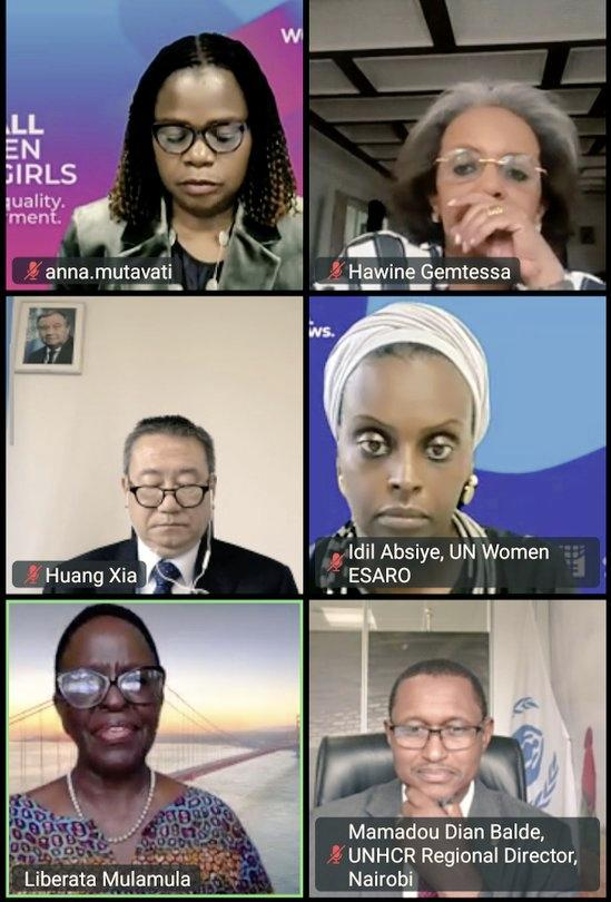
On 2 March 2026, as part of International Women’s Day 2026 commemorations under the theme “Rights, Justice, Action for All Women and Girls”, ACCORD contributed to the Virtual Meeting of the Advisory Board for Women, Peace and Security (WPS) in the Great Lakes Region.
The meeting took place against a backdrop of escalating insecurity in eastern Democratic Republic of the Congo (DRC) and the protracted crisis in Sudan. Women and girls continue to face disproportionate impacts including displacement, economic disruption and heightened protection risks.
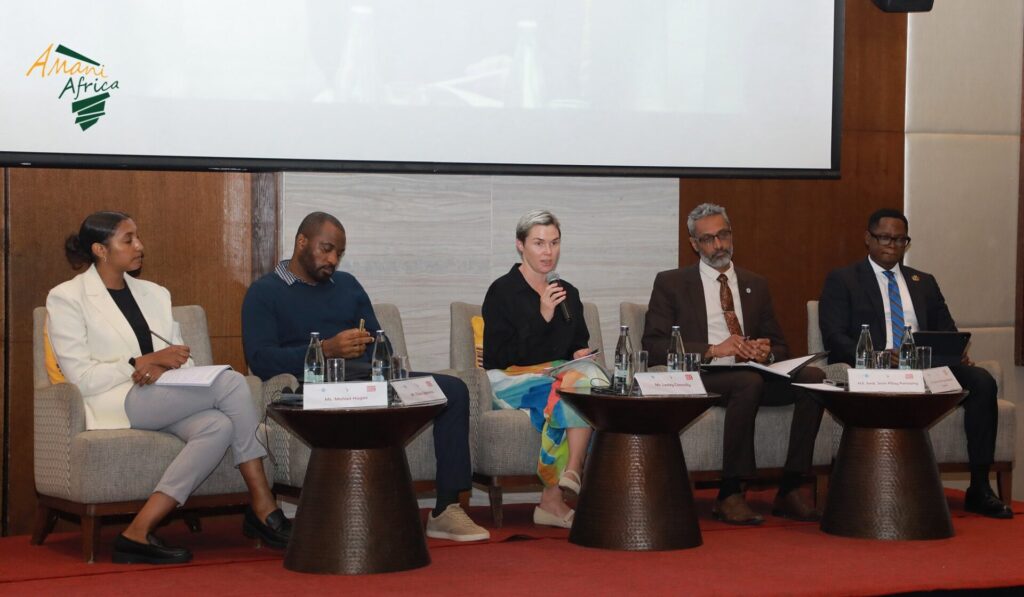
ACCORD, represented by Ms. Pravina Makan-Lakha, Women, Peace and Security (WPS) Advisor, moderated a high-level session focused on emerging and persistent threats to the Women, Peace and Security agenda. Discussions highlighted key challenges, including shrinking resources, increased insecurity, and the gradual erosion of protection ecosystems supporting women peacebuilders.
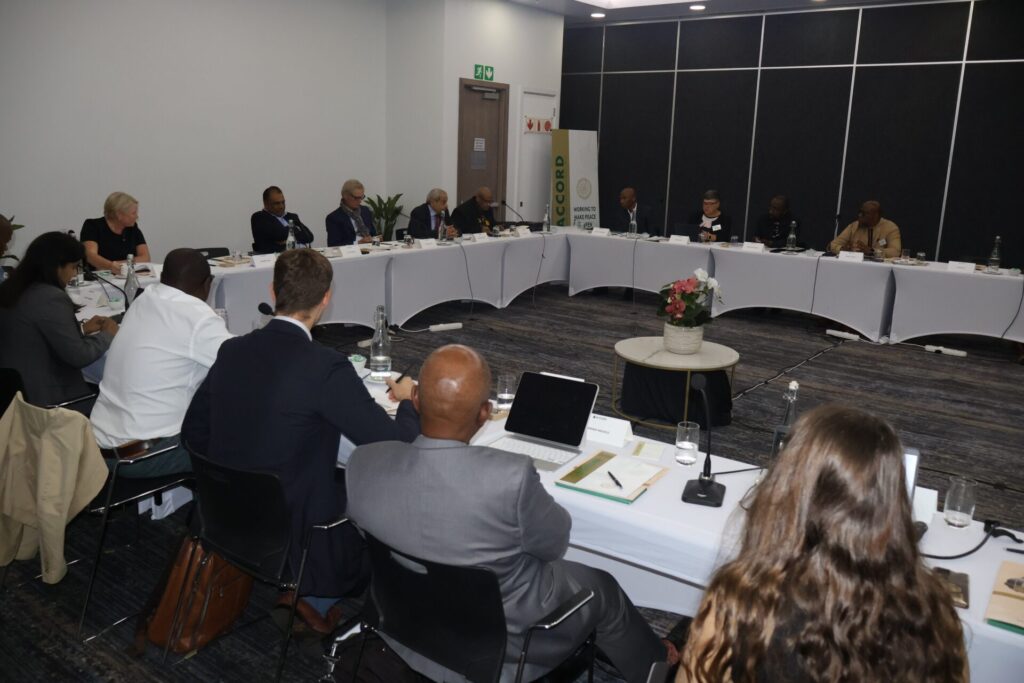
The meeting convened senior regional and international stakeholders, among them H.E. Sahle-Work Zewde, former President of Ethiopia and member of the Panel of Facilitators for the Democratic Republic of the Congo (DRC) peace process; Mr. Huang Xia, United Nations Special Envoy for the Great Lakes Region; and Ambassador Liberata Mulamula, African Union Special Envoy on Women, Peace and Security. Representatives from the International Conference on the Great Lakes Region (ICGLR), MONUSCO, UNHCR, and civil society networks also participated.
Participants underscored that women’s meaningful participation must move beyond symbolic inclusion to structured engagement supported by political backing and financial investment.
During the session, ACCORD showcased the Women’s Peace and Humanitarian Fund (WPHF) Rapid Response Window as a strategic and flexible financing mechanism. The fund was highlighted for its potential to support women mediators and facilitators, enable the rapid convening of women’s networks, strengthen cross-border coordination, and provide targeted policy support aligned with ongoing mediation and peace processes.
The Advisory Board reaffirmed the importance of developing a common resource mobilization strategy to ensure tangible support to inclusive peace processes.
ACCORD remains committed to strengthening regional WPS architecture, advancing gender-responsive mediation, and supporting women peacebuilders to shape outcomes at both grassroots and diplomatic levels.