Issue No: 12/2025

Conflict & Resilience Monitor – 17 Dec 2025

The Conflict and Resilience Monitor offers monthly blog-size commentary and analysis on the latest conflict-related trends in Africa.

Photo Credit: jcomp

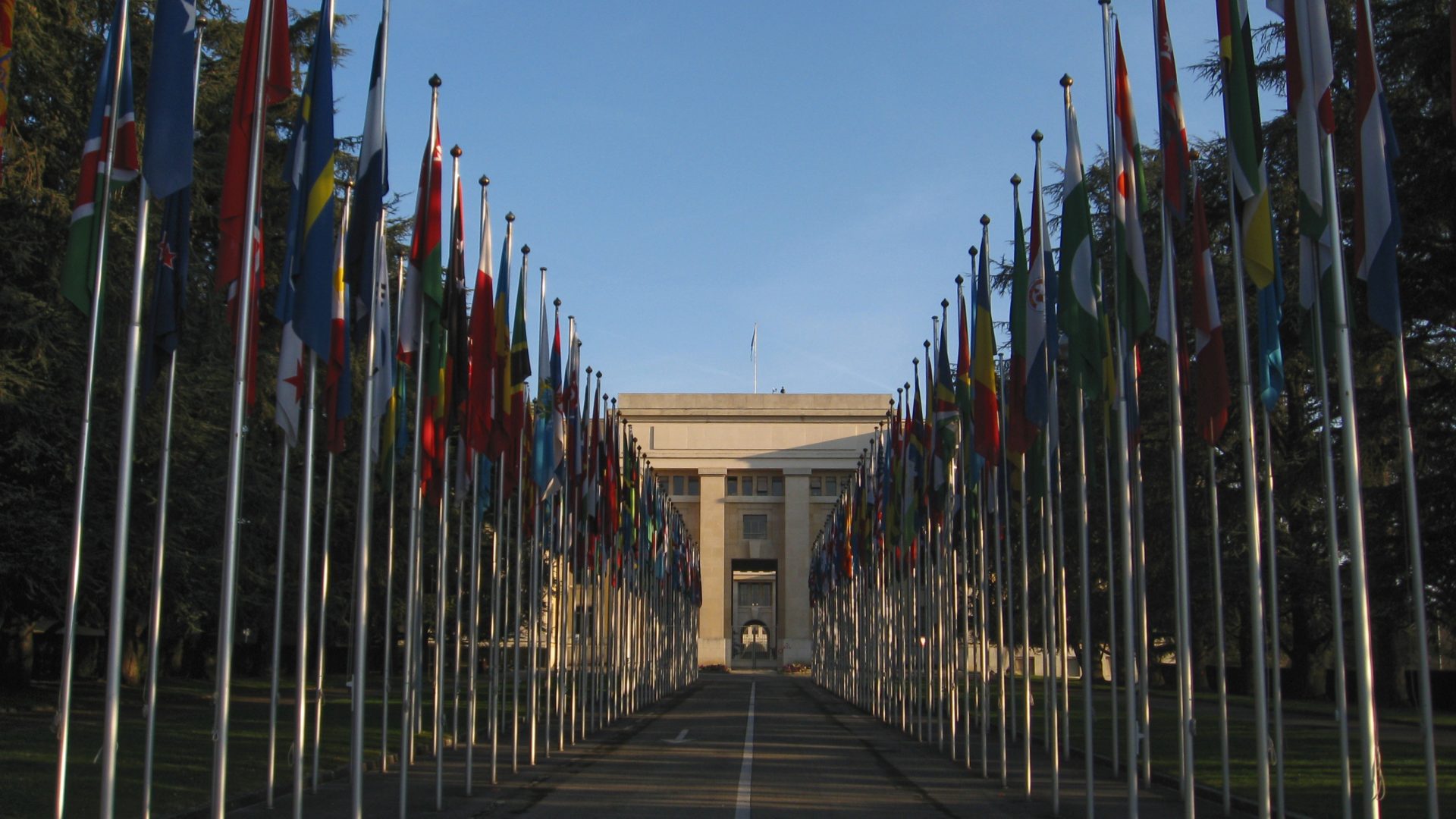
In the final edition of the Monitor for 2025, Cedric de Coning writes about the importance of Africa developing its own geopolitical strategy.  As the world divides itself into spheres of influence, it is important for Africa to develop its own approach and strategy to best represent itself and its interests, especially in light of current global shifts in international relations.

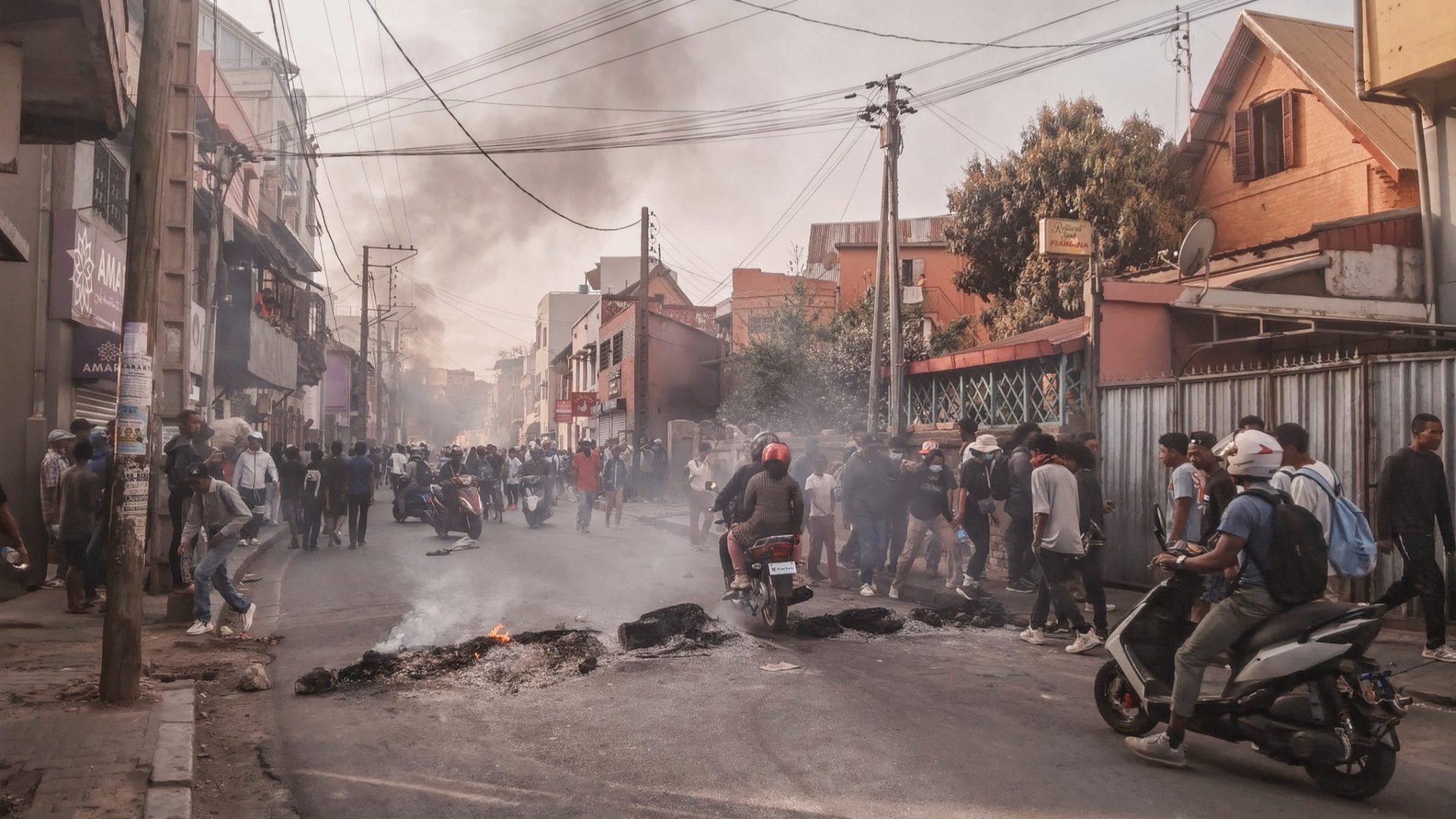
This is followed by an article from Keenan B. Govender who reflects on the recent coup d’état in Madagascar.  His article discusses theories of leadership and the shortcomings of Madagascar’s leaders that led to the recent coup.  Madagascar’s former president, Andry Rajoelina, lost power in the same manner that he gained it, which was through a coup. Rajoelina failed to maintain the legitimacy of his presidency, which ultimately led to history repeating itself.

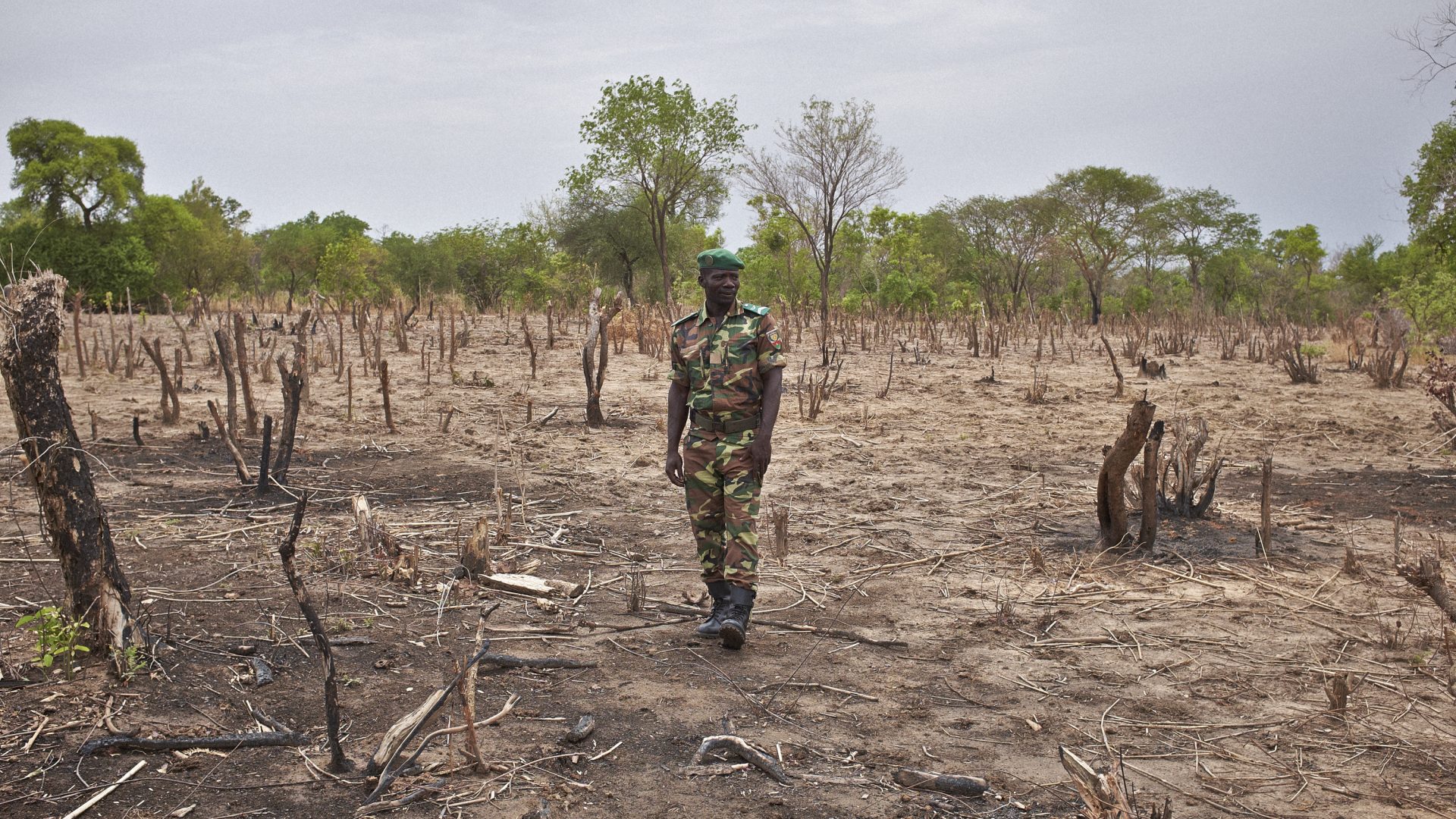
Shaun Kinnes writes about the nexus between climate change and organised crime.  While climate change does not cause organised crime, nor does organised crime cause climate change, the effects of climate change shape the conditions that make societies more vulnerable to organised crime.  

Finally, Katharine Bebington reviews the past year’s most significant peace and security related events in Africa.  Her article covers the elections that took place, the coups d’état, the ongoing conflicts in various parts of the continent and the impact that shifts in geopolitics have had in Africa in 2025. 

Chief Editor: Conflict & Resilience Monitor​
Assistant Editor: Conflict & Resilience Monitor​
Photo: phssthpak Flickr
Leadership

Africa Needs a Geopolitical Strategy and Global Engagement Policy

  • Cedric de Coning

The Trump Administration’s 2025 National Security Strategy (NSS) frames the world in hemispherical blocs. The strategy positions the United States (US) as the master and protector of a new Western hemisphere, which geographically encompass both North and South America. It seeks to deny any rival a foothold within this region and positions the Indio-Pacific as its main arena of strategic competition. Europe is seen as an ally, but one that needs to be influenced to align with US conservative values. The Middle East and Africa are framed as regions that need to be managed transactionally to secure their resources for the Western hemisphere, and to counter the influence of its rivals.

Read More
Photo: Raveloaritiana Mamisoa
Leadership

Madagascar’s Leadership Crisis and the Return of the Unconstitutional

  • Keenan Govender

Madagascar’s currently unfolding political crisis, which has seen President Andry Rajoelina flee the country and the military declare transitional rule under Colonel Michael Randrianirina, is not an aberration. It is the latest episode in a long experiment with authority, leadership legitimacy, and the fragile architecture of democracy. The events of October 2025 mark not only the collapse of an incumbent presidency but also the failure of Madagascar’s post-2009 political compact and transition. In my as yet unpublished Master’s dissertation, Coup Leaders as Emergent Leaders, I anticipated precisely this scenario: when leaders derive their power from an unconstitutional change of government (UCG), they inherit a permanent legitimacy deficit that no election, decree, or international endorsement can ever fully erase.

Read More
Photo: CIF
Environment

The Climate-Crime Nexus: The Intertwining of Climate Change and Organised Crime as a Threat Multiplier

  • Shaun Kinnes

Climate change has proven itself to be one of the most complex and interconnected challenges humanity will have to grapple with in the 21st century. Far-reaching consequences of climate change may entail vast environmental impacts such as increasing temperatures, extreme weather events, rising sea levels and altered ecosystems. In May 2022, the Group of 7 (G7) acknowledged the existence of a vicious cycle connecting the impacts of climate change with increased risks to peace and security.

Read More
Photo: ABGIS
Peace and Security

2025 Year End Review

  • Katharine Bebington

A quarter of the way through the 21st century, Africa continues to face a number of familiar challenges, and at the same time has made strides in entrenching democracy, the rule of law and good governance.  2025 saw a mix of progress and setbacks across Africa, as coups and attempted coups continued to destabilise some countries, while conflicts in Sudan, the Democratic Republic of the Congo (DRC), the Horn of Africa, and the Sahel, alongside broader geopolitical tensions had far-reaching repercussions for the continent. At the same time, there have also been encouraging economic growth and infrastructure investments.  What follows is a recap of some of the most significant developments in African peace and security during 2025.

Read More

Do you have information to share?

Does any of this information look incorrect to you, or do you have anything to share from your experience on the ground in an African country?

If so, please complete our contact form – we would love to hear from you!

TRANSLATE THIS PAGE