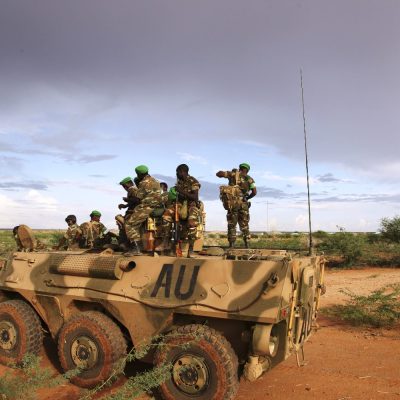
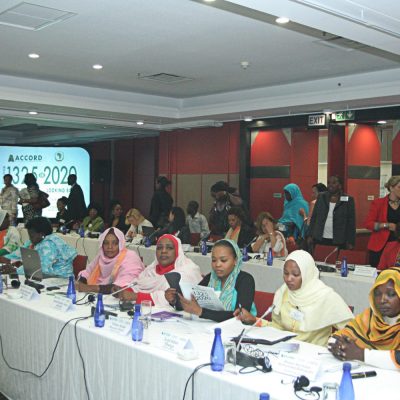
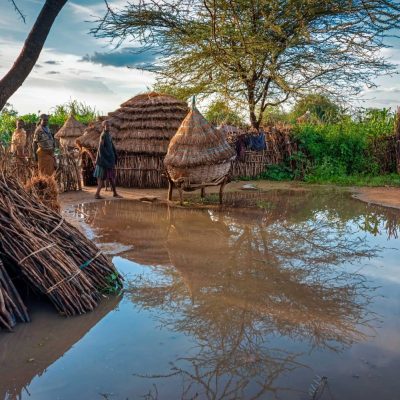
Over the past two decades, the intersection between climate change and security has become an increasingly urgent policy and operational concern for peace operations across Africa. Rising temperatures, shifting rainfall patterns and extreme weather events have disrupted livelihoods and strained governance systems in regions already grappling with fragility and protracted conflict. These dynamics have heightened competition over scarce natural resources, displaced populations and created new fault lines of insecurity that transcend traditional political and ethnic divisions.
Recognising these emerging challenges, both the United Nations (UN) and the African Union (AU) have underscored the importance of addressing climate-related security risks as part of broader peace and security frameworks. The AU’s Continental Climate Change Strategy (2022–2032) and the UN’s Climate Security Mechanism, established in 2018, highlight the growing consensus that peace operations must integrate climate adaptation and environmental resilience into their mandates and practices. Among the countries most affected by this climate-conflict nexus is South Sudan, a country where the combined effects of protracted conflict, political fragility, and environmental degradation have created one of the world’s most complex humanitarian crises.1 In this context, climate change acts as a threat multiplier, compounding food insecurity, displacement and communal violence. For the United Nations Mission in South Sudan (UNMISS),operating in this volatile environment has required navigating not only political and security challenges but also the far-reaching impacts of a changing climate.
This article examines how climate change has affected UNMISS operations, how the mission has adapted to these evolving conditions, and the ways in which local communities have developed resilience through both traditional coping mechanisms and mission-supported initiatives. By focusing on South Sudan, the article sheds light on the broader implications of climate change for peace operations in Africa, and the need for adaptive, climate-sensitive approaches to sustaining peace in the 21st century.
The climate-conflict nexus in South Sudan
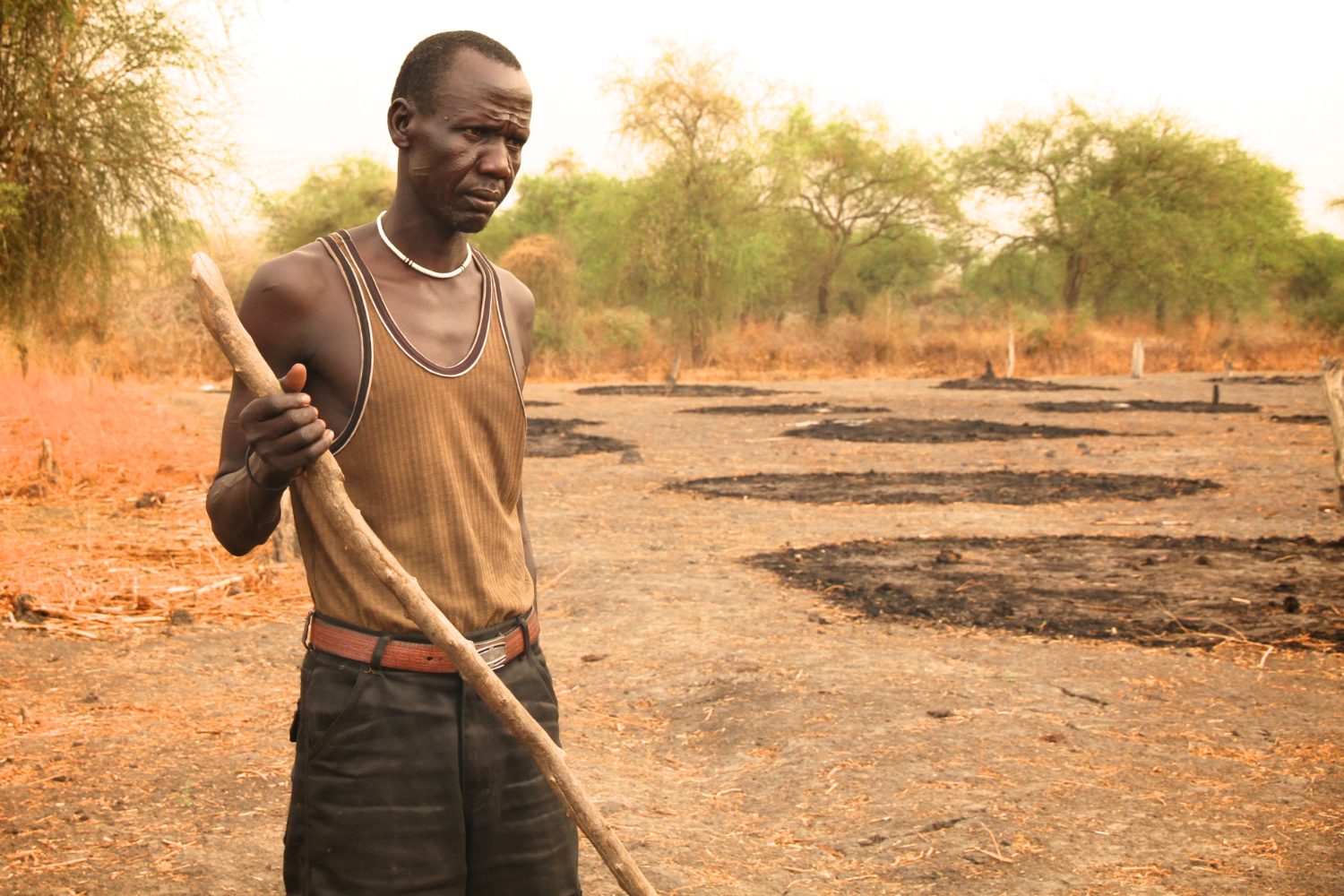
South Sudan’s vulnerability to climate change is among the highest in the world. With nearly 95% of the population dependent on climate-sensitive livelihoods, such as agriculture, pastoralism, and fishing, even minor shifts in temperature and rainfall patterns have profound consequences.2 Over the past decade, the country has experienced increasingly erratic rainfall, recurrent droughts, and devastating floods, particularly in the Jonglei and Unity states.3 These environmental shocks have disrupted planting cycles, destroyed grazing land and displaced communities on a large scale. According to the UN Office for the Coordination of Humanitarian Affairs (OCHA), as of early October 2025, severe flooding in South Sudan had affected over 639 000 people across 26 counties, with Jonglei and Unity states bearing the greatest impact. The floods have displaced nearly 175 000 people, destroyed key infrastructure, and heightened health risks, including malaria, respiratory infections, and malnutrition.4 Many of the same regions have also experienced prolonged dry spells, leaving herders and farmers with fewer options for survival. The resulting competition over water points, pasture and fertile land has deepened long-standing tensions between pastoralist and farming communities, fuelling cycles of intercommunal violence and displacement.
These climate-induced pressures interact with existing fragility and insecurity in complex ways. In a country emerging from civil conflict, environmental degradation and resource scarcity can easily reignite local disputes and undermine national peace processes. As people migrate in search of viable land, traditional conflict resolution mechanisms are strained, and local governance structures, often already weak, struggle to manage disputes. This has been evident in the Greater Upper Nile region, where resource competition and displacement have repeatedly triggered clashes between communities.5 Furthermore, climate shocks have placed additional strain on humanitarian operations and peacebuilding efforts, often stretching the capacities of government institutions and international missions. The destruction of infrastructure such as roads, bridges and airstrips not only impedes humanitarian access but also limits the ability of mission personnel to reach vulnerable populations. In this sense, climate change does not only threaten livelihoods. It also reshapes the operational landscape for peace operations, demanding new forms of flexibility, coordination, and adaptation.
Impact of climate change on UNMISS operations
The growing frequency and intensity of climate-related shocks in South Sudan have had a profound impact on UNMISS, influencing nearly every aspect of its mandate implementation. Established in 2011 to support the newly independent South Sudan, UNMISS operates under one of the most challenging peacekeeping environments in the world, marked by fragile governance, cyclical violence, and widespread humanitarian needs. Climate change has further complicated these dynamics by undermining mobility, infrastructure, and community stability.
Operational constraints
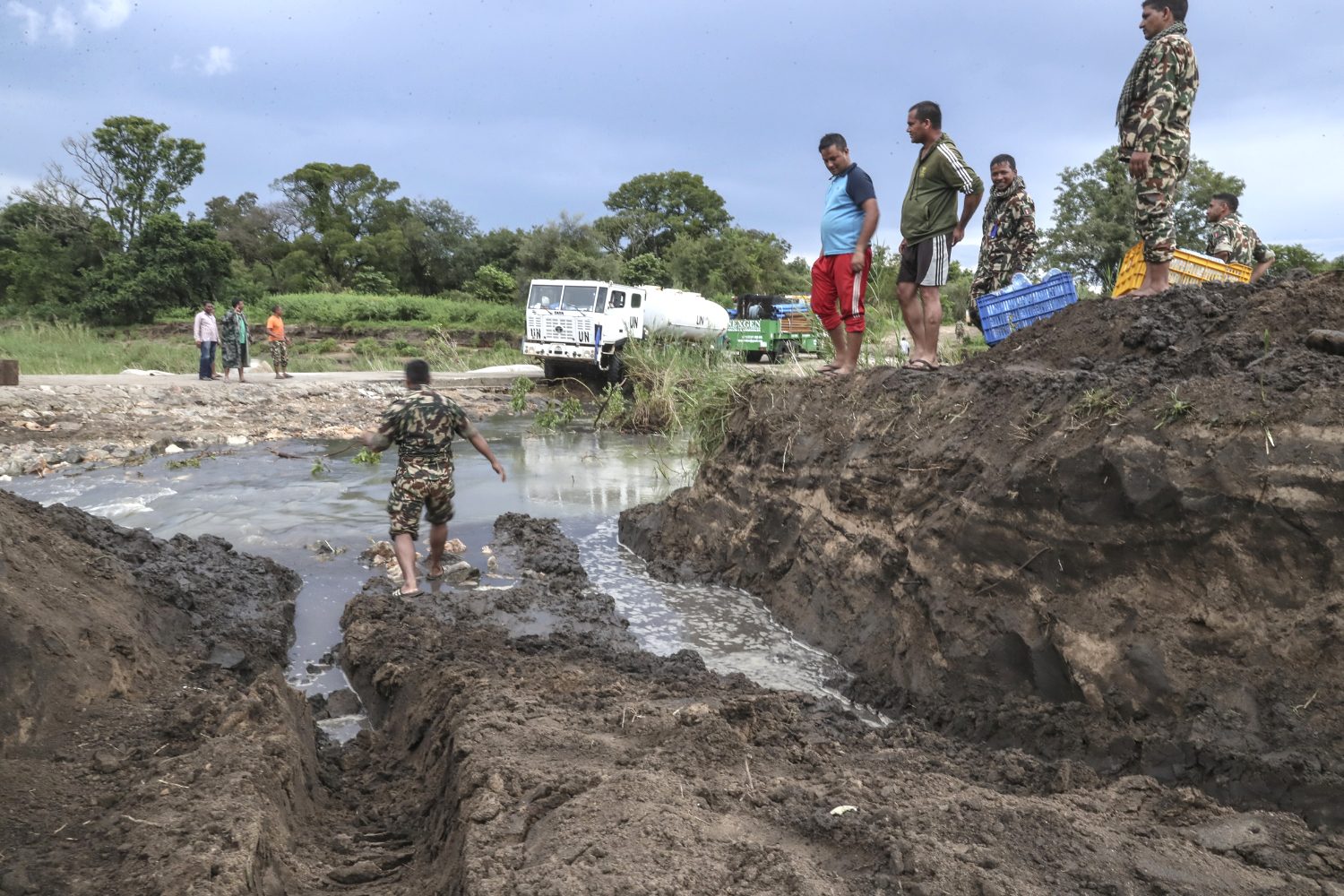
Extreme weather conditions, especially large-scale flooding, render roads impassable and damage critical infrastructure such as bridges and ports, physically preventing UNMISS personnel from deploying to remote or conflict-affected areas and hampering the delivery of humanitarian assistance.
Humanitarian and security interlinkages
The overlap between climate-induced displacement and existing security risks has also complicated UNMISS’s stabilisation efforts. As floods and droughts push families to migrate in search of arable land or water, tensions between host and displaced communities often escalate. This has led to new hotspots of conflict, even in areas previously considered stable. For the mission, this mobility of vulnerability means that peacekeepers must continually reassess their deployment priorities and reallocate resources to emerging areas of tension. Climate change has also blurred the traditional boundaries between humanitarian, development, and security responses.6 UNMISS is frequently called upon to facilitate humanitarian access during natural disasters, protect displaced populations, and coordinate with UN agencies such as the OCHA, Food and Agriculture Organisation (FAO), and UN Development Programme (UNDP) to address immediate needs. These overlapping roles demand a level of agility and cross-sector collaboration that goes beyond conventional peacekeeping frameworks.
Infrastructure and environmental management
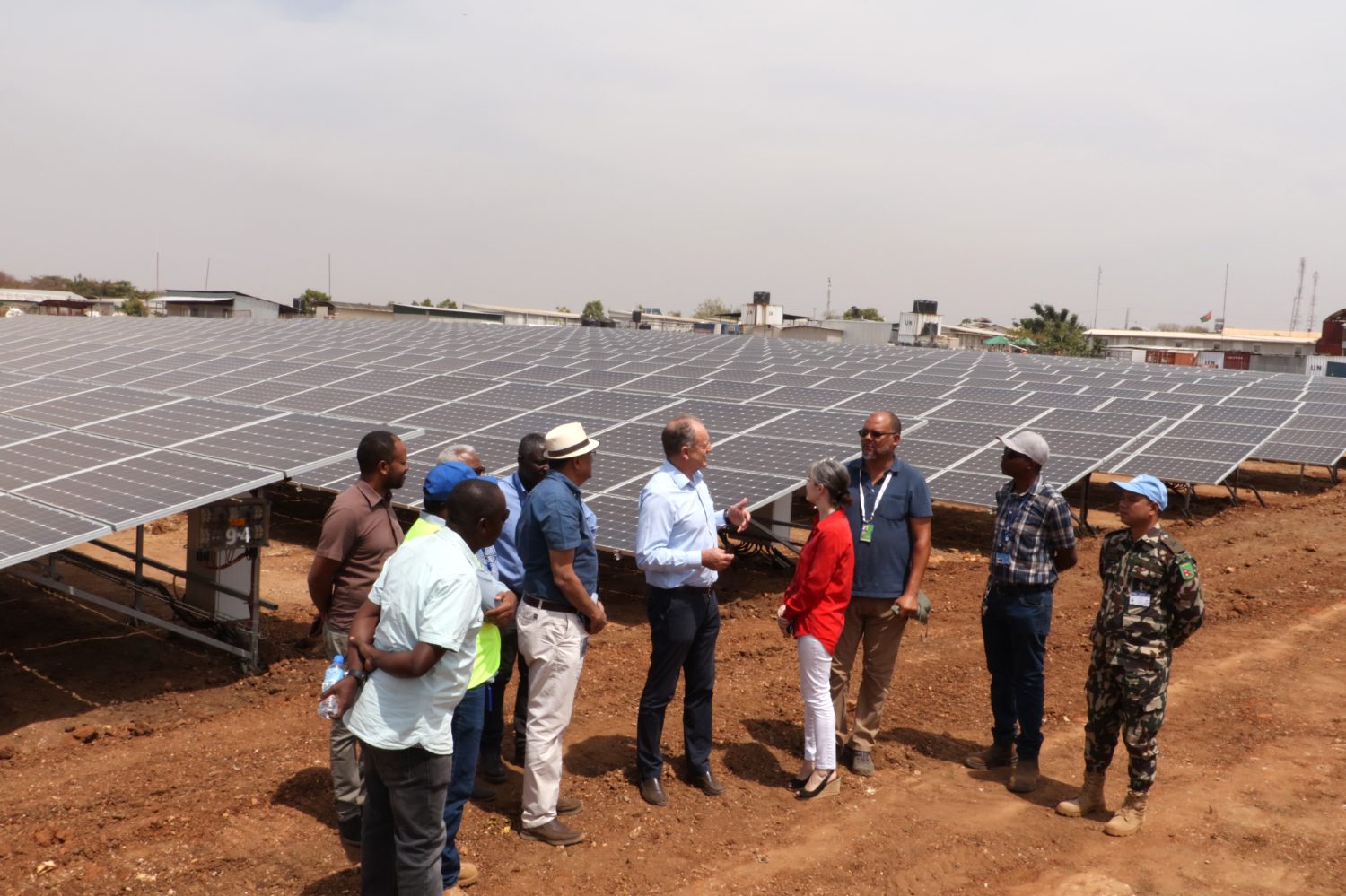
Extreme weather has also exposed the mission’s infrastructural vulnerabilities. Flooding and heavy rains have damaged roads, runways and temporary bridges built by engineering contingents, while high temperatures accelerate wear on mission assets. In response, UNMISS has had to adapt its operational planning, integrating environmental risk assessments into site selection and construction processes. Some bases have been elevated or reinforced to withstand recurrent flooding,7 while the mission has increasingly adopted renewable energy solutions, such as solar power systems, to reduce dependency on diesel fuel and ensure continuity of operations during supply disruptions.8 Overall, climate change has become both a strategic and operational variable for UNMISS, shaping where and how it deploys, the partnerships it forges and the types of interventions it prioritises. The mission’s experience underscores that peace operations in climate-vulnerable settings must evolve beyond reactive crisis response toward more adaptive and climate-informed approaches.
UNMISS response and adaptation measures
Recognising that climate-related risks increasingly shape the conflict dynamics in South Sudan, UNMISS has gradually incorporated climate sensitivity and environmentalsustainability into its peacekeeping and peacebuilding strategies.9 While its core mandate remains centred on the protection of civilians (PoC), support to the peace process and facilitation of humanitarian assistance, the mission has adapted its approaches to address the environmental dimensions of insecurity more systematically.
Operational adaptation and infrastructure resilience
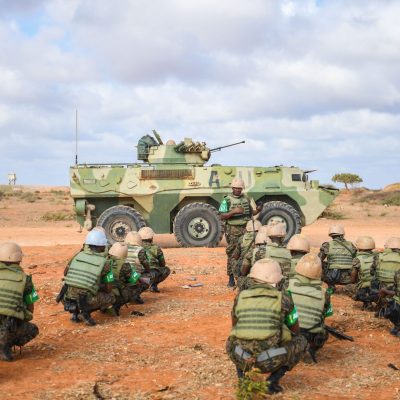
At an operational level, UNMISS has undertaken a series of measures to mitigate the physical and logistical impacts of climate change on its deployments. Engineering contingents have elevated bases in flood-prone areas such as Bentiu and Bor, built raised walkways, and reinforced drainage systems to protect staff, equipment, and local communities during prolonged rainy seasons.10 The mission has also expanded its use of solar energy11 to power field offices, reducing dependence on diesel fuel while enhancing energy security in areas frequently cut off by flooding. In addition, the mission has developed contingency planning frameworks12 to ensure continuity of operations during extreme weather events. These include pre-positioning supplies before the rainy season, providing support to the government by establishing temporary airstrips for emergency access and working closely with humanitarian partners to synchronise response efforts when climate-induced displacement occurs.13
Integrating climate awareness into mandate implementation
UNMISS has increasingly recognised that effective peace support requires understanding how climate variability shapes local tensions. The mission’s Civil Affairs Division (CAD) has integrated environmental and natural resource concerns into its local peace dialogues, particularly in regions where disputes over water and grazing land are recurrent. Through community-based conflict resolution forums, CAD officers facilitate dialogue between pastoralist and farming communities to promote negotiated access to resources during seasonal migrations.14 Similarly, the Joint Mission Analysis Centre (JMAC) and Joint Operations Centre (JOC) have begun incorporating climate-related early warning indicators such as rainfall patterns, displacement movements and livestock migration routes into their situational assessments.15 This helps UNMISS anticipate areas of potential instability and adjust patrols or mediation efforts accordingly.
Partnerships for climate resilience
Recognising the cross-cutting nature of climate risks, UNMISS has strengthened coordination with UN agencies and other partners. The mission collaborates with UNDP, FAO, and UN Environment Programme (UNEP) to promote community resilience initiatives, such as rehabilitating water points, supporting sustainable agriculture and restoring degraded land in conflict-affected areas. These partnerships not only address environmental degradation but also contribute to conflict prevention by reducing competition over scarce resources. Moreover, UNMISS’s Quick Impact Projects (QIPs) increasingly incorporate climate-responsive elements, such as providing solar-powered lighting in displacement camps16, to enhance community safety and sustainability. The mission also works with local authorities to support disaster risk reduction (DRR) planning and early warning systems that link climate data to security risk assessments.
Environmental stewardship within the Mission
In alignment with the UN Department of Peace Operations (DPO) Environment Strategy for Peace Operations, UNMISS has strengthened its internal environmental management systems. Waste reduction, recycling, water conservation and responsible land restoration are now standard components of mission operations. All UNMISS personnel undergo mandatory induction training on environmental standards and compliance and are briefed on a wide range of environmental impacts, including water and wastewater, solid waste management, hazardous materials management and energy efficiency.17 They are also briefed on the principle of ‘doing no harm’ and methods for minimising environmental impact while fulfilling the mission’s mandate. These measures not only minimise the mission’s ecological footprint but also set an example for sustainable practices in host communities, reinforcing the UN’s broader commitment to environmental stewardship. Through these combined efforts, UNMISS has evolved from viewing climate change as an external challenge to treating it as a core operational and peacebuilding concern. The mission’s experience highlights the growing need for peace operations to integrate environmental and climate considerations across planning, implementation and evaluation cycles.
Community adaptation and local resilience
While the effects of climate change in South Sudan are severe, communities across the country have demonstrated remarkable adaptability and resilience. Years of exposure to environmental shocks, coupled with the protracted conflict, have forced people to develop coping strategies that blend traditional knowledge, social networks, and innovative practices. These local adaptations provide critical entry points for peace operations seeking to promote sustainable stability. Rural communities in South Sudan have long relied on seasonal mobility to manage environmental variability. Pastoralist groups such as the Nuer traditionally migrate along established routes to access grazing land and water during dry seasons.18 However, increased climate variability and shifting flood patterns have made these routes unpredictable, often triggering overlapping claims and disputes.
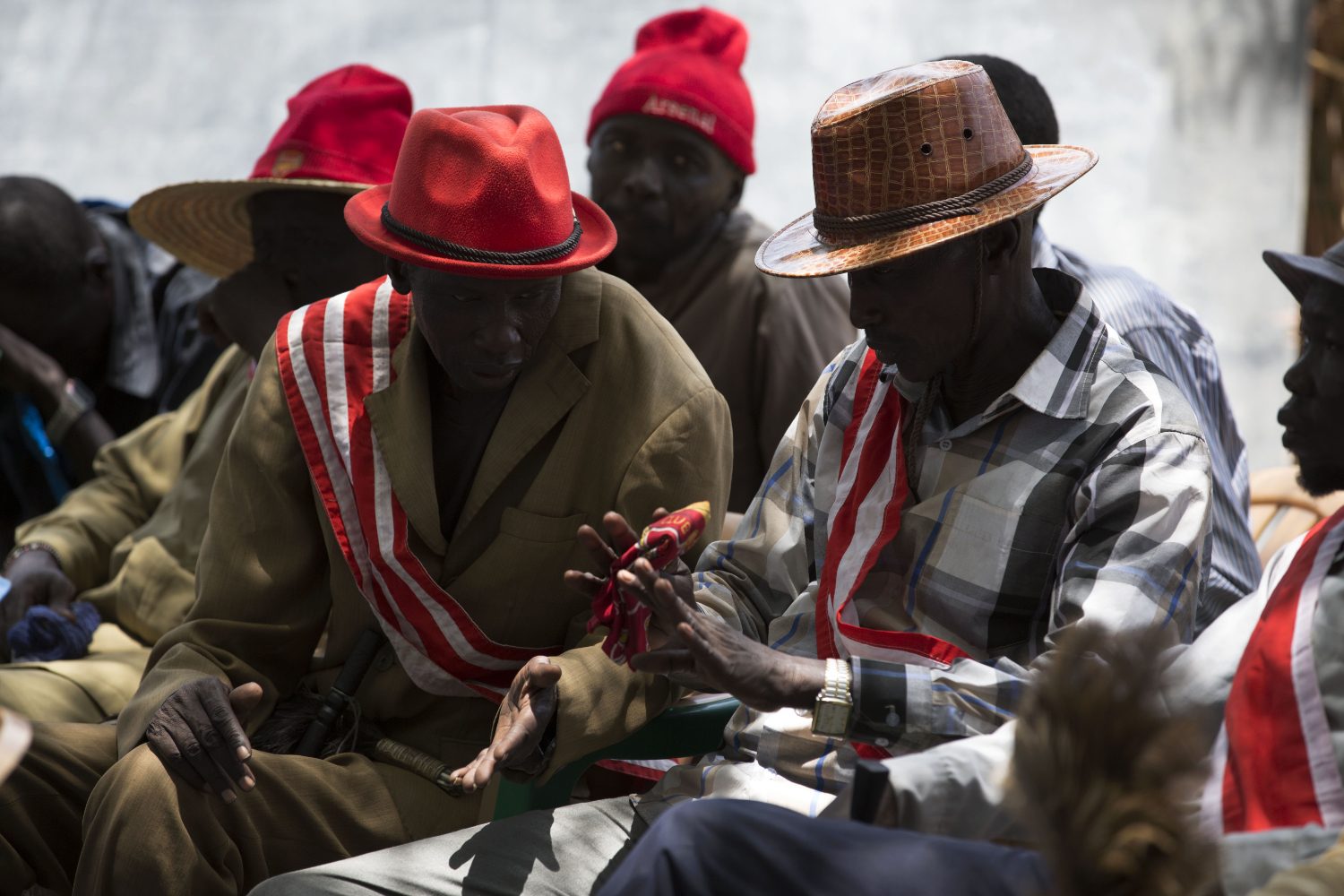
In response, communities have revived customary agreements governing shared resources, with chiefs and elders mediating cross-community arrangements for negotiated grazing rights and shared access to boreholes and rivers.19 These informal mechanisms, though fragile, remain vital in reducing conflict where state authority is limited. Women’s groups have also emerged as key actors through savings cooperatives, farming groups, and peace committees that sustain livelihoods and rebuild trust.20 Their leadership in managing food supplies, supporting displaced families, and facilitating dialogue has been essential to social cohesion. At the same time, communities are adopting innovative practices to adapt to changing environmental conditions. In flood-prone areas like Unity and Jonglei, residents have built raised huts and granaries, planted flood-tolerant crops, and developed floating gardens.21 In drier zones, households have diversified income through fishing, charcoal production, and small-scale trade. Supported by non-governmental organisations (NGOs) and UN agencies, climate-smart agriculture, water harvesting, and livelihood diversification initiatives have strengthened local resilience, illustrating that adaptation is both a survival strategy and a pathway to stability.
UNMISS support for community resilience
UNMISS has played a facilitative role in reinforcing these local resilience efforts through its CAD and Community Liaison Assistants (CLAs). The mission’s outreach teams mediate resource-based disputes and promote cooperation during seasonal migrations. By convening peace dialogues linked to resource management, UNMISS brings together pastoralist and farming communities to negotiate peaceful coexistence amid droughts or floods.22 Working with communities, government, civil society, women’s groups and NGOs, UNMISS also supports community recovery projects that restore livelihoods disrupted by environmental shocks. These include rehabilitating irrigation canals, repairing boreholes, and establishing peace committees that integrate environmental management into their mandates.23 Such initiatives not only address immediate needs but also strengthen the social fabric essential for sustainable peace. By engaging communities as partners rather than recipients, UNMISS and its partners promote locally owned resilience. Their experience demonstrates that addressing climate-related insecurity depends on empowering communities to manage resources, resolve disputes peacefully and lead their own adaptive responses.

Challenges and gaps
Despite growing recognition of the links between climate change and security, significant institutional, operational and policy challenges continue to constrain the integration of climate resilience into peace operations in South Sudan. UNMISS’s experience highlights several persistent gaps that must be addressed to ensure climate-sensitive peacebuilding becomes more systematic and sustainable.
Limited institutional mandates and resources
One of the core challenges is that most peacekeeping mandates, including that of UNMISS, were not originally designed with climate change in mind. The mission’s priorities, including PoC and support to the peace process and humanitarian coordination, leave little explicit space or budget for environmental adaptation or climate resilience programming. UNMISS, like other peacekeeping operations, is affected by an ongoing, UN-wide financial crisis that has forced the implementation of savings measures, such as reducing personnel and downsizing bases.24 While the UN DPO has since encouraged missions to consider environmental risks, translating that guidance into action on the ground becomes difficult. Budgetary constraints further compound this gap. Climate adaptation often requires long-term investments in infrastructure, technology and capacity-building; resources that are typically outside the scope of short-term mission budgets. As a result, much of UNMISS’s climate-related work may end up becoming reactive rather than preventative, relying heavily on partnerships with humanitarian and development actors whose funding cycles and mandates differ from those of the mission.
Coordination and mandate fragmentation
The overlap between humanitarian, development and peacebuilding actors in addressing climate risks often leads to coordination challenges.25 In South Sudan, UNMISS works alongside numerous UN agencies, NGOs and local authorities, each with different priorities, planning horizons and approaches. This fragmentation sometimes results in duplication of effortsor gaps in programming. While the AU and UN acknowledge climate change as a security concern, operationalisation within peace operations is ongoing but still evolving. Both organisations are working to translate high-level recognition into concrete, practical measures through a combination of policy development, risk assessments and specific field-level initiatives. The absence of an integrated policy framework linking peacekeeping mandates to climate adaptation strategies weakens long-term impact.
Community-level limitations
At the community level, adaptation is constrained by poverty, displacement, and weak governance structures. Many households lack the resources to invest in sustainable farming or flood-resistant infrastructure,26 while the absence of functioning local institutions undermines the enforcement of resource-sharing agreements. Climate shocks can also reverse peacebuilding gains, destroying infrastructure, displacing trained mediators, and eroding trust among previously reconciled groups. Furthermore, while local resilience initiatives have shown promise, they are often short-term or project-based and dependent on external funding. Without consistent national policy support or integration into local governance systems, such efforts risk fading once international partners withdraw.
Risk of securitising climate change
A broader conceptual challenge lies in the securitisation of climate change, framing it primarily as a driver of conflict rather than a development and governance issue. While security-oriented interventions are necessary in crisis contexts, over-securitisation can overshadow the underlying socioeconomic and environmental drivers of vulnerability. For missions like UNMISS, balancing security mandates with development-oriented adaptation requires careful coordination to avoid treating climate change solely as a threat to stability, rather than as a shared opportunity for sustainable peace.
Conclusion
The experience of UNMISS in South Sudan illustrates how climate change has become a defining factor in Africa’s peace and security landscape. Far from being a distant environmental concern, the changing climate is reshaping the very terrain on which peace operations are deployed, affecting mobility, protection mandates, and community relations. For UNMISS, adapting to this reality is no longer optional but essential to sustaining peace and protecting lives in climate-vulnerable contexts. The mission’s evolving approach, from strengthening infrastructure resilience and integrating environmental risk assessments to supporting local adaptation and resilience-building, shows that peace operations can play a meaningful role in mitigating climate-related insecurity. However, this also requires moving beyond ad hoc adjustments toward institutionalised climate sensitivity across all stages of mission planning and implementation.
Several policy lessons emerge from South Sudan’s experience. Climate risk must be integrated into mandate design and strategic planning, ensuring missions are empowered to respond proactively rather than reactively. Strengthening data collection and early warning systems is vital to anticipate emerging threats and coordinate timely action. Enhanced collaboration between peace, humanitarian and development actors can bridge institutional silos and align short-term security priorities with long-term adaptation goals. At the same time, empowering local communities, especially through partnerships with traditional leaders, women’s groups and grassroots organisations, ensures that resilience efforts are legitimate and locally owned. Finally, institutionalising environmental stewardship within missions through renewable energy, responsible waste management, and eco-friendly infrastructure reinforces operational sustainability and sets a positive example for host governments.
As Africa continues to experience the compounded pressures of climate change and insecurity, peace operations must evolve into agents of resilience, bridging humanitarian response, conflict prevention, and sustainable development. The case of UNMISS shows that while the challenges are immense, integrating climate adaptation into peacekeeping is both possible and necessary. Ultimately, navigating the climate–conflict nexus demands a shift from crisis response to proactive resilience-building, a transformation that can turn peace operations into platforms for climate-aware, community-centred stability in an era of global environmental change.
Rumbidzaishe Mupfiga is a Programme Officer within ACCORD’s Peace Support Operations Unit. She completed a Bachelor of Arts in International Studies majoring in Political Science, French and Sociology, and has a Bachelor of Arts (Honours) in International Relations from the University of KwaZulu-Natal. She is currently pursuing a Master’s degree in International Relations.
Endnotes
1OCHA (2025) ‘World Humanitarian Day 2025: South Sudan is one of the most dangerous countries for humanitarian workers’, Available at: https://www.unocha.org/publications/report/south-sudan/world-humanitarian-day-2025-south-sudan-one-most-dangerous-countries-humanitarian-workers [Date accessed: 4 November 2025].
2De Coning, C. and Krampe, F. (Eds) (2021) ‘Climate, Peace and Security Fact Sheet: South Sudan’, NUPI, Available at: https://www.nupi.no/en/news/climate-peace-and-security-fact-sheet-south-sudan [Date accessed: 6 November 2025].
3OHCA (2025) ‘South Sudan: Floods Snapshot (As of 2 October 2025)’, Available at: https://www.unocha.org/publications/report/south-sudan/south-sudan-floods-snapshot-2-october-2025 [Date accessed: 6 November 2025].
4Ibid.
5REACH (2024) ‘We survive through the water: Shifting livelihood coping strategies in Greater Upper Nile’, Available at: https://reliefweb.int/report/south-sudan/south-sudan-we-survive-through-water-shifting-livelihood-coping-strategies-greater-upper-nile-june-2024 [Date accessed: 6 November 2025].
6Centre for Civilians in Conflict (2024) ‘To stem the tide: Climate change, UNMISS , and Protection of Civilians’, Available at: https://civiliansinconflict.org/wp-content/uploads/2024/08/Climate-Change-UNMISS-and-POC-EN-final-web.pdf [Date accessed: 9 November 2025].
7UNMISS (2022) ‘UNMISS and humanitarian partners battling floods in Bentiu, South Sudan, to protect IDPs’, Available at: https://unmiss.unmissions.org/sites/default/files/unmiss_and_humanitarian_partners_battling_floods_in_bentiu_to_protect_idps.pdf [Date accessed: 9 November 2025].
8Chen, E.; McCrone, F.; and Mozersky, D. (2023), ‘Renewable Energy and the United Nations: A green spark for peace in South Sudan’, Stimson Center, Available at: https://www.stimson.org/wp-content/uploads/2023/02/Stimson_RenewableEnergy_Final.pdf [Date accessed: 9 November 2025].
9 Rabie, S. and Taiwo, I. (2025) ‘Integrating Climate Security into the Future of UN Peacekeeping in Africa’, Consultative Group on International Agricultural Research, Available at: https://www.cgiar.org/news-events/news/integrating-climate-security-into-the-future-of-un-peacekeeping-in-africa [Date accessed: 7 November 2025].
10UN Peacekeeping (2021) ‘UNMISS engineers rapidly respond after fresh flooding destroys homes and cuts access to Bentiu airport and town’, Available at: https://peacekeeping.un.org/en/unmiss-engineers-rapidly-respond-after-fresh-flooding-destroys-homes-and-cuts-access-to-bentiu [Date accessed: 7 November 2025].
11Scatec (2020) ‘Scatec Solar completes first solar hybrid project for UNMISS in South Sudan’, Available at: https://scatec.com/2020/03/04/scatec-solar-completes-first-solar-hybrid-project-for-unmiss-in-south-sudan/ [Date accessed: 7 November 2025].
12UNMISS (2025) ‘Upholding peacekeeping in a climate storm’, Available at: https://www.un.org/climatesecuritymechanism/en/media/312 [Date accessed: 7 November 2025].
13UN Peacekeeping (2024) ‘UNMISS and Jonglei government work on preventive measures following flood alerts’, Available at: https://peacekeeping.un.org/en/unmiss-and-jonglei-government-work-preventive-measures-following-flood-alerts [Date accessed: 7 November 2025].
14UNDPPA (2020) ‘UN support to local mediation: Challenges and opportunities’, UN Department of Political and Peacebuilding Affairs, Available at: https://peacemaker.un.org/sites/default/files/document/files/2022/08/un-support-local-mediationchallenges-and-opportunities0.pdf [Date accessed: 9 November 2025].
15Centre for Civilians in Conflict (2024) ‘To stem the tide’, op. cite
16UN Peacekeeping (2024) ‘UNMISS hands over a solar powered water facility to Northern Bahr el Ghazal government’, Available at: https://peacekeeping.un.org/en/unmiss-hands-over-solar-powered-water-facility-to-northern-bahr-el-ghazal-government [Date accessed: 9 November 2025].
17UN Greening the Blue (2024) ‘Good Practices on Environmental Sustainability in the United Nations System’, Available at: https://greeningtheblue.org/sites/default/files/good-practices-2023-2024.pdf [Date accessed: 9 November 2025].
18Idris, I. (2018) ‘Livestock and conflict in South Sudan’, K4D Helpdesk report, Available at: https://assets.publishing.service.gov.uk/media/5c6abdec40f0b61a22792fd5/484__Livestock_and_Conflict_in_South_Sudan.pdf [Date accessed: 7 November 2025].
19Mennen, T. (2018) ‘Customary law and land rights in South Sudan’, Norwegian Refugee Council, Available at: https://docs.southsudanngoforum.org/sites/default/files/2016-10/9195246_0.pdf [Date accessed: 7 November 2025].
20UN Women (2024) ‘South Sudan: Women Weathering Climate Impact and Increased Violence’, Available at: https://untf.unwomen.org/en/stories/news/2024/11/south-sudan-women-weathering-climate-impact-and-increased-violence [Date accessed: 7 November 2025].
21Danish Refugee Council (2024) ‘Floating Gardens: Flood adaptive Agriculture in Unity State’, Available at: https://drc.ngo/media/qk4pqiuw/floating-gardens-flood-adaptive-agriculture-in-unity-state-2.pdf [Date accessed: 7 November 2025].
22Wondi, M. (2022) ‘As cattle migration season approaches, farmers and herders from neighbouring states meet at joint UNMISS, UNDP forum’, UNMISS, Available at: https://unmiss.unmissions.org/cattle-migration-season-approaches-farmers-and-herders-neighbouring-states-meet-joint-unmiss-undp [Date accessed: 7 November 2025]
23Omwanda, M. (2024) ‘Strengthening the capacity of government and communities in South Sudan for a climate-resilient future’, UNDP in South Sudan, Available at: https://www.adaptation-undp.org/strengthening-capacity-government-and-communities-south-sudan-climate-resilient-future [Date accessed: 7 November 2025].
24UNMISS (2025) Facebook post, 28 October, Available at: https://www.facebook.com/UnitedNationsMissionInSouthSudan/posts/due-to-the-ongoing-un-wide-financial-crisis-peacekeeping-operations-including-un/1239684458198797/ [Date accessed: 10 November 2025].
25Quack, M. & Südhof, R. (2020) ‘The triple nexus in South Sudan: Learning from local opportunities’, Centre for Humanitarian Action, Available at: https://www.chaberlin.org/wp-content/uploads/2020/10/2020-10-triple-nexus-south-sudan-case-study-suedhoff-quack-1.pdf [Date accessed: 7 November 2025].
26International Fund for Agriculture Development (2024) ‘South Sudan Sustainable Agricultural Development Project: Project Design Report’, Available at: https://webapps.ifad.org/members/eb-seminars/2024-09-11-12-EB-consultation/docs/EB-2024-142-R-7-Project-Desing-Report.pdf [Date accessed: 9 November 2025].