For nearly eight decades, United Nations (UN) peace operations have evolved through successes, failures, and valuable lessons. They are often praised for stabilising fragile states but criticised for not preventing atrocities or addressing the root causes of conflict. In the face of a rapidly shifting geopolitical environment – marked by hybrid threats and changing alliances – these missions must adapt to stay relevant. Africa, once mainly a recipient of UN peacekeeping, now plays a leading role in designing and conducting its own Peace Support Operations (PSOs), reflecting growing political agency and regional ownership. This shift coincides with a changing global order, the rise of multi-polarity, and emerging threats such as terrorism, organised crime, climate insecurity, and unconstitutional changes of government. Consequently, peace operations require new, adaptive, and locally anchored models.
This article analyses the evolution of peace operations from an African perspective, highlighting how the continent can leverage its agency, reform institutions, and strengthen partnerships to make peace operations more effective, sustainable, and legitimate.
The trajectory of earlier peace operations
The evolution of peace operations from 1948 to 2002 mirrors the maturation of international conflict management and the steady rise of African agency in global peace and security. The early peacekeeping model, defined by the UN Truce Supervision Organisation (UNTSO) in 1948,1 prioritised neutrality, consent and non-use of force. Africa’s engagement started with the UN Operation in the Congo (ONUC) (1960–1964),2 which highlighted both the promise and perils of intervention during decolonisation. By the post-Cold War era, peace operations had expanded into multidimensional missions that sought to address governance, elections, and human rights, recognising that sustainable peace demanded tackling root causes. However, the UN’s failures in Somalia, Srebrenica, and Rwanda exposed critical weaknesses in mandate clarity, resources, and political will. These instances were demonstrations that peacekeeping had reached a critical juncture, prompting a review of UN peace operations culminating in what became popularly known as the Brahimi Report.3 Within this context, the Brahimi Report called for robust, well-resourced missions with integrated political strategies, acknowledging that effective peacekeeping required credible force and coherence.
The Rwandan genocide, in particular, became a watershed moment that spurred African leaders to assume greater responsibility for the continent’s peace and security agenda, paving the way for more assertive regional and continental mechanisms. This vision resonated deeply in Africa, where persistent instability and fragile institutions demanded adaptable and proactive responses. The transformation of the Organisation of African Unity (OAU) into the African Union (AU) in 2002 symbolised a historic paradigm shift from non-interference to non-indifference, embedding a moral imperative to act against mass atrocities. With the creation of the Peace and Security Council (PSC) and the African Peace and Security Architecture (APSA), including the African Standby Force (ASF), Africa established the institutional capacity to anticipate, prevent, and respond to conflicts, affirming its determination to shape peace operations grounded in African realities and priorities.4 The early 2000s thus marked a decisive transformation in both global and African approaches to peace operations.
Evolution of African PSOs
From 2003 to 2015, AU PSOs evolved as tangible expressions of the continent’s resolve to manage its own security challenges through adaptive, context-specific mechanisms.
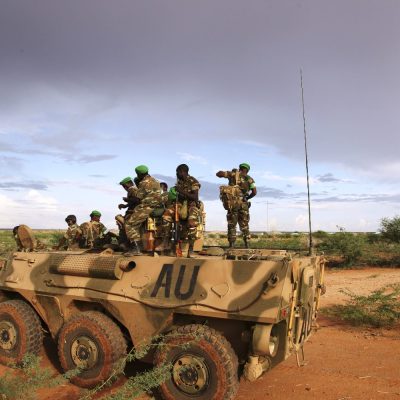
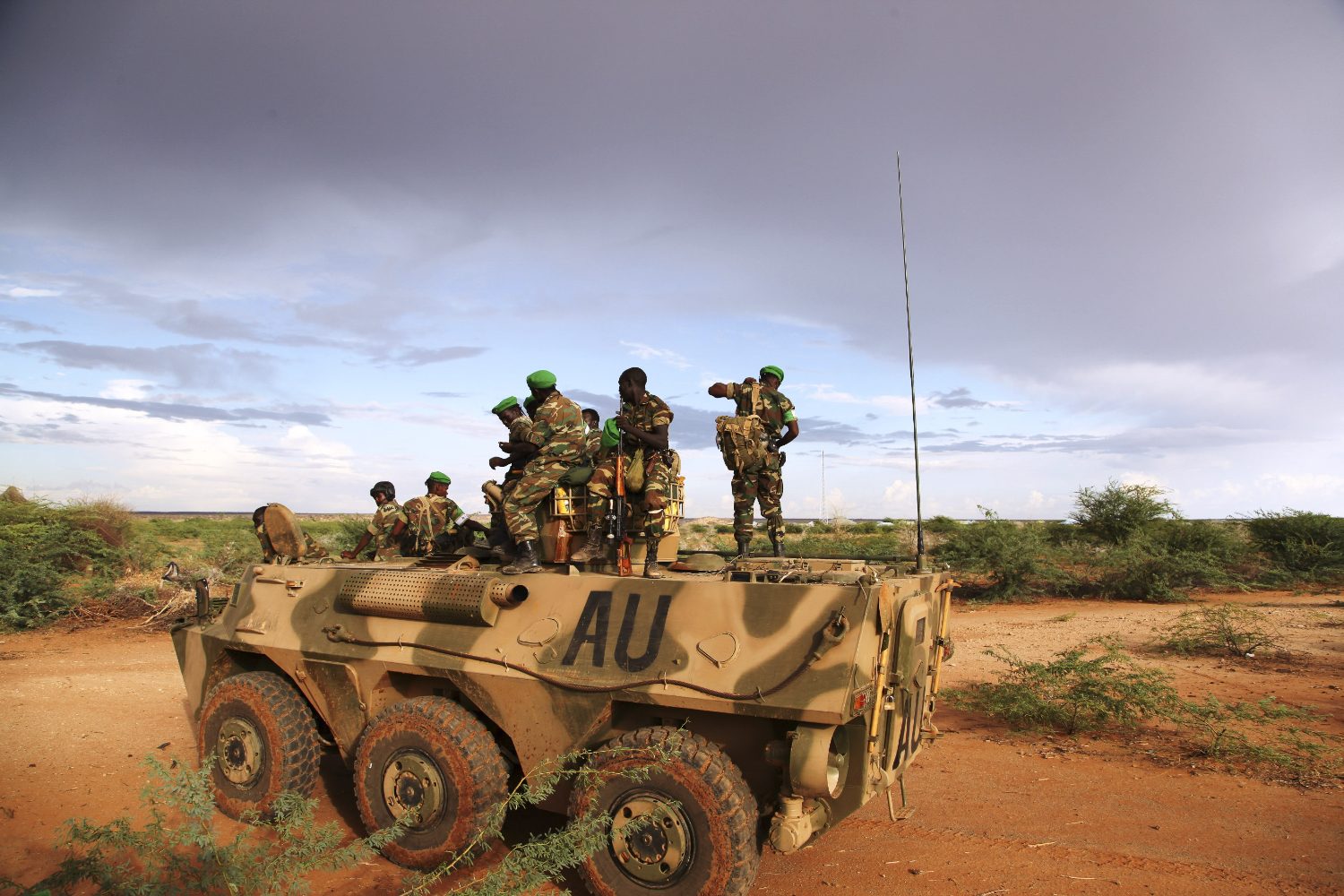
AU-led PSOs: Building on previous experiences, including the AU Mission in Burundi (AMIB – 2003) and Sudan (AMIS I&II – 2004), which transitioned into the UN mission and AU-UN Hybrid operation respectively, the AU Mission in Somalia (AMISOM), launched in 2007, became a landmark in this evolution. It demonstrated the AU’s capacity to conduct large-scale, multidimensional operations in hostile environments. Its mandate to combat Al-Shabaab and support Somalia’s political transition signified a shift from traditional peacekeeping to robust peace enforcement operations, showing Africa’s willingness to act where the UN could not. However, AMISOM’s reliance on external funding and logistics support revealed systemic constraints, emphasising the need for sustainable financing, coherent exit strategies, and improved civil–military coordination to ensure that peace operations foster enduring stability and state-building.

Coalitions of the willing: Alongside AU-led missions, coalitions of the willing, including the Multi-National Joint Task Force (MNJTF) against Boko Haram (2015), the Regional Cooperation Initiative for the Elimination of the Lord’s Resistance Army (2011), and the Group of Five (G5) Sahel Joint Force (2017) emerged as agile, state-driven responses to transnational threats, reflecting pragmatic regional security cooperation. While their flexibility and ownership enhanced responsiveness, their ad hoc characteristics exposed the need for institutionalisation of context-specific accountability, coordination, and human rights compliance systems and processes for such efforts, underscoring the need for closer alignment with AU and UN frameworks.
RECs/RMs-led operations: Concurrently, operations led by regional economic communities/regional mechanisms (RECs/RMs) illustrated the advantages of regional legitimacy and proximity in conflict response, but also highlighted the risks of institutional overlap and fragmentation. Building on its experiences in the 1990s and from the Economic Community of West African States (ECOWAS)5 interventions in Liberia (2003), alongside the Economic Community of Central African States (ECCAS)6 Mission in the Central Africa Republic (2003), to the Southern African Development Community (SADC)7 missions in Lesotho (2017) and the East Africa Community Regional Force in the Democratic Republic of Congo (2022), among others, RECs/RMs continue to contribute considerably to stability within their sub-regions. These cumulative experiences informed the operationalisation of the ASF in 2016, representing a significant step toward harmonising Africa’s diverse peace support instruments under the APSA.
Evolution of peace operation frameworks
Since 2015, global and African peace operations have undergone significant reform to adapt to evolving and complex security landscapes, prioritising politics, partnership, and performance. The 2015 High-Level Independent Panel on Peace Operations (HIPPO)8 reaffirmed the primacy of politics – emphasising that sustainable peace depends on inclusive political solutions rather than military action alone. Building on HIPPO’s recommendations, the Action for Peacekeeping (A4P) initiative (2018)9 sought to renew collective commitment among the UN, member states, and regional organisations through improved accountability, protection of civilians, and gender mainstreaming. Its successor, A4P+ (2021),10 introduced measurable performance indicators and expanded priorities to include environmental responsibility and peacekeeper safety.
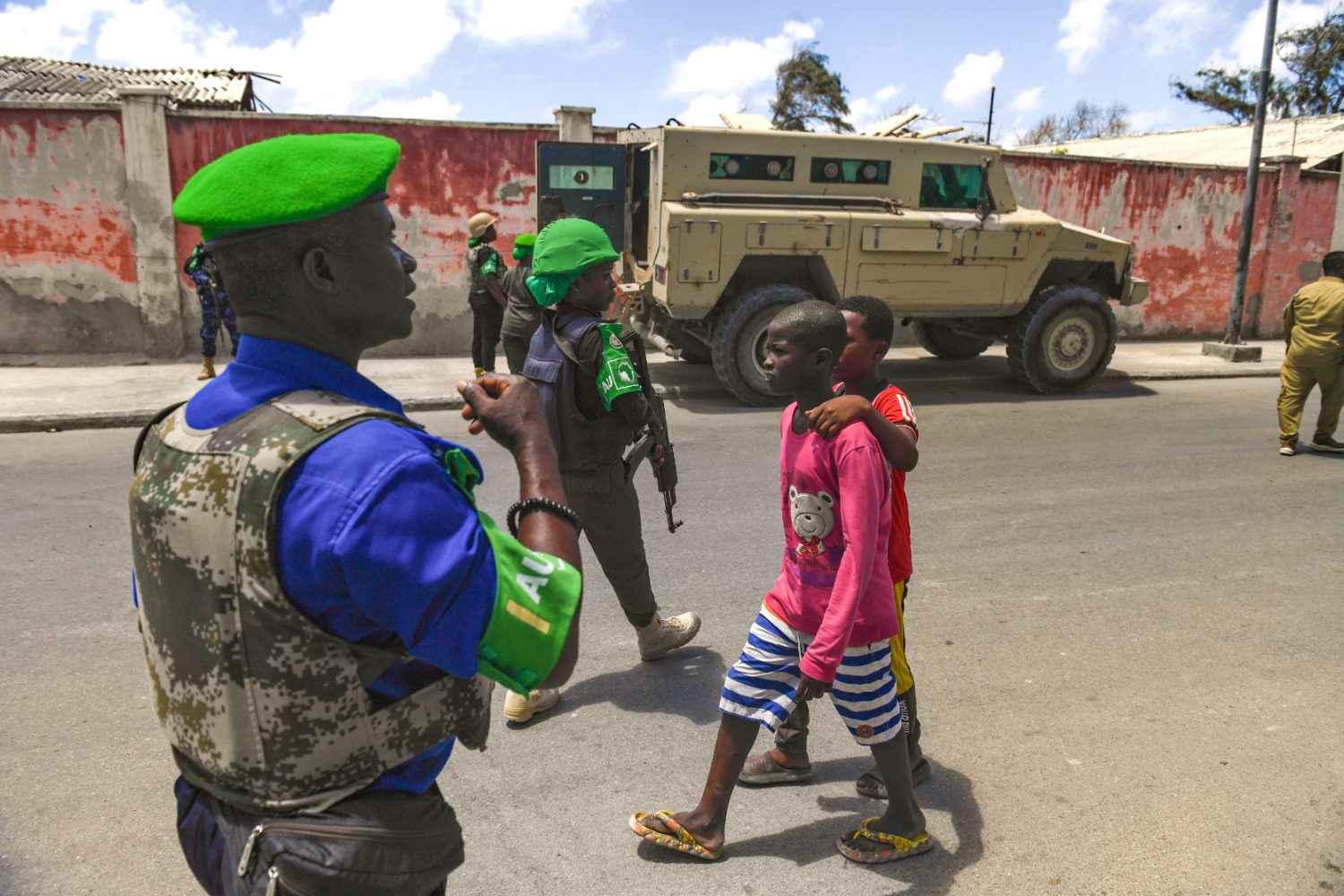
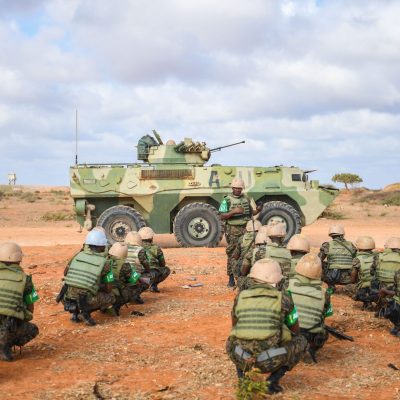
Photo: ATMIS/Mukhtar Nuur.
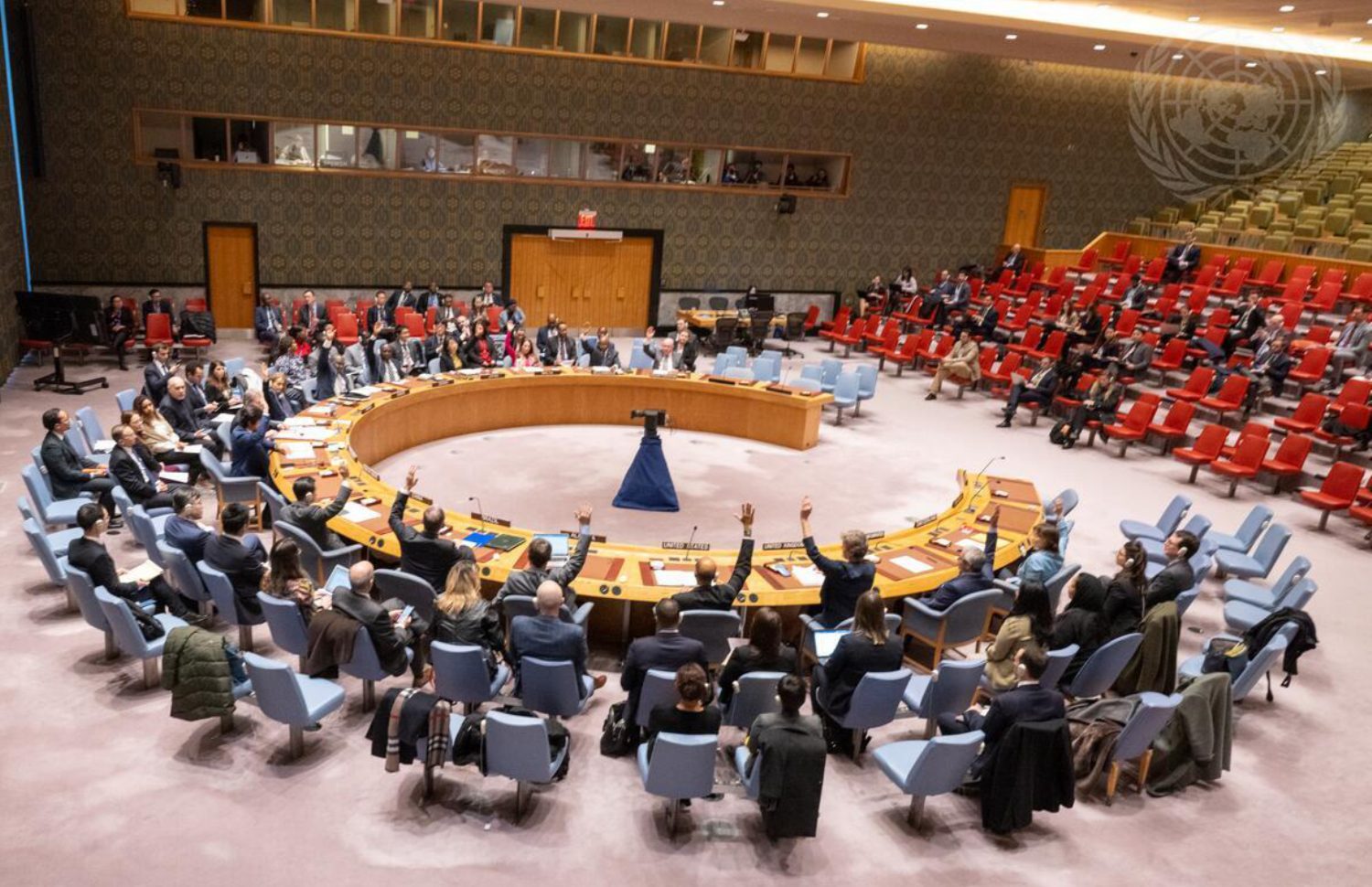
The UN’s New Agenda for Peace (2023)11 further articulated a model of networked multilateralism, recognising the AU and RECs/RMs as essential partners in conflict prevention and response. This shift was institutionalised through UN Security Council Resolution (UNSCR) 2719 (2023), which, building on the experience of AU-UN joint efforts, including the UN Support Office model adopted through UNSCR 1863 (2009), endorsed the use of UN-assessed contributions to fund AU-led peace operations. This marked a historic milestone, after the recommendations of the Prodi Report (2008), towards ensuring predictable, sustainable, and adequate financing of AU-led PSOs as part of efforts to continuously enhance mutually accountable AU–UN cooperation.
Within this evolving architecture, the AU Doctrine on Peace Support Operations12 as well as the 2022 Inaugural and the 2025 2nd Lessons Learned Forum (LLF) on PSOs and the ASF13 reflect Africa’s deepening institutional maturity and strategic self-reliance. The Doctrine takes note of the AU’s principles of subsidiarity, complementarity, and interoperability, envisioning flexible, multidimensional, and politically anchored missions that uphold international humanitarian law, international human rights law, and the protection of civilians. It underscores African ownership, predictable financing through the AU Peace Fund and UN mechanisms, and the professionalisation of AU-led missions. The 2022 and 2025 LLF consolidated over two decades of experience from over 30 Africa-led peace operations,14 calling for the re-conceptualisation of the ASF to align with current realities and shift from reactive deployments to proactive preventive actions. It also emphasised the need for a clearer differentiation between AU and REC/RM-mandated missions, improved oversight, and streamlined resource allocation – signalling Africa’s commitment to building a coherent, accountable, and future-ready peace operations framework.
Lessons from AMISOM, ATMIS, and AUSSOM for future AU-led PSOs
Somalia’s trajectory through AMISOM, the AU Transition Mission in Somalia (ATMIS), and the AU Support and Stabilisation Mission in Somalia (AUSSOM) offers an instructive continuum for understanding the evolution of AU-led PSOs. AMISOM (2007–2022) marked a turning point in continental intervention, showcasing Africa’s ability to undertake complex counterinsurgency and stabilisation missions in high-threat environments.15 The Somalia experience also revealed persistent structural challenges of AU-led PSOs, most notably ad hoc and donor-dependent financing that limited African ownership and leadership, as well as command and mandate implementation structures that have to be coordinated among troop-contributing countries and relevant stakeholders, including limited synchronisation of military progress with political settlement, governance reforms and sustainable peace. These exposed the enduring gap between the AU’s strategic ambition and institutional capacity, while underscoring the need for a holistic approach that integrates effective security, inclusive governance, and broader stabilisation and development efforts within a political and federal framework.
The transition to ATMIS (2022–2024) aimed to embed Somali ownership, align drawdowns with political, stabilisation and security benchmarks, and ensure joint planning and coordinated efforts across the AU, UN, and the Federal Government of Somalia. Yet, delays in governance reforms, funding shortfalls, and persistent asymmetrical threats highlighted the need for condition-based transitions rooted in ground realities. The current AUSSOM phase of the AU’s support to Somalia reflects a leaner footprint that reduces costs amidst mounting operational and financial challenges with UN liquidity constraints that have warranted reduced logistics support. In this context, AUSSOM’s success depends on predictable and sustainable financing – particularly through frameworks such as UNSCR 2719 (2023) and the AU Peace Fund – alongside stronger AU–UN–European Union (EU) coordination and Somali political will. Collectively, the AU’s experience in Somalia underscores that the success of future AU-led PSOs will be guaranteed if they are politically driven, flexibly designed, and sustainably financed, as well as through progressive capacity building of the host state, enabling and enhancing their ownership and leadership over time, to build on the external support received, consolidate the gains achieved and sustain peace.
Strengthened partnerships and further reform initiatives
UN peacekeeping remains a critical instrument for supporting transitions from conflict to peace, yet the evolving global security landscape increasingly highlights the complementary role of regional organisations, such as the AU. The AU’s proximity, contextual understanding, and rapid deployment capacity give it unique comparative advantages in responding to African crises, particularly where UN missions may be less suitable. In this context, AU-led PSOs are vital to both regional and global stability.16 The full and effective implementation of UNSCR 2719 (2023) – which enables the use of UN-assessed contributions to finance AU-led missions – represents a milestone toward predictable and sustainable funding. The future of African peace operations thus depends on strengthened AU–UN partnerships rooted in African ownership and leadership, mutual accountability, and strategic coordination. Hybrid missions, where the AU PSC exercises political direction, with AU operational command and control and the UN provides resources and logistical support with UN Security Council (UNSC) oversight, should serve as the preferred model for complex stabilisation operations requiring political legitimacy and adequate capacity, including predictable, adequate and sustainable resources.
At the global level, reform initiatives, such as the Pact for the Future17 and the UN80 initiative,18 present opportunities to reshape peace and security governance to be more inclusive, equitable, and responsive to African priorities. These initiatives should align with the AU’s Agenda 2063 and efforts aimed at Silencing the Guns by 2030, to reinforce Africa’s voice in addressing transnational challenges like conflicts, terrorism, climate insecurity, and socio-economic inequality – as part of efforts to ensure effective and equitable global governance. The continent’s growing institutional maturity, embodied in mechanisms such as the APSA, ASF and the AU Peace Fund, reflects a decisive shift from dependency toward strategic autonomy and co-ownership of peace and security efforts. Through deeper collaboration with the UN, under frameworks like UNSCR 2719 as well as the recently adopted General Assembly Resolution 79/329 (2025) on AU-UN Cooperation, Africa is positioning itself not merely as a beneficiary but as a co-architect of global peace and security architecture, anchoring a new era of multipolar partnership-based collective security arrangements.
Key considerations
Embracing networked multilateralism for peace operations
Networked multilateralism for the conduct of peace operations offers a more flexible, inclusive, and interconnected approach to global cooperation in addressing peace and security challenges. It recognises that contemporary conflicts are complex, transnational, and multifaceted, requiring coordinated action across multiple levels and actors.19 In this context, this model emphasises the creation of dynamic partnerships among the UN, regional (AU) and sub-regional (RECs/RMs) organisations, international financial institutions (including the World Bank, International Monetary Fund, and African Development Bank), bilateral partners, and civil society.This is to leverage the comparative advantages of each actor: the UN’s legitimacy and global reach; the AU and RECs/RMs’ regional proximity and contextual understanding; resources support from international financial institutions and the contributions of non-state actors in mediation, humanitarian support, and community engagement.
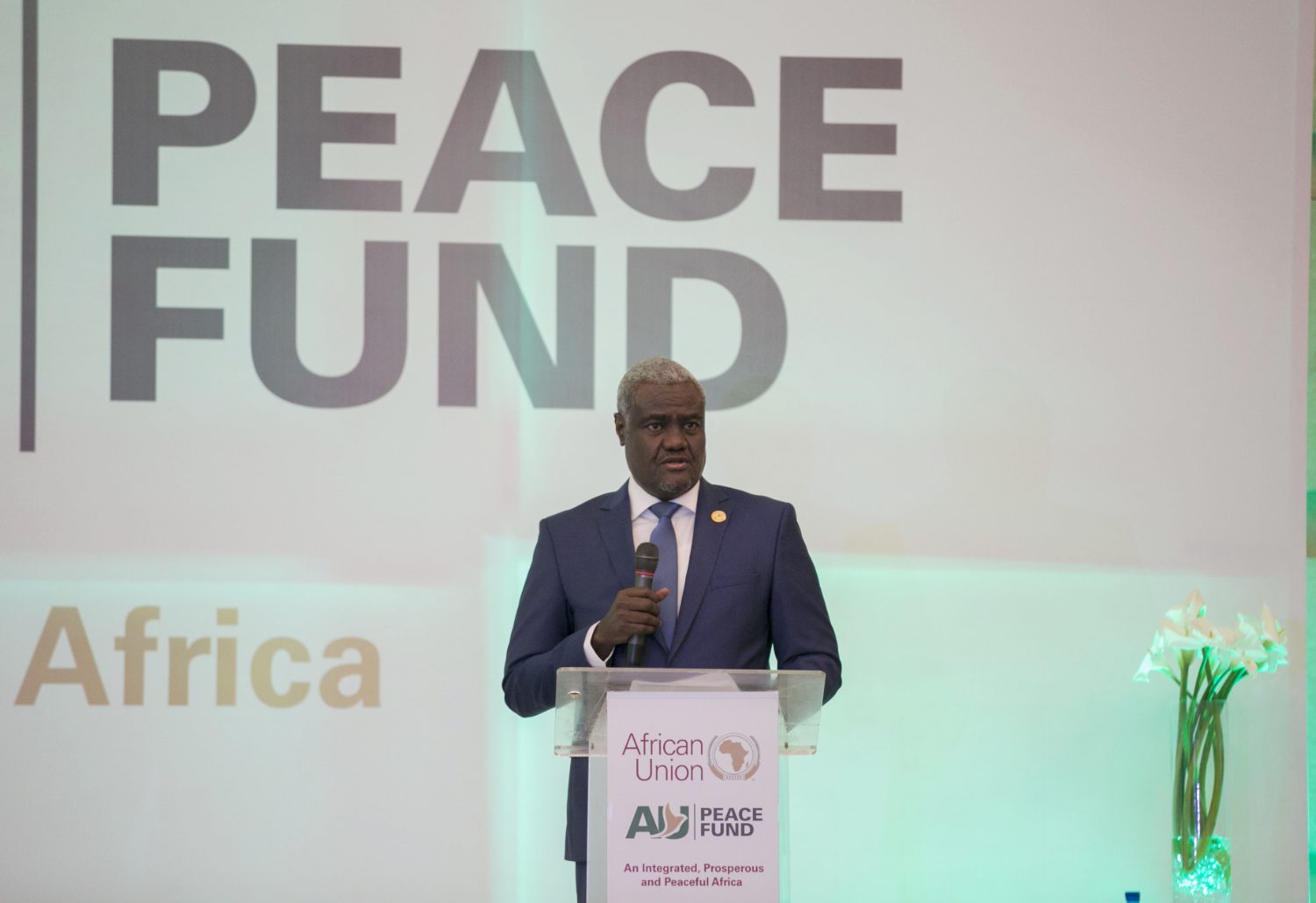
Capitalising on the experiences gained so far and lessons learnt, AU member states should consider realigning the ASF Framework to enable effective AU-led PSOs that are continentally-led, sub-regionally owned and globally supported. This can include through the UNSCR 2719 framework, which calls for 75% of funding from UN-Assessed Contributions and 25% from the AU (notably its Peace Fund) and the broader international community, including international organisations, such as the EU and bilateral partners, to bridge resource gaps. These funding mechanisms can complement each other and enable strategic coordination and shared legitimacy in complex operational environments.
Taking this forward will require political convergence among AU member states on the realignment of the ASF. RECs/RMs will also need to agree on required modalities with the AU as well as establish a framework for delineated roles and shared responsibilities to ensure coherence and coordination. Progress by the AU and UN on the modalities for the implementation of UNSCR 2719 and PSC and UNSC political alignment for the use of the resolution, as shall be agreed for AU-led PSOs, will be most critical. This takes note of the attempt to apply UNSCR 2719 to AUSSOM, which revealed that political will, and not progress in the development of technical modalities and capacity, remains the most significant milestone.
A blueprint for funding and managing African peace operations
The authority to mandate peace operations in Africa cuts across member states, sub-regional, continental and global levels, reflecting the continent’s evolving peace and security architecture, with each having distinct advantages and challenges. In this context, member states can initiate ad hoc coalitions for rapid, state-driven responses to transnational threats. RECs/RMs also possess both legal and political authority to deploy sub-regional operations to address localised crises, leveraging sub-regional legitimacy, geographic proximity, and cultural familiarity. The AU, acting through its PSC, can also mandate AU-led PSOs, which embody collective African responsibility under the principle of non-indifference. At the global level, the UN retains the primary responsibility for the maintenance of international peace and security under Chapter VI and VII of the UN Charter, mandating peace operations and political missions. This also includes working with regional organisations such as the AU to carryout enforcement action under the authority of the UN Security Council, pursuant to Chapter VIII of the UN Charter.
Notwithstanding, the effectiveness of peace operations mandated and conducted at each of these levels will depend on the enhancement of sub-regional, continental and global mechanisms, doctrines, capacities, capabilities and funding to efficiently plan, deploy, manage, oversee, sustain, transition and liquidate such operations. As a result, member states’ support to their contingents in coalitions of the willing will need to be guaranteed by national and governmental prioritisation of such objectives and efforts, which should then be catered for in their annual national budget. RECs/RMs will also need to ensure their established regional funding mechanism(s) remain fully resourced and replenished with little or no reliance on external partners for deployments and sustenance of missions.
At the continental level, the AU Peace Fund, structured around three windows for mediation, institutional capacity, and PSOs, symbolising Africa’s commitment to predictable and African-owned financing, should be the main source for PSO funding, if the AU is to mandate, conduct and fund its own independent operations. To enable this, a workable replenishment strategy will need to be in place, including annual member state contributions, an increase in the endowment fund and investment portfolio for higher returns that should also be available for utilisation, as well as a revision of the policies of the fund that will enable flexibility to ensure such use and oversight.
If the AU, RECs/RMs and member states can agree on how best to utilise and fund AU-led PSOs, they can also decide to facilitate the conduct of independent Africa-led PSOs pulling together resources from member states, RECs/RMs and AU levels, including by distributing funding responsibilities that can enable Africa ownership, independence and leadership of its own operations. This can include an agreement that member states contributing personnel will ensure they are well-trained and have the required equipment at no cost to the AU to avoid troop stipend and contingent-owned equipment costs. RECs/RMs can also consider covering strategic lift costs of all personnel to and from a mission area, including death, disability, and other compensations as may be required. The AU can then cover daily operational costs, such as food, water and temporary shelter for personnel; fuel, transport and maintenance of vehicles and equipment; other running costs of such operations; and programmatic costs for implementation of mission mandates.
At the global level, the UN has conducted successful peace operations over the years. To continue conducting successful operations on the continent, it will need to address the mounting political, operational, and liquidity challenges that currently undermine its effectiveness and legitimacy. Politically, the UN will have to deploy only where there is ‘peace to keep,’ manage and maintain consent of governments, respect the sovereignty of host states to prevent a premature withdrawal, and manage the growing divisions within the Security Council that weaken mandate coherence and realisation. Operationally, peacekeepers will have to contend with asymmetric threats, limited mobility, and capabilities ill-suited for complex conflict environments, noting persistent gaps between expansive mandates and required resources, which erodes credibility of such operations. Managing the reliance on delayed member state contributions to enable sustainability and avoid mission downsizing or closure will also be critical. In this regard, collaboration with the AU, pursuant to Chapter VIII of the UN Charter to implement and guarantee the effectiveness of peace operations in Africa is the best course of action.
Conclusion
The future of peace operations in Africa must be anchored on clear principles of ownership, accountability, and partnership. First, whichever institution – be it the AU, RECs/RMs, or member states – that mandates a mission must assume corresponding financial and operational responsibility as well as align mandates with strategic intent and political will. Second, whilst UNSCR 2719 calls for a 75%–25% joint financing and burden-sharing mechanism, the AU and UN are directed to undertake joint mobilisation for the 25% cost of the required annual mission budget, with the responsibility for generating and covering this cost placed on the broader international community. This includes the AU, multilateral and bilateral partners, with the UN Security Council committed to also consider extra-budgetary contributions to the 25% cost – in the instances of significant shortfalls. Third, and while external assistance will remain crucial, Africa’s long-term security depends on enhanced continental ownership, leadership and self-reliance. This entails expanding the AU Peace Fund to increase its contributions to AU-led PSOs, including mobilising domestic resources and full implementation of the 0.2% levy by all AU member states on eligible imports, as adopted by the 28th Ordinary Session of the AU Assembly held in January 2017, and institutionalising Africa’s role as an equal partner in global peace and security governance.
Embedding these principles will enable Africa to move from dependency to strategic autonomy, ensuring that its PSOs remain credible, sustainable, and responsive to evolving security realities. Within this emerging paradigm, Africa is not merely a theatre for intervention but a strategic architect of global peace, shaping both the principles and practice of peace operations.
Concurrently, global reform initiatives call for a multilateral system that is inclusive, equitable, and aligned with African priorities. In this regard, Africa stands at the forefront of redefining modern peace operations, which must integrate local realities, ensure regional ownership and leadership, and facilitate sustainable partnerships. The future of peace operations will thus be transformative, combining AU–UN co-leadership, predictable financing, and resilience-focused peacebuilding to ensure missions evolve beyond crisis containment toward institutional strengthening, societal rebuilding, and long-term stabilisation that enables host states to move from conflict to sustainable peace.
Zinurine Abiodu Alghali is Senior Adviser on Peace and Security and Senior Political Coordinator at the AU Mission to the UN, where he coordinates the Peace and Security Cluster, A3+ Mechanism and AU–UN cooperation. He previously led the AU Peace Support Operations Division (PSOD) and held roles as Chief of Policy Development and Head of Training. Before joining the AU, he was Head of ACCORD’s Peacekeeping Unit and Manager of the Training for Peace (TfP) in Africa Programme. Earlier in his career, he contributed to post-conflict recovery efforts in his country, Sierra Leone, working with various institutions, including Post-Conflict Reintegration Initiatives for Development and Empowerment (PRIDE).
Endnotes
1UN (1948) ‘Establishment of the UN Truce Supervision Organization (UNTSO)’, New York: UN Secretariat.
2UN (1960) ‘UN Operation in the Congo (ONUC): Mandate and Implementation Report’, New York: UN Secretariat.
3UN (2000) ‘Report of the Panel on United Nations Peace Operations’, (The Brahimi Report), New York: UN.
4African Union (2015) ‘Common African Position on the UN Review of Peace Operations’, Addis Ababa: AU Peace and Security Department.
5Economic Community of West African States (ECOWAS)
6Economic Community of Central African States (ECCAS)
7Southern African Development Community (SADC)
8UN (2015) ‘Report of the High-Level Independent Panel on Peace Operations (HIPPO)’, New York: UN Secretariat.
9UN (2018) ‘Action for Peacekeeping (A4P) Declaration of Shared Commitments’, New York: UN Secretariat.
10UN (2021) ‘A4P+ Framework: Priorities for Enhanced Peacekeeping Performance’, New York: UN Secretariat.
11UN (2023) ‘A New Agenda for Peace’, New York: UN Secretariat.
12AU (2021) ‘African Union Doctrine on Peace Support Operations’, Addis Ababa: AU Peace and Security Department.
13AU (2022) ‘Report of the Inaugural Lessons Learned Forum on African Union Peace Support Operations and the African Standby Force’, Addis Ababa: AU Political Affairs, Peace and Security Department.
14Africa-Led peace operations are operations initiated, commanded, and politically driven by African actors, but not necessarily by the African Union itself.
15Norwegian Institute of International Affairs (NUPI) (2024) ‘Africa and UN Peace Operations: Implications for Regional Organisations’, Oslo: NUPI.
16AU (2025) ‘Statement on Predictable Financing for AU Peace Operations’, Addis Ababa: AU Commission.
17The Pact for the Future is a landmark agreement adopted by UN Member States in September 2024 at the 79th Session of the UN General Assembly.
18The UN80 initiative is the UN’s ambitious, system-wide reform effort, launched by Secretary-General António Guterres in March 2025 as the UN marks its 80th anniversary.
19Africa Center for Strategic Studies (ACSS) (2024) ‘AU–UN Partnership: The Future of Peace Operations in Africa’, Washington DC: ACSS.