30 Years of the Training for Peace Programme: Building African Capacities for a Peaceful Future
In 2025, the Training for Peace (TfP) in Africa Programme marks its 30th anniversary, a remarkable milestone in a journey that mirrors Africa’s evolving peace and security landscape. Initiated in 1995 by the Royal Norwegian Government, and implemented in partnership with the African Centre for the Constructive Resolution of Disputes (ACCORD), the Norwegian Institute for International Affairs (NUPI), and the Institute for Security Studies (ISS), the programme has stood as one of the most enduring and impactful capacity-building initiatives on the continent.
Over three decades, TfP has not only strengthened the operational and conceptual capacities of African peacekeepers and institutions but also played a vital role in shaping Africa’s peace and security architecture. From the early post-Cold War years, when the continent was grappling with the aftermath of conflict and state fragility, to today’s era of complex hybrid threats, the TfP programme has adapted, responded, and led.
A vision born of necessity
When TfP was launched in 1995, Africa was undergoing profound transformation. The end of the Cold War ushered in both opportunity and uncertainty. While democratic transitions were unfolding across the continent, devastating conflicts, in Rwanda, Liberia, Sierra Leone, and the Great Lakes region, underscored the urgent need for African-led solutions to peace and security challenges.
At that time, African peacekeeping capacity was limited, both in human resources and institutional strength. International interventions were often externally driven, and African voices were underrepresented in global peace and security discourse. Recognising this gap, the Norwegian Government, working in partnership with African institutions such as ACCORD and ISS, alongside a Norwegian partner, NUPI, launched the TfP programme with a clear objective: to strengthen African capacities for peacekeeping, peacebuilding, and conflict prevention through training, policy development, and research.
This partnership reflected a new model of cooperation, one built not on dependency, but on solidarity and shared responsibility. It was an investment in African ownership of peace, premised on the belief that sustainable peace must be locally led and globally supported.
From training to transformation
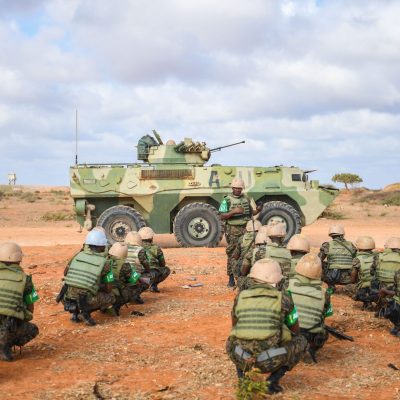
The TfP programme’s early focus was on enhancing peacekeeping capacities by training military, police, and civilian personnel for deployment in United Nations (UN) and African Union (AU) missions. Over time, it evolved into a more comprehensive framework that combined training, policy support, and institutional strengthening, guided by Africa’s emerging peace and security architecture.
Three major contributions define TfP’s legacy over the past 30 years:
1. Building Africa’s human capital for peace operations
TfP has trained and mentored thousands of African peacekeepers, mediators, and civilian experts deployed in conflict and post-conflict environments across the continent. Its training modules, from gender mainstreaming and human rights to negotiation, mediation, and civilian protection, have been instrumental in professionalising African peace operations.
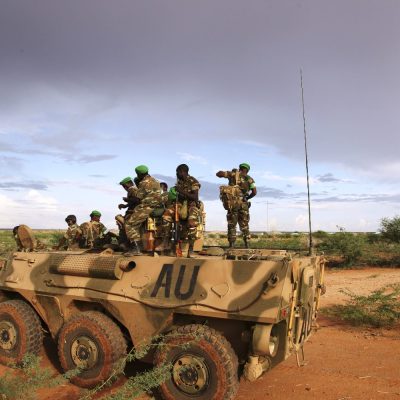
Through ACCORD’s training and policy support to the AU Peace Support Operations Division and the UN Department of Peace Operations, TfP helped shape doctrines, standard operating procedures, and mission planning tools now used across AU missions such as the AU Mission to Somalia (AMISOM) (now the AU Transition Mission in Somalia), the African-led International Support Mission to the Central African Republic (MISCA), and others.
The programme’s insistence on the civilian dimension of peace operations has been transformative. It underscored that sustainable peace requires more than military presence – it demands governance, inclusion, and reconciliation.
2. Strengthening African institutions and policy frameworks
Over three decades, TfP has worked closely with the AU, Regional Economic Communities (RECs), and national institutions to enhance policy coherence and operational readiness.
The programme has contributed to key frameworks within the African Peace and Security Architecture (APSA) – particularly in the development of the African Standby Force (ASF) and its civilian and police components. TfP-supported experts have provided technical assistance in scenario planning, early warning, and conflict prevention.
Moreover, TfP’s policy dialogues and research outputs, often produced jointly by NUPI, ISS, and ACCORD, have influenced continental debates on mediation, peacebuilding transitions, and youth inclusion in peace processes. Its collaborative approach has helped bridge the gap between policy and practice, between research and implementation.
3. Promoting normative shifts: Gender, youth, and inclusivity
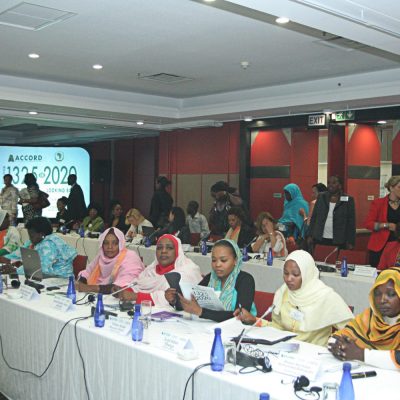
Long before gender equality became a mainstream issue in peace operations, TfP was among the pioneers advocating for women’s participation and leadership in peacekeeping and mediation. Its training curricula integrated UN Security Council Resolution 1325 on Women, Peace and Security, and its subsequent resolutions, across Africa’s security institutions.
Similarly, TfP has been at the forefront of integrating youth perspectives into peace and security initiatives – anticipating the current AU Youth, Peace and Security agenda. By empowering a new generation of peace practitioners, TfP has ensured that Africa’s peacebuilding community reflects the diversity and dynamism of its people.
Responding to a changing security landscape
The past 30 years have seen Africa’s security landscape evolve dramatically. Africa has seen a rise in intra-state conflicts, violent extremism, climate-induced insecurity, cyber threats, and governance crises.
Peace operations have also become more complex, operating in volatile, asymmetric environments where military tools alone cannot restore stability. Against this backdrop, TfP has remained adaptive – evolving from a primarily training-oriented initiative to a strategic platform for innovation and foresight in African peace operations.
Its more recent focus on civil-military-police coordination, stabilisation missions, and post-conflict reconstruction and development reflects this shift. TfP has also incorporated climate security, digital peacebuilding, and cross-border governance into its training and policy frameworks – ensuring that peace operations remain relevant in an era of global interdependence.
The value of partnership
One of TfP’s greatest strengths lies in its partnership model. The collaboration between a government from the global north and African research and policy institutions has proven to be a resilient, mutually beneficial arrangement.
Norway’s consistent support, grounded in trust and long-term commitment, has allowed TfP partners – ACCORD, NUPI, and ISS – to build institutional memory and continuity. This partnership model offers an example of effective international cooperation that respects African agency, while promoting shared learning and accountability.
Looking ahead: The future of TfP
As Africa enters a new era of geopolitical and technological transformation, TfP’s mission remains as vital as ever. The continent’s peace and security challenges are now intertwined with issues of governance, climate resilience, migration, resource competition, and artificial intelligence (AI). The future of peace operations will require more integrated, preventive, and adaptive responses.
1. Strengthening preventive diplomacy and early action
TfP can deepen support for mediation, early warning, and preventive diplomacy at national and regional levels, helping the AU and RECs to act before crises escalate.
2. Building capacities for digital peace operations
As technology reshapes security, TfP can help design frameworks for AI-assisted analysis, digital monitoring, and data-driven peacebuilding, ensuring technology serves peace, not conflict.
3. Integrating climate security into peacebuilding
By training practitioners to link environmental risks with governance and conflict prevention, TfP can help African states build resilience in the face of climate-induced instability.
4. Empowering youth and women as peacebuilders
TfP should continue to invest in Africa’s youth and women as central actors in peace processes – not as beneficiaries, but as leaders and innovators.
5. Enhancing coordination within APSA and AGA
TfP can further bridge the operational linkages between the APSA and the African Governance Architecture (AGA), promoting a holistic approach to peace, governance, and development.
6. Navigating the era of “peace through force”
The resurgence of militarised approaches to conflict resolution – what some have termed a new era of “peace through force” – poses both challenges and opportunities for the TfP Programme. Across Africa, the growing reliance on counterterrorism operations, stabilisation missions, and private security actors reflects frustration with traditional peacekeeping’s limits. Yet, it also risks undermining the principles of accountability, protection, and civilian engagement that TfP has long championed.
In this context, TfP’s role is not to retreat from this reality, but to shape it responsibly. The programme can provide essential thought leadership and training on the responsible use of force within peace operations, ensuring that military action is always guided by legality, legitimacy, and proportionality.
TfP can help the AU, RECs, and member states develop ethical frameworks, doctrine, and training that balance robust peace enforcement with human rights and political engagement. It can also promote civilian oversight, coordination, and post-conflict stabilisation mechanisms to ensure that “peace through force” evolves into peace through justice and governance.
By equipping peacekeepers and policymakers with the analytical tools and moral compass to navigate this complex terrain, TfP can once again demonstrate its enduring value – ensuring that Africa’s quest for peace does not come at the cost of its democratic and humanistic ideals.
Conclusion: Three decades of purpose, partnership, and progress
For 30 years, the Training for Peace in Africa Programme has exemplified the power of partnership, persistence, and purpose. From its beginnings in the mid-1990s to its present-day relevance, TfP has nurtured thousands of peace practitioners, strengthened Africa’s peace institutions, and helped shape the continent’s collective security vision.
As Africa navigates the next generation of peace and security challenges, TfP stands ready – not just to train for peace, but to transform for peace. Its legacy is not merely in the number of people it has trained, but in the confidence it has built: that Africa’s peace will be achieved by Africans, supported by friends, and sustained by partnership.
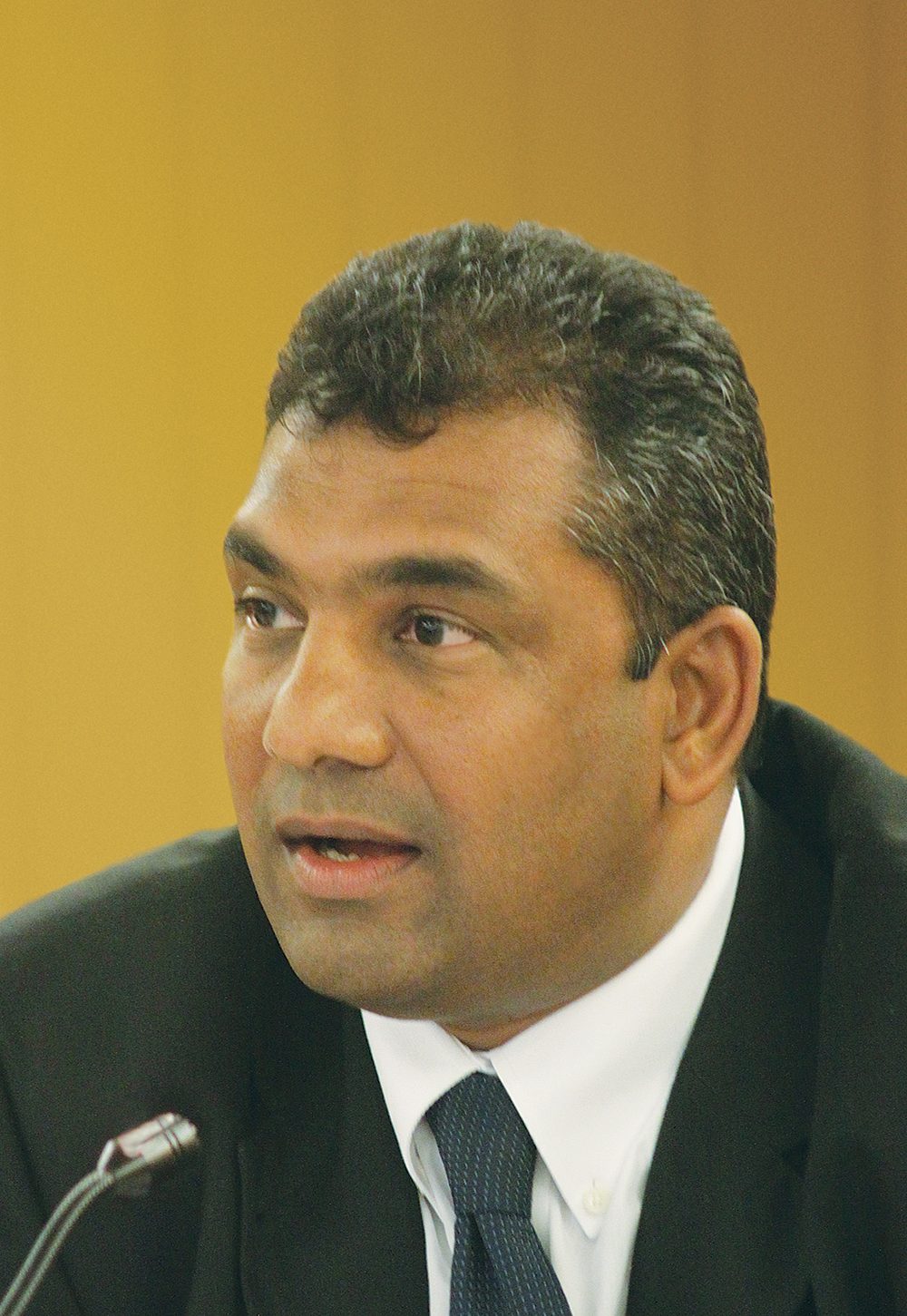
Vasu Gounden is the Founder and Executive Director of ACCORD