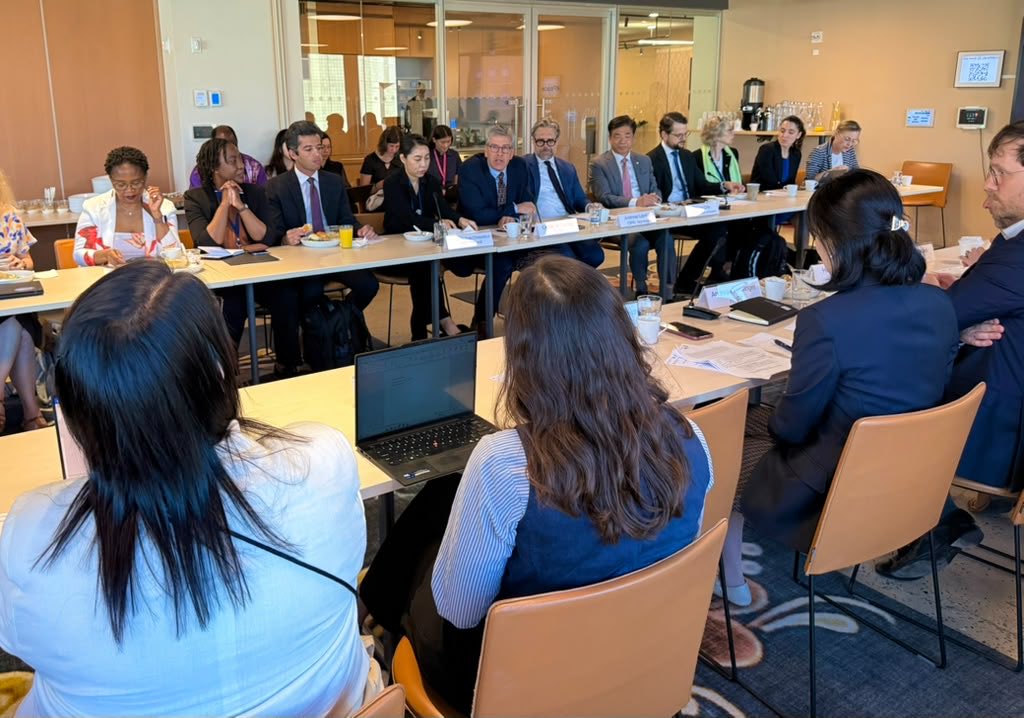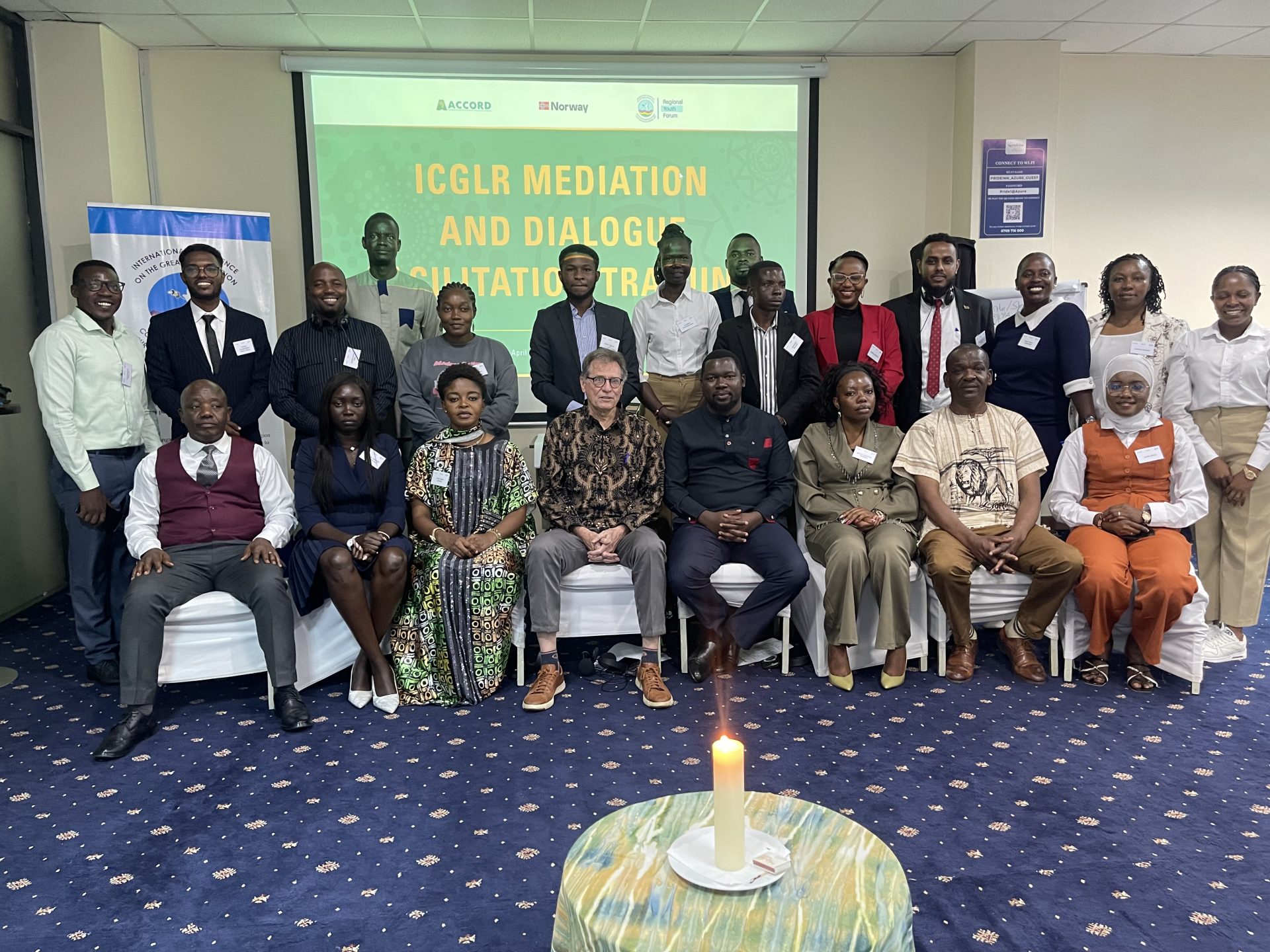
ACCORD, in partnership with the International Conference on the Great Lakes Region Regional Youth Forum (ICGLR-RYF), convened a Mediation and Dialogue Facilitation Training in Nairobi from 30 March to 1 April 2026. The training aimed to address structural barriers that often limit the participation of local youth and community-based actors in mediation and dialogue processes.
Opening the training, Dr. Francis K. Nderitu, Director of the ICGLR Regional Youth Forum Secretariat in Nairobi, underscored the critical role that local peacebuilding actors play in their communities. However, he noted that their contributions are often limited by insufficient access to technical skills and capacity development opportunities. Highlighting the need to bridge this gap, he remarked that “passion must be matched with technical competence.” The training sought to address this issue by equipping participants with practical tools and approaches to engage more effectively in peacebuilding efforts at the local levels.
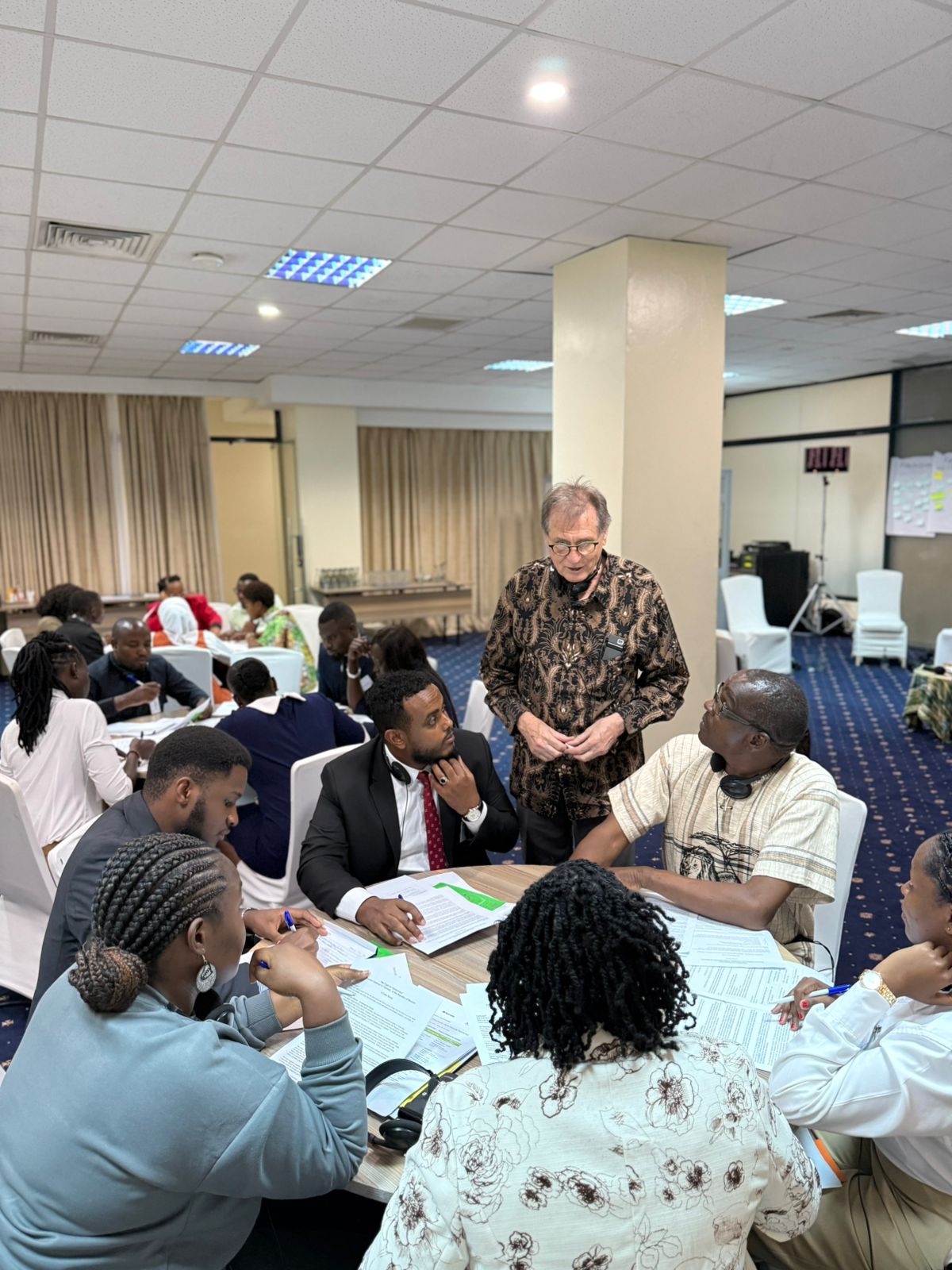
The experiential training combined theory and practice through a case study and mediation simulation. Participants engaged in exercises that reflected real-life conflict scenarios, enabling them to apply key concepts in a practical setting. It included designing dialogue processes, facilitating communication between conflicting parties, conducting conflict and relationship analysis, and preventing the escalation of disputes. The training also explored different levels and techniques of mediation, as well as the elements of effective negotiations.
The training highlighted the importance of understanding root causes, stakeholders, and power dynamics as a foundation for sustainable conflict resolution. Participants noted that this approach enabled them to move beyond surface-level issues and engage more strategically in peacebuilding interventions. It also created a platform for participants to share personal experiences and reflect on the region’s diverse conflict dynamics. These exchanges helped participants to understand how conflicts manifest in different contexts and highlighted the importance of adapting mediation and dialogue approaches accordingly.
Overall, the trainninng strengthened youth peace practitioners’ skills while reinforcing the role of regional actors in linking local peacebuilding efforts to broader peace frameworks.