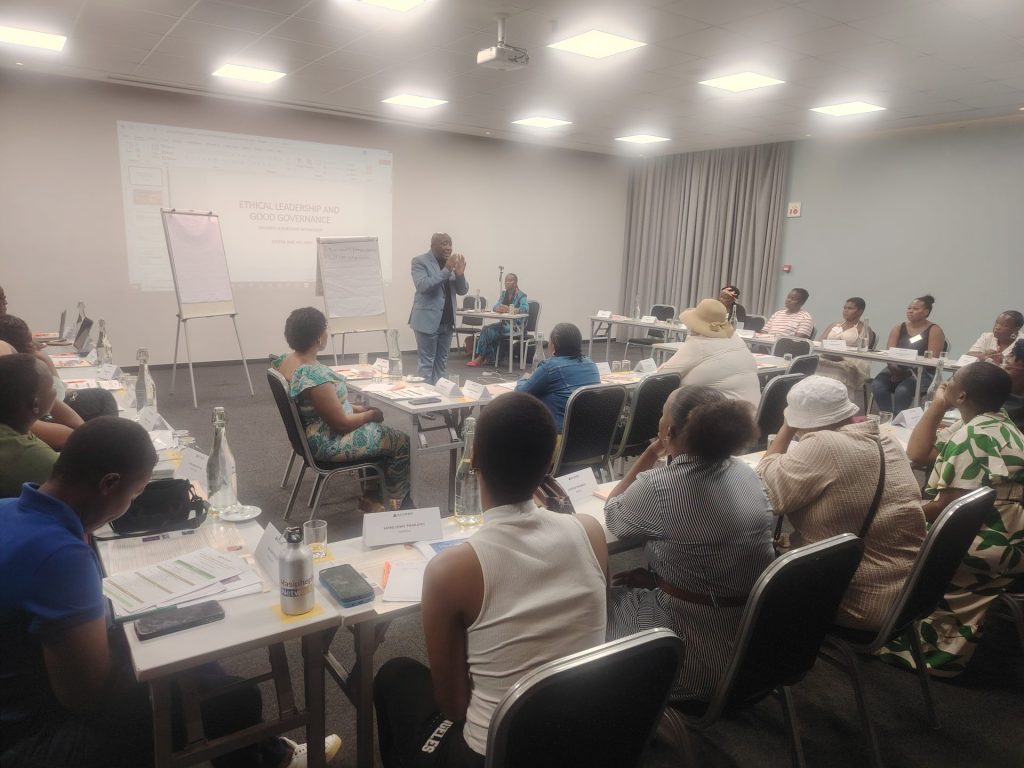
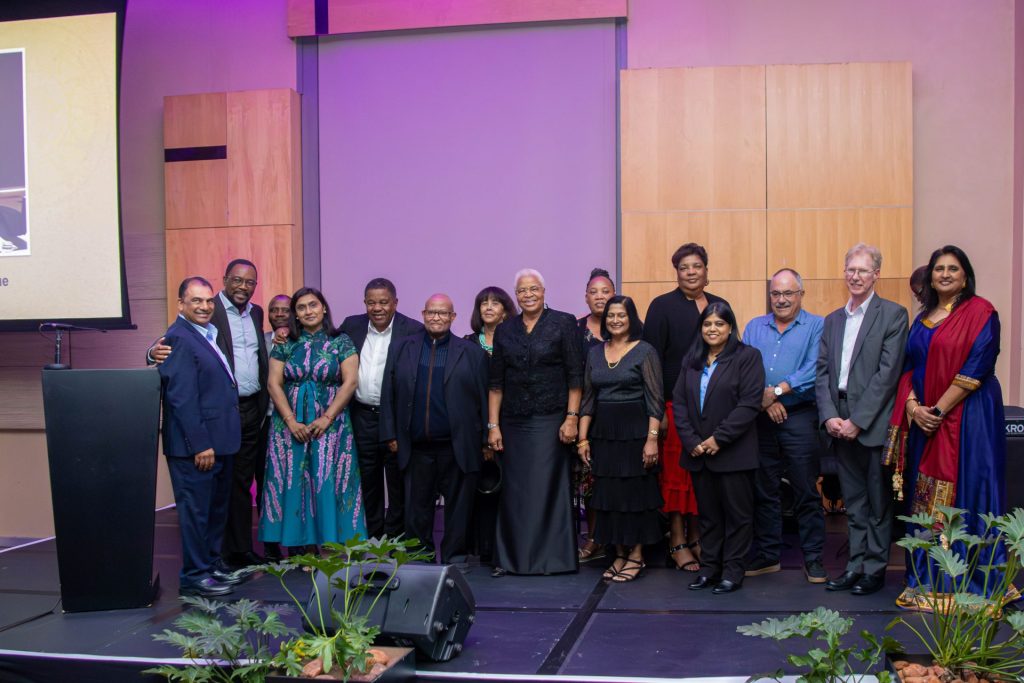
On 17 November 2025, women leaders across local government sectors gathered for a focused group discussion aimed at strengthening leadership capacity, enhancing community engagement and addressing the unique challenges they face in governance. The session, which followed an earlier online consultation that included the three-eThekwini communities of Umlazi, Isipingo and KwaMashu, brought together ward councillors, political leaders, youth leaders, religious leaders and members of peacebuilding structures. Building on the momentum from the previous dialogue participants engaged deeply on key topics related to women’s leadership including resource mobilisation, assertiveness in leadership and navigating political and ward structures.
One of the main points raised was the difficulty that women leaders face in mobilising resources for community projects. Participants highlighted limited funding opportunities, inconsistent support from stakeholders and structural barriers that make it harder for women-led initiatives to secure the resources needed to sustain community development. Most leaders stressed the need for stronger networks, training and partnerships to ensure that women are not side lined in decision-making spaces.
Another strong theme was assertiveness in leadership. Participants spoke openly about the pressure to balance firmness with compassion and societal expectations that often discourage women from exercising authority confidently. Despite these challenges, many expressed pride in their growing leadership capacities and emphasised the importance of mentorship, confidence-building and creating safe spaces for women to lead authentically.
Discussions also explored leading within ward structures and political structures. Women shared their experience of navigating environments that are still largely male-dominated, often requiring them to work twice as hard to be taken seriously. They cited issues such as political gatekeeping, internal competition and a lack of consistent support from senior officials. However, they also shared success stories and instances where women leaders have mobilised communities, shaped policy discussions and resolved local conflicts through their leadership.
Beyond the key themes, participants raised additional concerns relevant to their leadership journeys. These included the emotional labour of community leadership, safety concerns during political tensions, the importance of youth inclusion and the need for continuous skills development for emerging women leaders. The focus group concluded with a shared commitment to strengthen collaboration, support one another and amplify women’s voices in local governance. Leaders expressed hope that dialogues such as these will continue to create pathways for more inclusive and equitable leadership across communities.