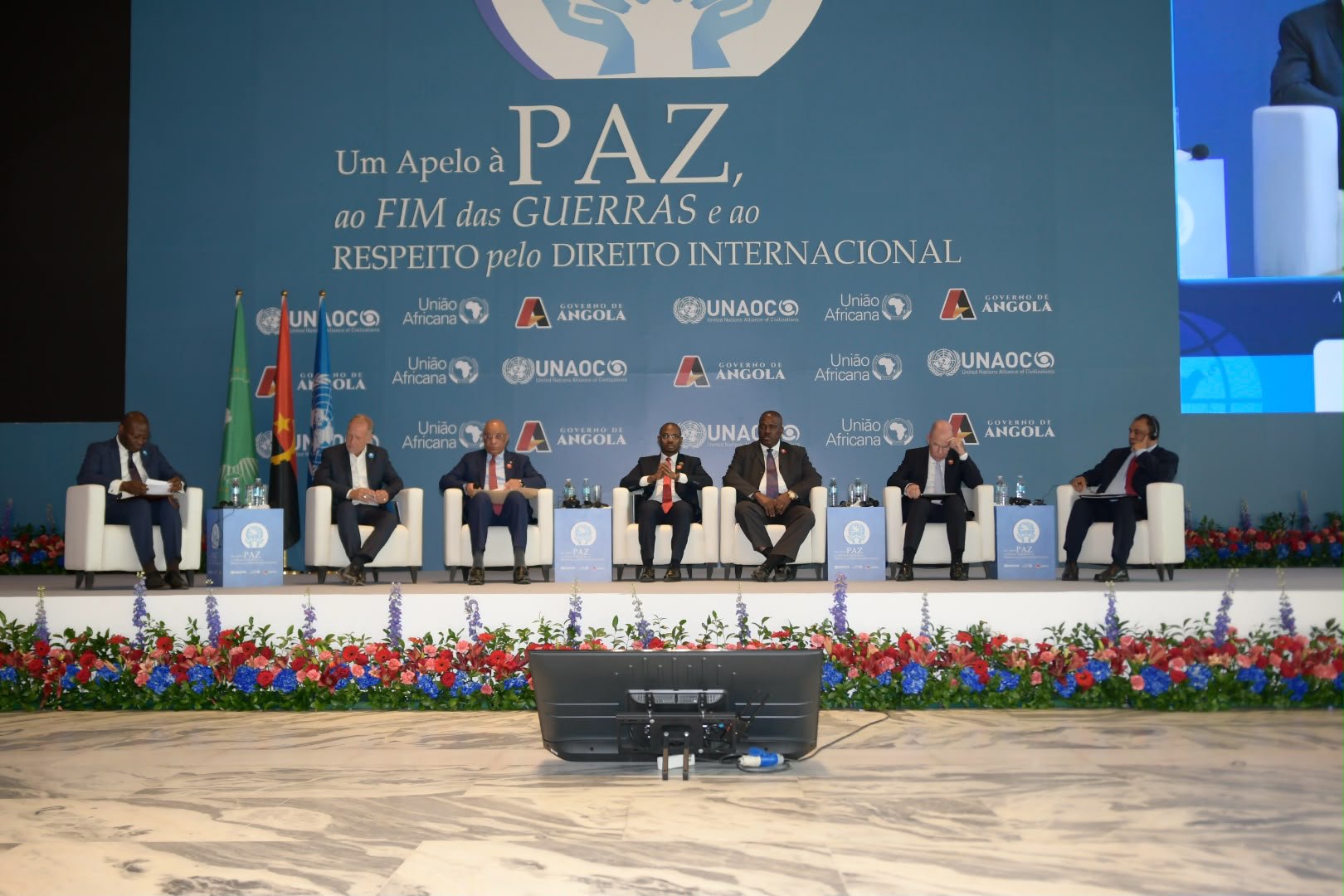
On 16 – 17 July 2026 ACCORD’s Founder and Executive Director, Dr Vasu Gounden, joined international leaders, policymakers and peacebuilding practitioners at a Summit on “A Call for Peace, the End of Wars and Respect for International Law”, convened by the Government of the Republic of Angola and the United Nations Alliance of Civilizations (UNAOC) in Luanda, Angola.
The Summit formed part of a wider effort to strengthen institutional and diplomatic dialogue aimed at resolving military conflicts worldwide. It comprised of an Opening Ceremony on 16 July 2026 and a series of thematic panel discussions on 17 July 2026.
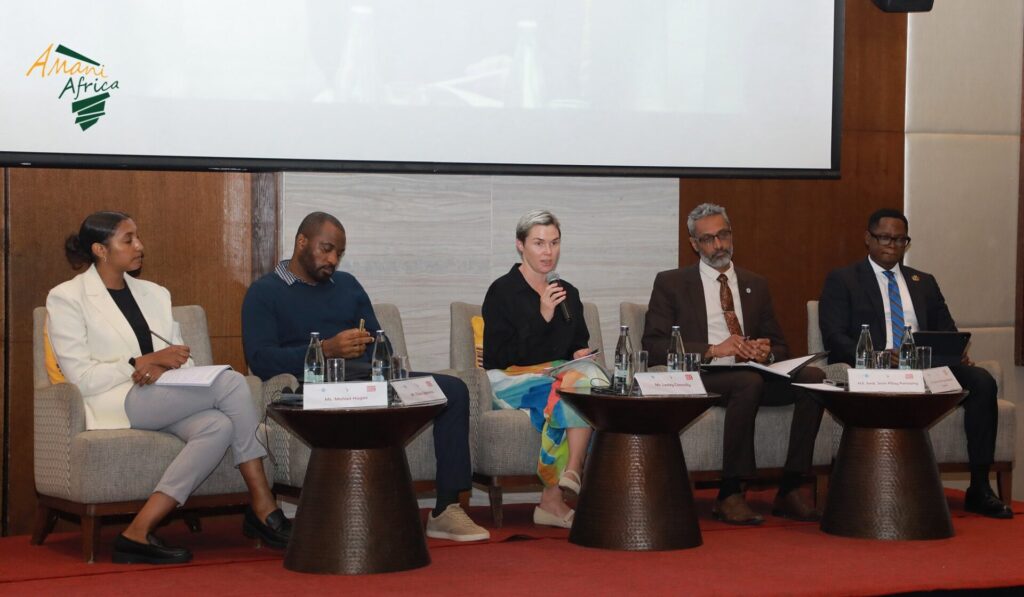
On 17 July 2026 Dr Gounden participated as a panellist in Thematic Session 4, which examined “Contemporary Conflict Dynamics: Addressing the Impact of Mercenary Activities on Peace, Security and Social Cohesion.” The discussion focused on the growing influence of mercenary groups and private military actors in contemporary conflicts and the challenges they pose to peace, security and post-conflict recovery.
Contemporary armed conflicts are characterised by an unprecedented and growing wave of violence, a phenomenon most evident in the proliferation of mercenaries and private military and security companies. This historical evolution in the nature of conflict has, in recent decades, assumed an unprecedented dimension, being exploited by states, non-state actors and interest groups in pursuit of geopolitical, economic and power-related objectives. UN Resolution A/RES/44/34adopted the International Convention against the Recruitment, Use, Financing and Training of Mercenaries.
In recent decades, mercenary activity has increased across Africa, contributing to the weakening of state institutions, the prolongation of conflicts, violations of international humanitarian law and the erosion of social cohesion in affected communities. The African Union Convention for the Elimination of Mercenarism in Africa also condemns the use of mercenaries.
Against this backdrop, Thematic Session 4 examined the impact of mercenary activities on contemporary armed conflicts, focusing on their implications for peace, security, civilian populations and post-conflict recovery. The session distinguished mercenarism from Private Military and Security Companies, analysed the role, financing and operations of mercenary actors in African conflicts, assessed the effectiveness of existing legal and institutional frameworks, identified normative gaps and good practices, including lessons from Angola, and formulated recommendations to strengthen multilateral responses, the African Peace and Security Architecture, and national capacities to reduce reliance on private armed actors.
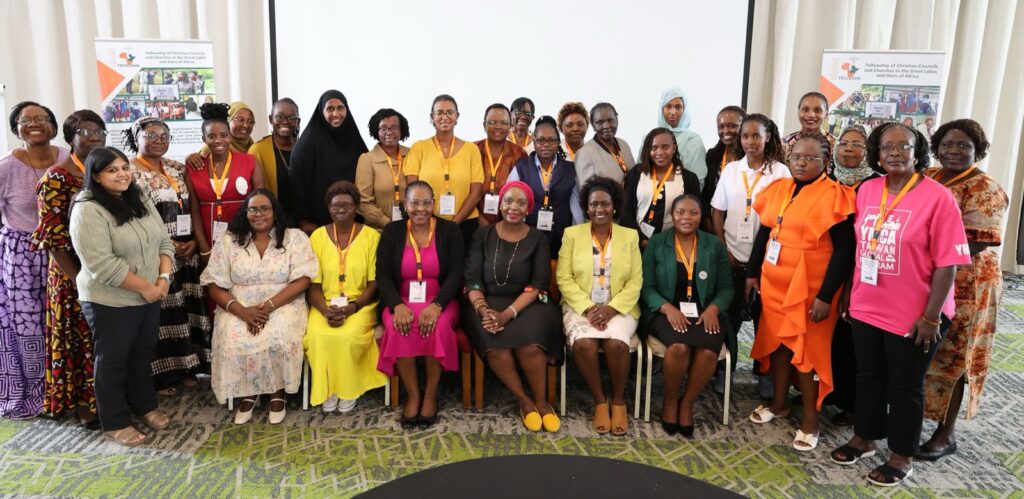
The Summit also explored the role of women, youth and religious leaders in promoting peace and preventing conflict, underscoring the need for inclusive approaches to sustaining peace at local, regional and global levels.