
Conflict & Resilience Monitor – 26 March 2025
Humanitarian diplomacy seeks to leverage negotiation, advocacy, and dialogue to promote adherence to international humanitarian laws and facilitate peacebuilding efforts

Humanitarian diplomacy seeks to leverage negotiation, advocacy, and dialogue to promote adherence to international humanitarian laws and facilitate peacebuilding efforts
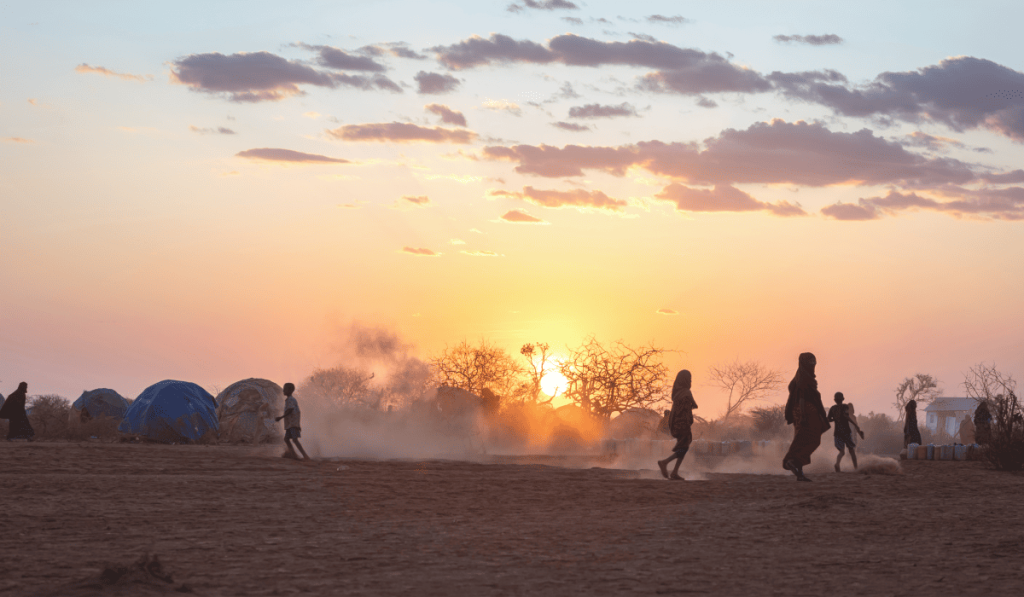
The first Conflict and Resilience Monitor for the year begins with two articles on one of the crises currently seizing global attention, which is the unfolding events in the eastern
This study lists the main reasons for why the colonial-era crimes in the Democratic Republic of Congo were not investigated. The discussion looks at gaps in the legal framework, the configuration of the judiciary, and an informal agreement between the DRC and the Belgian governments.
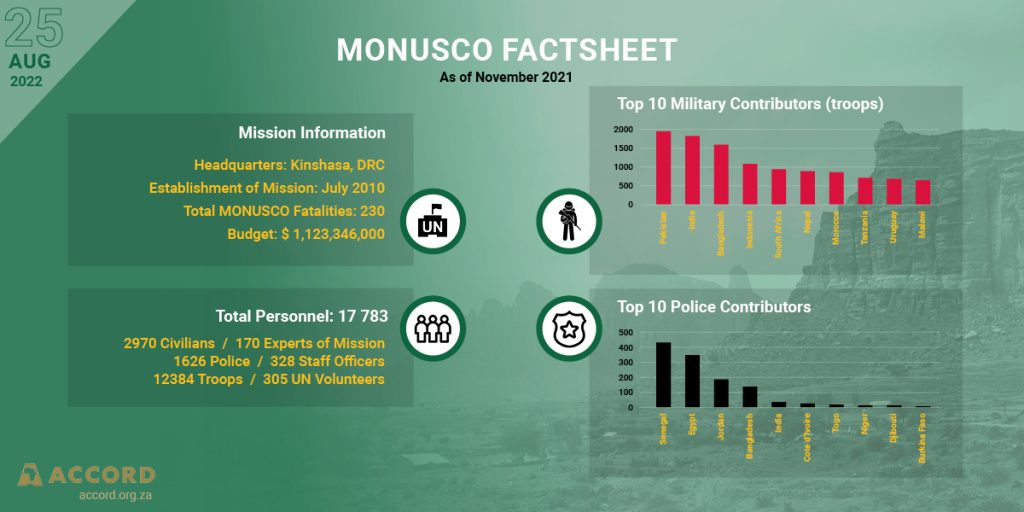
MONUSCO is a victim of the deteriorating image of a weak international community and the UN peacekeeping operations have been portrayed as selling an illusion of peace rather than imposing it.
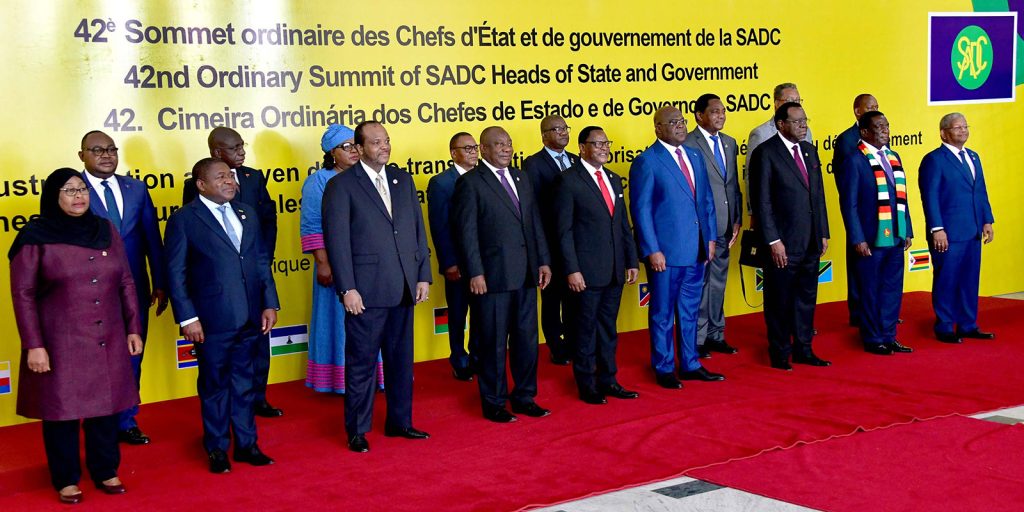
On 17 August 2022 SADC held its 42nd Ordinary Summit under the theme “Promoting industrialisation through agro-processing, mineral beneficiation and regional value chains for inclusive and resilient economic growth.”
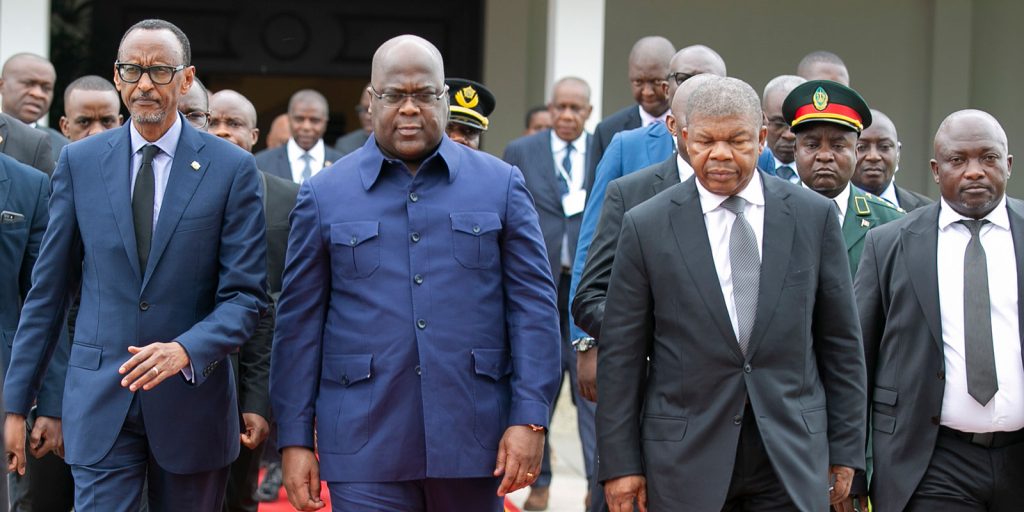
In the past weeks tensions between the DRC and Rwanda were on the rise once more. These tensions are also an indication that previous agreements between the DRC and Rwanda still suffer from lack of implementation.
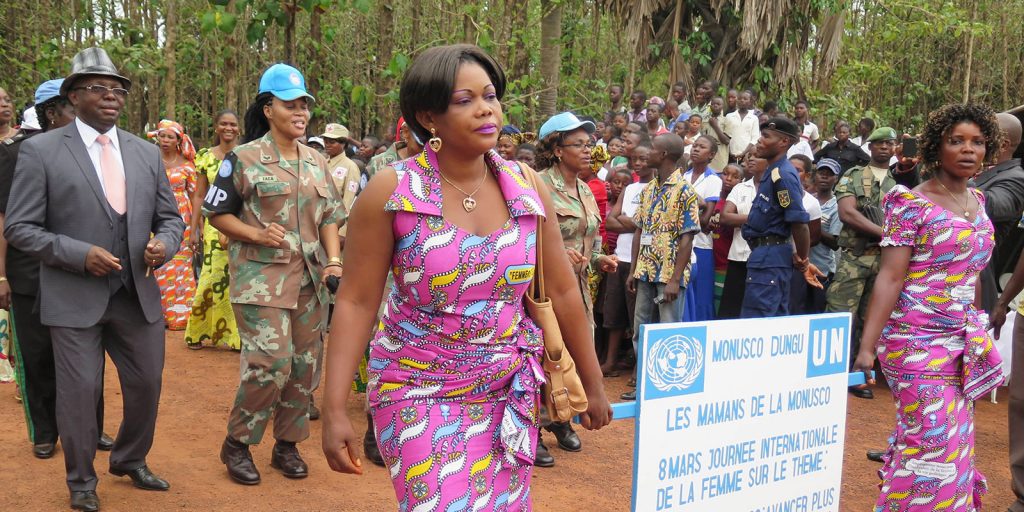
Research on women, peace and security provides strong evidence that gender equality and women’s empowerment are associated with more peaceful and stable outcomes. The United Nations Stabilization Mission in the Democratic Republic of the Congo (MONUSCO) facilitates the inclusion of women peace activists in local conflict, early warning and prevention mechanisms.
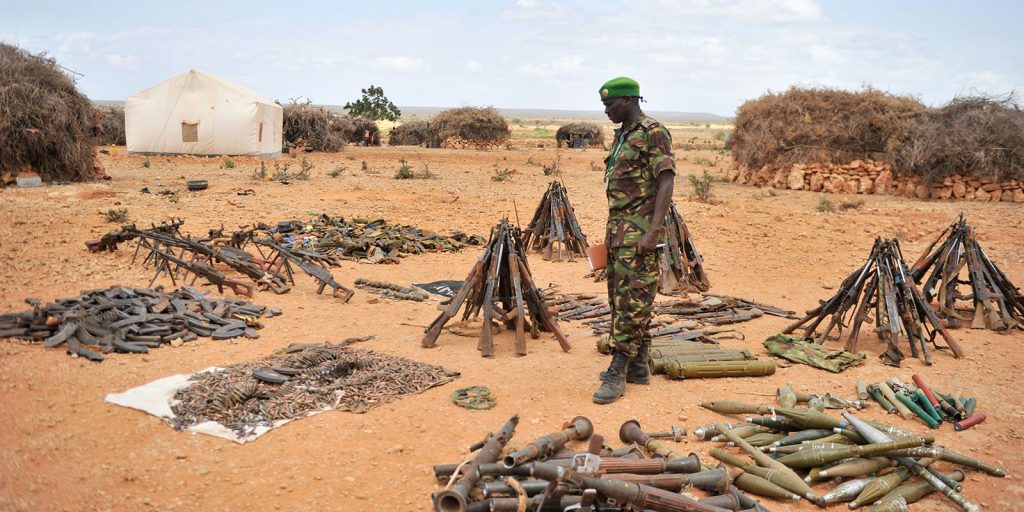
The goal of Silencing the Guns (STG) was to achieve a conflict-free Africa and rid the continent of all wars and conflicts. Conflicts have persisted, resulting in the STG agenda being extended to 2030, in the hope that by then Africa will have cured itself of the plague of conflict.
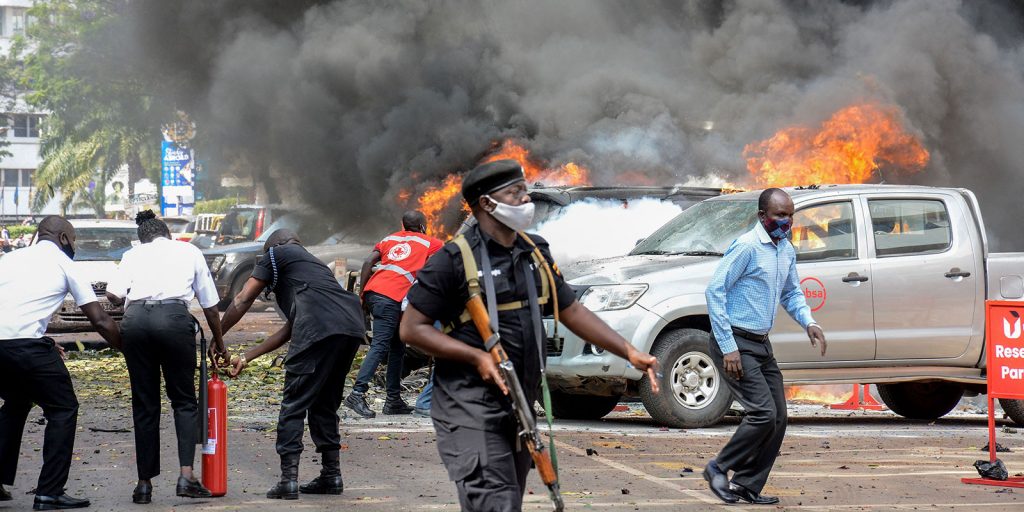
Eastern Africa has two primary terrorism hotspots. The first is Somalia. It has experienced continuous instability since 1991, due to clan-based warlords and the lack of a functioning central government. Secondly, similar to Somalia, the eastern part of the DRC has been a hotspot since its own civil war from 1997 to 2003.

The crippling socio-economic and emotional toll of the pandemic has been countered by an inspired, energetic, and resilient youth who have organised, volunteered, and used their generation’s knowledge of technology and global networks to ‘bounce back better.