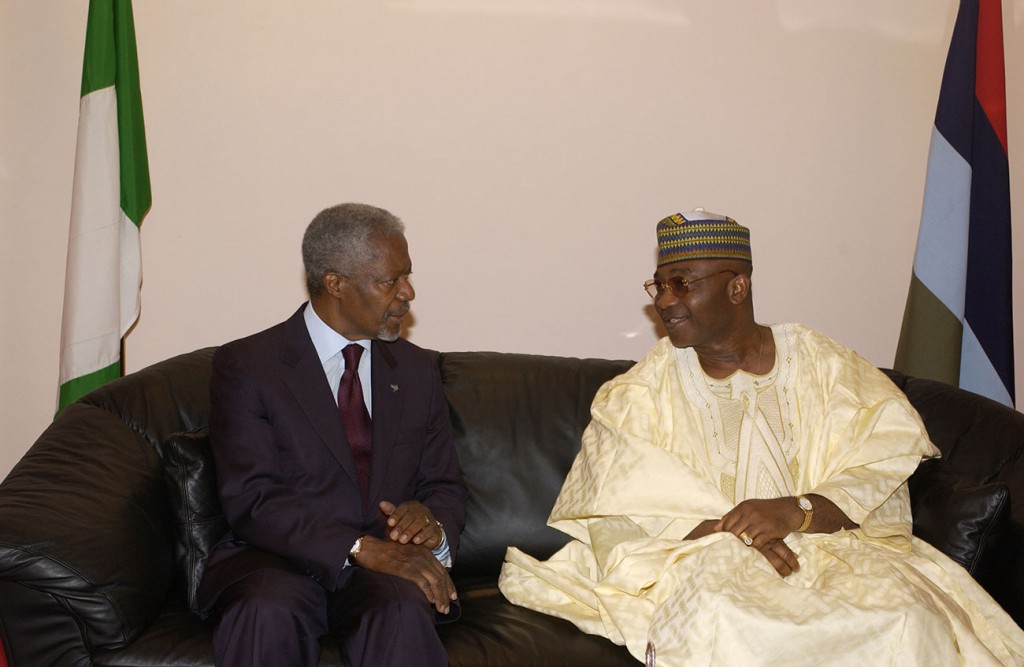
Nigeria’s 2015 general elections
An analysis of Nigeria’s socio-political climate in the months leading up to its 2015 general elections.

An analysis of Nigeria’s socio-political climate in the months leading up to its 2015 general elections.
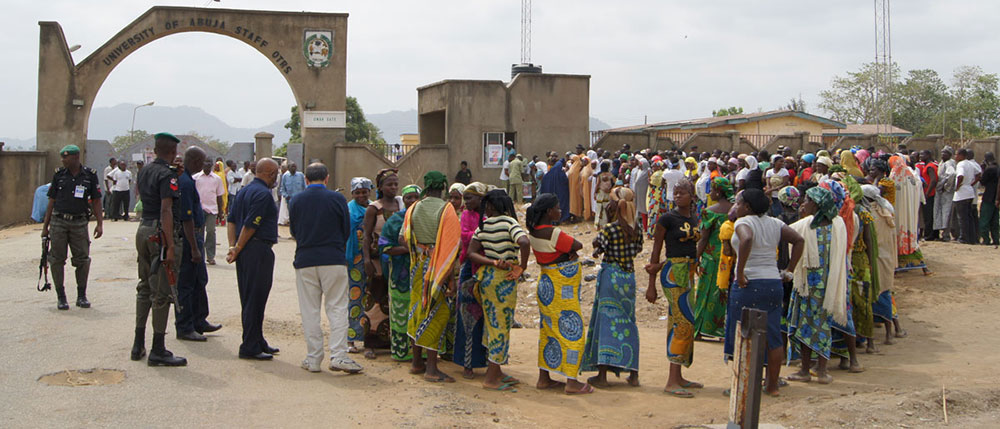
Shola Omotola and Nyuykonge are the co-authors of ACCORD’s topical PPB, which focuses on Nigeria’s upcoming election.
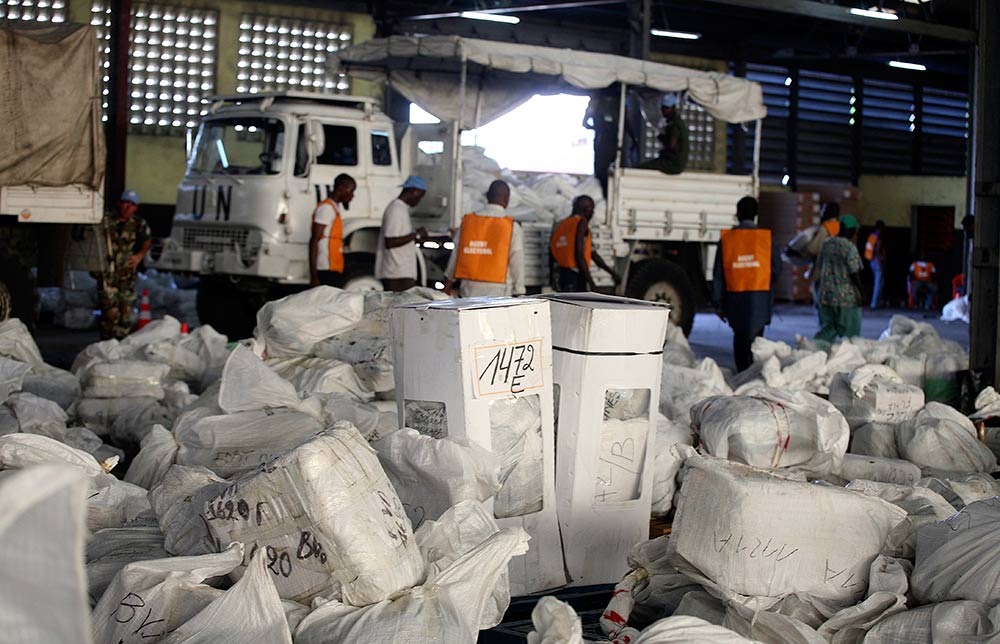
A discussion of how self-sustaining constitutional laws are necessary to achieve sustainable peace in Africa’s newly democratised nations
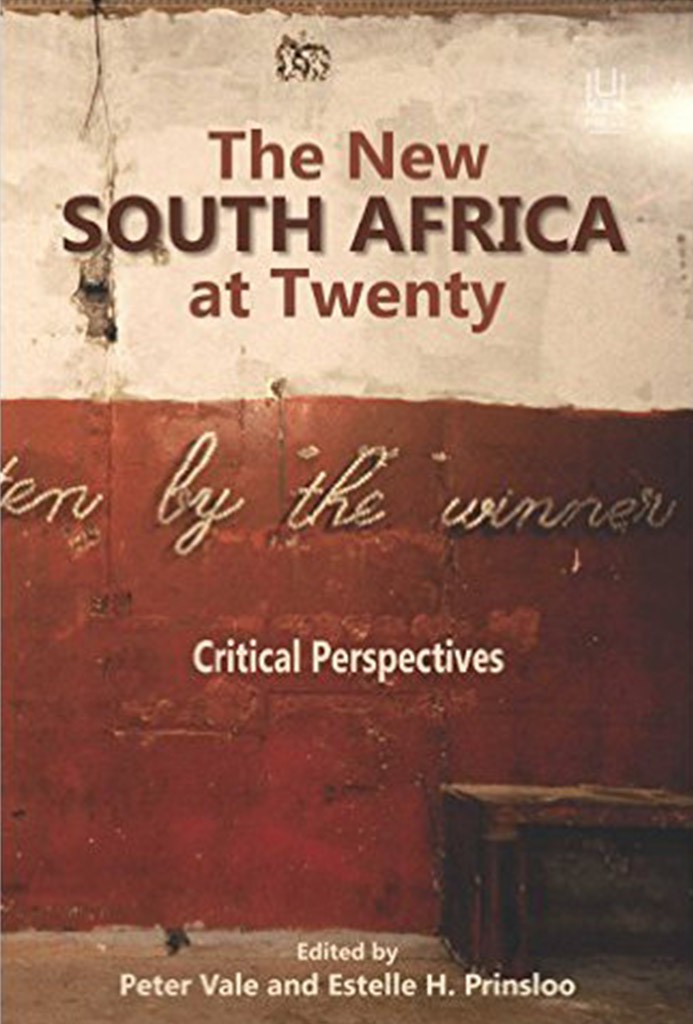
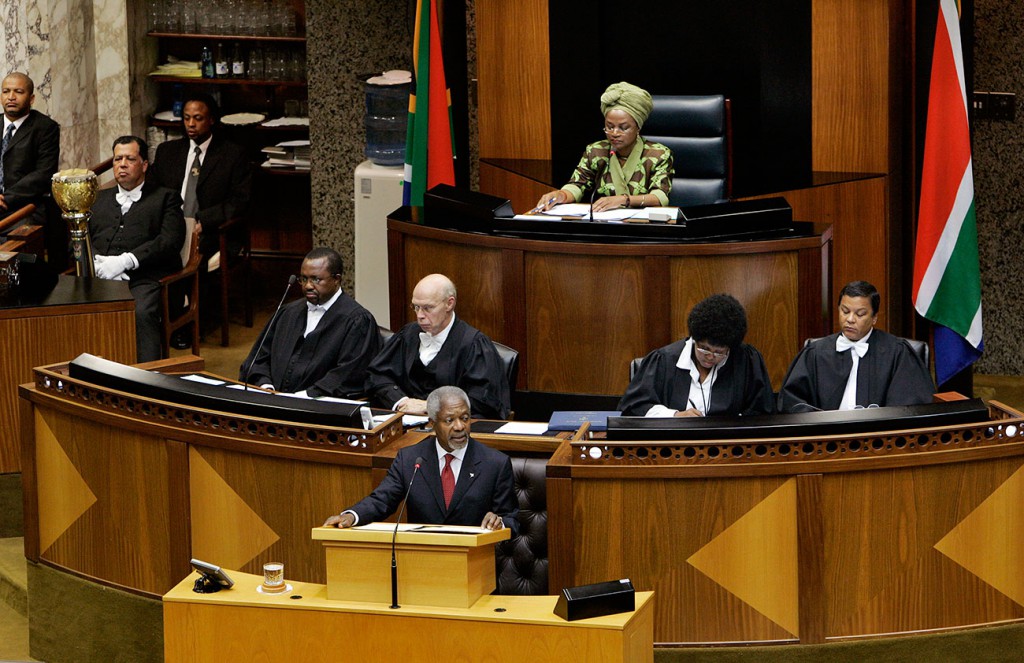
South Africa’s democratic transition in 1994 remains one of the most analysed, lauded and respected political transitions, for numerous reasons, in modern times. The definitive character of the transition, with
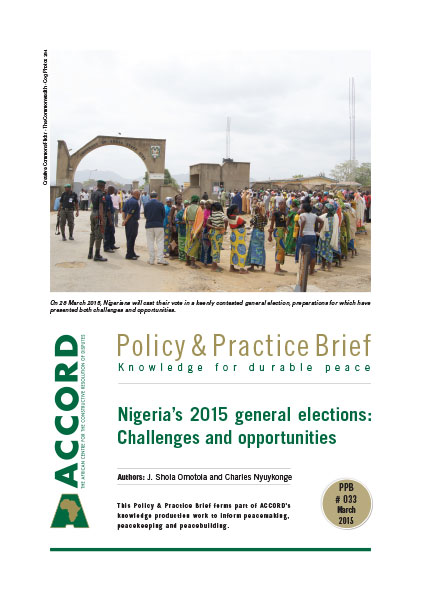
Concerns over the disparities within Nigerian society loom in the face of the country’s upcoming general elections
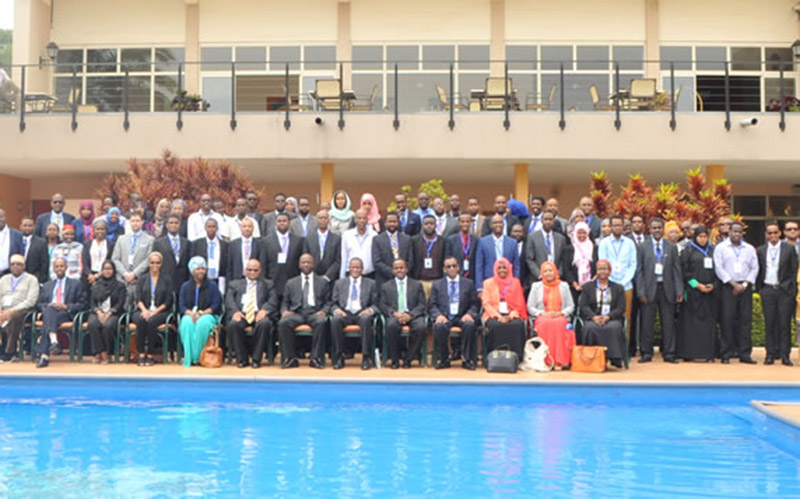
Joint deliberations on the roles played by the diaspora in the development and policy-making of their home-countries.
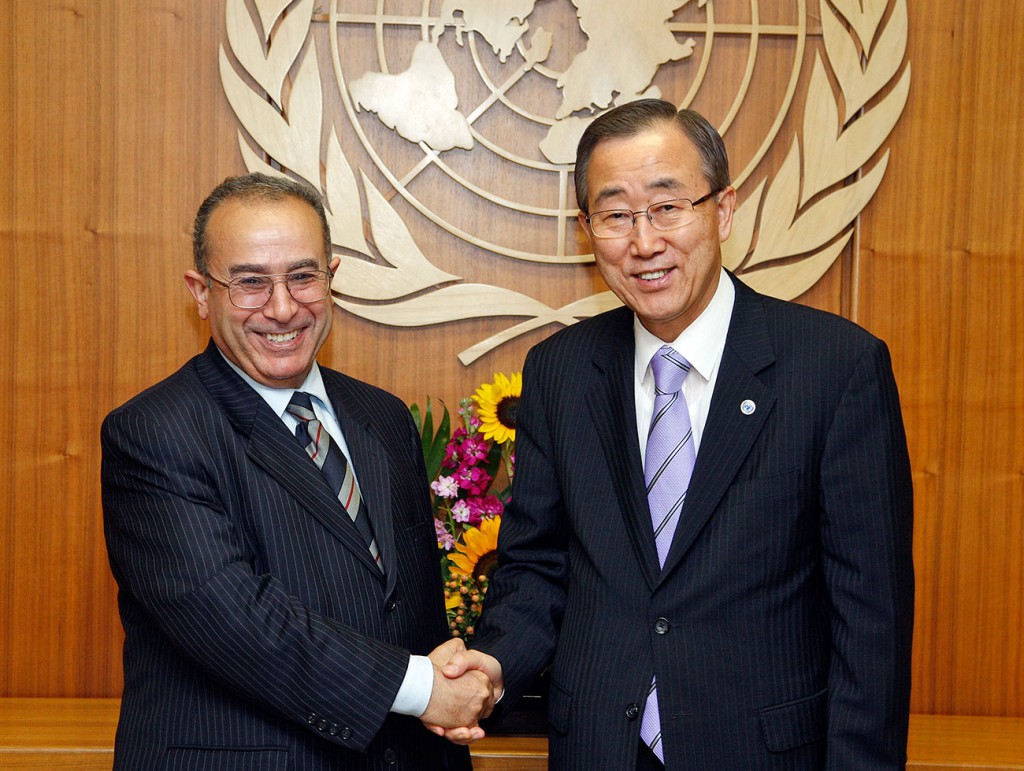
An international review of the developments and challenges in African peace operations over the past decade.
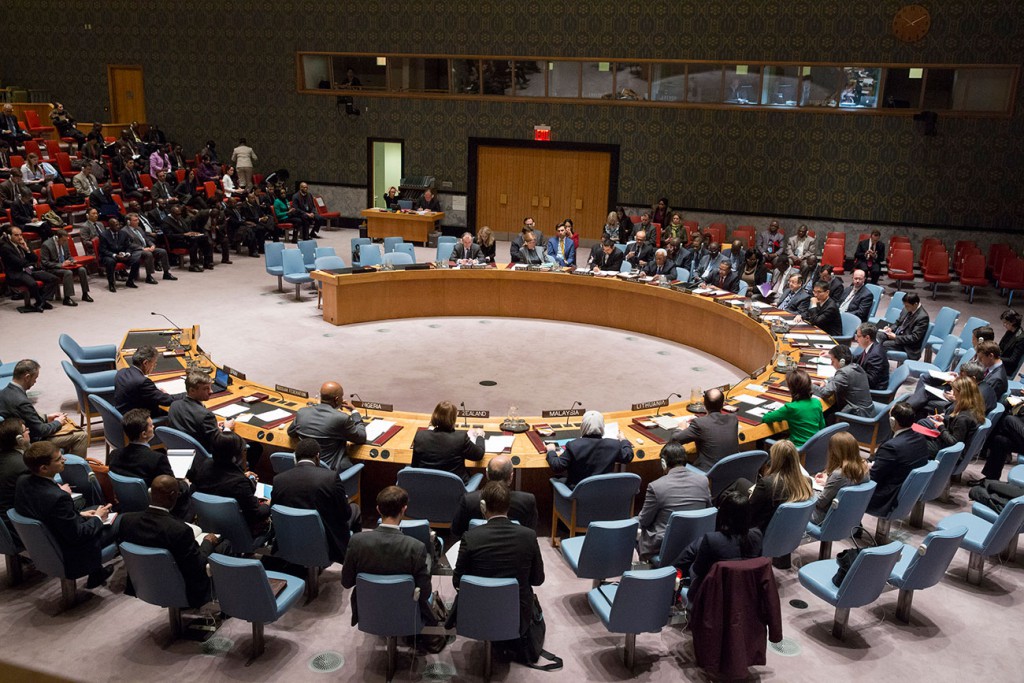
Creating strategies to further strengthen Africa’s civilian capacity and ensure coherence and coordination in the civilian rostering process.
The current instability in the Democratic Republic of the Congo (DRC) can be traced back to late former President Mobutu Sese Seko’s rule during the late 1980s. The country’s economic
Parliamentarians discuss and analyse the causes and ramifications of conflict-induced migration in our era of unprecedented mobility.