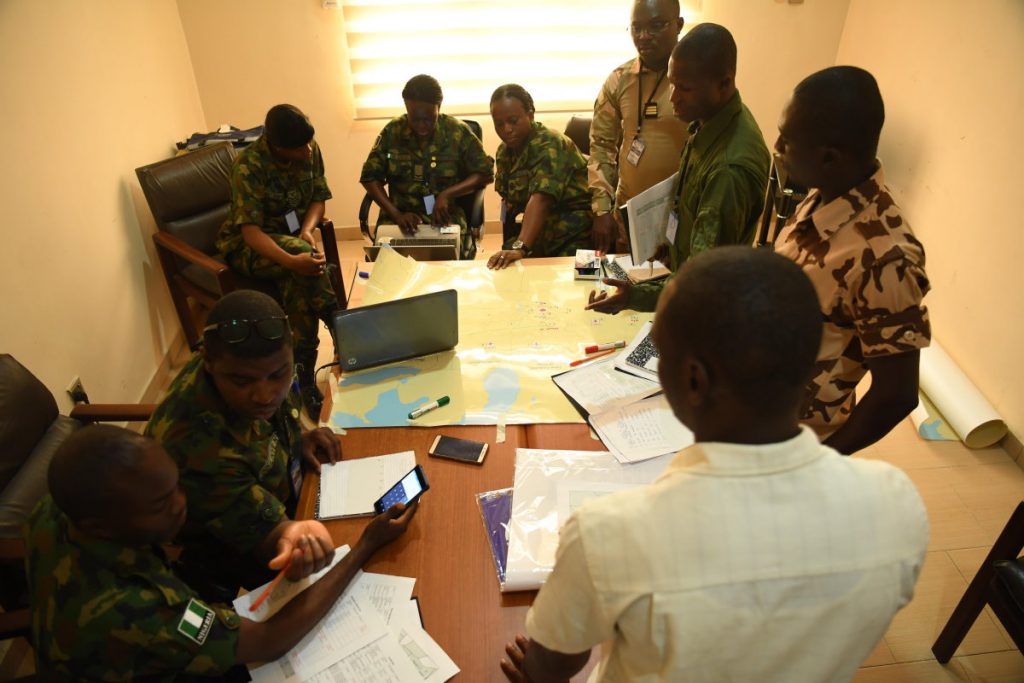
What works? The African Union’s ad hoc approach, the African Standby Force or the African Capacity for Immediate Response to Conflict?
Querying the competency of the ASF and ACIRC in achieving stability in African conflict areas.

Querying the competency of the ASF and ACIRC in achieving stability in African conflict areas.
The International Peace Institute published a new paper written by Gretchen Baldwin and Sarah Taylor. The paper provides an overview of how the UN and troop- and police-contributing countries are
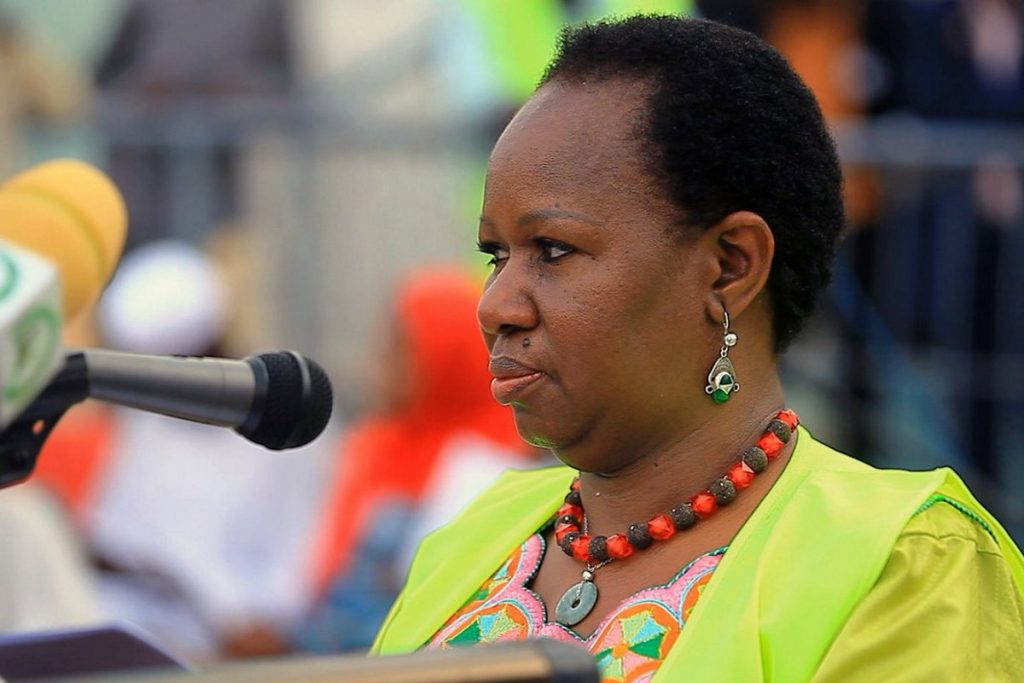
A conversation with Bintou Keita, U.N. Assistant Secretary-General for Africa, and Africa Defense Forum about the benefits and challenges of bringing more women into peacekeeping. Originally from Guinea, Bintou Keita
On 27 November 2019, the EU Delegations to Mozambique and South Africa, the African Centre for the Constructive Resolution of Disputes (ACCORD) and the EU Institute for Security Studies (EUISS)
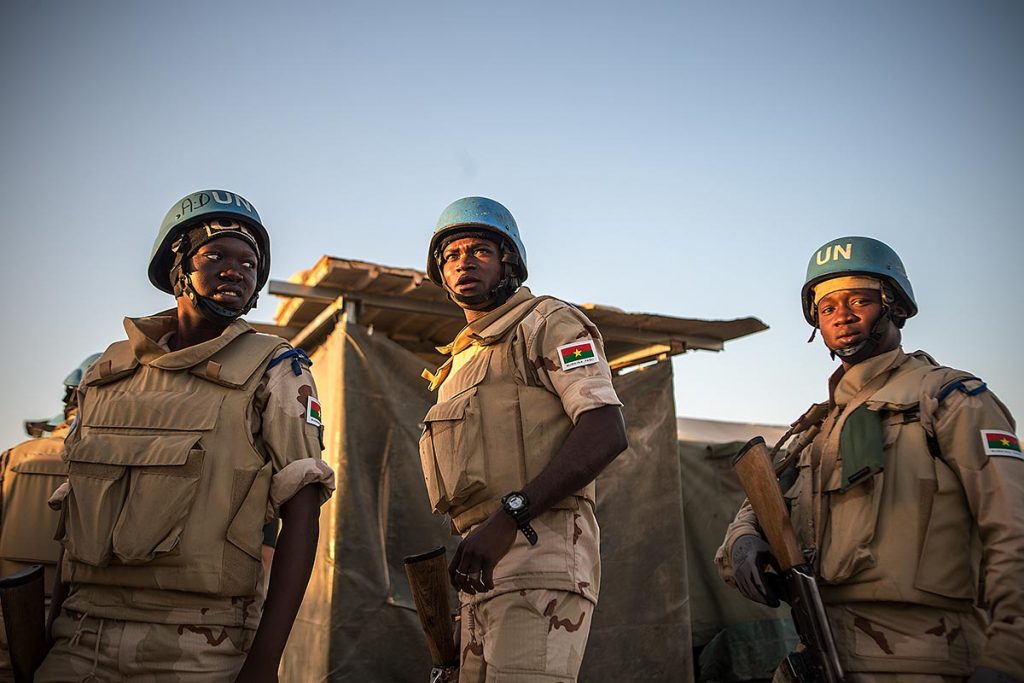
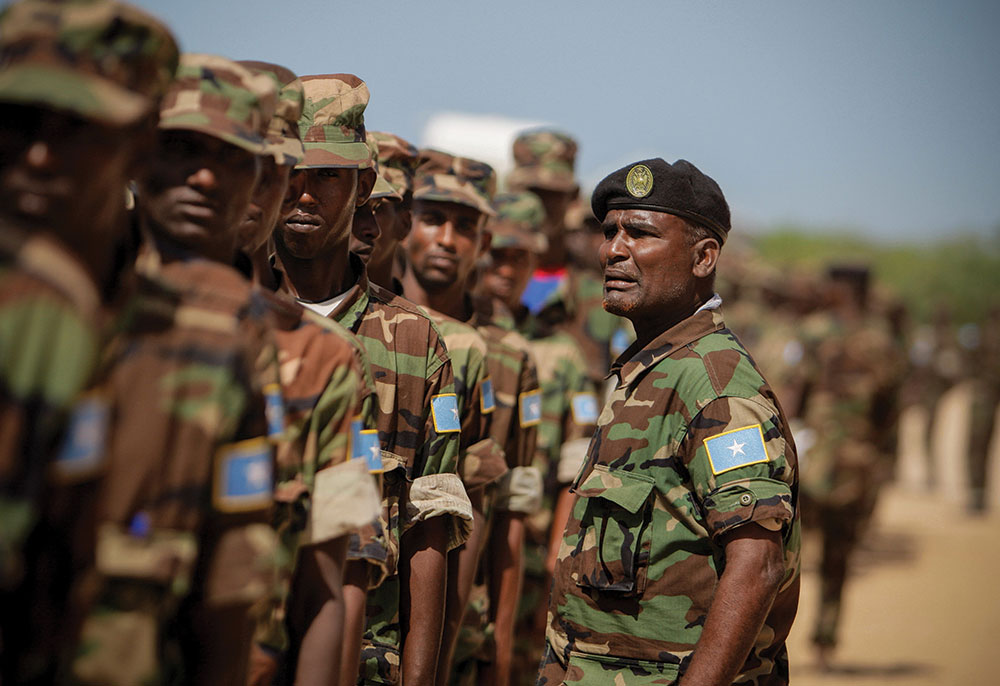
An analysis of two of the most important peacekeeping operations on the African continent, namely those in Mali and Somalia.
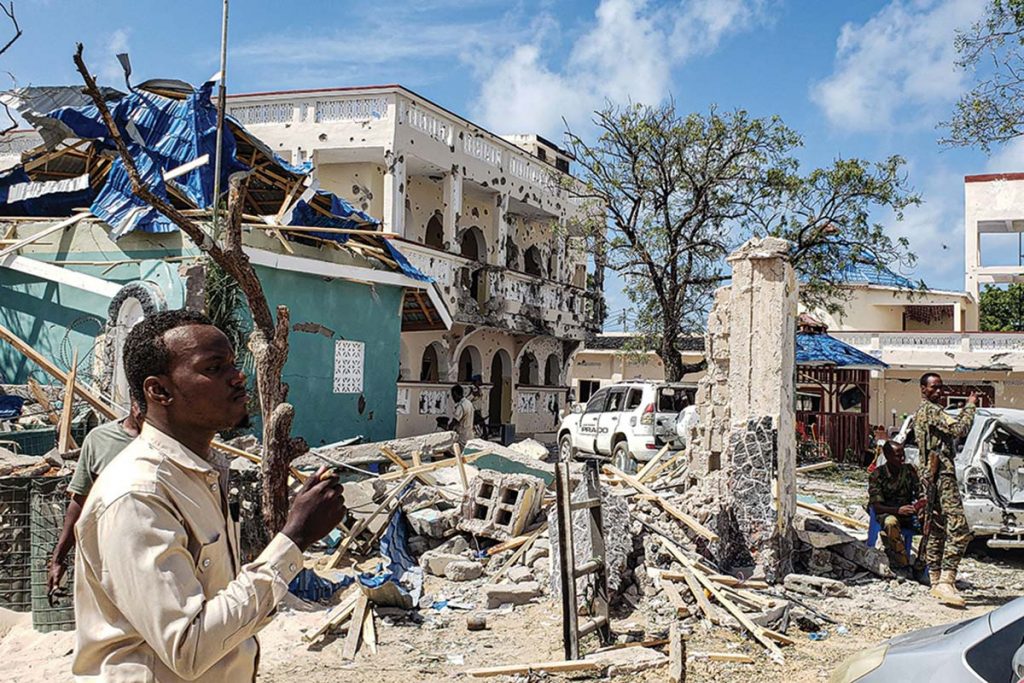
Highlighting three common trends that make North African countries vulnerable to terrorism: poverty/unemployment, poor state governance, and civilian grievances.
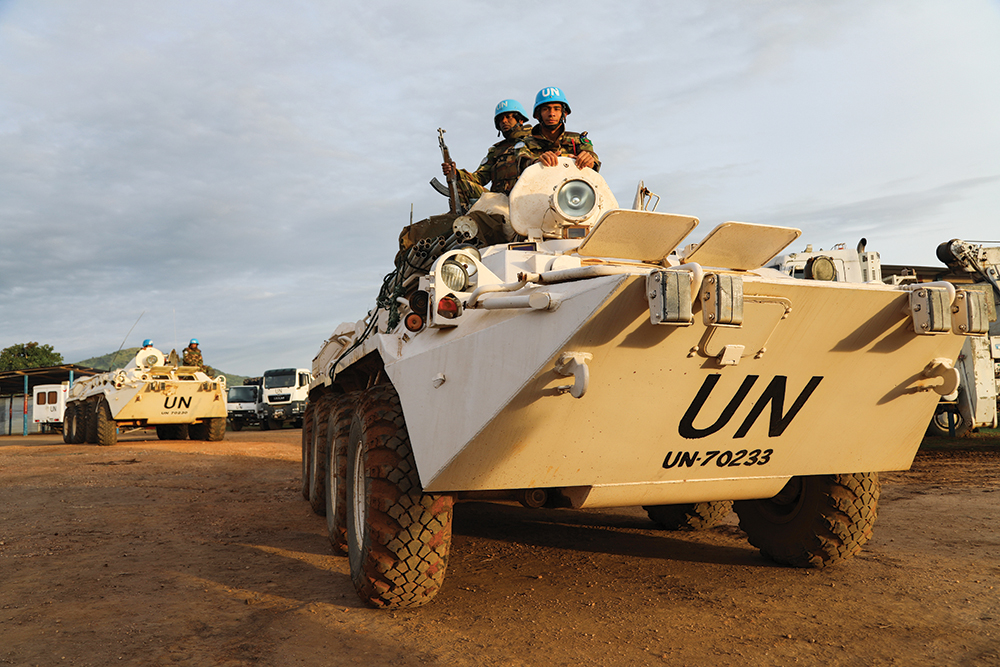
Discussing the issues surrounding the DRC’s elections and the implications for stability in its post-election environment.
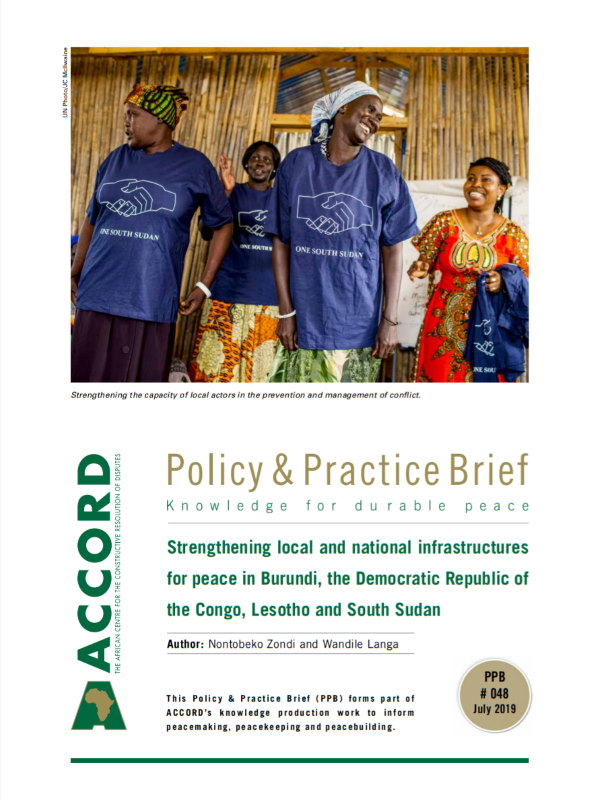
Executive summary In 2016, ACCORD outlined its 2017-2021 Six-Pillar Strategy, which seeks to contribute to sustainable peace, security and development in Africa by mitigating conflict. One of the critical pillars
Outlining the definitions of “new wars” and “old wars”, and the numerous distinctions that exist between them.

Members of the TfP partnership consider and endorse suggestions for the possible future continuation of the TfP programme.