Issue No: 02/2026

Conflict & Resilience Monitor – March 2026

The Conflict and Resilience Monitor offers monthly blog-size commentary and analysis on the latest conflict-related trends in Africa.

Photo Credit: Eduan/ACD

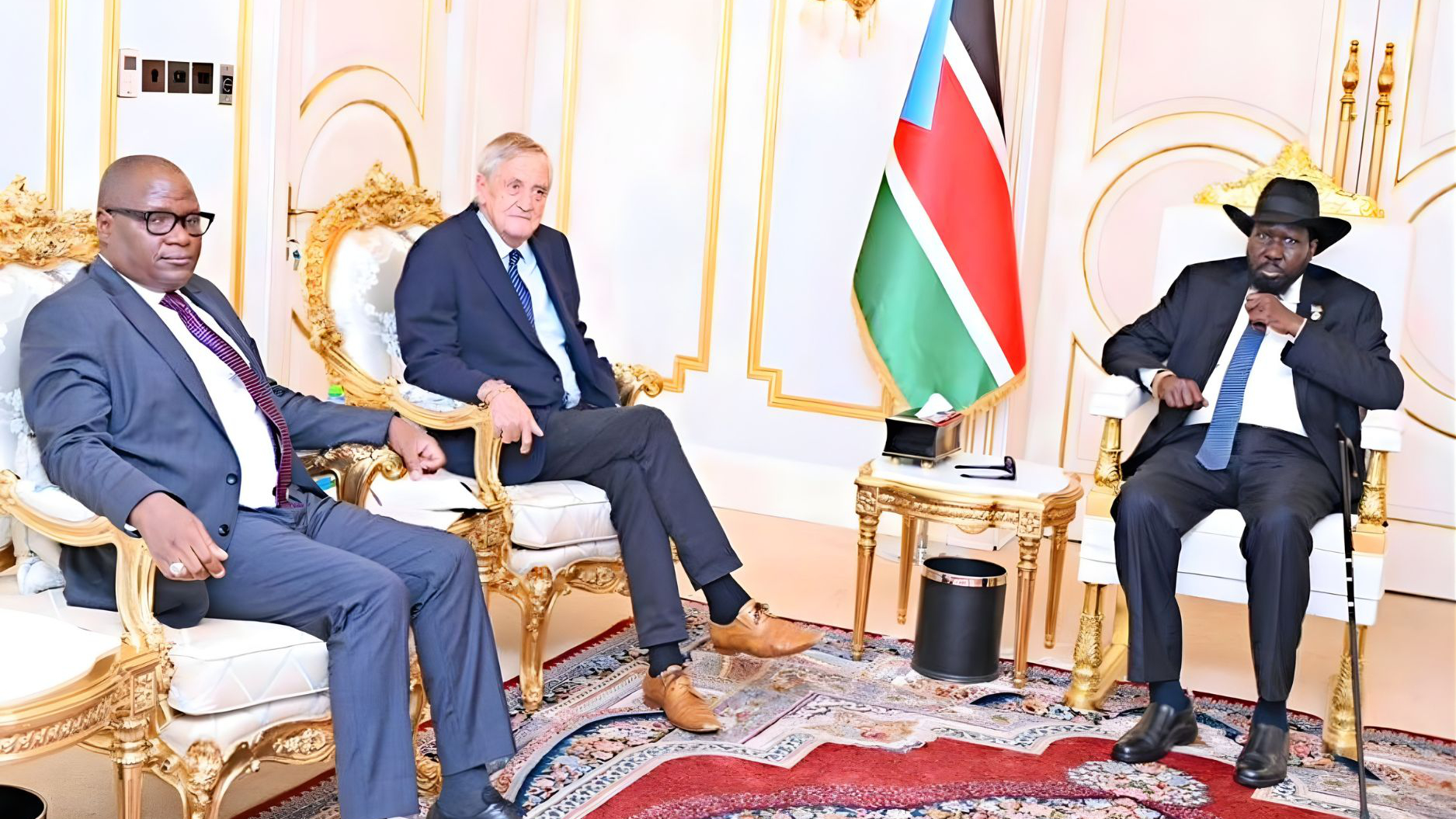
We begin this month’s Monitor with a tribute to the life and legacy of Nicholas ‘Fink’ Haysom who recently passed away, written by Boitshoko Mokgatlhe. In this article, Haysom is remembered for his principled belief in human dignity and his commitment to finding peace in even the most complex of conflicts. He played a key role in peace processes in both Sudan and South Sudan, often quietly behind the scenes. His legacy will be of someone committed to building a more peaceful and just world.

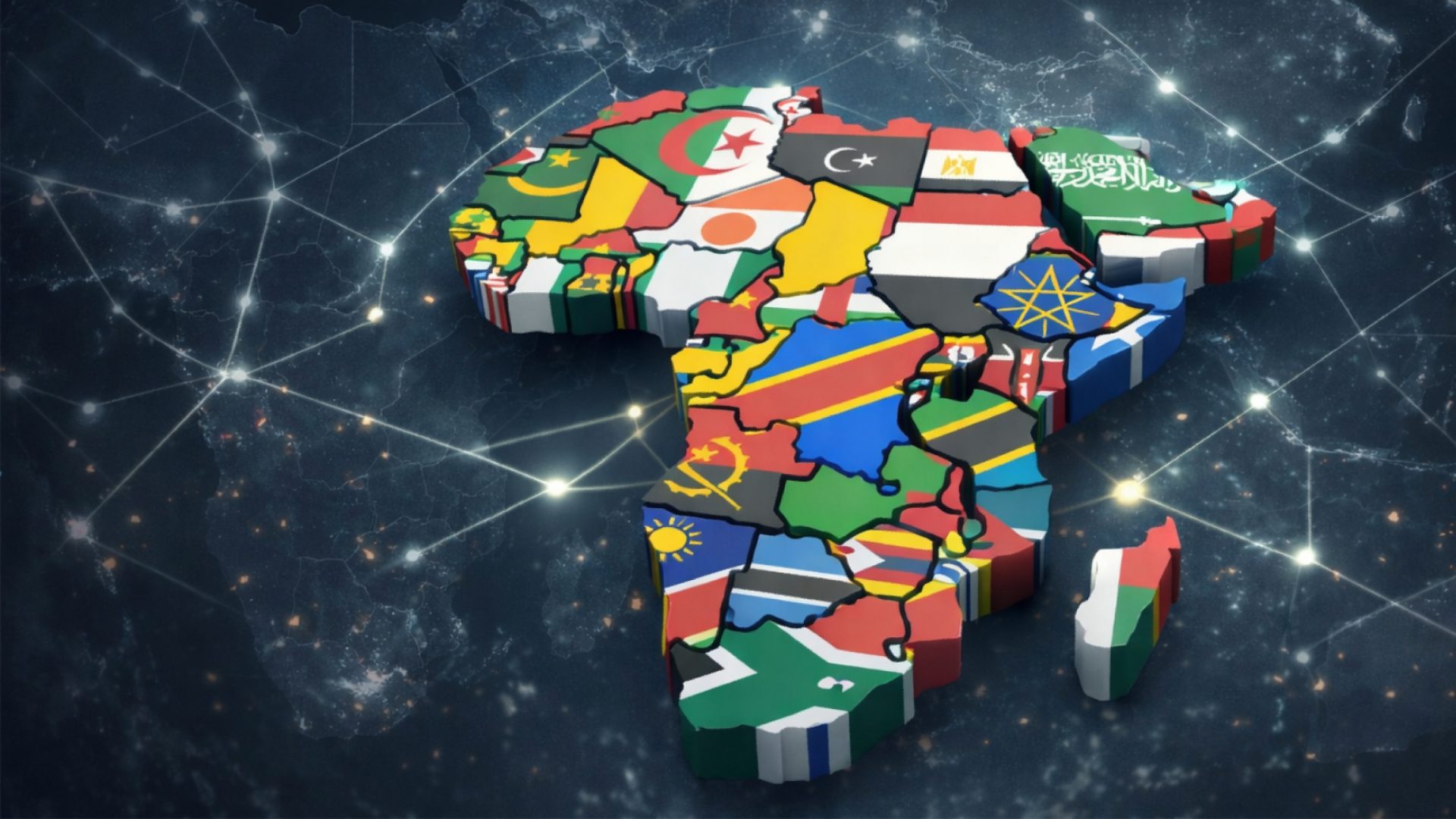
This is followed by an article from J. ‘Kayode Fayemi who reflects on the current state of relations between the West and Africa during this time of changing global forces. He writes that now is the time for Africa to work together as a bloc and forge new systems and partnerships that are more beneficial to Africa and African growth. This requires the West to look at Africa as an equal partner and not just as place for exploitation and resource extraction.

Abraham Ename Minko writes about the increasing risk of hybrid threats to peace and security in Africa. These threats include cyber warfare and disinformation campaigns which influence the outcomes of political events. As such, regional bodies and the African Union (AU) need to adapt to these new challenges and ensure that their security frameworks can address the challenges of the changing security landscape.

Finally, Xanthe Gittings writes about the erosion of sovereignty in the current global climate. Following tragedies such as the Rwandan genocide, both Africa and the international community revised their understanding of sovereignty, by developing the Responsibility to Protect which would allow for intervention in the case of genocide, crimes against humanity and war crimes. However, recent developments indicate that the humanitarian justification of violations of sovereignty have disappeared and have been replaced by violations in pursuit of national self-interest.
Chief Editor: Conflict & Resilience Monitor​
Managing Editor: Conflict & Resilience Monitor
Assistant Editor: Conflict & Resilience Monitor​
Photo supplied by Boitshoko Mokgatlhe
Leadership

When Decency Becomes Legacy: Remembering Nicholas ‘Fink’ Haysom

  • Boitshoko Mokgatlhe 

It is not often that one encounters a life in which professional excellence and human decency are so closely intertwined that they become indistinguishable. The passing of Nicholas ‘Fink’ Haysom invites reflection not only on a distinguished career, but on the quiet and enduring power of integrity in public service.

Read More
Photo Credit: John Gillespie
Leadership

Africa–West Relations at a Turning Point: Interests, Agency and a New Bargain

  • Dr John Kayode Fayemi 

The post-Cold War settlement, in which Africa was largely a recipient of rules written elsewhere, is visibly dismantling. A new geopolitical architecture is being assembled, and the question before us is whether Africa will help design it or merely inherit it. So, the burden of this moment is not just analysis, it is commitment to action that changes the terms of engagement.

Read More
Photo Credit: The International Relations and Security Network (ISN)/Abdurrahman Warsameh
Peace and Security

How Can Regional Security Mechanisms in Africa Effectively Address Emerging Hybrid Threats?

  • Abraham Ename Minko

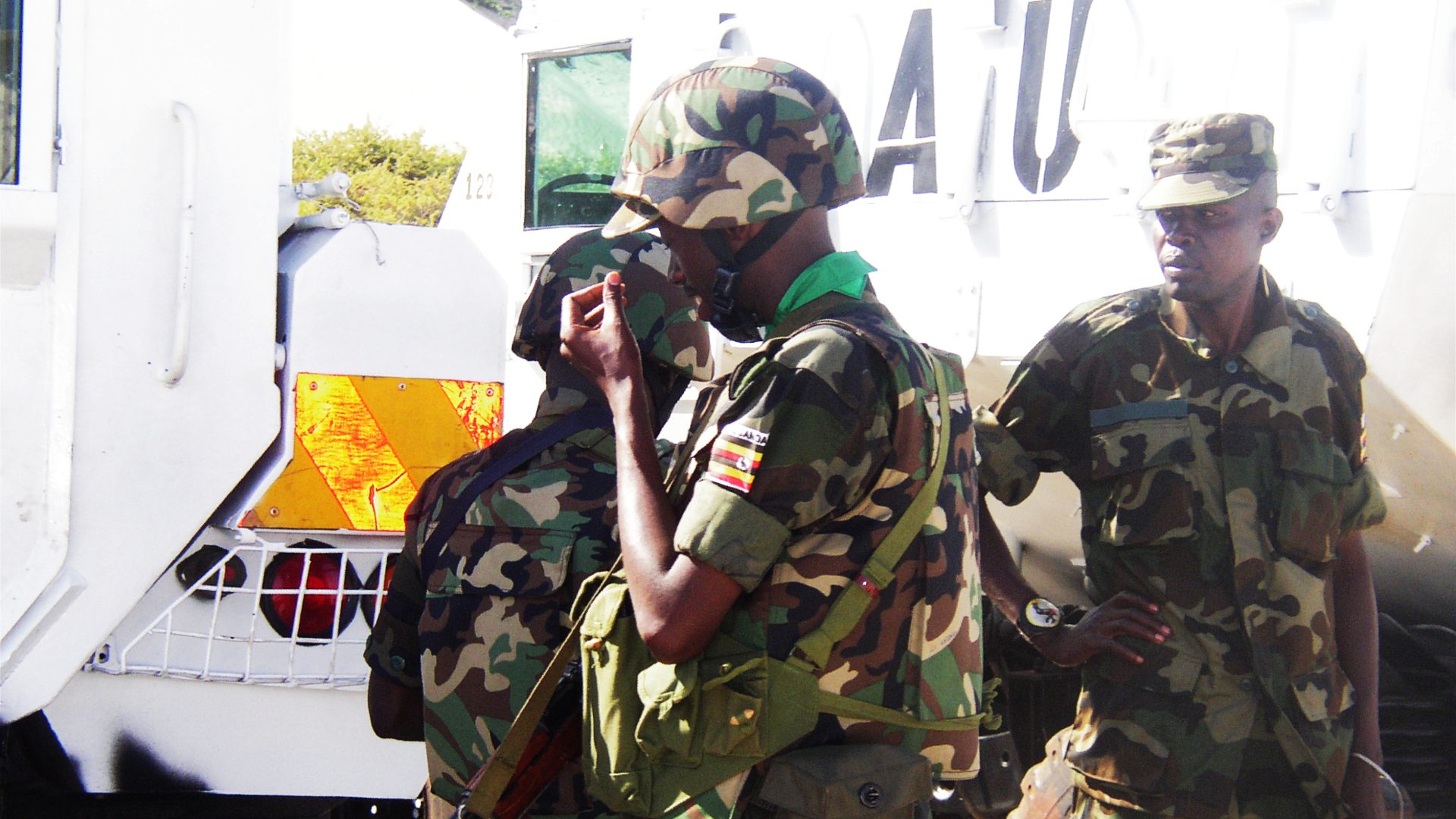
Hybrid threats in Africa encompass a complex interplay of conventional and unconventional security challenges that exploit the continent’s vulnerabilities. These threats, often orchestrated by both state and non-state actors, combine cyber warfare, disinformation campaigns, economic coercion, and insurgent activities to undermine governance, destabilise societies, and weaken regional integration efforts. Unlike traditional military conflicts, hybrid threats operate in the grey zone between war and peace, making them difficult to detect and counter. The multidimensional nature of these threats exacerbates existing structural weaknesses in many African states, where governance deficits, socio-economic inequalities, and fragile institutions provide fertile ground for exploitation.

Read More
Photo Credit: European Union/Christian Jepsen
Peace and Security

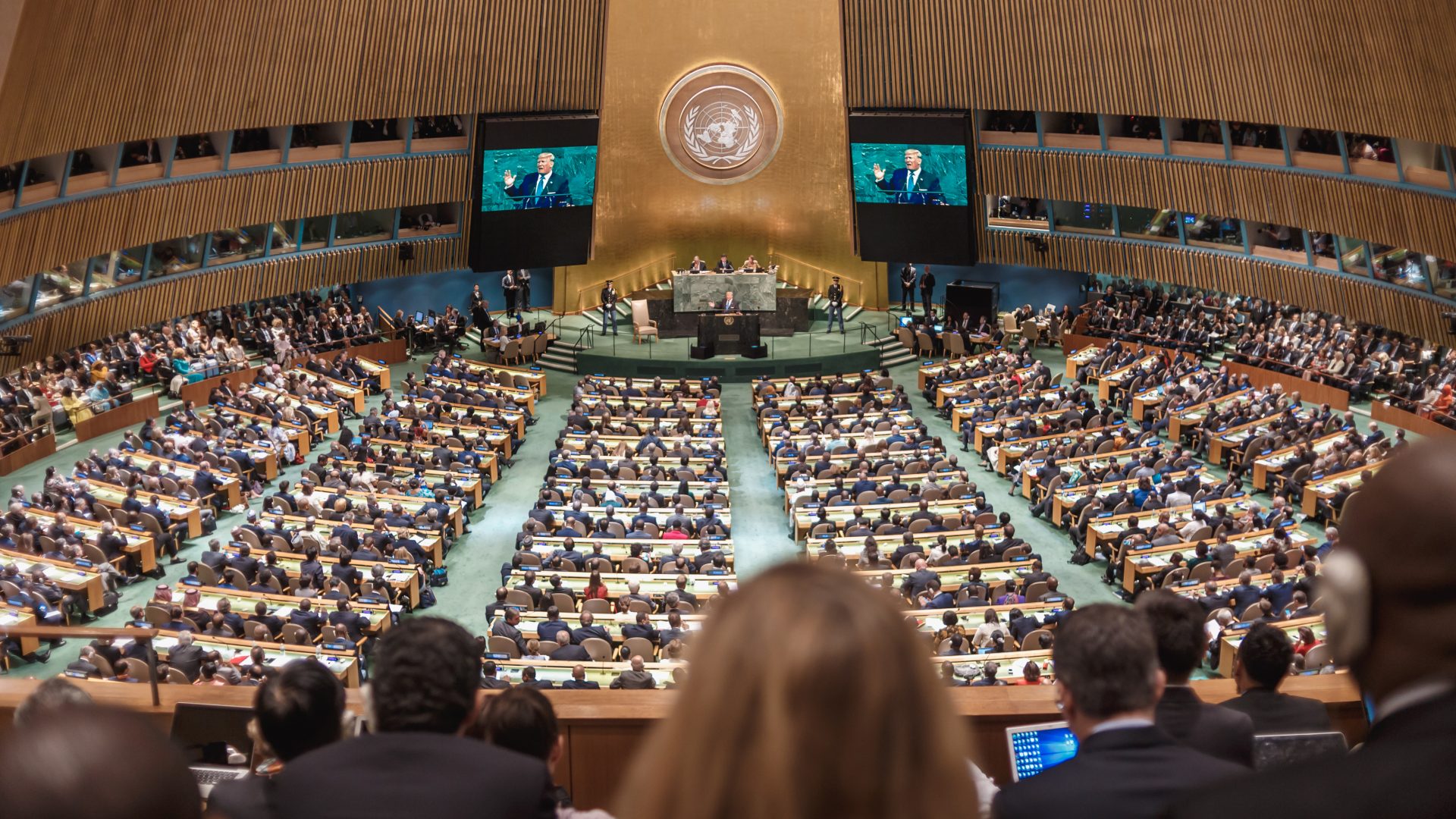
The Regression of Sovereignty: How Africa is Losing Protection Without Gaining Respect

  • Xanthe Gittings

For African states, sovereignty has never been a merely legal abstraction. It was hard-won through decades of anti-colonial struggle and remains central to the continent’s experience of international order. Yet that order is now visibly fraying. Across the continent, sovereignty is increasingly invoked selectively, respected or violated for strategic convenience. This pattern extends beyond Africa. In early January 2026, the United States (US) launched a military operation to capture Venezuelan President Nicolás Maduro and his wife. Days later, US President Donald Trump alluded to the possibility of using force to acquire Greenland. These events, in a troubling evolution of sovereignty norms, pose a significant threat to African states.

Read More

Do you have information to share?

Does any of this information look incorrect to you, or do you have anything to share from your experience on the ground in an African country?

If so, please complete our contact form – we would love to hear from you!

ACCORD recognizes its longstanding partnerships with the European Union, and the Governments of Canada, Finland, Ireland, Norway, South Africa, Sweden, UK, and USA.

TRANSLATE THIS PAGE