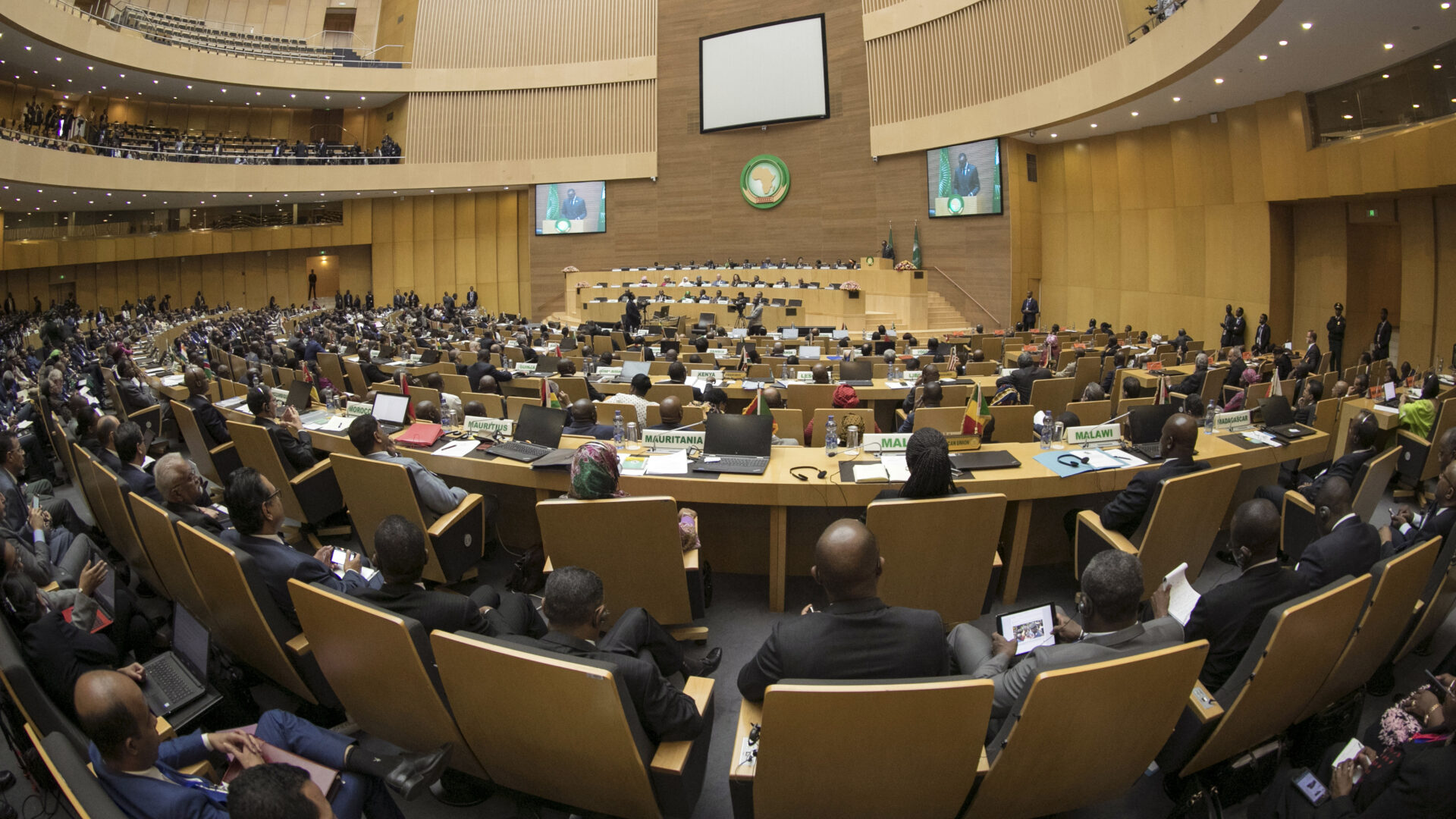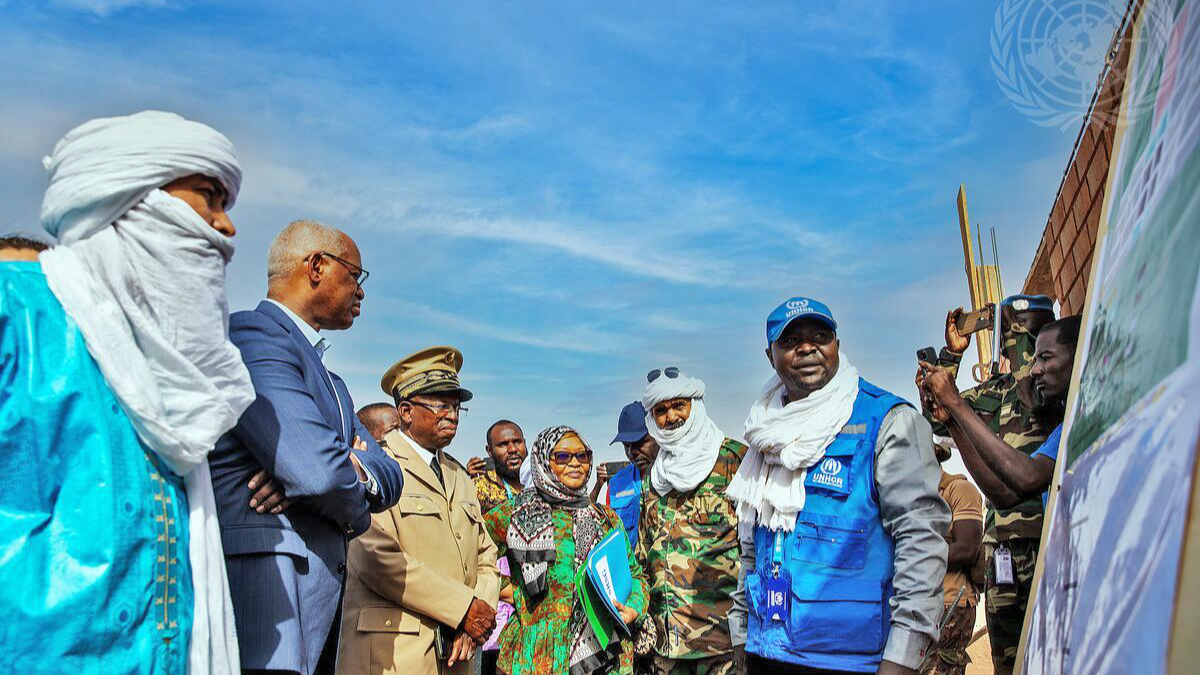
The first annual Peacebuilding Week took place from 22-26 June 2026, to coincide with the 20th anniversary of the inaugural session of the United Nations (UN) Peacebuilding Commission in June 2006. ACCORD has accompanied and supported the work of the UN’s Peacebuilding Architecture since its inception, and is, amongst others, currently co-chairing the CSO-UN Dialogue on Peacebuilding. In recognition of this Peacebuilding@20 anniversary, the June edition of the Monitor is featuring a number of peacebuilding related articles.
We begin with an article by Cedric de Coning, Andrew E. Yaw Tchie, Freedom Onuoha, Saibou Issa and Thor Olav Iversen, who write about the Regional Strategy for the Stabilisation, Recovery and Resilience of the Boko Haram-Affected Areas of the Lake Chad Basin Region (RS-SRR). Their article assesses the influence of the regional strategy on preventing and managing climate-related insecurity.
This is followed by Lesley Connolly’s piece on the importance of incorporating upstream prevention efforts in peacebuilding. While the African Union (AU) has developed a number of peace and security frameworks, they tend to focus on downstream efforts, leaving a gap between continental and international peace efforts, and local and nationally driven efforts.
Andreas T. Hirblinger contributes an article on the growing role of artificial intelligence (AI) in peacebuilding. AI can be used in various phases of the peacebuilding process, but questions have arisen over the trustworthiness of AI models. For example, most AI tools have been developed in the West, and may therefor contain biases and lack training data on conflict conditions in Africa.
The final article in this edition by Shaun Kinnes, discusses the increasing influence of biotechnology, computing and clean energy on geopolitics. The interconnected nature of these three sectors gives them strategic importance for states, particularly in warfare and economic security. Control over various aspects of their production gives states a strategic advantage over others, and the interaction between these sectors should be closely observed.