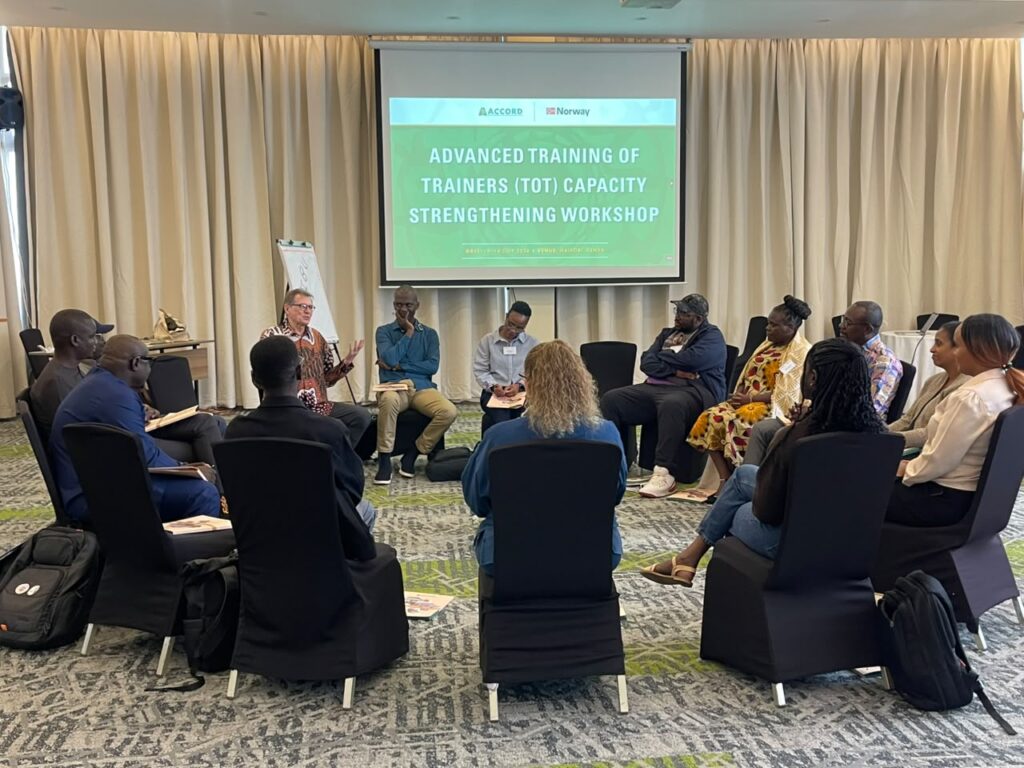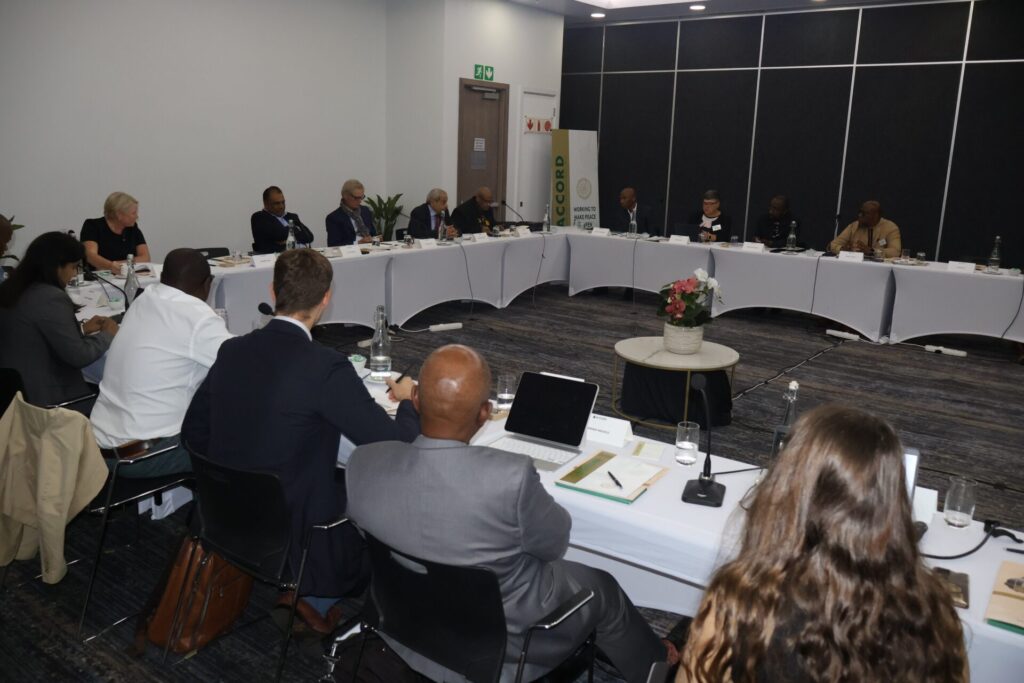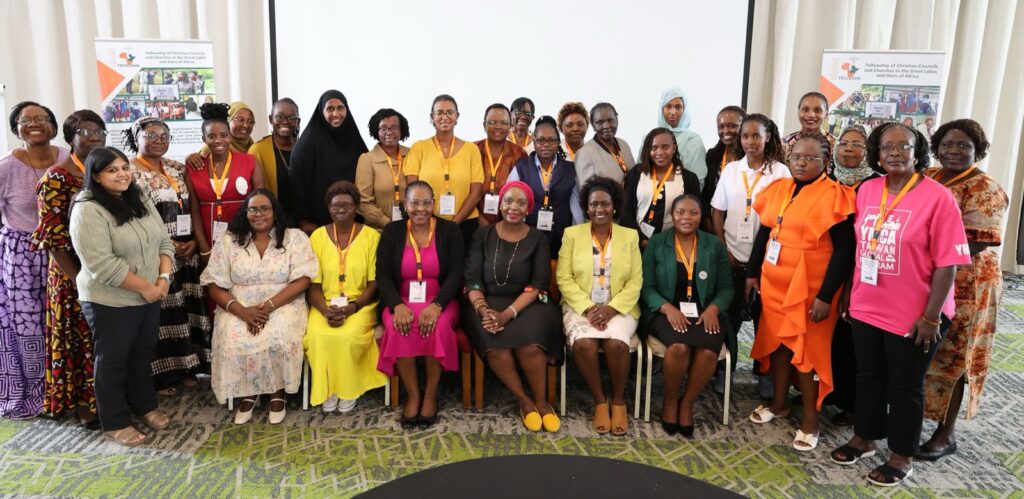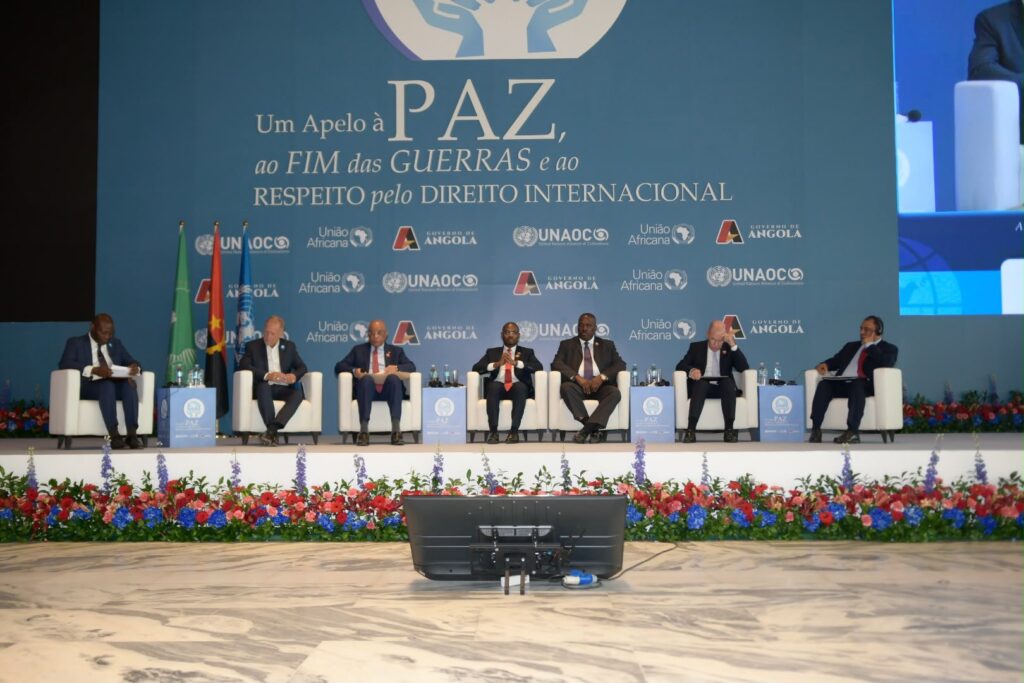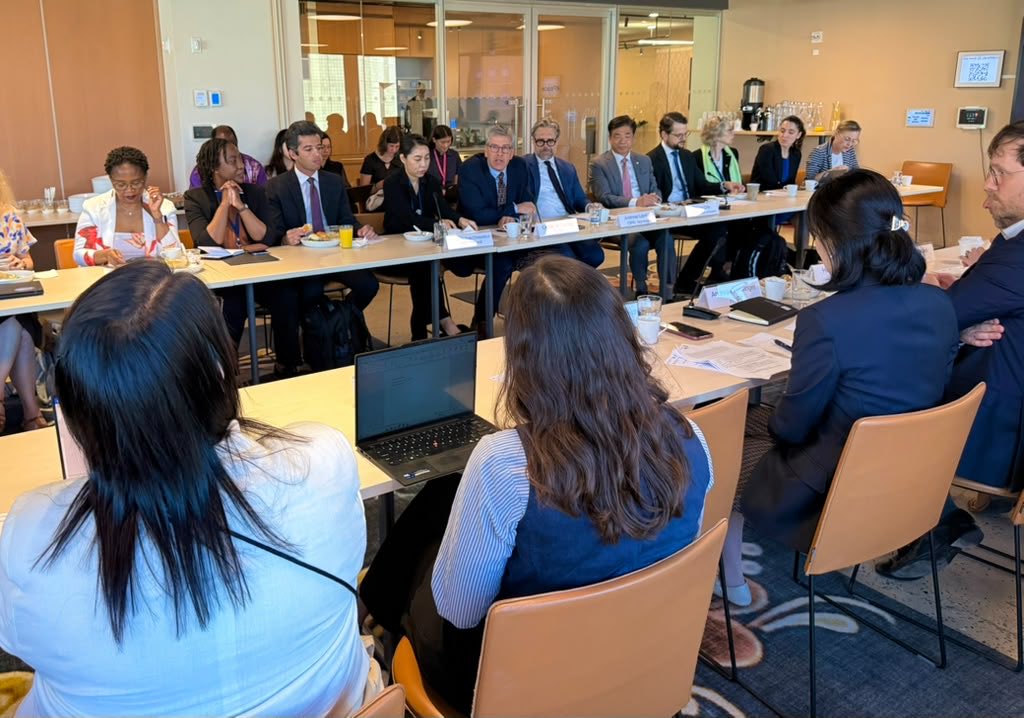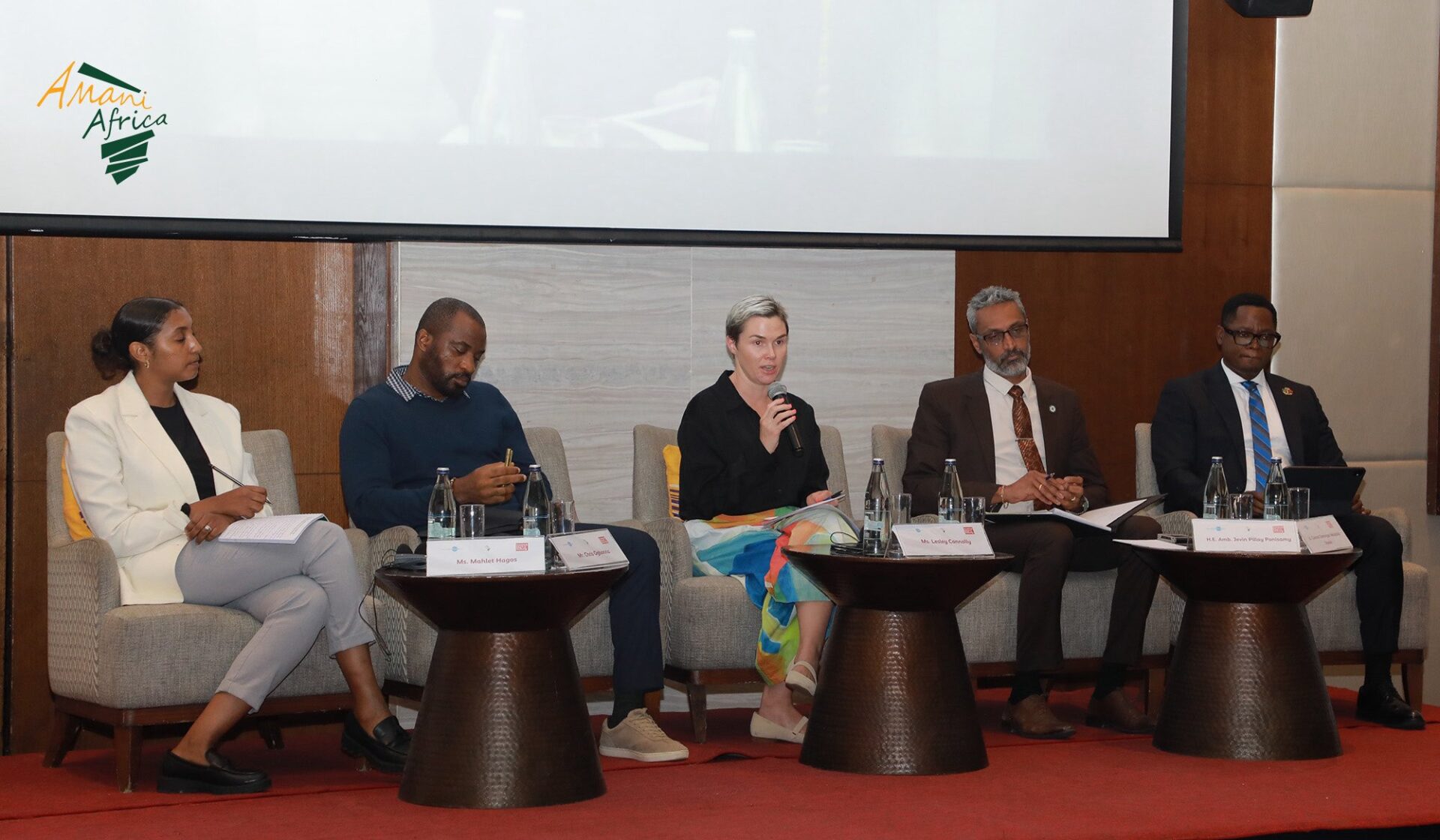
ACCORD participated in a panel discussion hosted by Nonviolent Peace Force, in partnership with the Friedrich-Ebert-Stiftung AU Cooperation Office and Amani Africa, on 20 July 2026 in Addis Ababa, Ethiopia. The discussion focused on “Strengthening African-Led Conflict Prevention and Resolution: Seizing the Unique Opportunity that the Luanda Summit Presents.”
The dialogue was convened ahead of the Extraordinary Summit of the African Union Heads of State and Government on strengthening mechanisms for conflict prevention and resolution in Africa. Bringing together representatives from AU Member States, Regional Economic Communities (RECs), civil society organisations, think tanks, academia, and community-level practitioners, the discussion examined why the African Union’s conflict prevention and resolution mechanisms have underperformed and explored practical measures the Summit could adopt to revitalise conflict prevention and resolution efforts across the continent.
The panel was moderated by Ms Lesley Conolly, Regional Policy Advocacy Manager, Nonviolent Peace Force, and featured Lt. Colonel Domingos Mesquita Sapalo, Defence Attaché at the Embassy of Angola in Ethiopia; H.E. Ambassador Jevin Pillay Ponisamy, Permanent Representative of SADC to the African Union; Mr Chris Ogbonna, Head of Programmes, Nonviolent Peace Force Sudan; and ACCORD’s Programme Officer, Ms Mahlet Hagos. Discussions focused on strengthening political will and leadership for conflict prevention while advancing the integration of community-level action into the African Peace and Security Architecture (APSA).
During the discussion, Ms Mahlet Hagos reflected on why the AU’s conflict prevention and resolution mechanisms have often struggled to achieve their intended impact and explored how to create the political will and leadership necessary to prioritise conflict prevention and close the financing gap. She noted that the African Union has limited leverage to intervene before conflicts escalate, despite the significant human, economic, and political costs of delayed action.
Ms Mahlet emphasised the need to reframe the conversation about political will by shifting the focus from whether it exists to how incentives can be created to make conflict prevention a political priority for Member States. She further underscored the importance of strengthening partnerships between the AU and non-state actors within the continent’s prevention architecture. Across Africa, local peace committees, traditional authorities, women mediators, faith leaders, and youth networks are often the first to detect emerging tensions and take action before violence escalates. Strengthening the link between these community-based actors and continental mechanisms, while ensuring their contributions remain visible within APSA, is essential to building a more responsive and effective conflict prevention architecture.
Overall, the dialogue explored policy options to recommend to the Summit, and further contributing to ACCORD’s commitment to enhance institutional responses of the AU and RECs to complex conflicts.