
Organised crime: a growing sector during the COVID-19 pandemic
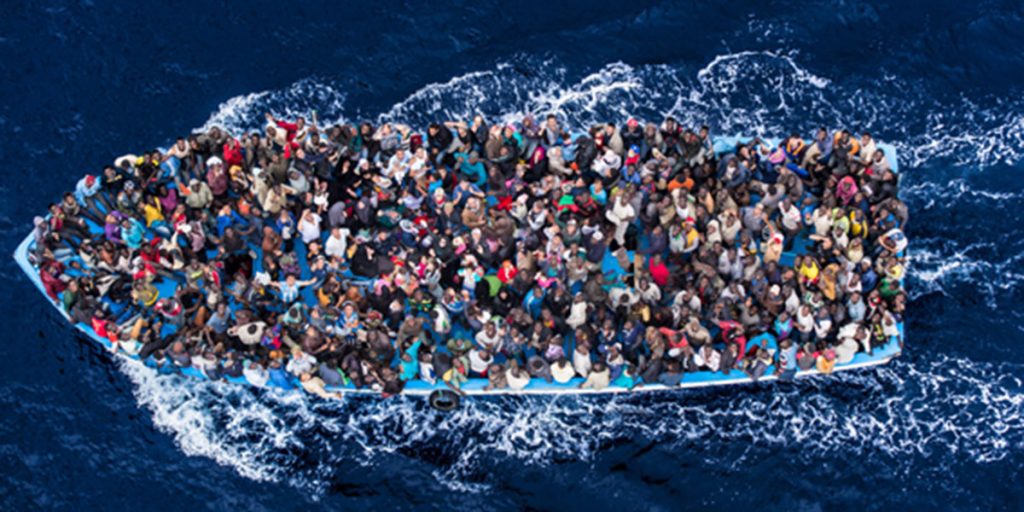
Some of the measures put in place by governments to contain COVID-19 appear to be linked to an increase in organised crime that profits from, among others, smuggling people and goods such as alcohol and cigarettes (that have been banned as part of the COVID-19 measures).
Impact of COVID-19 on peace support operations in Africa
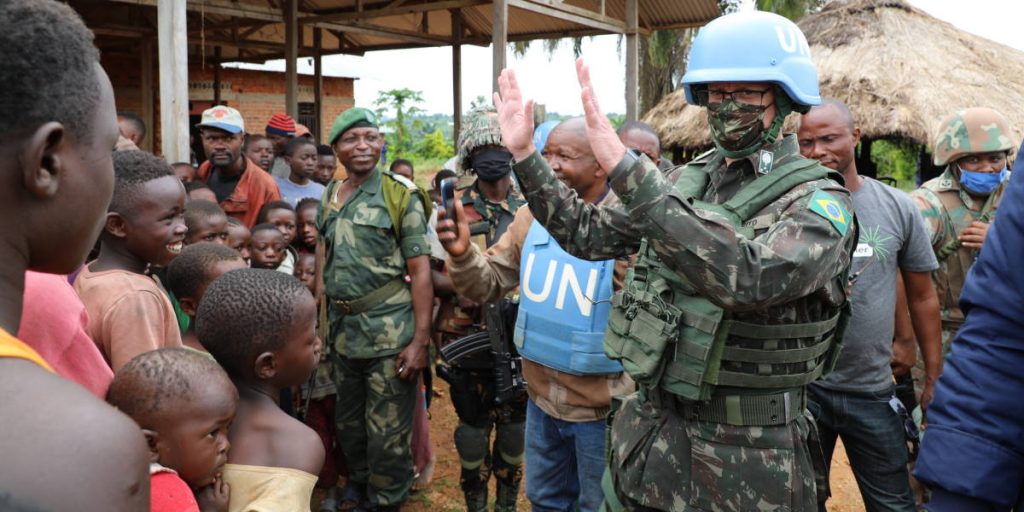
The coronavirus (COVID-19) pandemic has had an impact on peace support operations (PSOs) in many ways. Not only has the increase and spread of the pandemic affected PSO personnel inside their respective field missions in terms of stress, morale, command and control of forces, but it has also disrupted their routine activities, including confidence-building activities and the rotation of troops after completing their tours of duty.
COVID-19 and its effects on peacebuilding in Liberia
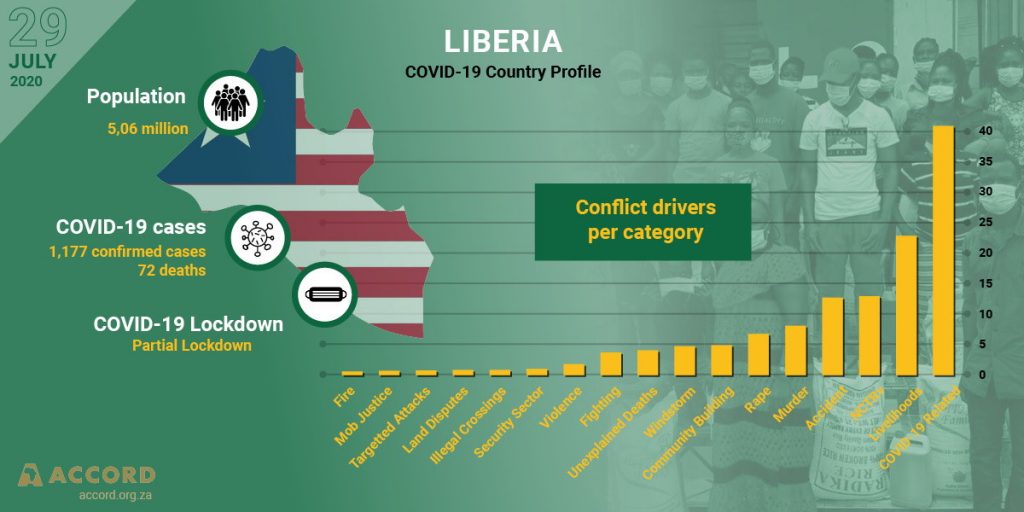
COVID-19 has eroded some of the peacebuilding gains made in Liberia over the last decade and a half. The threat posed by COVID-19 to sustaining peace in Liberia has increased the need to strengthen regional and sub-regional collaboration and international cooperation to contain and mitigate the impact of COVID-19.
COVID-19 in Africa: the emerging pattern is resilience rather than conflict
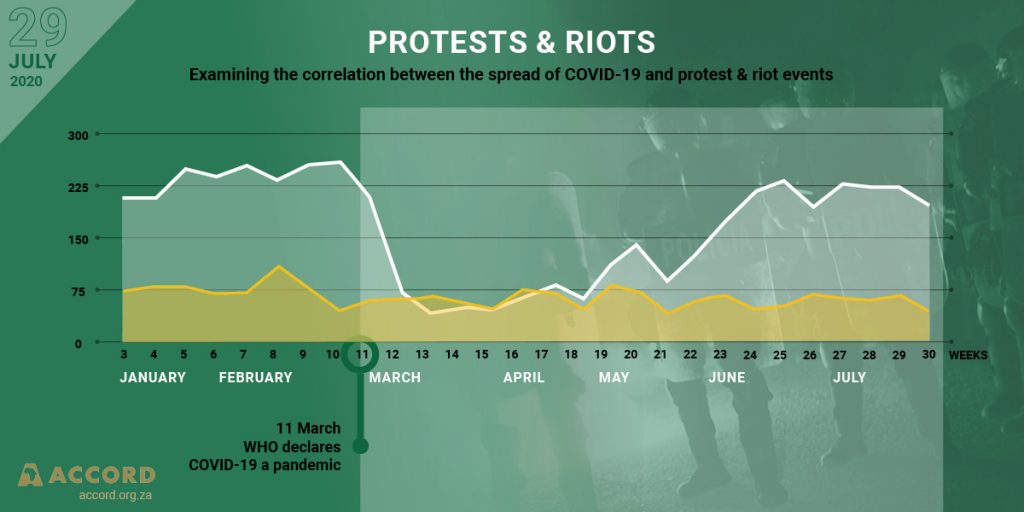
It is now some 165 days since the first coronavirus (COVID-19) case was diagnosed in Africa, on 14 February 2020 in Egypt. Many commentators expected that Africa, with its high levels of underdevelopment and weak public health systems, would be particularly badly affected by COVID-19, and that this could even lead to a catastrophic collapse of social and political stability. So far, however, the emerging pattern is one of resilience rather than collapse, chaos and conflict.
COVID-19 and its impact on violent extremism in Ghana and West Africa
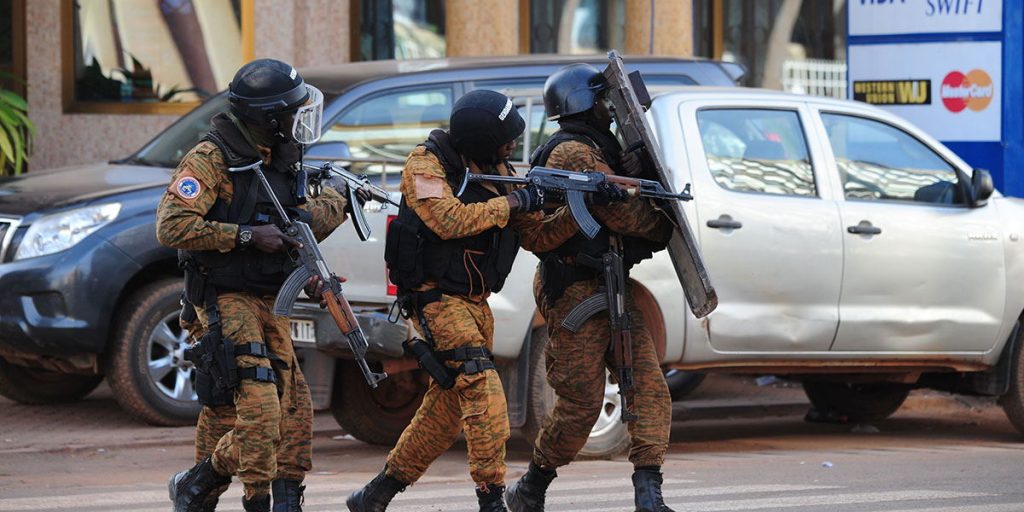
West Africa and the Sahel, which have been in the throes of insurgencies since the early 1990s and have had to deal with extremist violence from the mid-2000s, are faced with a new challenge: how do already underfunded, resource-constrained and, in most cases, poorly trained security forces respond to new threats?
African mediation in the shadow of COVID-19
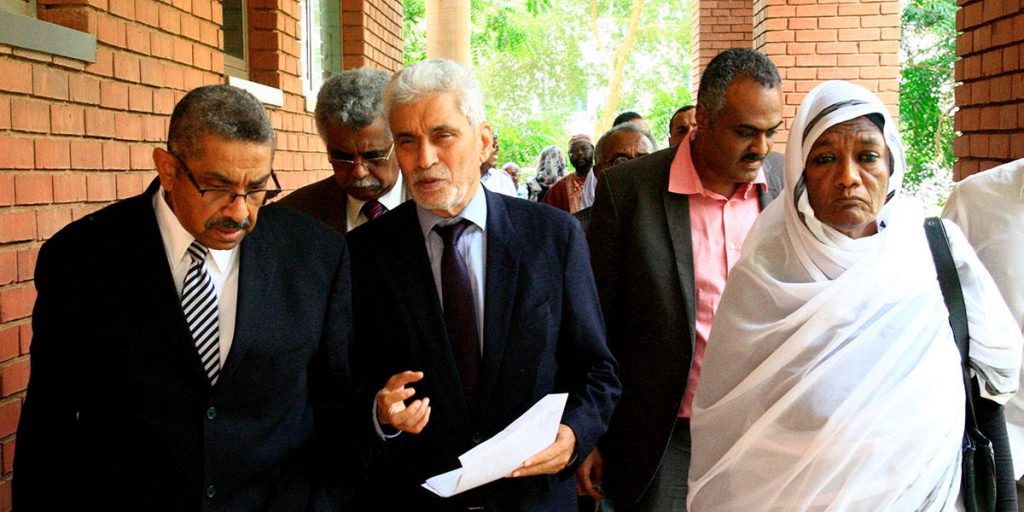
The lockdown-type measures adopted by governments to prevent the spread of COVID-19 has deprived mediators and facilitators of the opportunity to use these important tools to resolve African conflicts and consolidate the implementation of peace agreements. However, we hope for a successful fight against COVID-19 in Africa that will reopen opportunities for mediation in Africa.
COVID-19 and elections in Africa: protecting the vote or the voter?
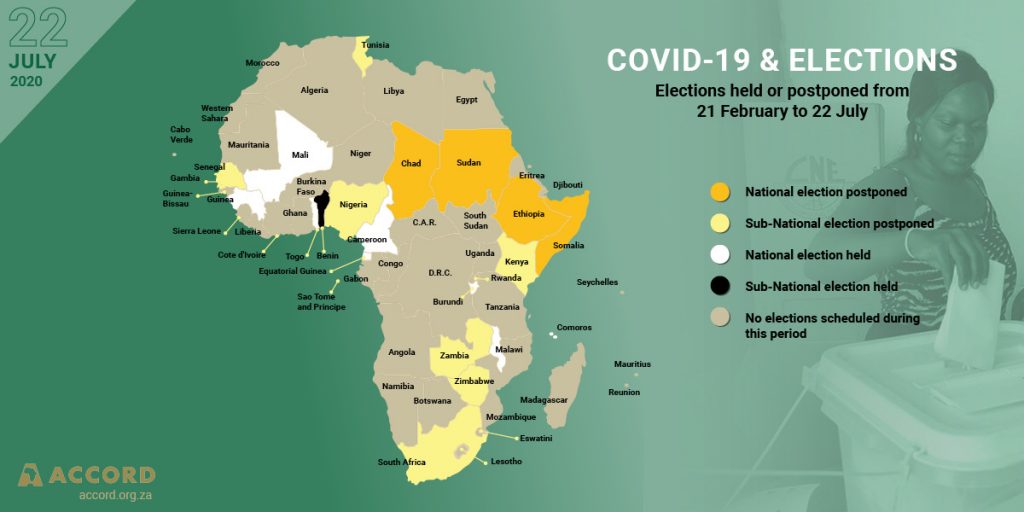
At least 22 countries in Africa were scheduled to hold either local government, parliamentary or presidential elections this year. Given the almost universal strategies adopted to prevent the spread of coronavirus – including restricting people to their homes, border closures, travel restrictions and banning large gatherings – the decision whether to continue with some of the elections despite COVID-19 became a controversial issue. Stated differently, the decision came down to either preserving the vote or the voter.
Resilience and determination: women, peace and security in the time of COVID-19
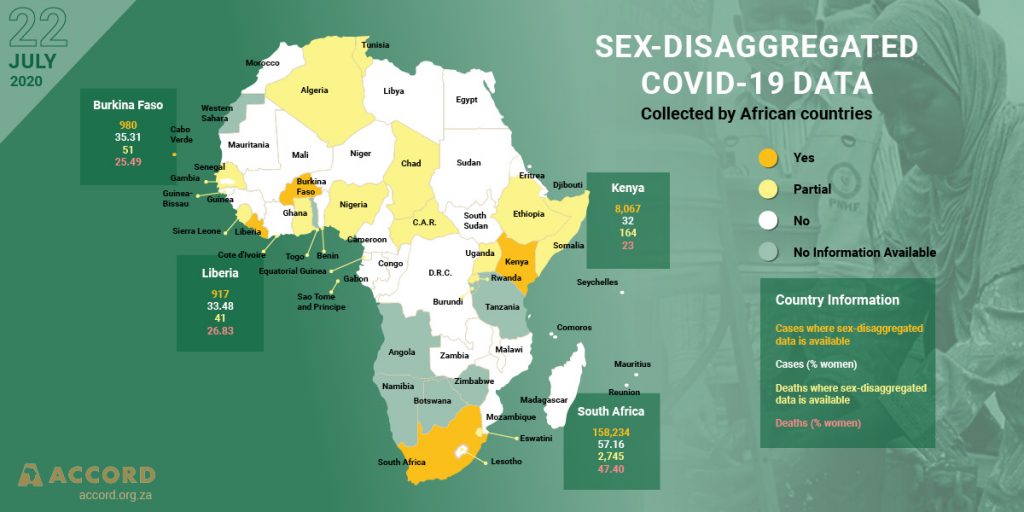
The year 2020 is a significant milestone for gender equality and women’s empowerment, as it marks the anniversary of unprecedented policy commitments and practical action frameworks.1 The COVID-19 pandemic has abruptly disrupted plans to assess the progress of these milestones, celebrate the achievements and set new objectives or goals.
Implications of COVID-19 for a new Africa–Europe Strategic Partnership
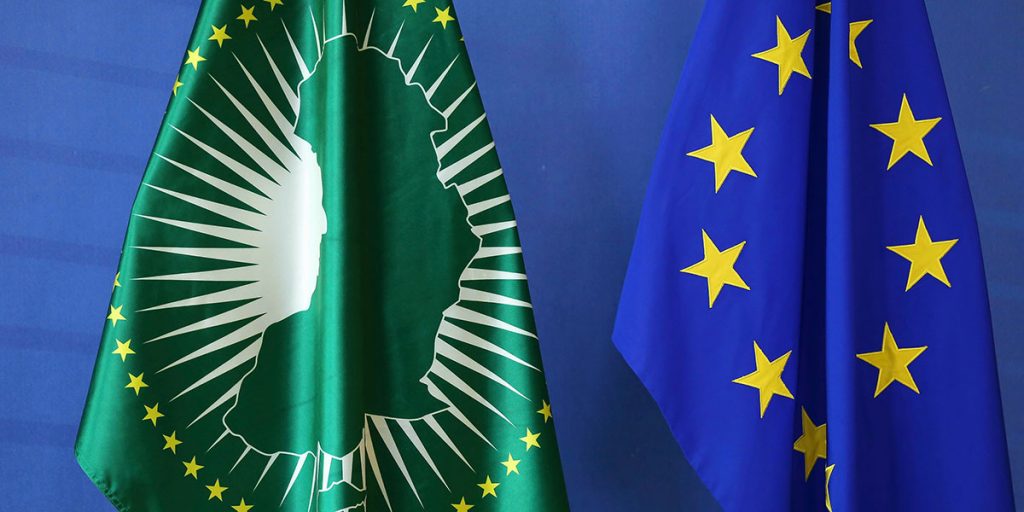
There is now an unprecedented opportunity for Europe to begin its journey towards a new contemporary and future shared ethical relationship, and do so not only as good regionalism, but also as an exercise in multilateralism, forging a new approach in its relationship with Africa, this time based on solidarity, one that will include a fundamental re-examination of how unfair trade and existing debt structures are impeding, not only the capacity to respond to COVID-19, but also the necessary transformations which a continent is getting underway, with an African agency that seeks a new form of partnership with its most proximate neighbour, the European Union.
COVID-19 policy choices in Africa: public safety, security and the limits of freedom
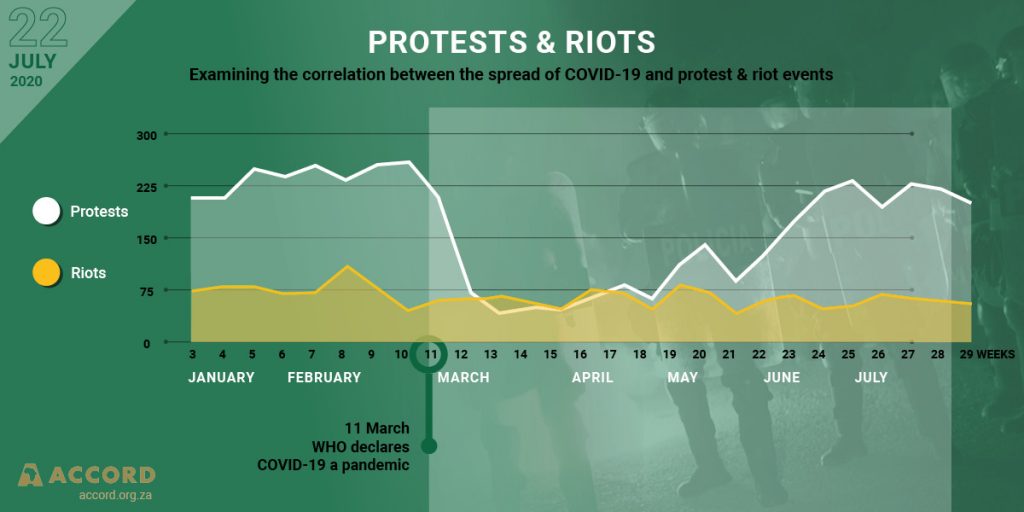
COVID-19 prevention policy measures – such as working and schooling from home, travel bans and quarantines, social distancing, the mandatory wearing of masks and limitation on gatherings (for instance, funerals) – have ignited the iconic debate on which comes first: freedom or security?