Issue No: 4/2026

Conflict & Resilience Monitor – May 2026

The Conflict and Resilience Monitor offers monthly blog-size commentary and analysis on the latest conflict-related trends in Africa.

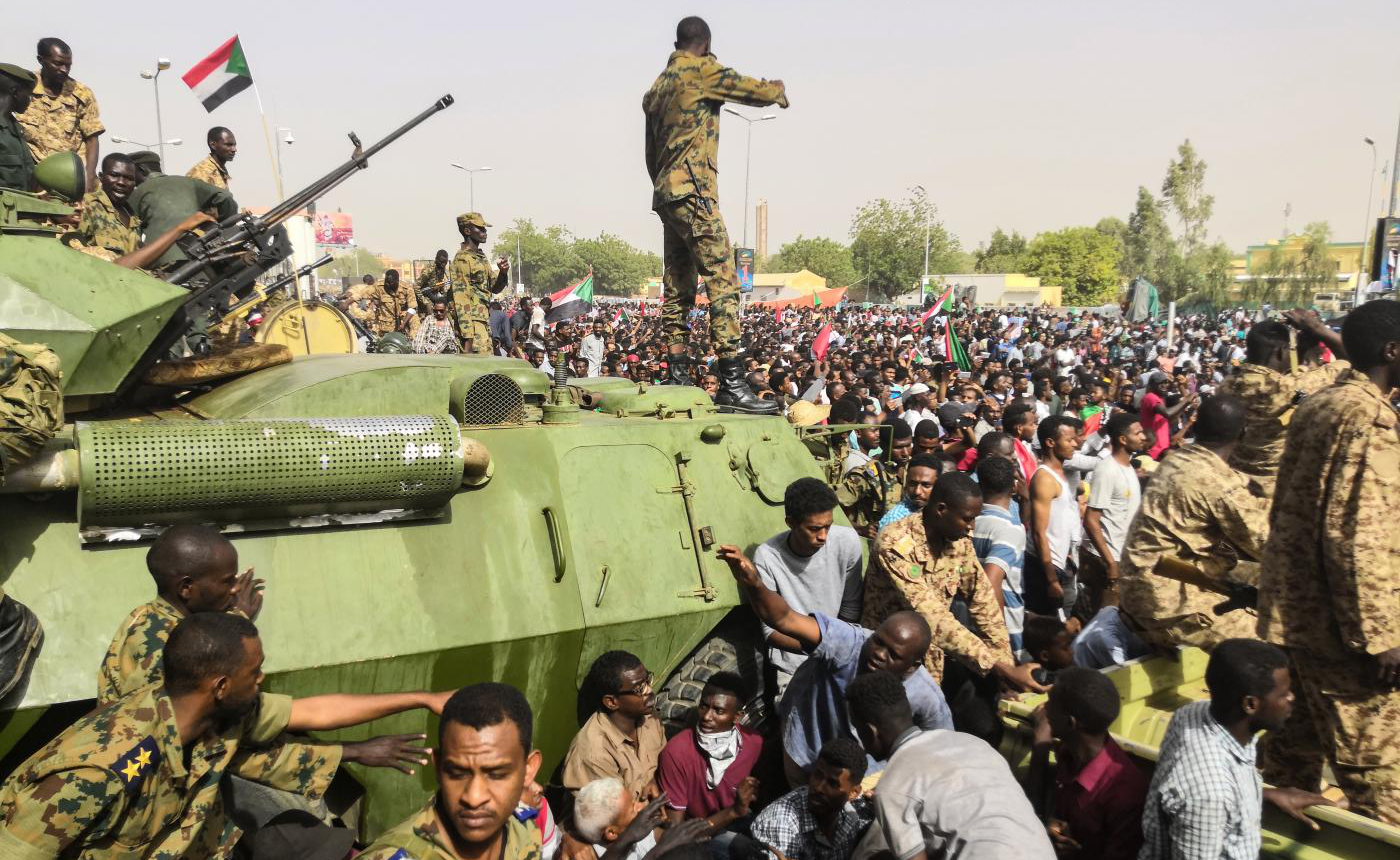
Public domain image by Agence France-Presse via Wikimedia Commons.

In this edition of the Monitor, ACCORD’s Founder and Executive Director, Vasu Gounden, reflects on the changes to the conflict landscape in Africa over the past 30 years. Amongst others, he identifies a shift from peace through dialogue, to peace through strength, and he considers ways in which mediation in Africa needs to evolve to meet the current challenges facing the continent.

This is followed by an article from Francis Deng and Issameldin Abbas Ahmed about the peace process in Sudan. In particular, their article focusses on the various mediation efforts and makes an argument for a coordinated approach that aligns bilateral, regional, multilateral and international efforts. This will help to ensure that peace efforts are complementary and as effective as possible.

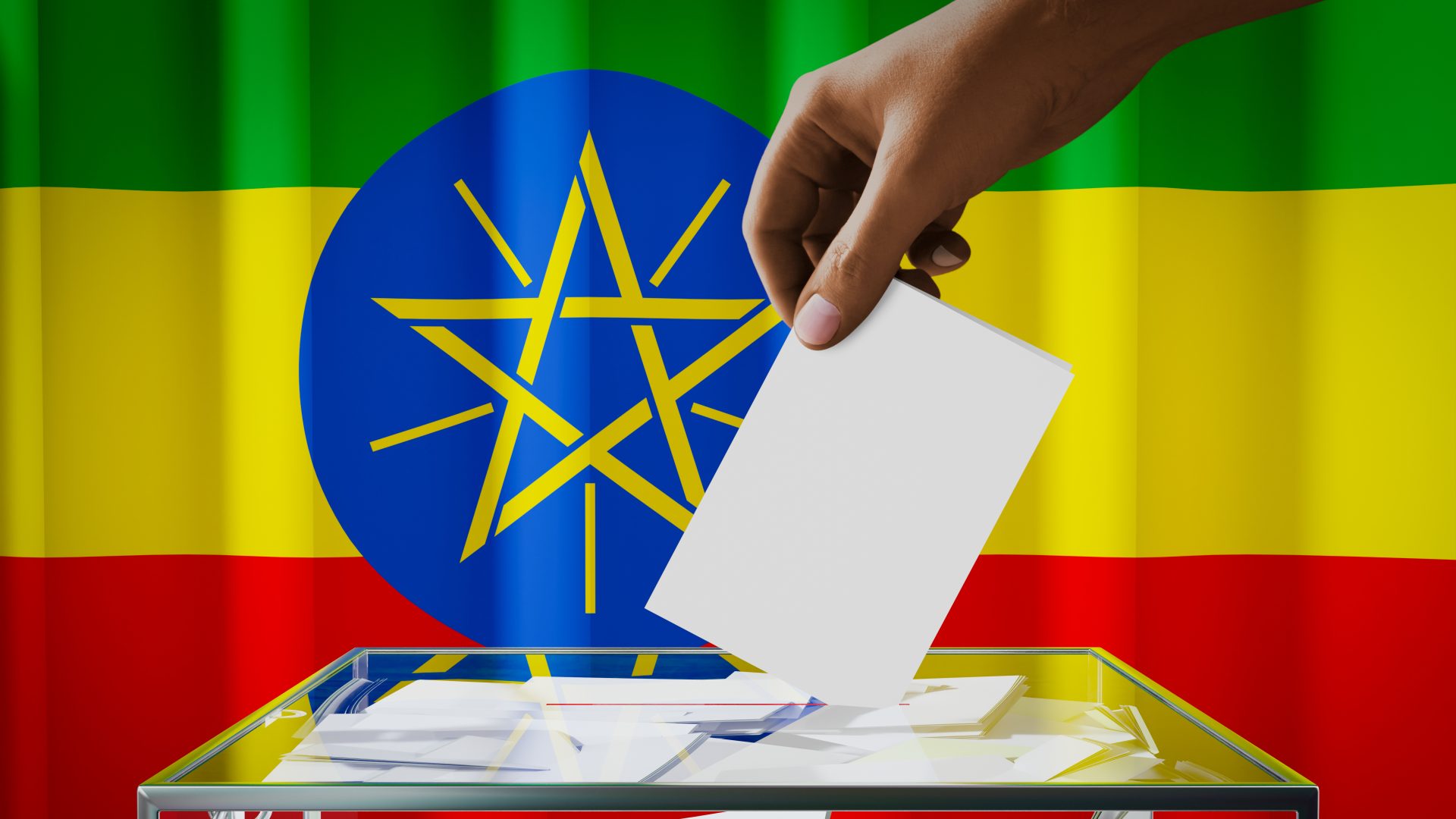
Staying in the Horn of Africa, Hilina Berhanu Degefa and Emebet Getachew Abate have contributed an article about the upcoming elections in Ethiopia, taking place on 1 June. In their article, they discuss the current mood in the country, as many people face security challenges and a sense of isolation from the political process. Challenges also exist concerning the blurring of lines between party and state, and the role that opposition parties play in Ethiopia’s political climate.

Abraham Ename Minko’s article is about the contradictions of artificial intelligence (AI) in conflict situations in Africa, and Sudan in particular. While AI has the ability to help monitor conflicts and humanitarian situations, warring parties can also use it to carry out attacks. The article discusses the need for the African Union to develop approaches on how to deal with AI in conflict contexts, and ensure that existing frameworks adapt to this new conflict reality.

Finally, Junhee Seo’s article is about the challenges that girl refugees face in accessing the internet and mobile phones. Women and girls in refugee situations often face more barriers to internet access than men and boys, which in turn affects their access to important information and job seeking opportunities.

Chief Editor: Conflict & Resilience Monitor​
Assistant Editor: Conflict & Resilience Monitor​
Photo Credit: Magnific
Mediation

The Changing African Mediation Landscape: From Dialogue to Strategic Mediation

  • Vasu Gounden

African mediation must adapt to a changing conflict landscape shaped by extremism, organised crime, climate change, disinformation and geopolitical competition. While dialogue remains essential, mediation must become more strategic, inclusive and informed, with stronger African leadership and institutions to effectively manage modern conflicts and maintain African agency in peace processes.

Read More
Photo Credit: UN Manuel Elías
Peace and Security

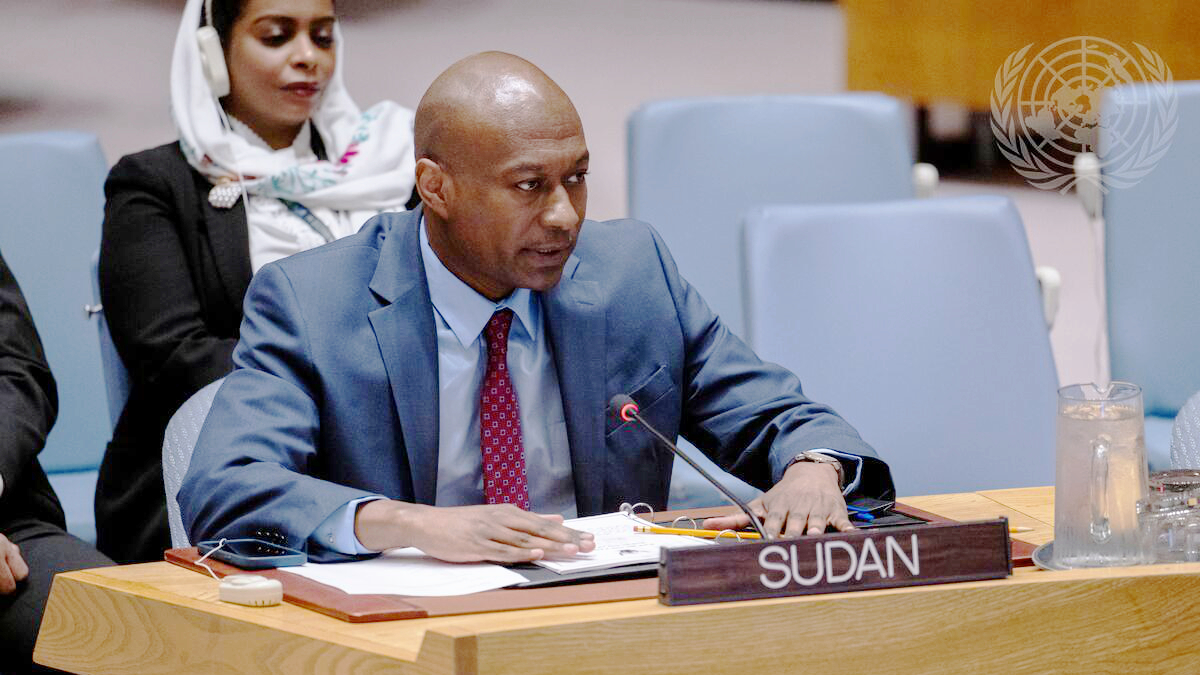
From Competition to Integration: Reengineering Sudan’s Peace Efforts

  • Francis Deng
  • Issameldin Abbas

Since the outbreak of war in April 2023, the Sudan crisis has witnessed an unprecedented proliferation and overlap of regional and international initiatives aimed at halting the fighting and launching a comprehensive political process. Despite the intensity of these efforts and the diversity of actors involved – from the Jeddah and Manama platforms to the International Quad and the Quintet and the efforts of the French Promediation Organisation – this multiplicity has failed to translate into any meaningful breakthrough in the peace process. On the contrary, it has contributed to increasing the complexity of the landscape by fostering an environment of competition and institutional fragmentation, thereby undermining the prospects for a unified international position.

Read More
Photo Credit: Pablographix
Elections

Election as Qintot: Can the Upcoming Polls Move Ethiopia’s Politics Beyond Survival?

  • Hilina Berhanu Degefa
  • Emebet Getachew Abate

Ethiopia’s seventh general election is scheduled for 1 June 2026. On the surface, the procedural gears appear to be turning. The National Election Board of Ethiopia (NEBE) continues to follow its electoral calendar with repeated assurances of technical rigour that, at least formally, promises to be stronger than the previous cycles.

Read More
Photo Credit: Rhett Sentinelle
security

AI-Powered Early Warning Systems and the Governance of Autonomous Surveillance Technologies in African Conflict Zones: Lessons from the Sudan Crisis (2023–2025)

  • Abraham Ename Minko

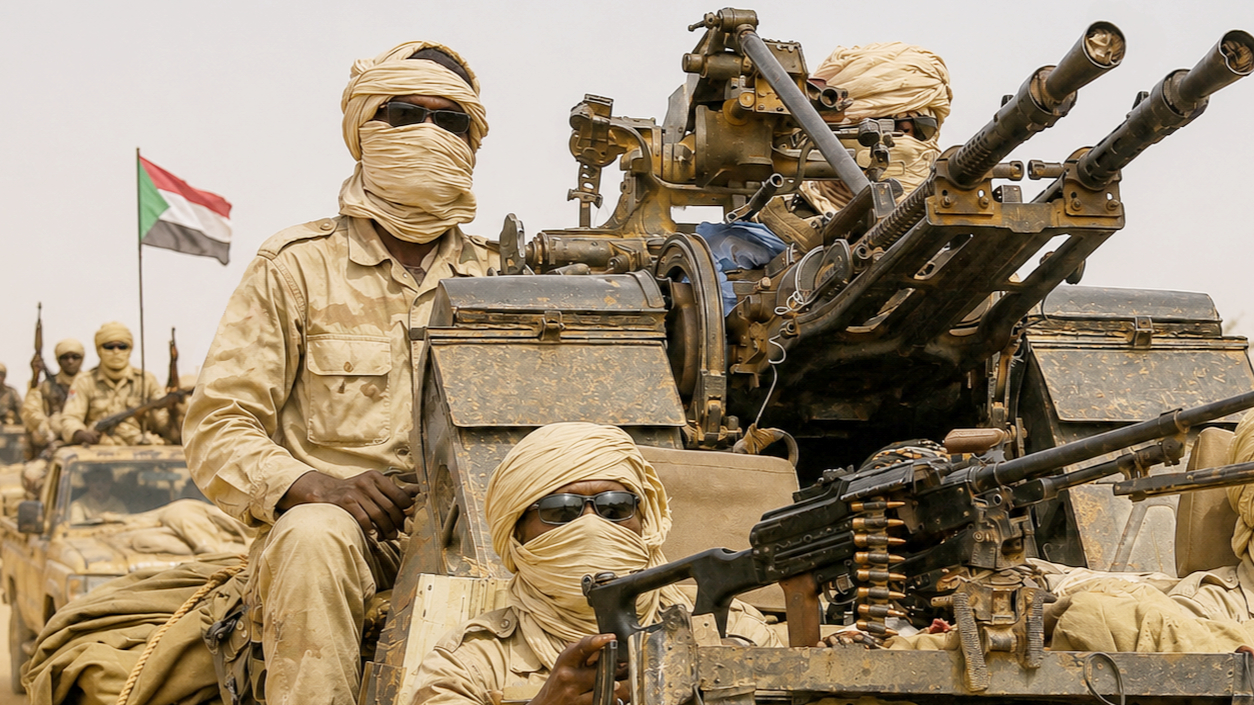
On 15 April 2023, Sudan’s Armed Forces (SAF) and the Rapid Support Forces (RSF) erupted into full-scale civil war, triggering one of the world’s gravest humanitarian catastrophes with over 10 million people displaced and mass atrocities documented in Darfur. What distinguishes this conflict is not only its ferocity, but its technology: Sudan has become a live laboratory for autonomous drone warfare, artificial intelligence (AI)-assisted surveillance and open-source intelligence (OSINT) deployed in real time by belligerents and civil society monitors alike.


Read More
Photo Credit: User8647581
Gender

Why Digital Access Matters for Refugee Girls in Conflict Settings

  • Junhee Seo

In our modern society, it is difficult to imagine going a day without a smartphone or internet access. From what we eat and buy to how we learn, work and manage our healthcare, we are immersed in a digital environment. According to the International Telecommunication Union (ITU) Facts and Figures 2022 report, internet use is significantly higher among youth than among the rest of the global population, with seventy-five per cent of young people online compared to sixty-five per cent of the rest of the population. This gap is even more pronounced in Africa, where fifty-five per cent of youth use the internet compared to only thirty-six per cent of the rest of the population.

Read More

Do you have information to share?

Does any of this information look incorrect to you, or do you have anything to share from your experience on the ground in an African country?

If so, please complete our contact form – we would love to hear from you!

TRANSLATE THIS PAGE