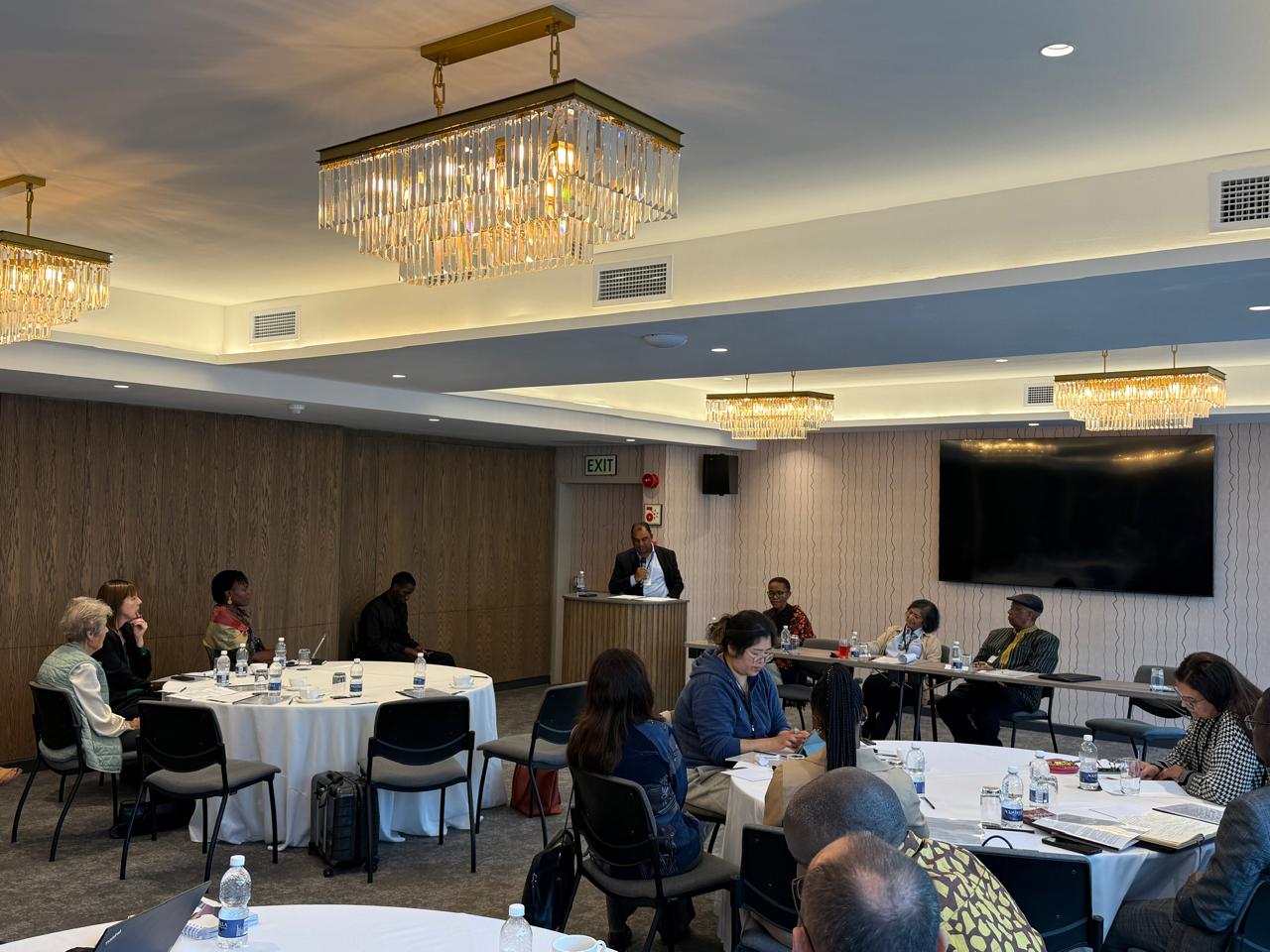
On 14 – 16 April 2026 the Founder and Executive Director of ACCORD, Dr Vasu Gounden, was a resource person at a Symposium titled The Truth and Reconciliation Commission @ 30: Reflections on the past, Present and Future of Truth Recovery, held in Cape Town, South Africa from 15 – 17 April 2026, co-hosted by the University of Cape Town, the Foundation for Human Rights and the Centre for the Study of Violence and Reconciliation.
2026 marks thirty years since the South African Truth and Reconciliation Commission held its first hearings as part of the country’s transition from apartheid to democracy. The TRC was globally significant in reshaping the practice of truth commissions. It expanded truth seeking beyond narrow fact-finding toward broader processes of public acknowledgement, victim participation, truth recovery and a national reckoning with past violence. At the same time, hindsight has made clear the limits of the South African process, including its failure to address economic crimes, structural violence, gendered harms and the enduring impunity gap.
On the evening of 14 April 2026 Dr Gounden was a discussant in a pre-Symposium session titled In Conversation: Reflections on the TRC, which reflected on the legacy of South Africa’s TRC and the ongoing challenges of confronting impunity, restoring dignity and strengthening democratic accountability. The session formed part of a TRC Exhibition at the Michaelis Gallery at the University of Cape Town.
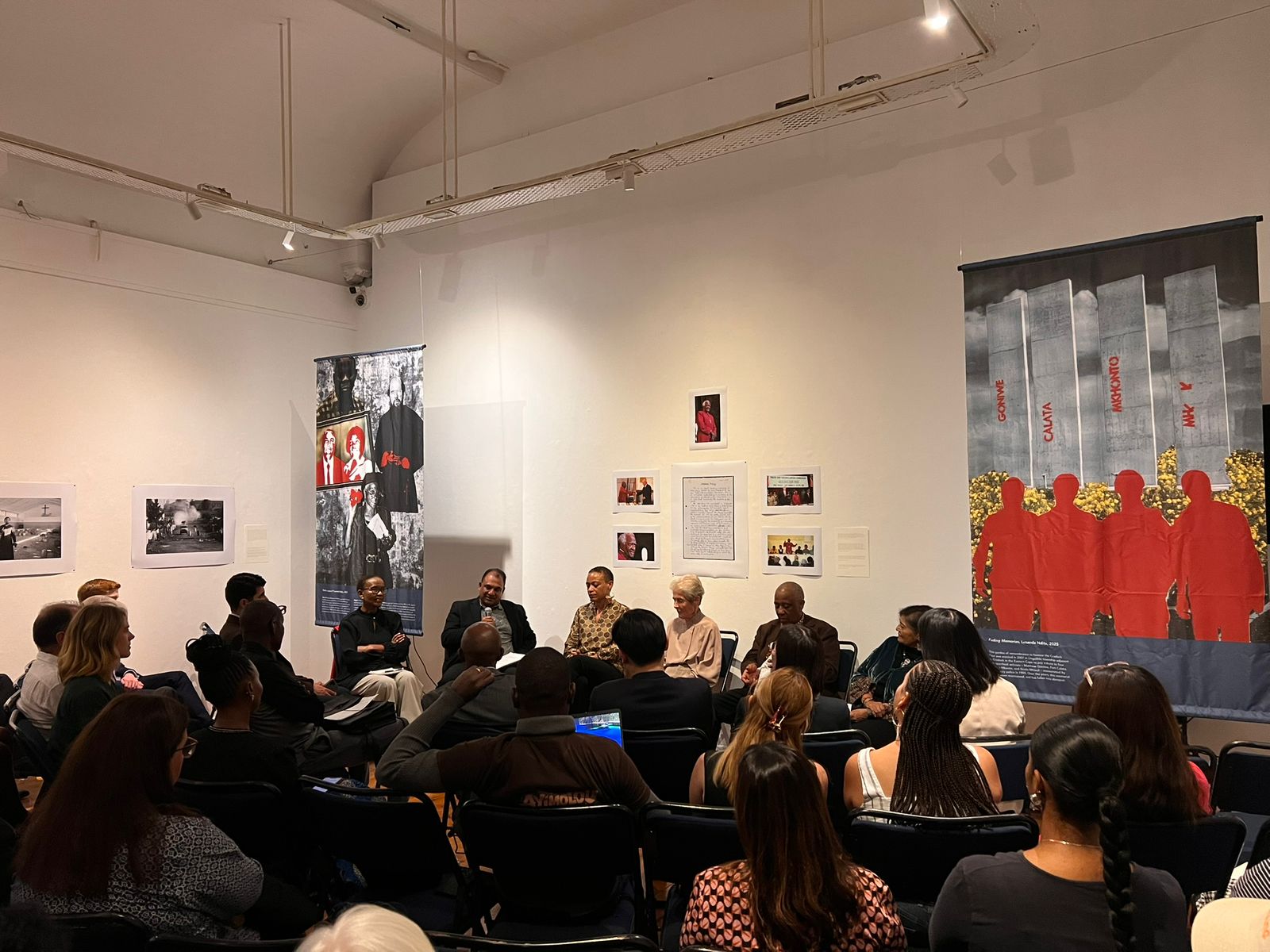
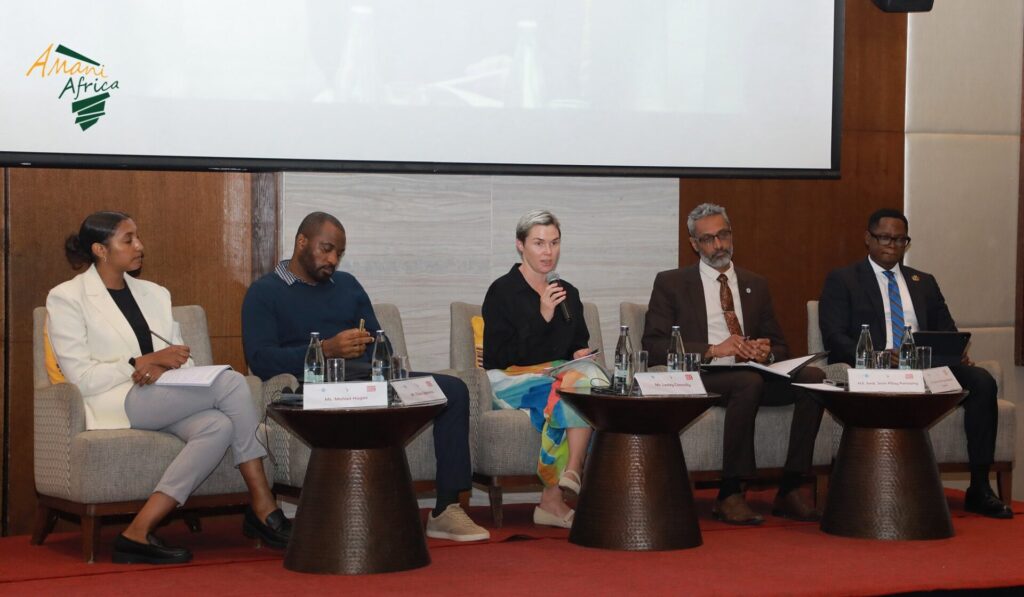
On 15 April 2026, Dr Gounden joined the Symposium’s opening panel on South African Reflections. The panel reflected on the origins and legacy of the TRC, examining innovations introduced by the South African process and their influence on global transitional justice practice. Discussions also explored how design elements such as amnesty, reparations and prosecutorial follow-up continue to shape contemporary debates around accountability and justice.
ACCORD’s Gender Specialist, Ms Pravina Makan-Lakha, also contributed as a resource person at the Symposium. On 16 April 2026, she participated in a panel titled Gender, Power and the Silences of Truth Recovery. The discussion focused on how gendered harms have often been marginalised in truth recovery processes and explored how feminist approaches to transitional justice have helped expand understanding of harm, responsibility and repair. The panel further examined how violence affects women, men, and sexual and gender minorities differently, and how these experiences can be better reflected in future truth recovery initiatives.
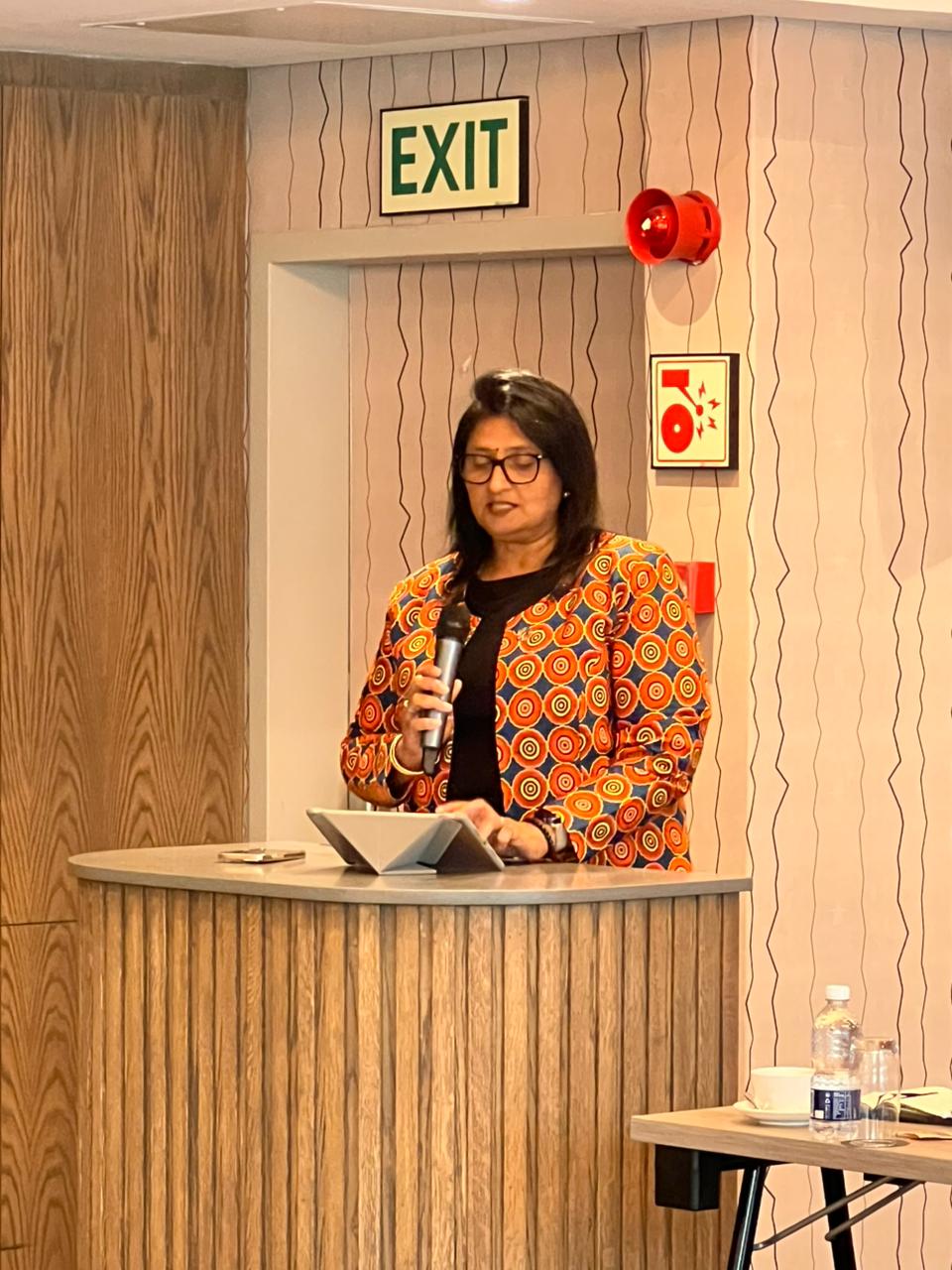
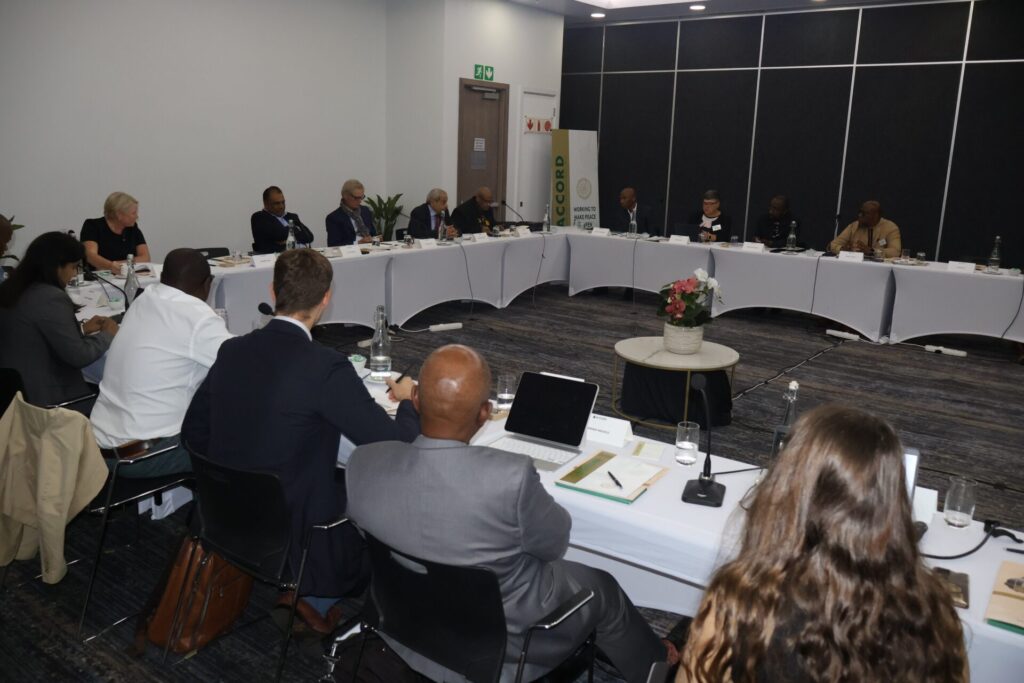
The Symposium brought together scholars, practitioners and civil society actors from across Africa to reflect on South Africa’s experience and broader truth recovery processes on the continent. Discussions explored the promises and limitations of truth commissions, the political conditions influencing their success, and lessons from comparative contexts. The event not only revisited the legacy of the TRC but also generated forward-looking policy and practice recommendations for strengthening truth recovery processes across Africa.