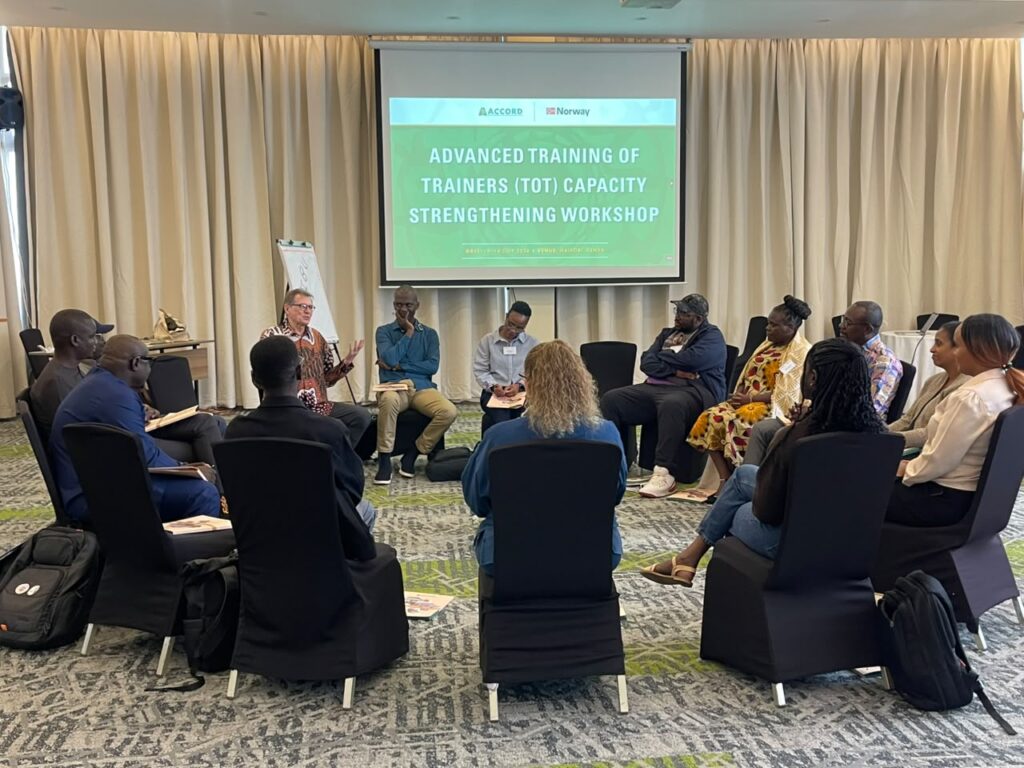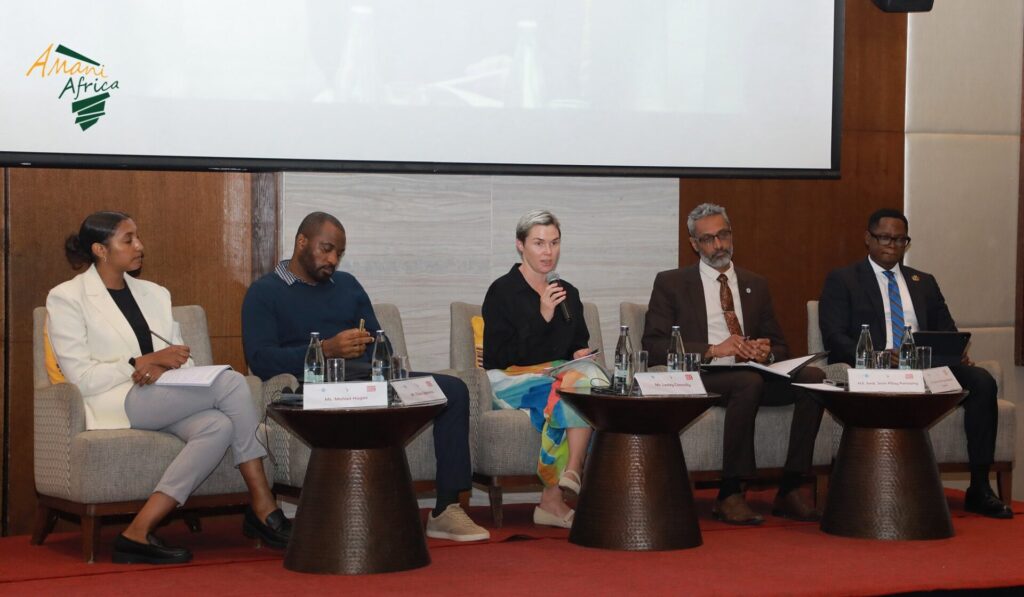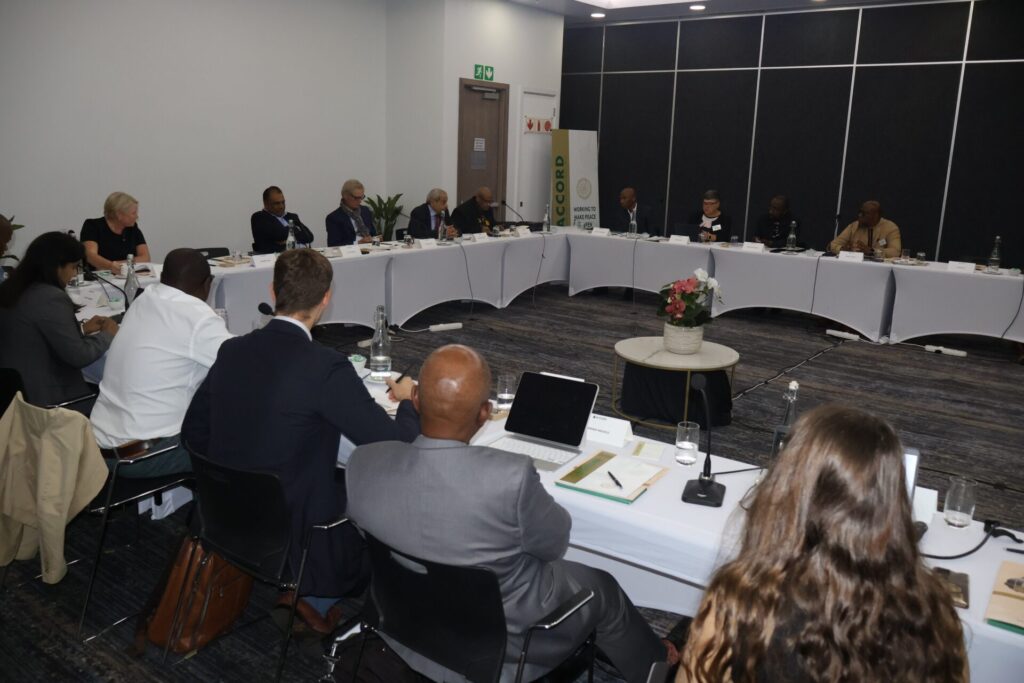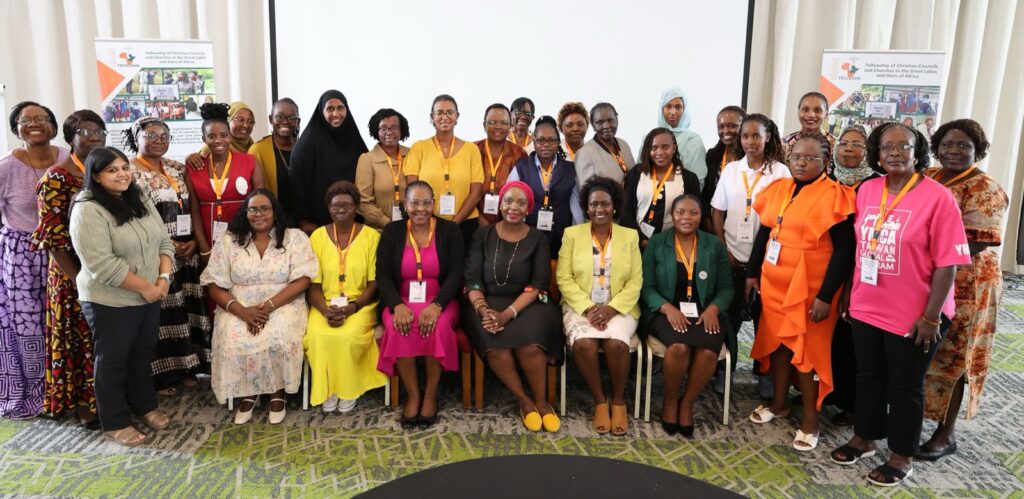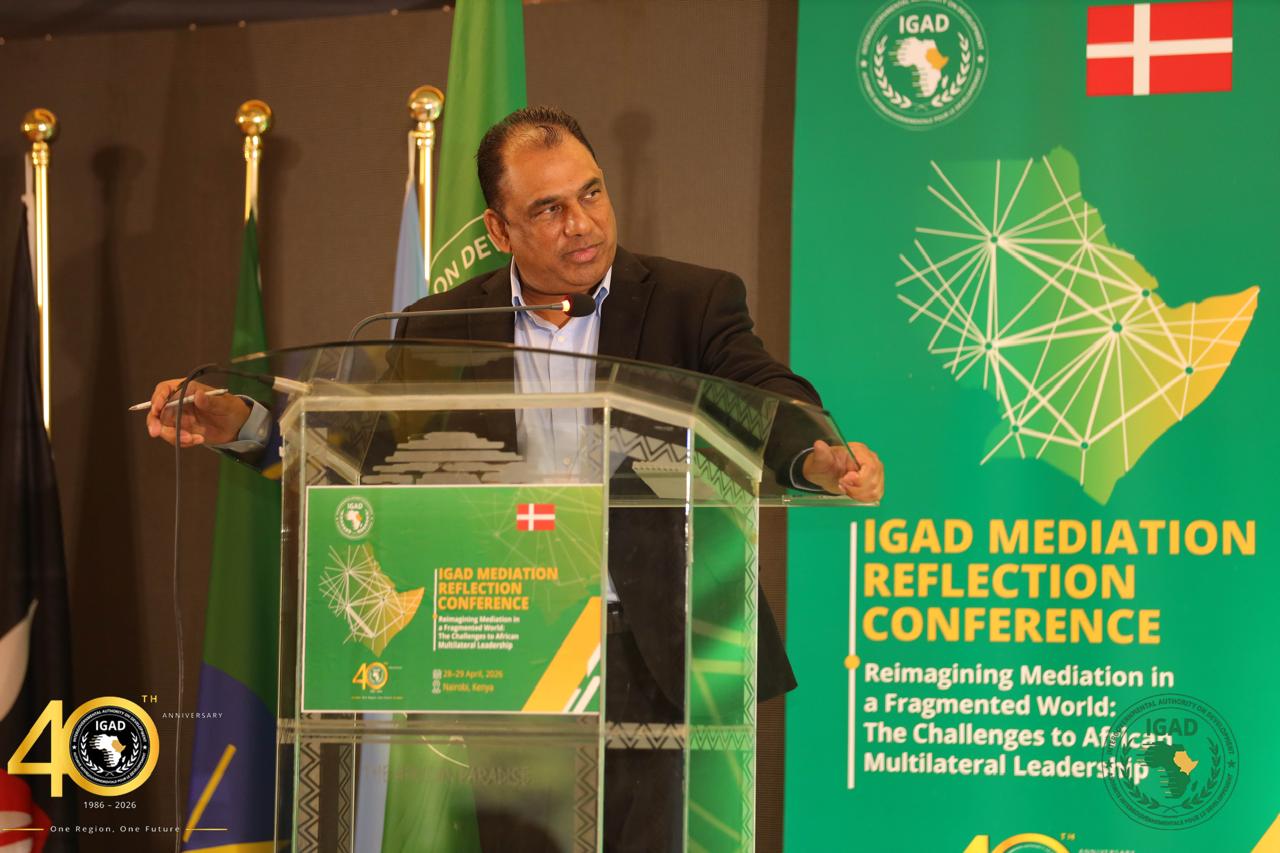
On 28 – 29 April, ACCORD attended the Intergovernmental Authority on Development (IGAD) Mediation Reflection, held in Nairobi, Kenya. The conference convened policymakers, practitioners and experts to reflect on the evolution of conflict in the Horn of Africa region and to identify how mediation can be redesigned to respond to increasingly fragmented and complex political realities. Dr Gounden, Founder and Executive Director of ACCORD, participated as a resource person and played a leading role in guiding deliberations during sessions on day two of the conference.
Discussions on designing new mediation models highlighted the need to move beyond traditional approaches and ensure that mediation processes remain adaptive, politically grounded and legitimate in the eyes of affected societies. Participants stressed that modern conflicts in the Horn are no longer defined by clear actors or linear processes, requiring more flexible and strategic responses. Reflecting on the broader political context, Dr Gounden noted a growing disconnect between continental ideals and younger generations, stating, “we have failed to connect the ideas of Pan-Africanism with the younger generation.”
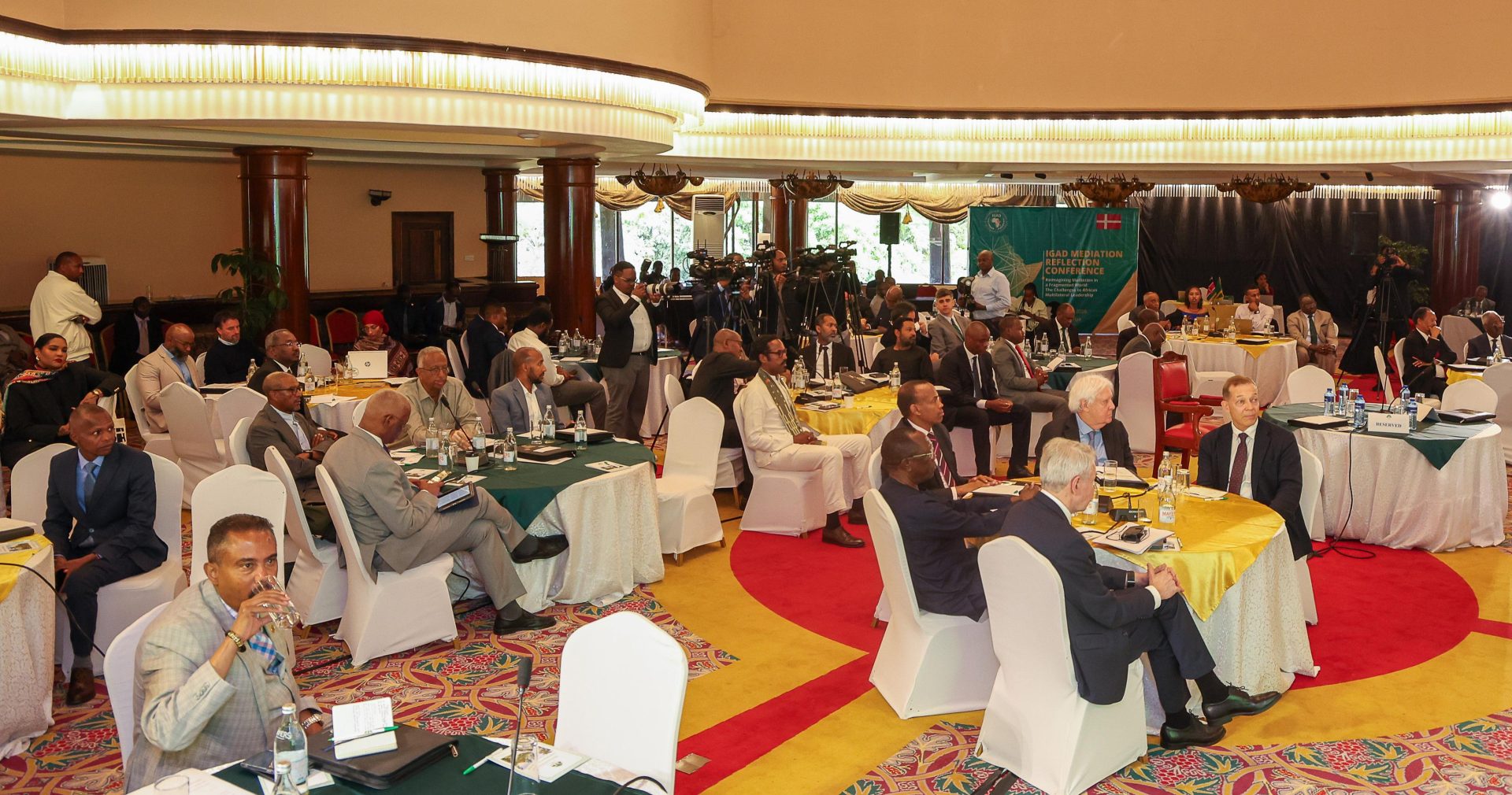
The sessions also underscored the importance of African institutional leadership, with former African Union official H.E El-Ghassim Wane emphasising that the continent already has the tools to respond to its conflicts, it just needs to be encouraged to do more in this regard. adding that. He called for Africa to do more Sudan, while referencing his recent analysis in the ACCORD Conflict and Resilience Monitor on the Sudan crisis.
A key outcome of the deliberations was the call for a more coordinated and strategic approach to mediation in the Horn of Africa as mediation is not dead, but it is happening under difficult circumstances. Dr Gounden proposed the development of a “strategic ecosystem mediation model,” arguing that the region’s geopolitical importance makes fragmented and uncoordinated interventions untenable. In this regard, it was emphasised that the African Union, United Nations and other actors must work in a coherent manner, with IGAD serving as a strategic anchor for mediation efforts.
The conference forms part of IGAD’s broader effort to draw lessons from past and ongoing peace processes and to update mediation doctrines in line with current realities, with the aim of strengthening African-centred approaches to peacemaking.
ACCORD’s Strategic Objective 1 for its current five-year medium-term strategy is to enhance the institutional responses of the AU and RECs to complex conflicts.