
The impact of COVID-19 on peace operations in Africa
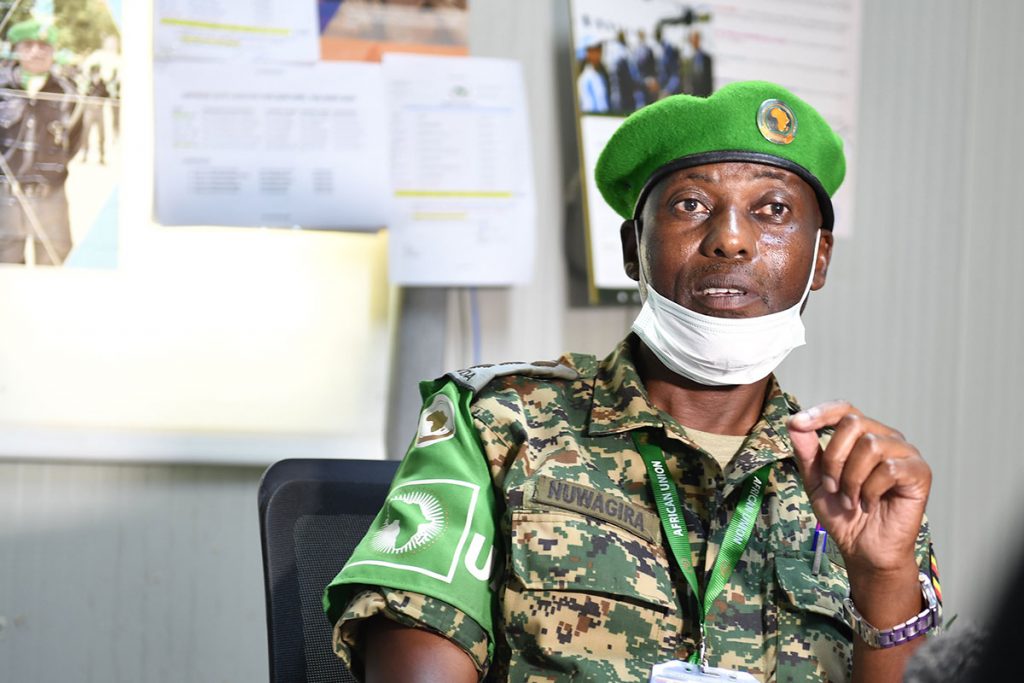
The COVID-19 pandemic has significantly disrupted peace operations. In the short-term activities have been reduced to the most critical, rotations have been frozen, and most staff are working remotely. Most of the missions have adapted remarkably well. However, even more changes are likely in the medium term when the global economic recession, that is expected to follow in the wake of the virus may force peace operations to drastically contract in size and scope.
COVID-19 containment measures: Opportunities for Africa?
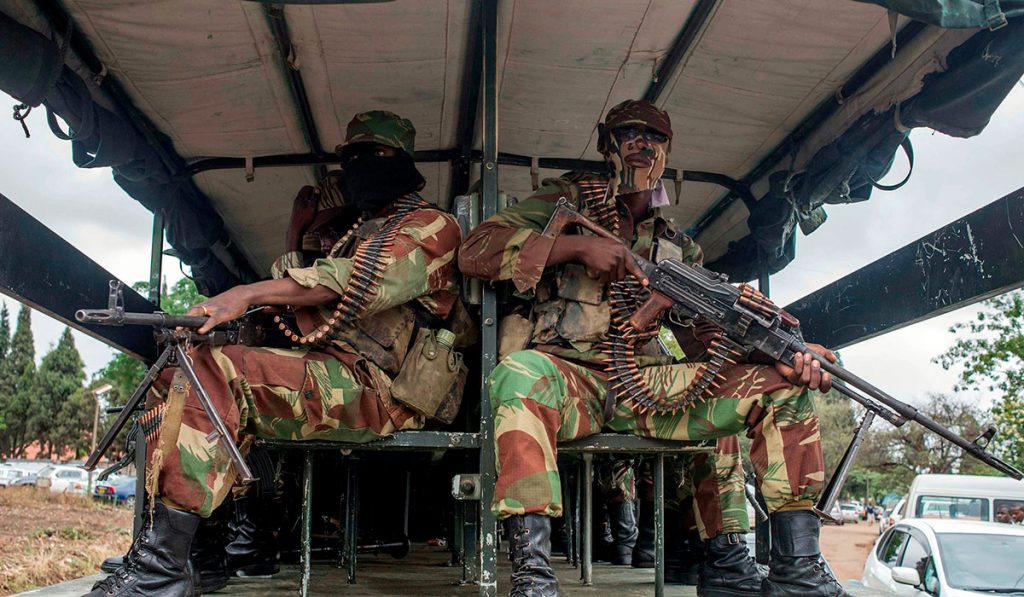
The primary goal in the fight against COVID-19 is to prevent the spread of the virus and to care for those infected. As a result, African countries have acted faster than any region with a comparable rate of infection, and in the process thousands of lives have been saved.
The link between food (in)security, peace and stability and COVID-19
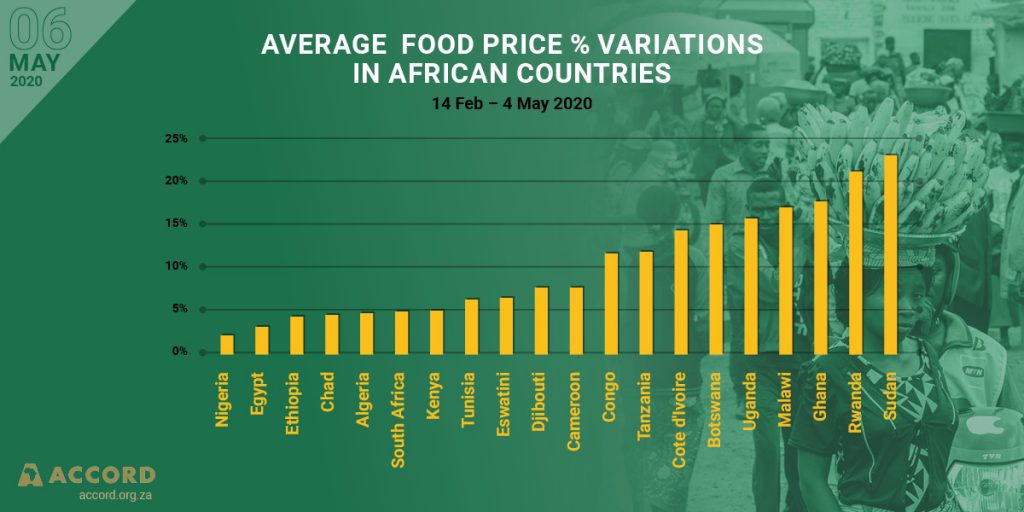
COVID-19 may have started as a public health emergency, but at this stage, the measures taken to contain the crisis have developed into an economic crisis, that has more of an impact on people’s livelihoods than the virus itself.
The impact of COVID-19 on political tensions and conflict in Africa
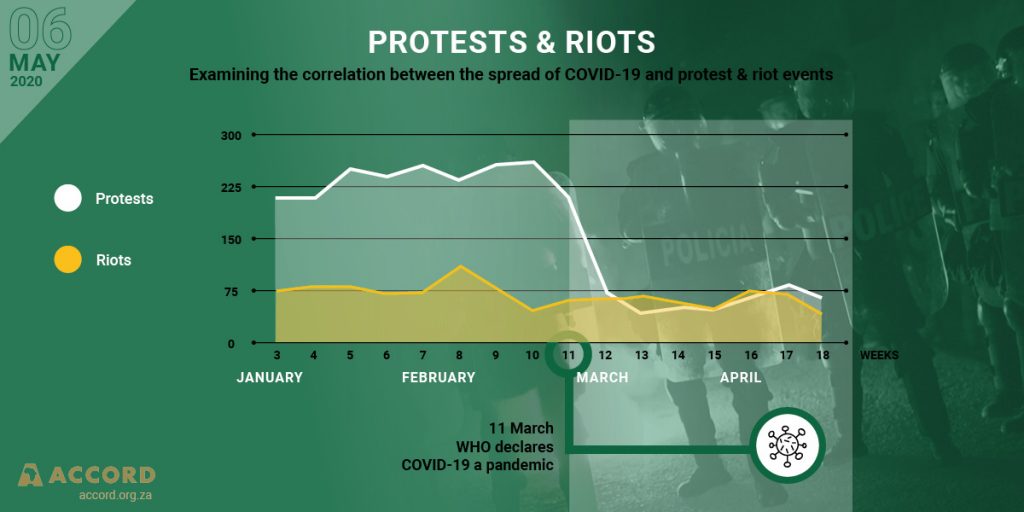
Taken together, it seems as if some of the measures and responses to the COVID-19 pandemic are increasing political tensions and heightening the risk for social unrest and violent conflict.
Africa more resilient to manage COVID-19 than predicted
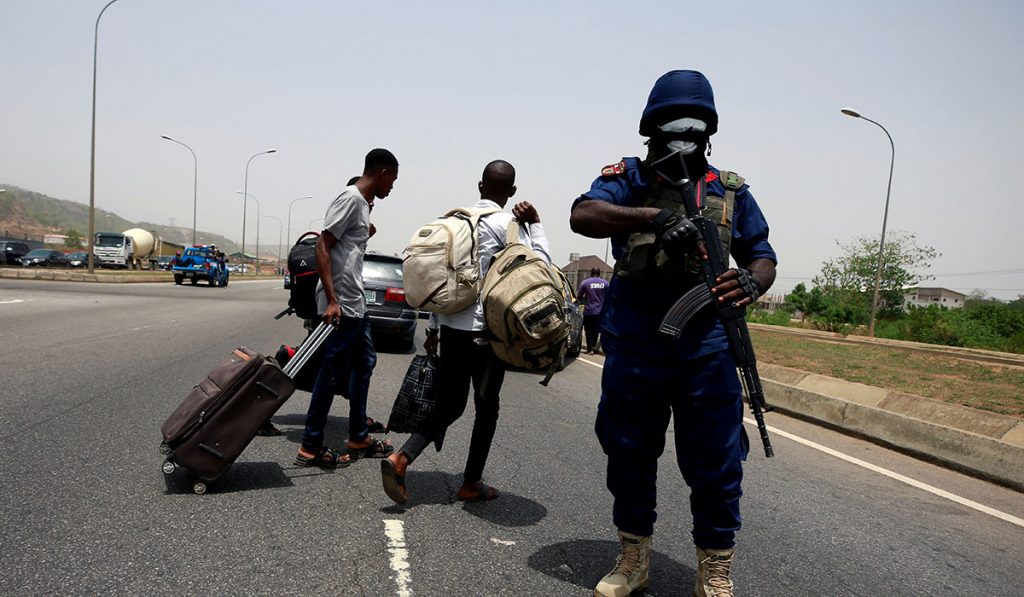
Despite Africa’s weak health systems and governance deficiencies, the continent has thus far shown more resilience in handling the COVID-19 pandemic than many analysts predicted.
The political and socio-economic consequences of COVID-19
It is critical for policymakers to take into account country-specific demographic patterns and make sure to communicate with concerned populations.
How to ensure that coronavirus doesn’t stop peace efforts in Africa
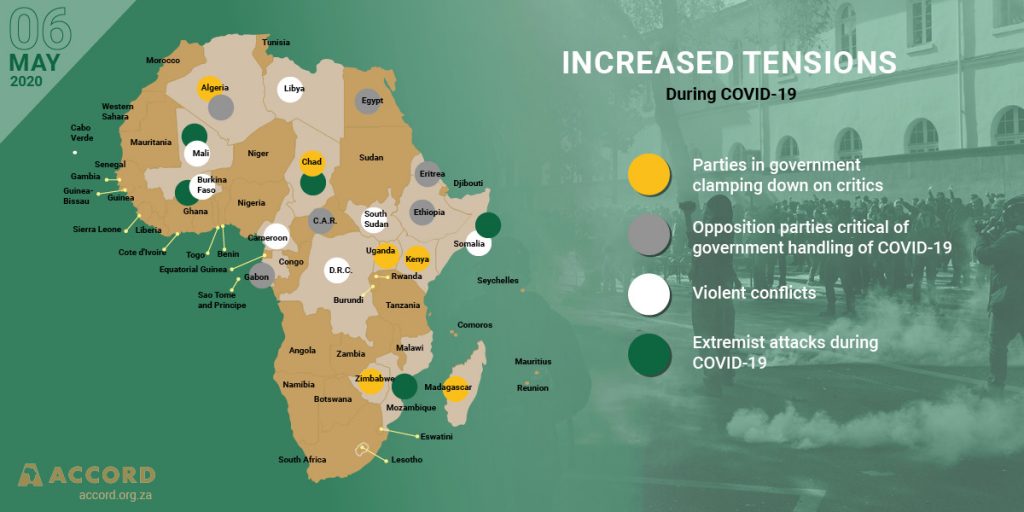
COVID-19 is likely to disrupt ongoing peace processes, worsen existing conflicts and generate new conflicts. But it may also offer opportunities for ceasefires and peace agreements.
The impact of COVID-19 lockdowns on the everyday lives and needs of Africa’s people
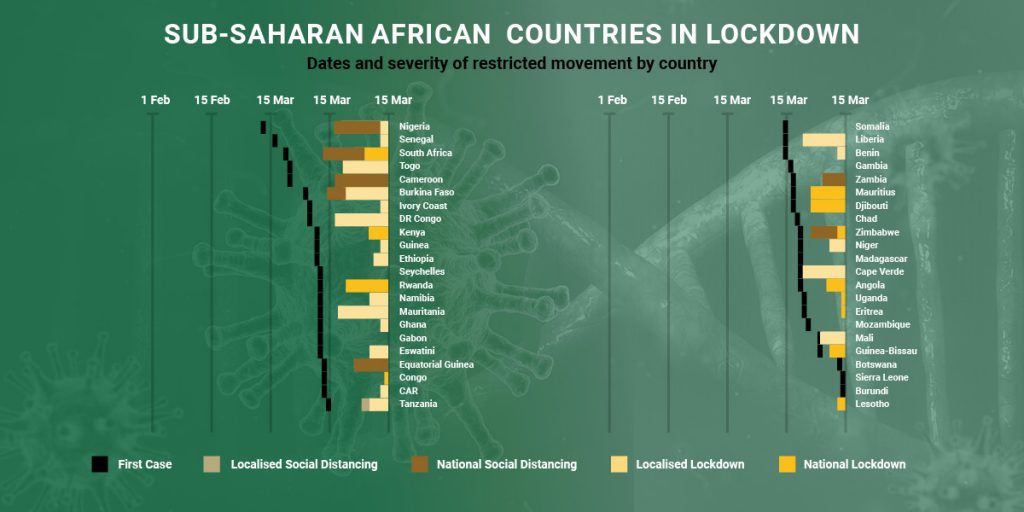
African governments face a challenging dilemma, finding the optimal balance between the need to contain the virus by limiting direct social-contact, protecting the economy and ensuring that people’s basic needs are met. It is becoming clear that the lockdowns most African governments have adopted to contain the virus are having a disproportionate impact on the poor and most vulnerable in our societies.
Community engagement and people-centred approaches key to successful containment of COVID-19
We have learned from the Ebola crisis in West Africa and elsewhere that COVID-19 containment strategies will fail unless they sufficiently involve communities in their design and implementation. The voices, needs and livelihoods of people and communities must remain at the centre of any response strategy.
Will COVID-19 related arrests affect public trust in Africa?
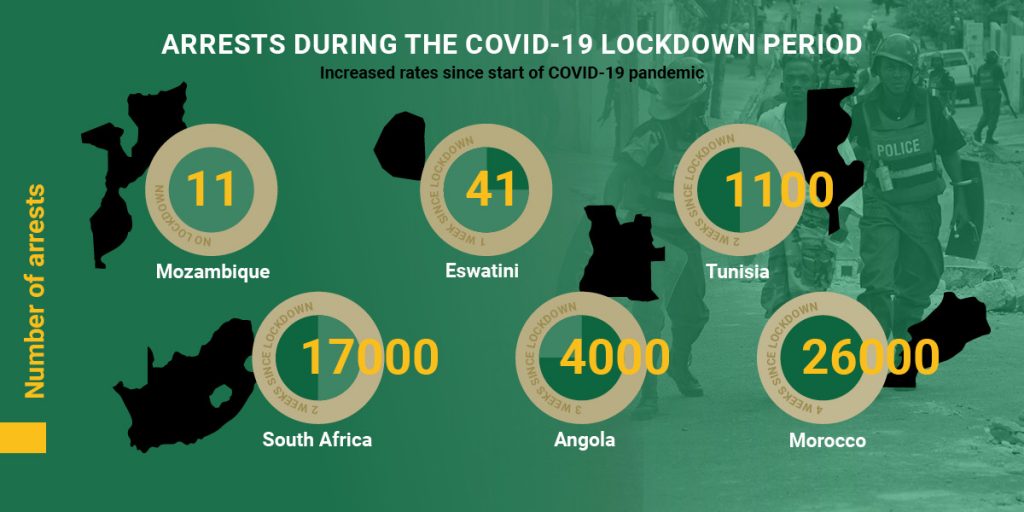
In the last few weeks, there have been a significant increase in the number of arrests in some African countries, most for the failure to comply with COVID-19 related rules and regulations. The high number of arrests could further lower levels of public trust and increase the likelihood of social unrest and violence.