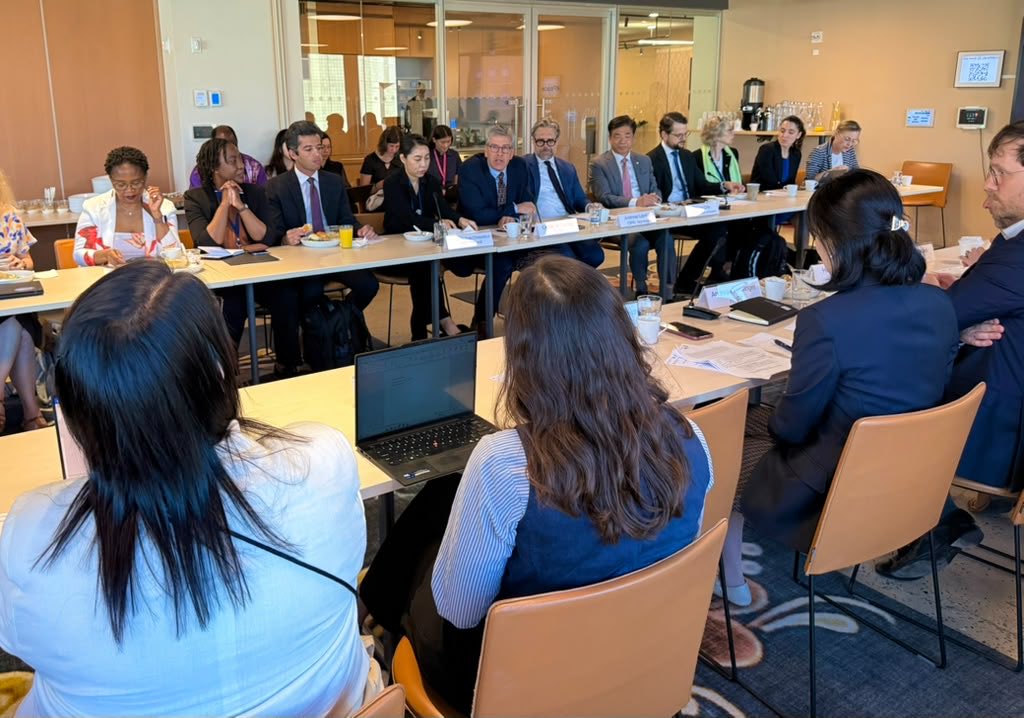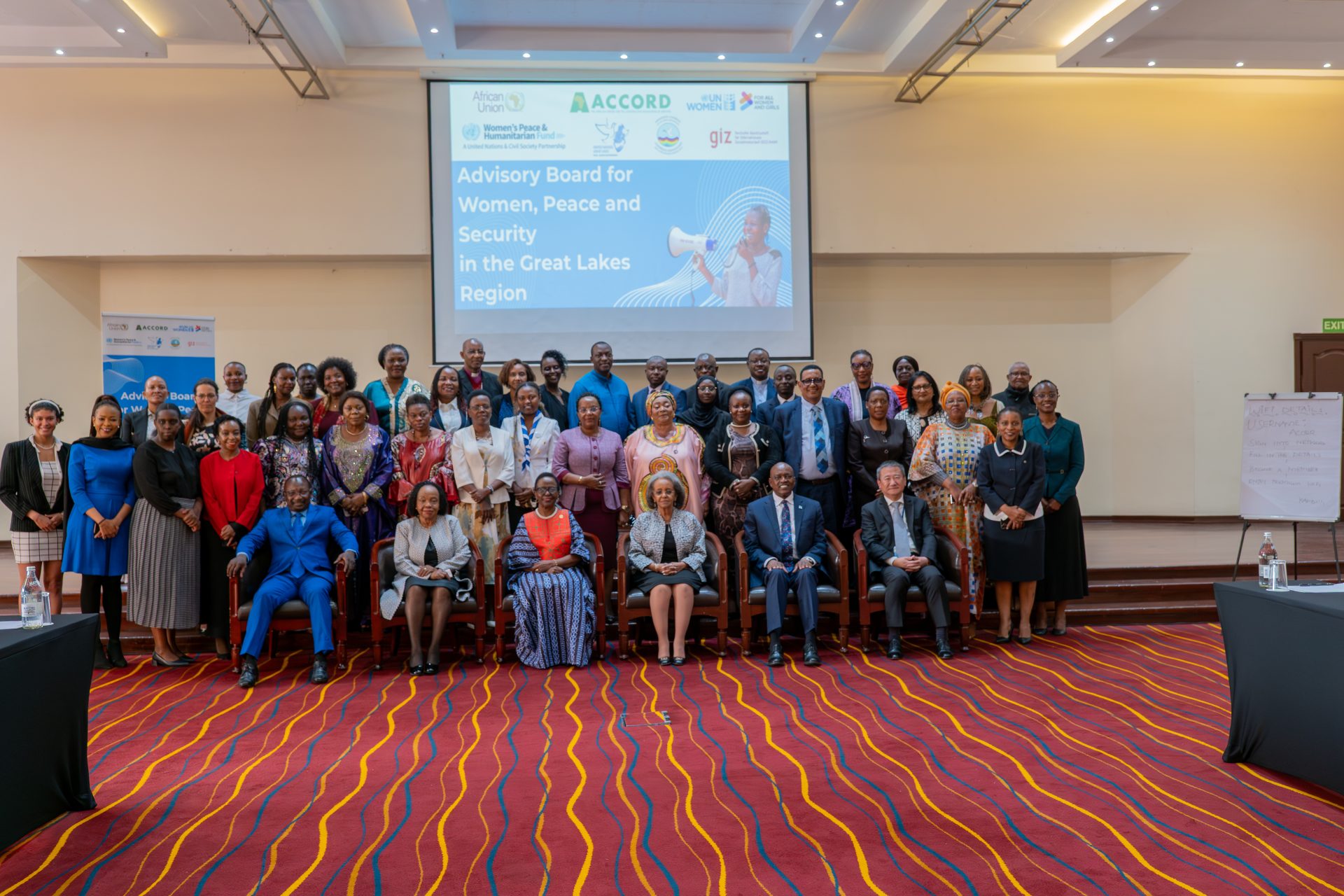
On 3 – 4 June 2026, ACCORD participated in the High-Level Meeting of the Advisory Board for Women, Peace and Security (WPS) in the Great Lakes Region, in Nairobi, Kenya. The meeting sought to strengthen the strategic and political role of the Advisory Board, promote community-led and gender-responsive approaches within the AU-led peace process for eastern DRC, and amplify the voices of conflict-affected women and communities in the region.
The meeting was convened by the Office of the United Nations (UN) Special Envoy for the Great Lakes Region (OSESG) ), in partnership with UN Women, the African Union (AU), the International Conference on the Great Lakes Region (ICGLR), the UN Stabilisation Mission in the Democratic Republic of the Congo (MONUSCO), the German Agency for International Cooperation (GIZ) and ACCORD.
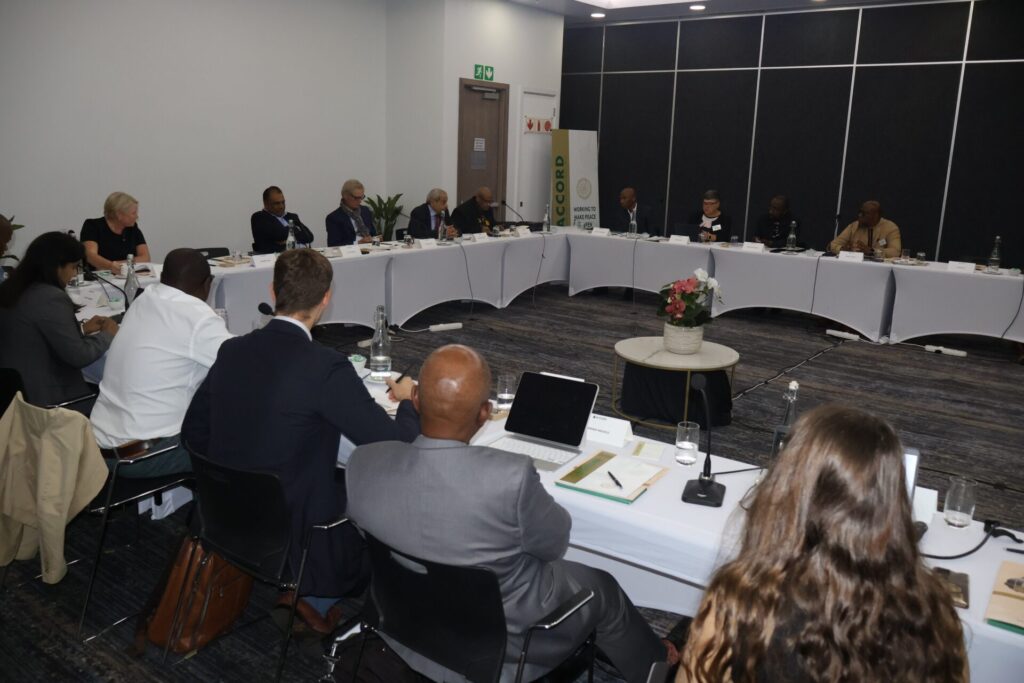
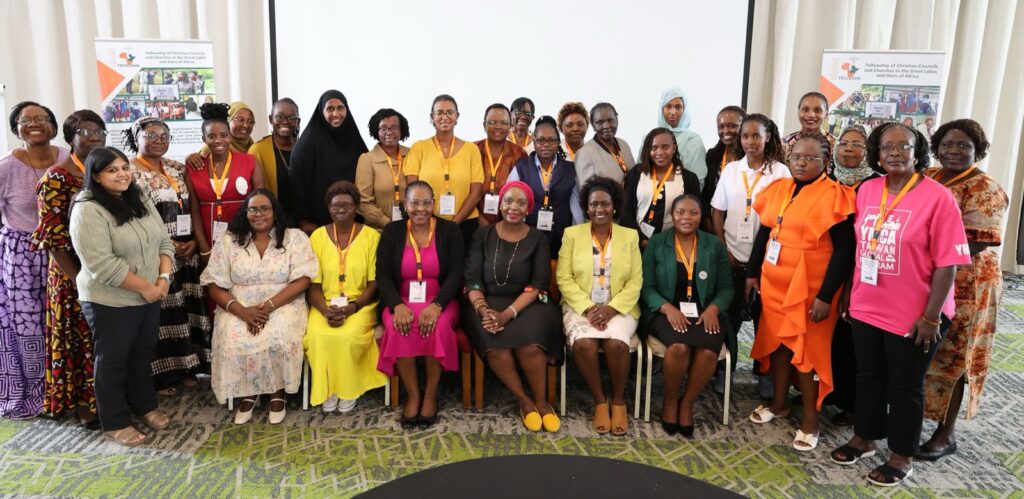
Co-chaired by Ambassador Huang Xia, UN Special Envoy for the Great Lakes Region, and Ambassador Liberata Mulamula, AU Special Envoy on WPS, the meeting brought together members of the Advisory Board, representatives of the mediation team and AU Panel of Facilitators for the eastern DRC peace process, regional civil society organisations (CSOs), women and youth-led groups, faith-based leaders, centres of excellence, UN entities and development partners.
Mr Huang Xia and Ambassador Liberata Mulamula emphasised the importance of strengthening the link between high-level political mediation and community-centred, gender-responsive peacebuilding efforts. Mr Huang Xia highlighted the urgency of of addressing the drivers of conflict in the Great Lakes region, including the illicit exploitation of natural resources, while reaffirming his commitment to ensuring that women’s voices are meaningfully integrated into the AU-led peace process. Ambassador Mulamula underscored the importance of inclusive approaches grounded in trust, confidence-building and the active engagement of affected communities..
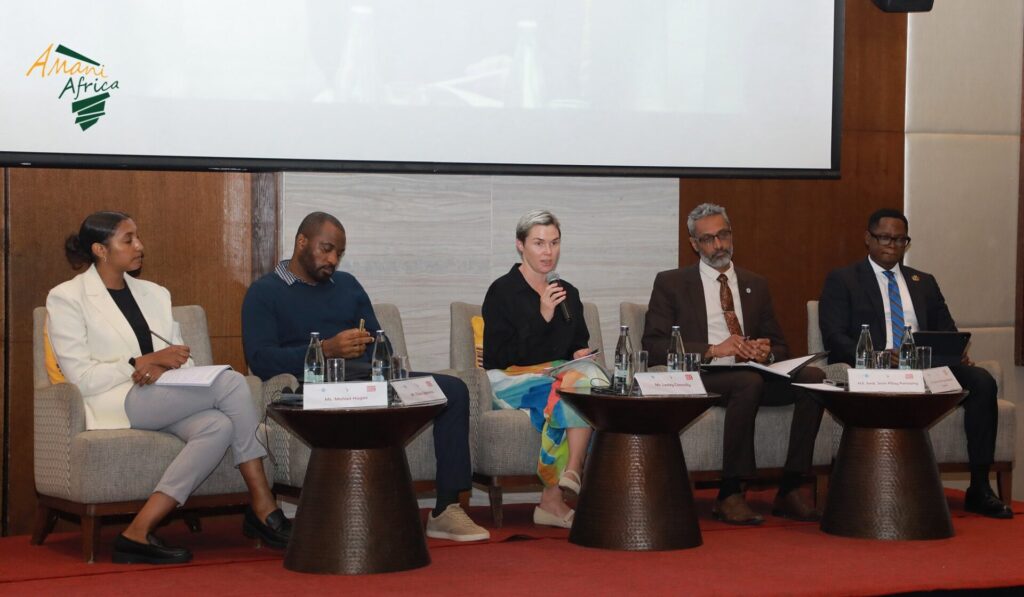
As part of the programme, ACCORD’s Senior Political Advisor, Ambassador Welile Nhlapo, delivered an analysis of the ongoing conflict in the DRC and the wider Great Lakes region. His presentation highlighted key political and security dimensions of the crisis, including the evolving regional dynamics, the proliferation of armed groups, the challenges facing ongoing peace initiatives and the importance of inclusive approaches that connect high-level mediation efforts with community perspectives.
Participants reaffirmed their support for the AU-led peace process and called for stronger integration of WPS and Youth, Peace and Security commitments. The Advisory Board also reiterated its role as a bridge between grassroots communities and high-level political processes, advocating for greater inclusion of women, youth, faith leaders and civil society actors in ongoing mediation efforts.
The meeting concluded with a shared commitment to advancing coordinated, inclusive and gender-responsive approaches to peacebuilding in the DRC and Great Lakes region.