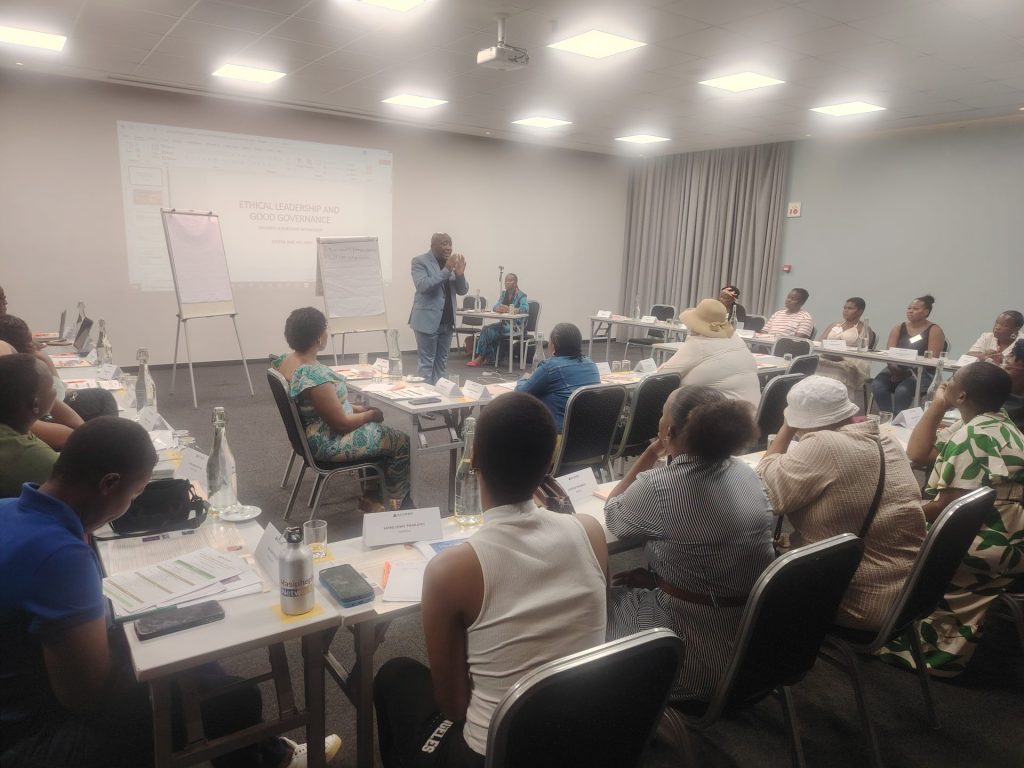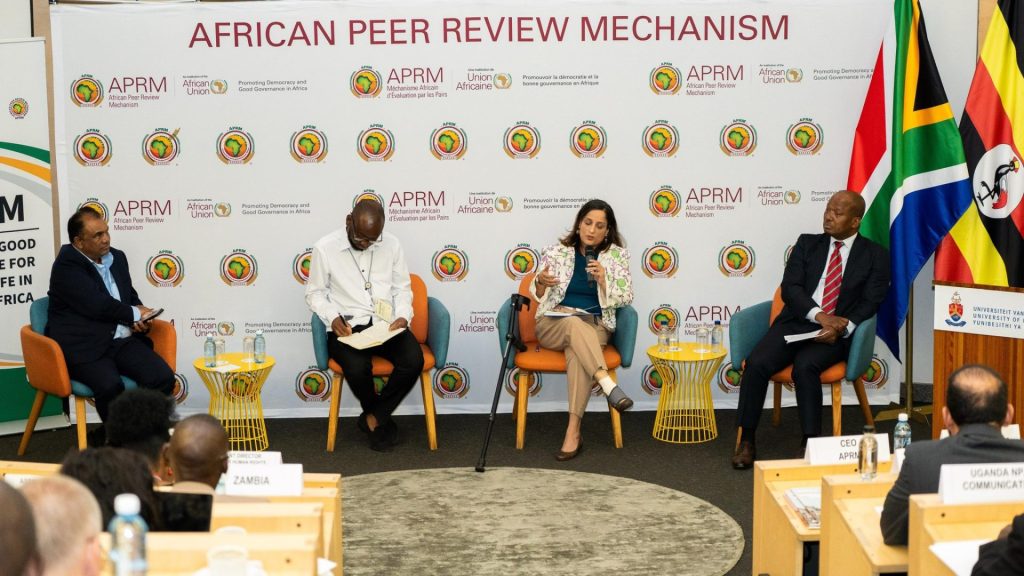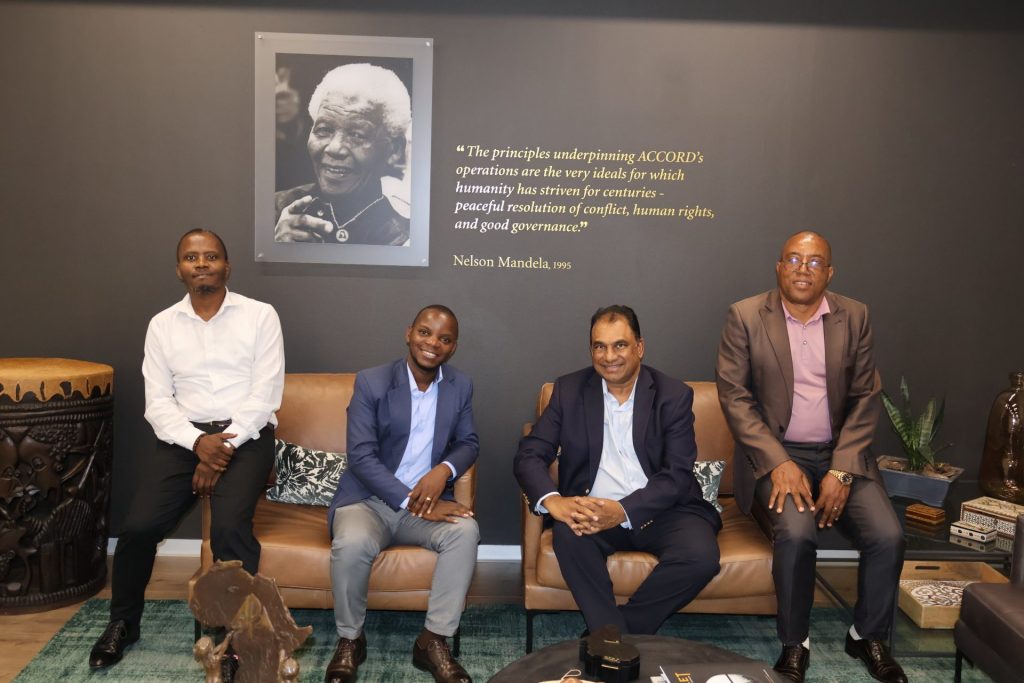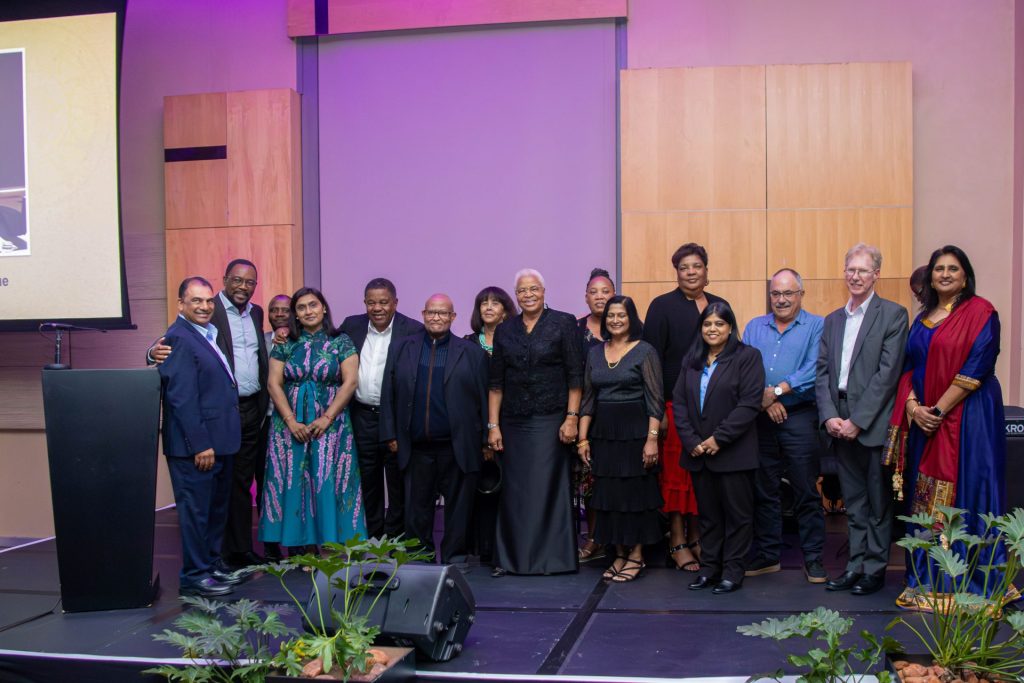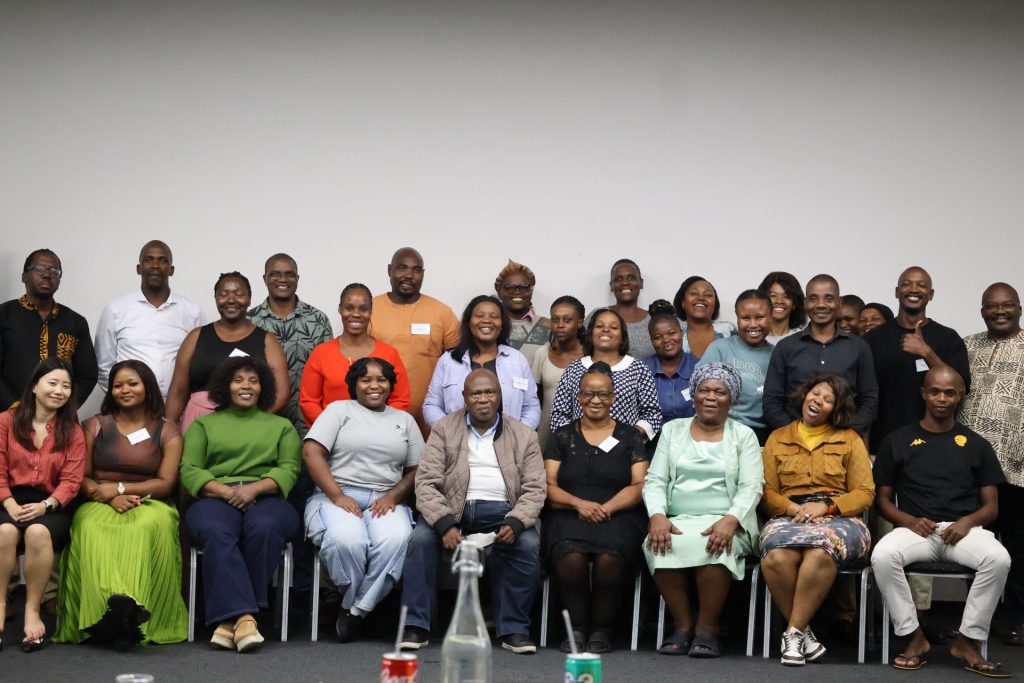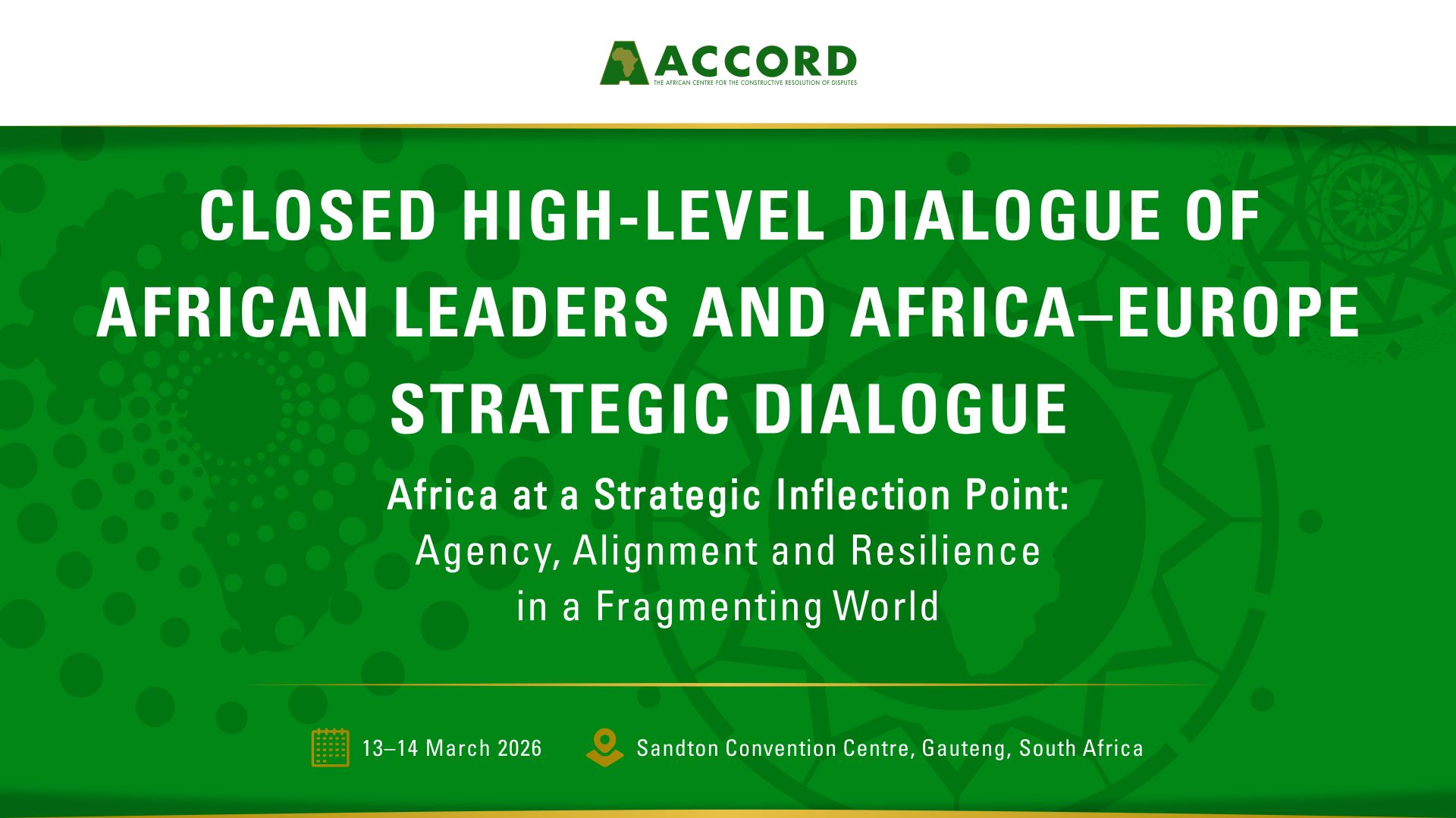
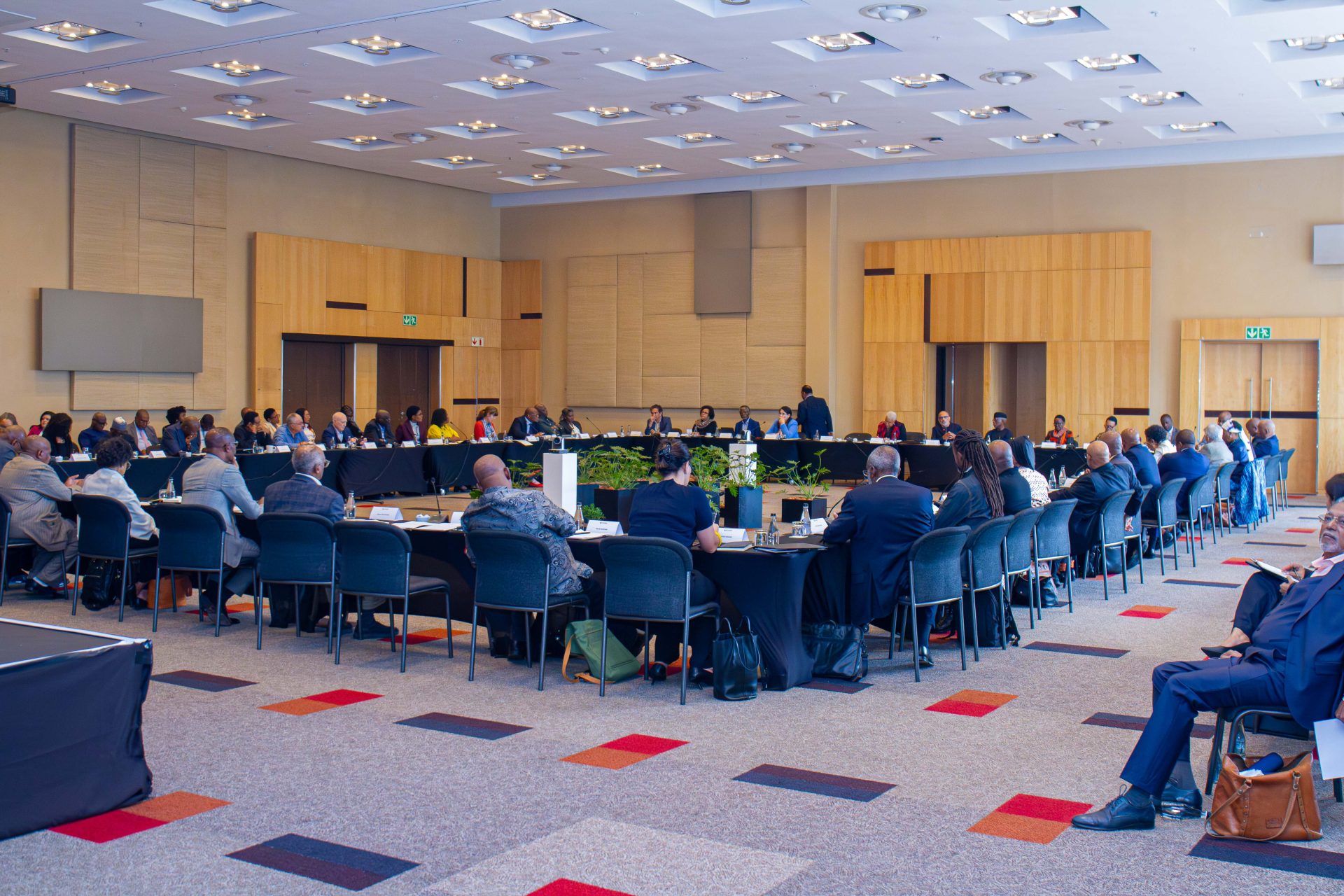
From 13 – 14 March 2026, Senior representatives from African institutions, the United Nations system, Regional Economic Communities, business, academia, think-tanks and civil society convened in Sandton, Johannesburg, for a High-Level Intra-African Dialogue on “Africa at a Strategic Inflection Point: Agency, Alignment and Resilience in a Fragmenting World.” The Dialogue was convened under the auspices of ACCORD and chaired by ACCORD’s Board Chair, Graça Machel.
Participants noted that Africa is confronting a convergence of profound challenges, including rapid demographic growth, accelerated urbanisation, uneven and insufficiently inclusive development, widening poverty and inequality, conflict and insecurity, climate stress, debt vulnerability, and intensifying geopolitical competition. These pressures are unfolding in a world marked by deepening fragmentation, weakening multilateralism, and heightened rivalry over resources, markets, technology, influence, and strategic positioning.
At the same time, participants emphasized that Africa’s story is not one of crisis alone. Across the continent there are important signs of progress, resilience, and innovation. These gains should be recognized, encouraged, and nurtured as foundations for a more confident, prosperous, and self-determined African future.
The Dialogue agreed that Africa is in a race against time. The central question is whether the continent can act with sufficient urgency, coherence, agency and strategic purpose to shape its own future, or whether that future will increasingly be shaped by external actors, internal fragmentation, and responses that do not match the scale and speed of current pressures.
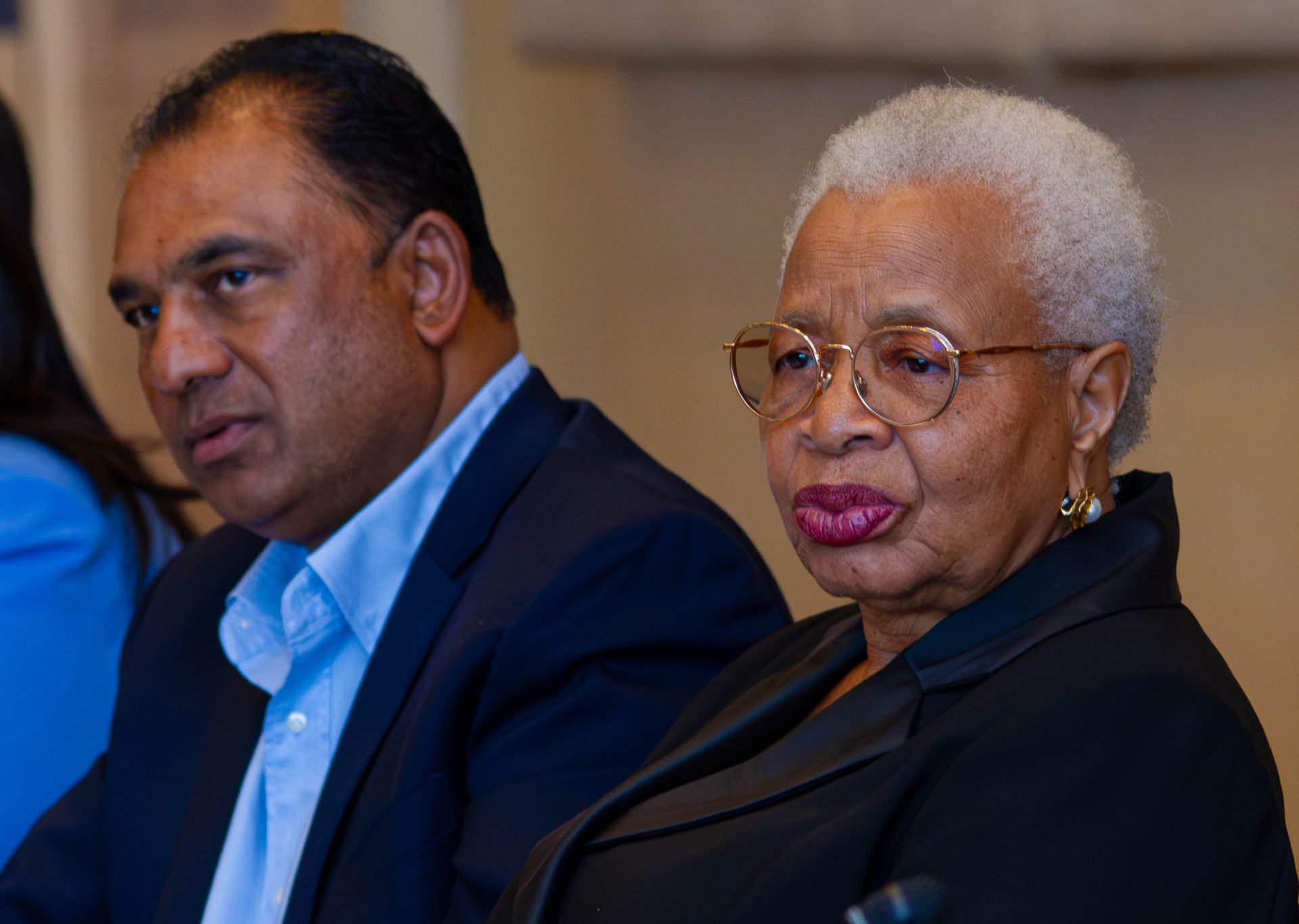
Participants affirmed that the erosion of African agency is neither inevitable nor irreversible. They expressed support for an inclusive African platform of influential voices drawn from all sectors of society, with deliberate attention to gender balance and youth representation, to help advance African agency and contribute to the realization of the African Union’s Agenda 2063. This platform would serve as the beginning of a broader process of reflection, consultation, and strategic alignment across the continent, while also encouraging constructive engagement with partners from other regions of the world through governments, the private sector, academia, civil society, and people-to-people exchanges.
Participants agreed that Africa cannot rely on fragmented and purely transactional responses if it is to protect its interests in a rapidly changing global order.
The Dialogue concluded with a shared conviction that Africa’s future must be shaped increasingly through African choice, African coordination, African solidarity, and African leadership.