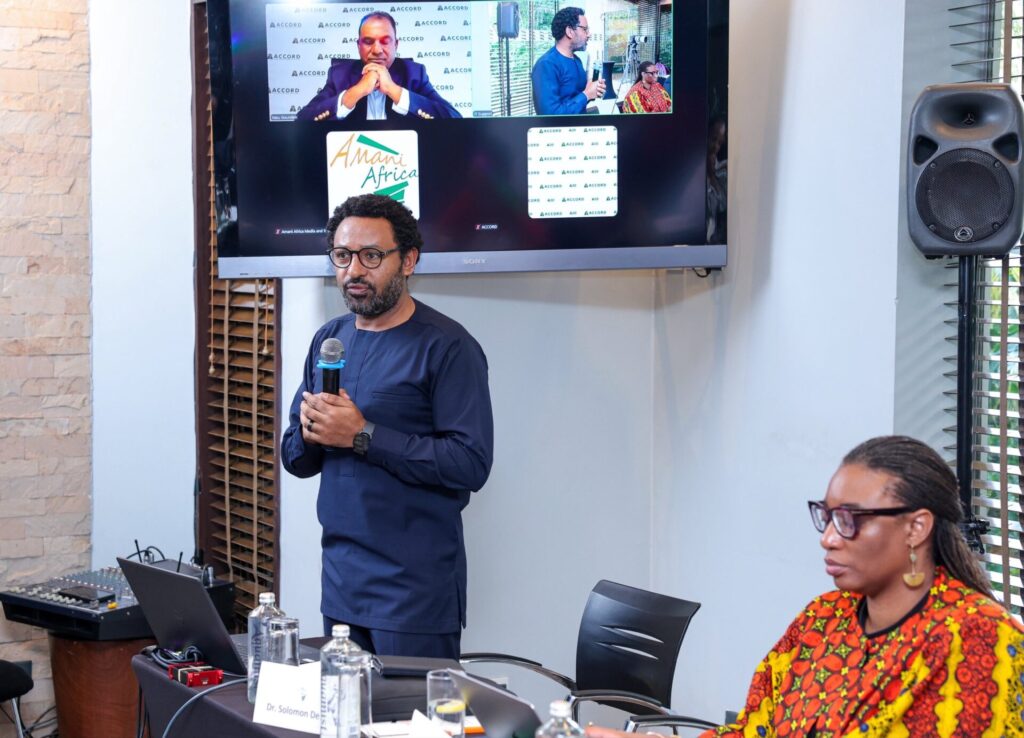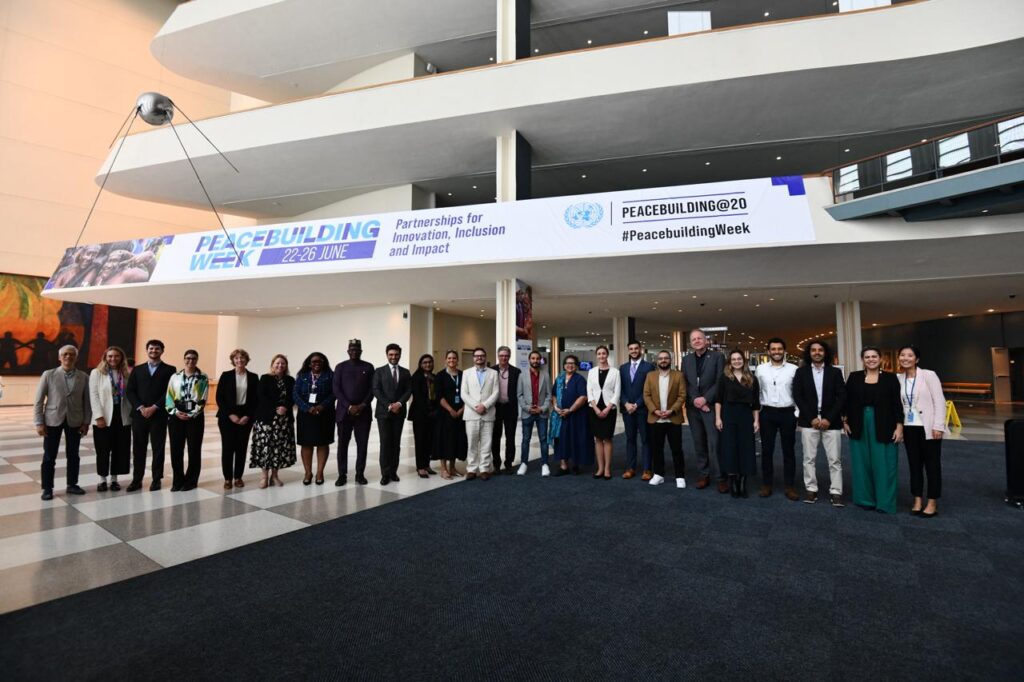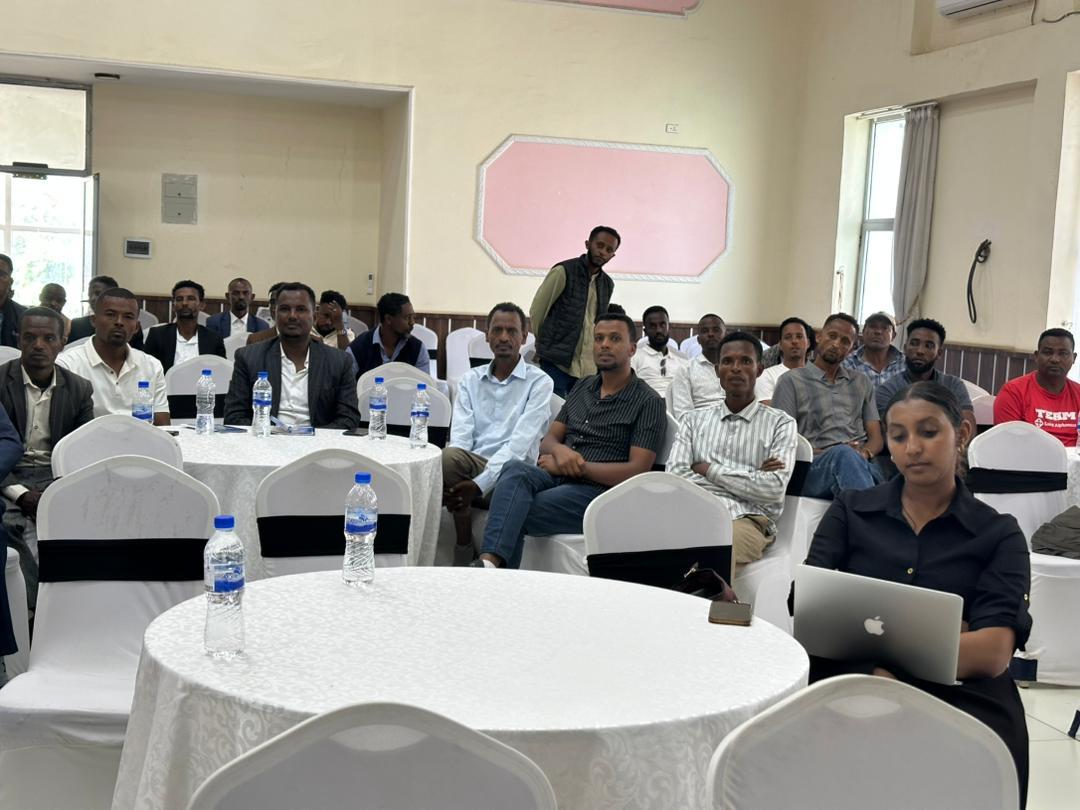
The Ethiopian Youth Council, in collaboration with ACCORD and the Ministry of Women and Social Affairs (MoWSA), hosted a National Consultation Workshop on Youth, Peace and Security on 30 April 2026, in Adama, Ethiopia. The workshop aimed to strengthen national understanding of the YPS agenda and to support the development and operationalisation of Ethiopia’s first National Action Plan (NAP) on Youth, Peace and Security.
The consultation brought together representatives from government institutions, youth organisations, civil society organisations, and regional stakeholders from Addis Ababa, Central Ethiopia, and the Oromia region to reflect on the challenges and opportunities surrounding youth participation in peace and security processes in Ethiopia.
Regional group discussions highlighted several challenges affecting youth participation in peacebuilding efforts. Participants from Addis Ababa emphasised the growing lack of trust in formal state-led conflict resolution mechanisms, noting that many communities increasingly turn to religious institutions and leaders to resolve disputes.
Participants from the Oromia region stressed the importance of changing societal perceptions of youth, noting how youth are often viewed as drivers of conflict rather than contributors to peace. They highlighted the impact of misinformation, lack of reliable platforms for verifying information, unemployment, and limited opportunities for meaningful engagement.The Oromia discussions also reflected on positive local experiences, including the inclusion of youth in traditional mediation processes in areas such as Arsi and Borena.
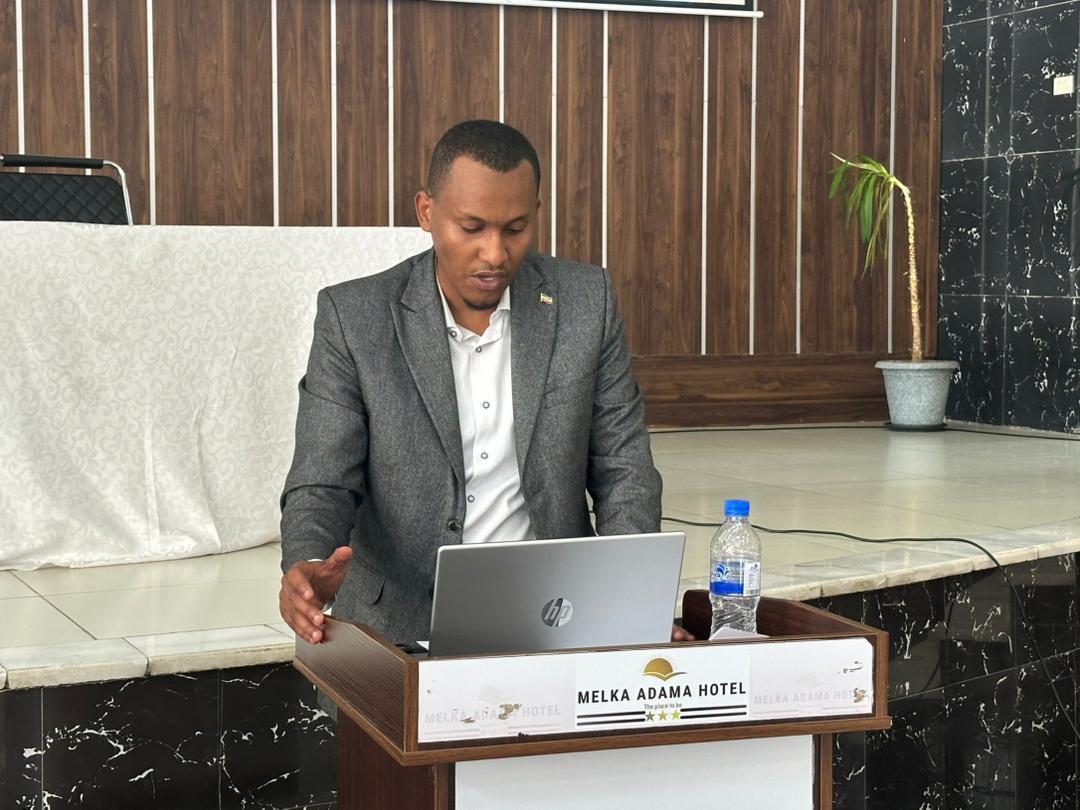
Discussions on disengagement and reintegration highlighted the challenges faced by former combatants, particularly unmet expectations regarding reintegration support and the tensions this may create within host communities, especially among unemployed youth.
Youth representatives from the Central Ethiopia Region highlighted unemployment and lack of economic opportunities as key drivers of youth involvement in conflict and irregular migration. They noted that peacebuilding efforts require stronger implementation of existing policies, better coordination among stakeholders, and greater inclusion of religious institutions and civil society actors in peace processes.
The discussions also underscored the importance of indigenous conflict-resolution mechanisms, such as the Sera traditional conflict-resolution system, which uses customary approaches to mediate disputes and deliver justice. While youth are often involved in investigative roles within these traditional systems, participants noted that they remain largely excluded from decision-making positions in mediation processes.
A central theme throughout the consultation was the need to align the YPS agenda with Ethiopia’s broader peacebuilding priorities, including the National Dialogue, Transitional Justice and Reconciliation, Disarmament, Demobilisation, and Reintegration, and the Women, Peace and Security agenda.
The workshop concluded with a forward-looking session on coordination and next steps, during which participants discussed establishing a multi-stakeholder coordination platform to support the development and implementation of Ethiopia’s National Action Plan on Youth, Peace and Security.
ACCORD remains committed to enhancing the role of youth to prevent, mitigate and resolve complex conflicts.