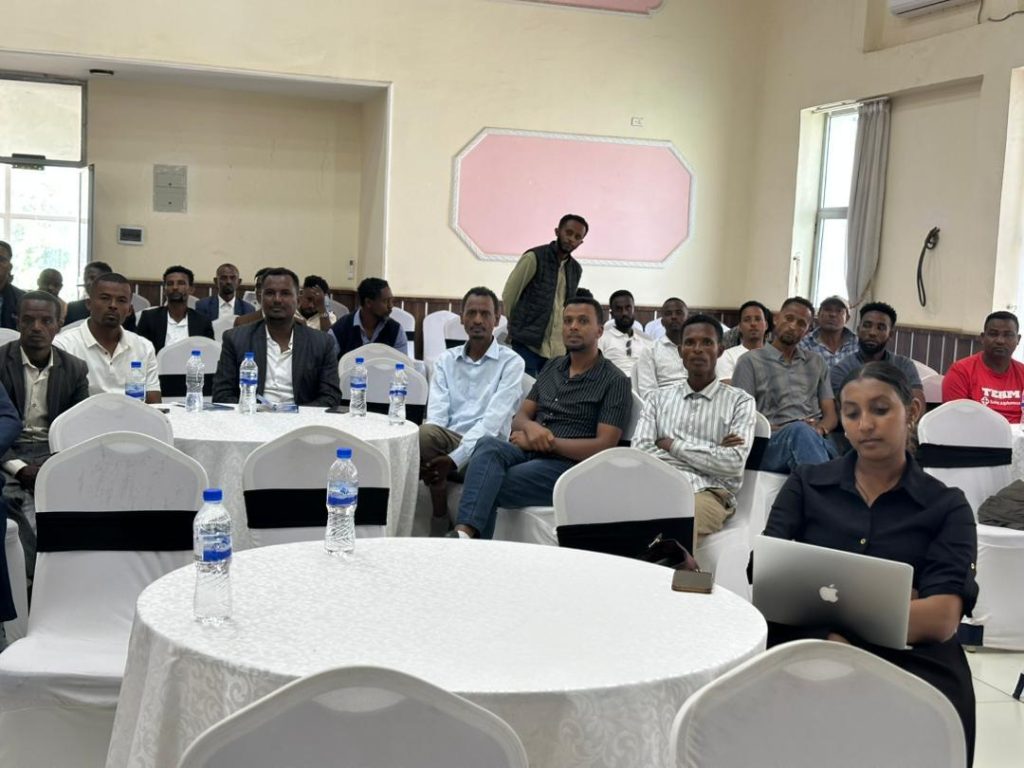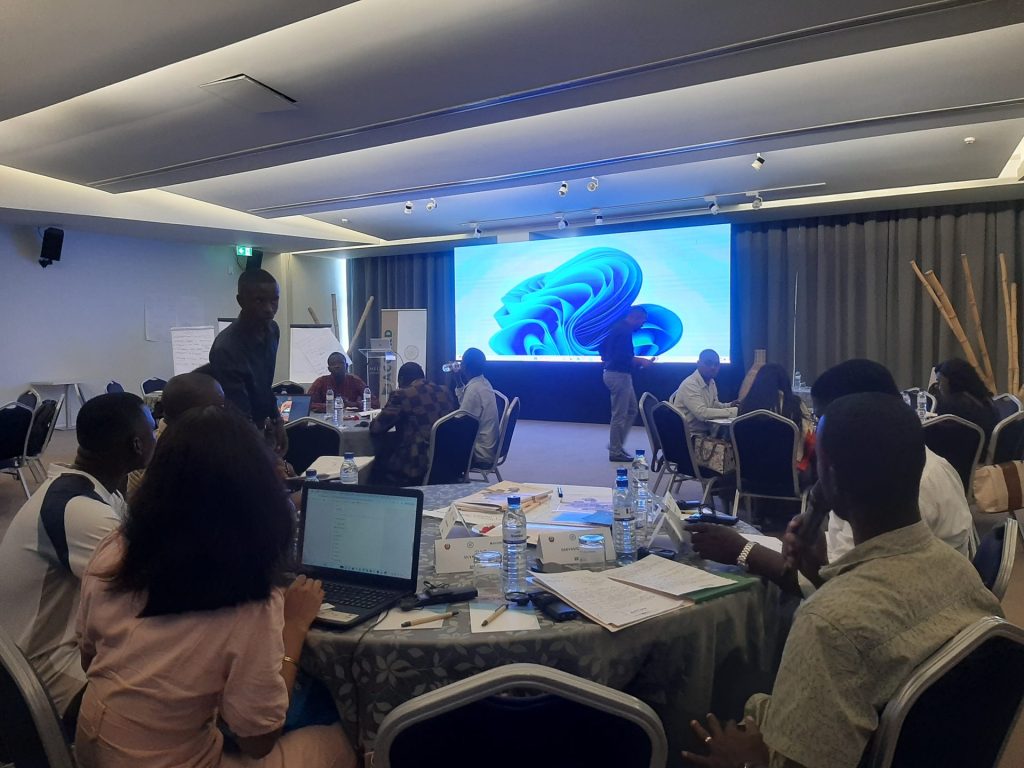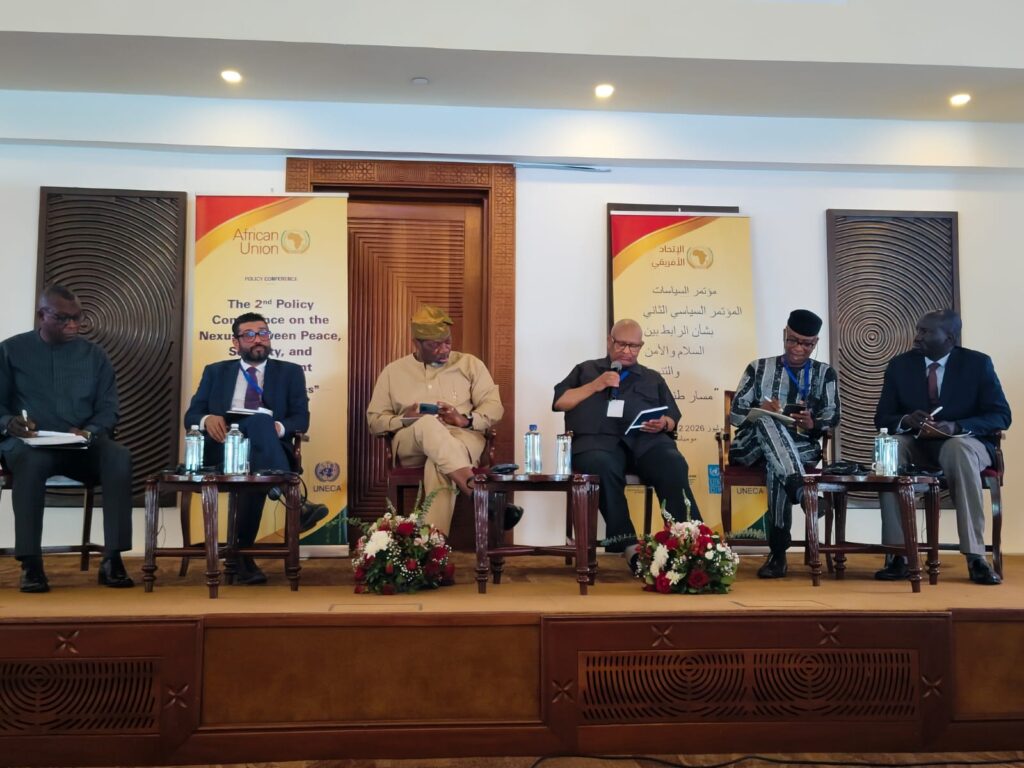
ACCORD Supports the National Consultation on Ethiopia’s Youth, Peace, and Security Agenda Process
Strengthening national understanding of the YPS agenda

Strengthening national understanding of the YPS agenda

Despite growing recognition of the YPS agenda, meaningful participation remains limited by institutional and socio-cultural barriers

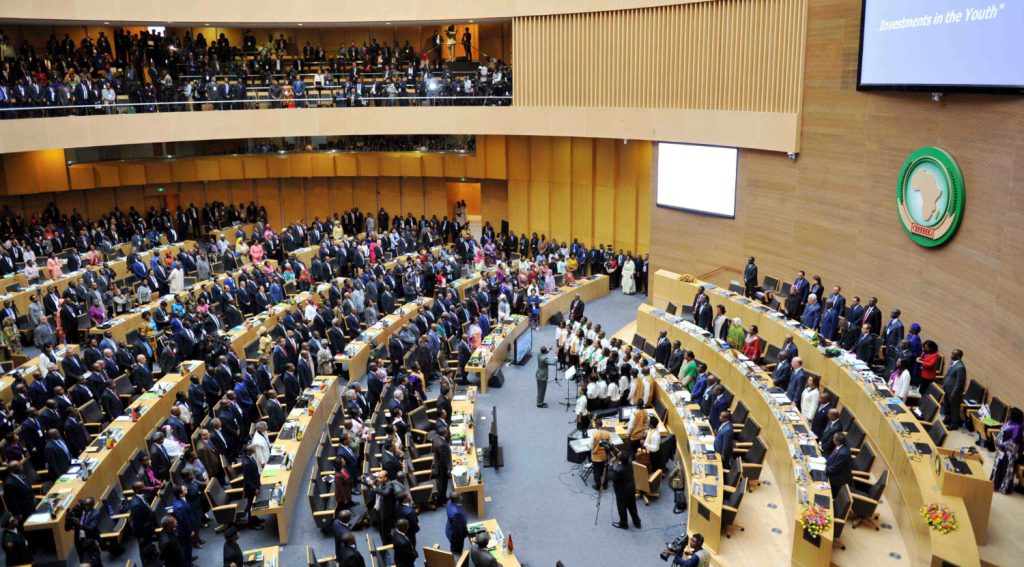
While YPS frameworks have generated momentum for the adoption of the YPS agenda, progress in implementation remains slow, resulting in limited impact. The analysis that follows examines whether the CFYPS has substantially addressed the needs of Africa’s young peacebuilders

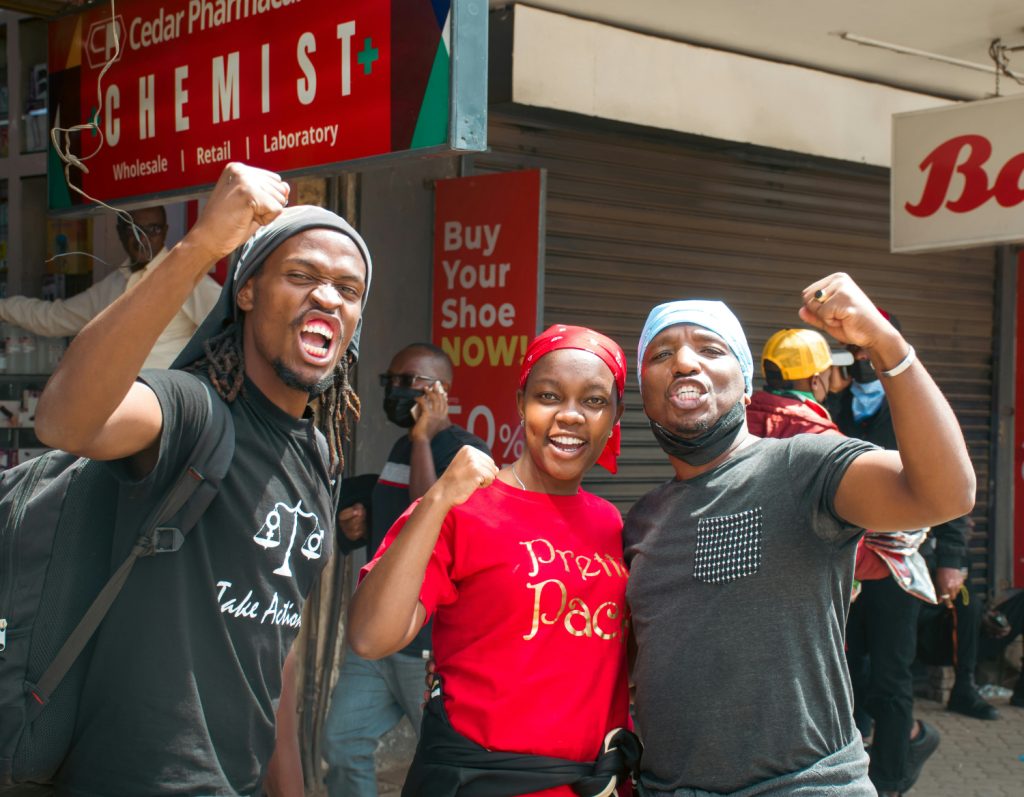
Using the human security and bottom-up peacebuilding frameworks, to analyse the Kenyan state’s response to recent youth-led protests, examining the impact of securitisation of the protests on peace and stability, and recommending actions that may engender the re-imagining of state-youth engagement for a better Kenya

Examining the structural drivers, tactical innovations, and governance implications of youth protests in Francophone West Africa, with particular attention to Burkina Faso, Guinea, and Senegal

The Niger Delta region of Nigeria presents a unique case study for understanding how youth populations transition from conflict perpetuation to peacebuilding across different historical periods

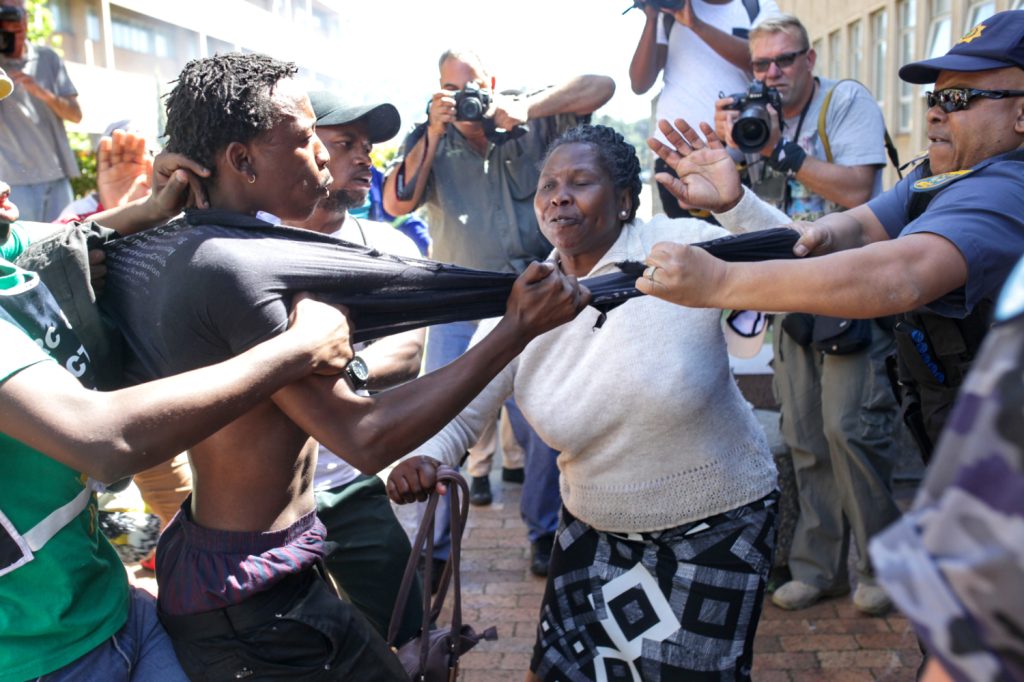
Examining Operation Dudula’s ideology, strategies and impacts, to illuminate the intersection of youth activism, nationalism, and xenophobia, and explore avenues for constructive engagement that align with broader African ideals.

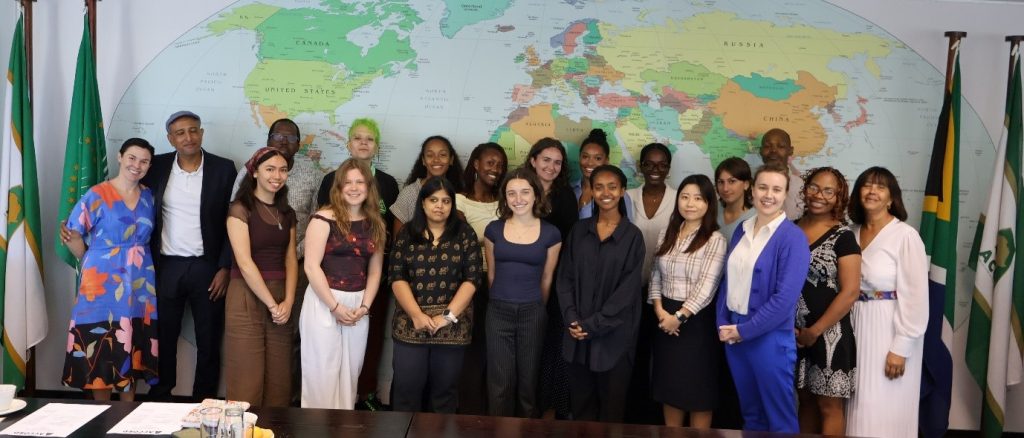
ACCORD hosted a delegation from the School of International Training (SIT) on Wednesday, 4 March 2026. The delegation consisted of 10 Undergraduate students and 2 Graduate Institute MA students, accompanied

Strengthening knowledge and promoting participation of youth in peace and decision-making processes in Mozambique.

Assessing the response and effectiveness of international bodies, such as the UN and AU, in safeguarding the children in conflict-affected areas across Africa