The Niger Delta region of Nigeria presents a unique case study for understanding how youth populations transition from conflict perpetuation to peacebuilding across different historical periods. This oil-rich area, comprising nine states, including Rivers, Bayelsa, Delta, Akwa Ibom, Cross River, Edo, Ondo, Abia, and Imo, occupies approximately 70 000 square kilometres of ecologically significant territory.1 The region houses over 500 densely populated rural ethnic minority communities, each with distinct historical experiences of resource extraction, environmental degradation and political marginalisation.
Understanding youth involvement in peacebuilding requires examining how this role has evolved through distinct historical phases, from pre-colonial communal governance systems to colonial exploitation, post-independence oil discovery, militant uprising, and contemporary peace initiatives. This historical approach reveals that youth engagement in peace processes is not a recent phenomenon but rather reflects changing political economies, governance structures, and international frameworks across different periods. By tracing this evolution, we can better understand current challenges and identify sustainable pathways for youth-centred peace consolidation.
Pre-colonial era: Youth in traditional governance and conflict resolution (pre–1885)
The pre-colonial Niger Delta societies possessed sophisticated governance systems in which youth occupied defined roles within age-grade structures. According to Alagoa, the region’s diverse ethnic groups – including Ijaw, Itsekiri, Urhobo, Ogoni, and others – organised social, economic, and political life through age-grade associations that integrated young people into communal decision-making and conflict resolution mechanisms.2
Age-grade systems constituted the primary framework through which youth participated in community governance. Ottenberg describes these systems as corporate groups of persons of a similar age who progressed through defined life stages together, assuming specific responsibilities at each stage.3 Young men in certain age grades typically performed security functions, executed communal labour projects, and served as enforcement mechanisms for decisions taken by elder councils.4
Importantly, these systems provided structured pathways for youth voice and agency. While ultimate authority rested with elders, youth age grades possessed certain autonomy and could influence communal decisions through collective action. During inter-communal disputes, youth warriors defended community interests while elder mediators pursued diplomatic resolution, creating complementary roles that balanced force and negotiation.5
Colonial period: Youth marginalisation and emerging resistance (1885–1960)
British colonial occupation fundamentally disrupted traditional governance structures and transformed youth relationships with authority and conflict resolution. The colonial state’s introduction of indirect rule, Western education, and capitalist economic relations created new forms of youth identity and political consciousness.
Colonial administrators deliberately undermined the political functions of age-grade systems while preserving their labour extraction utility. According to Watts, colonial authorities appointed warrant chiefs who lacked traditional legitimacy, bypassing established systems, including youth age grades that had previously mediated between different authority levels.6 This marginalisation removed youth from recognised political participation channels, creating resentment and alternative resistance forms.
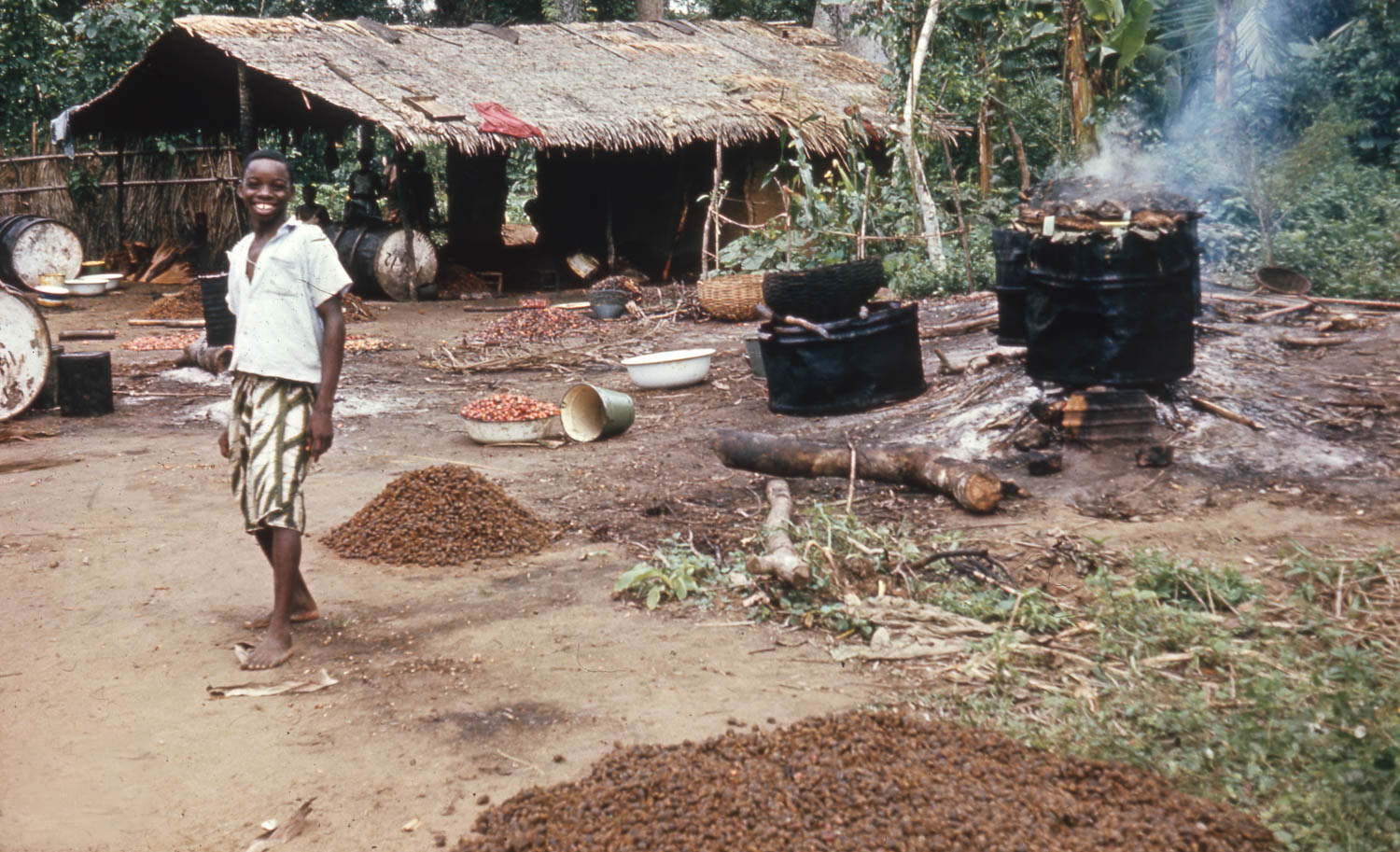
Simultaneously, the colonial introduction of capitalism created new economic pressures. As Dike documented, the palm oil trade expansion transformed labour patterns. It created migrant wage labour, disrupting traditional age-grade cohesion and creating a class of displaced youth disconnected from both traditional and colonial governance structures.7
The establishment of mission schools and colonial education systems created what Falola terms ‘new elite youth’ – young people whose Western education provided access to colonial administrative positions and commercial opportunities while alienating them from traditional communities.8 These educated youth became early nationalist voices, forming organisations that challenged colonial authority through petitions, newspapers, and political mobilisation.
Notable Niger Delta youth organisations during this period included the Itsekiri Progressive Union and various ethnic improvement associations that advocated for community development and challenged colonial policies.9 However, these movements primarily represented educated, urban youth rather than the rural majority, who continued to face both colonial exploitation and environmental degradation from early oil exploitation, which began in 1956.
Early independence: Youth militancy emerges (1960–1980)
Nigeria’s independence in 1960 brought expectations of political autonomy and economic redistribution that were largely unfulfilled, particularly in the Niger Delta. This period saw youth transition from relatively contained protests to increasingly militant action as frustrations mounted.
The first significant youth-led armed resistance in post-independence Niger Delta was the twelve-day revolution led by Isaac Adaka Boro in February 1966. Boro, a university-educated Ijaw youth, declared the ‘Niger Delta Republic’ and led a small group of young militants in attacking police stations and oil installations.10 Though quickly suppressed by federal forces, this rebellion established important precedents: it articulated grievances over resource control that would persist for decades, demonstrated youth willingness to employ armed resistance, and revealed the Nigerian state’s primarily military response to Niger Delta dissent.
Saro-Wiwa argues that Boro’s rebellion represented genuine revolutionary consciousness among educated Niger Delta youth who recognised that political independence had not translated into economic justice for oil-producing communities.11 The rebellion’s suppression and Boro’s subsequent imprisonment sent clear messages that youth challenges to the political order would meet violent state responses.
Oil boom and youth frustration (1980–1995)
The 1970s oil boom generated enormous revenues but paradoxically deepened marginalisation and youth frustration in the Niger Delta. This period saw environmental degradation intensify, economic inequality widen, and youth unemployment reach crisis levels despite unprecedented national wealth.
The environmental impacts of oil production devastated traditional youth livelihoods in fishing and farming. According to Amnesty International, oil spills destroyed vast areas of agricultural land and fishing waters, creating a generation of youth unable to follow their parents’ occupations.12 The United Nations Development Programme (UNDP) documented that the Niger Delta experienced an average of 300 oil spills annually between 1976 and 1996, affecting approximately 9-13 million people whose primary economic activities depended on healthy ecosystems.13
This environmental crisis created what Watts terms ‘petro-violence’ – violence emerging directly from oil production’s social and environmental impacts.14 Youth who might have become farmers or fishers instead faced unemployment and environmental destruction while witnessing oil wealth extraction from their communities.
The Movement for the Survival of the Ogoni People (MOSOP), founded in 1990 and led by Ken Saro-Wiwa, mobilised Ogoni youth around environmental justice and political autonomy demands. The organisation’s 1990 Ogoni Bill of Rights articulated comprehensive grievances, including environmental destruction, political marginalisation and economic exploitation.15
MOSOP initially emphasised non-violent mass mobilisation, with youth forming the movement’s activist core. The January 1993 demonstration that drew over 300 000 participants, including large youth contingents, demonstrated the potential for organised, peaceful youth activism.16 However, internal tensions emerged over tactical approaches, with some youth members advocating more militant action against what they perceived as ineffective peaceful protest.
The Nigerian military government’s brutal response to MOSOP, culminating in Ken Saro-Wiwa’s execution in November 1995, radicalised many Niger Delta youth. Obi argues that Saro-Wiwa’s execution marked a turning point, convincing many youth that non-violent resistance was futile against a state willing to murder peaceful activists.17

Era of armed militancy (1996–2009)
The late 1990s and early 2000s witnessed the proliferation of armed youth militant groups across the Niger Delta. This period represents perhaps the most intense youth involvement in violent conflict, yet simultaneously saw the emergence of early peacebuilding initiatives that recognised youth’s central role in both conflict and resolution.
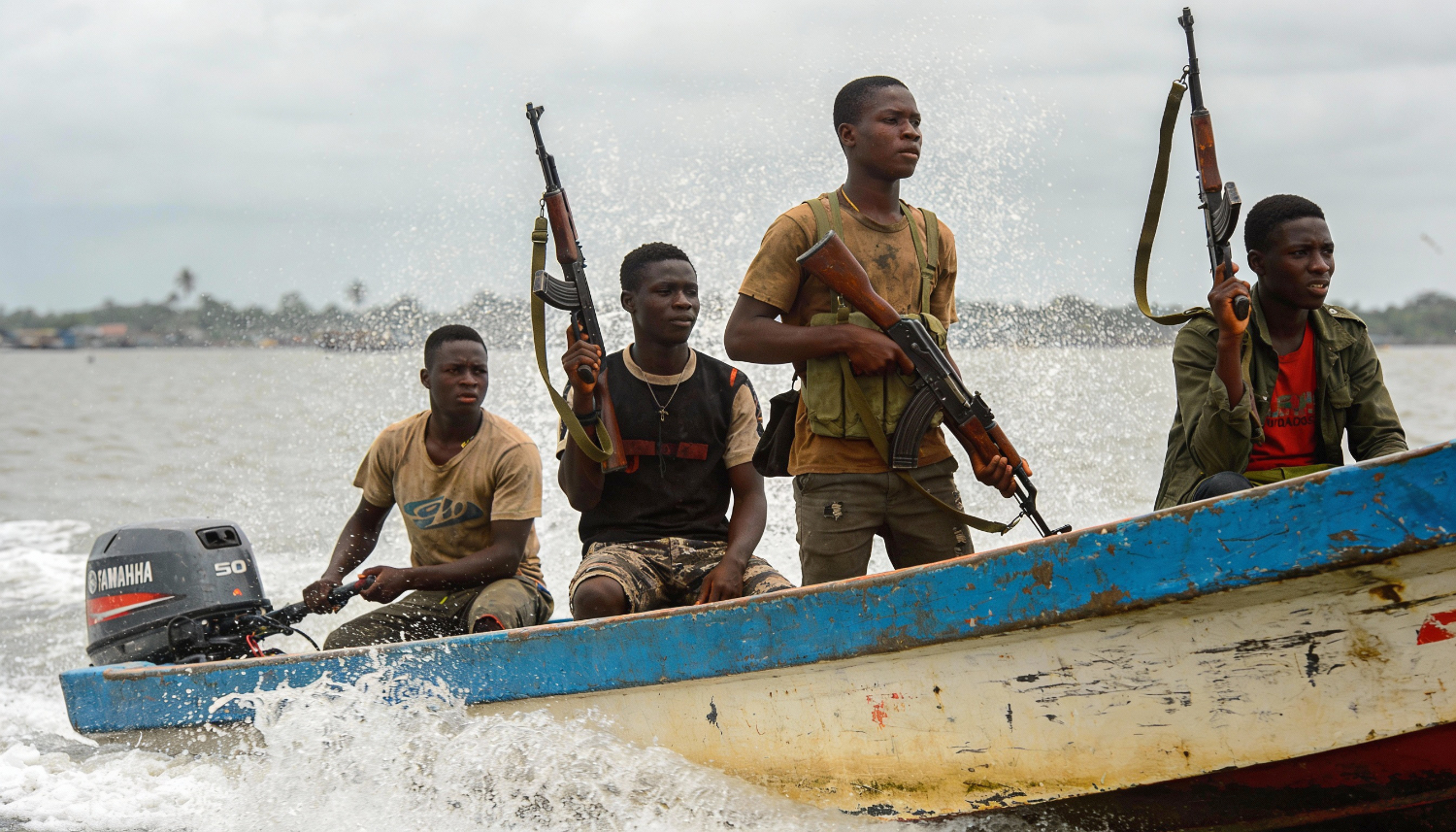
Following Saro-Wiwa’s execution, numerous youth militant groups emerged, including the Niger Delta Volunteer Force, the Niger Delta People’s Volunteer Force, and eventually the Movement for the Emancipation of the Niger Delta (MEND), which became the most prominent.18 These groups attracted unemployed youth through various means: ideological commitment to resource control and environmental justice, economic incentives from illegal oil bunkering, political manipulation by elites seeking muscle for elections, and social prestige in communities where militant leaders gained Robin Hood-like reputations.19
Ukiwo found that militant groups filled governance voids, providing security, dispute resolution, and resource redistribution in areas where state presence was minimal or predatory. For many youth, militant groups offered identity, purpose and economic survival that legitimate institutions failed to provide.20
The Nigerian state’s response combined military operations and elite co-option through financial payments to militant leaders. Military campaigns, such as the 1999 Odi massacre, where the military destroyed an entire Bayelsa community following the killing of policemen, demonstrated the state’s willingness to employ disproportionate force.21 These operations typically killed civilians, destroyed property, and displaced populations while failing to address underlying grievances, instead deepening youth alienation and militant recruitment.

Simultaneously, politicians increasingly employed youth militants for electoral violence, paying them to intimidate opponents, rig elections and protect illegal oil bunkering operations that funded political campaigns.22 This political manipulation of youth militancy created perverse incentives that perpetuated violence while preventing genuine grievance resolution.
Despite intensifying violence, some pioneering peacebuilding efforts emerged during this period. International and local organisations began recognising that sustainable peace required addressing youth marginalisation. The Niger Delta Environmental Survey (1997) recommended community development programmes, including youth training, while the Niger Delta Development Commission (NDDC), established in 2000, nominally aimed to provide development opportunities, including youth scholarships and skills training.23
However, these early initiatives suffered from poor implementation, corruption and failure to involve youth in programme design. The NDDC, intended as a development vehicle, became synonymous with contract inflation and abandoned projects, generating cynicism among youth who saw promised opportunities evaporate.24
Amnesty era: Transitional justice and reintegration (2009–2015)
The Federal Government’s 2009 Presidential Amnesty Programme represented a significant shift in the state’s approach to the Niger Delta conflict, explicitly targeting youth militants for disarmament, demobilisation, and reintegration. This period offers important lessons about both the possibilities and limitations of youth-focused peacebuilding.
President Umaru Yar’Adua’s programme also offered financial incentives and vocational training to militants who surrendered weapons. Over 26 000 militants, predominantly youth, accepted amnesty between 2009 and 2011.25 The programme provided monthly stipends, skills training in Nigeria and abroad, and educational scholarships. Initial results appeared promising: large-scale attacks on oil infrastructure decreased dramatically, and production increased from approximately 700 000 barrels per day in 2009 to over two million barrels per day by 2012.26
However, substantial critiques emerged regarding the programme’s approach and sustainability. Davidheiser and Nyiayaana argue that the amnesty created a ‘payment for peace’ model that rewarded violence while ignoring law-abiding youth who never took up arms.27 This perceived injustice risked incentivising future violence among marginalised youth seeking similar benefits. Additionally, the programme addressed individual militants without transforming underlying structural conditions. As Obi notes, environmental degradation continued, unemployment remained endemic, and political marginalisation persisted. Former militants received training but entered economies with minimal job opportunities, leading many to exhaust their stipends without establishing sustainable livelihoods.28
Despite its limitations, the amnesty period saw some positive youth peacebuilding developments. Civil society organisations expanded youth peace education programmes, and youth-led initiatives emerged to complement government efforts. The Foundation for Partnership Initiatives in the Niger Delta (PIND) established youth peace networks across multiple states, training young people in conflict mediation and community development.29
Contemporary era: Youth as peace actors (2015–present)
The most recent period has seen a more sophisticated understanding of youth’s peacebuilding potential, influenced by international frameworks such as UN Security Council Resolution (UNSCR) 2250 and growing recognition that sustainable peace requires youth agency rather than passive programme participation. UNSCR 2250, adopted in December 2015, marked the first resolution specifically recognising youth’s positive contributions to peace and security.30 The resolution emphasises five pillars: participation, protection, prevention, partnership, and disengagement and reintegration. This framework influenced Nigerian policy discourse and civil society programming, providing legitimacy for youth-centred approaches. Simpson argues that Resolution 2250 represents a paradigm shift from seeing youth primarily as security threats to recognising them as essential peace actors.31 In the Niger Delta, this shift manifested in increased youth participation in peace committees, development planning processes, and conflict early-warning systems.
Contemporary youth peacebuilding in the Niger Delta demonstrates remarkable diversity and innovation. Youth peace committees have formed across numerous communities, bringing together former rivals for dialogue and joint community development projects. These committees often employ traditional conflict resolution mechanisms adapted to contemporary contexts, combining elders’ authority with youth energy and local knowledge.32
Arts-based peacebuilding has proven particularly effective. Theatre groups perform plays addressing reconciliation themes, while hip-hop artists use socially conscious lyrics to challenge violence and advocate for youth empowerment.33 These cultural approaches make peace messages accessible and resonant, particularly for youth alienated from formal political processes.
Environmental youth activism
Young environmental activists have reframed the Niger Delta struggles around sustainable development and climate justice. Youth-led organisations document oil spills, advocate for environmental remediation and promote renewable energy alternatives.34 This environmental focus addresses core conflict grievances while building alliances with international environmental movements, providing moral and material support for local youth activism. Notable examples include youth networks monitoring corporate environmental compliance and using social media to publicise violations, creating accountability pressures that state regulation often fails to provide.35
Mobile technology and social media proliferation have created new youth peacebuilding opportunities. Young people establish online platforms for peace messaging, conflict monitoring and civic education. Social media campaigns challenge violent narratives, counter hate speech and promote tolerance across ethnic and religious lines.36 Digital literacy programmes combined with peacebuilding content help youth become responsible digital citizens who can counter online radicalisation. However, digital platforms also present risks, including the spread of misinformation and hate speech that can escalate conflicts.37

Conclusion
Historicising youth and peacebuilding in the Niger Delta reveals several crucial insights. As discussed, youth have always played central roles in both conflict and peace, though these roles have evolved across different historical periods reflecting changing political economies, governance structures, and international frameworks. Pre-colonial age-grade systems, colonial resistance movements, post-independence militant uprisings, and contemporary peace initiatives represent different manifestations of youth political agency shaped by historical contexts.
Dr Oludayo Bode Akanbi is a researcher and teacher in the field of history. His research interests include children/youth and crime history, social history, comparative studies and African history.
Emmanuella Chidimma Egejuru is a PhD student in the field of history. Her research interests include conflict resolution, indigenous knowledge and African history.
References
1 Obi, C. (2011) ‘Oil and the minority question in the Niger Delta’, In Obi, C. and Rustad, S. A. (Eds), Oil and insurgency in the Niger Delta: Managing the complex politics of petro-violence, London: Zed Books (pp. 11–26).
2 Alagoa, E. J. (1972) A history of the Niger Delta, Ibadan: Ibadan University Press.
3 Ottenberg, S. (1971) Leadership and authority in an African society: The Afikpo Village-Group, Seattle: University of Washington Press.
4 Uchendu, V. C. (1965) The Igbo of Southeast Nigeria, New York: Holt, Rinehart and Winston.
5 Ejobowah, J. B. (2000) ‘Who owns the oil? The politics of ethnicity in the Niger Delta of Nigeria’, Africa Today, 47(1), 28–47.
6 Watts, M. (2004) ‘Resource curse? governmentality, oil and power in the Niger Delta, Nigeria’, Geopolitics, 9(1), 50–80, https://doi.org/10.1080/14650040412331307832
7 Dike, K. O. (1956) Trade and politics in the Niger Delta, 1830-1885, Oxford: Clarendon Press.
8 Falola, T. (1996) Development planning and decolonisation in Nigeria, Gainesville: University Press of Florida, pp 123–125.
9 Tamuno, T. N. (1972) The evolution of the Nigerian state: The southern phase, 1898-1914, London: Longman.
10 Boro, I. A. (1982) The twelve-day revolution, Benin City: Idodo Umeh Publishers.
11 Saro-Wiwa, K. (1989) On a darkling plain: An account of the Nigerian Civil War, Port Harcourt: Saros International Publishers.
12 Amnesty International (2009) Nigeria: Petroleum, pollution and poverty in the Niger Delta, London: Amnesty International Publications.
13 UNDP (2006) Niger Delta human development report, Abuja: UNDP Nigeria.
14 Watts, M. (2004) ‘Resource curse?’ op. cit.
15 Saro-Wiwa, K. (1992) Genocide in Nigeria: The Ogoni tragedy, London: Saros International Publishers.
16 Okonta, I. and Douglas, O. (2001) Where vultures feast: 40 years of Shell in the Niger Delta, Benin-City, Environmental Rights Action/Friends of the Earth.
17 Obi, C. (2001) The changing forms of identity politics in Nigeria under economic adjustment: The case of the oil minorities movement of the Niger Delta, Uppsala: Nordiska Afrikainstitutet.
18 Asuni, J. B. (2009) Blood oil in the Niger Delta (Special Report 229), Washington, DC: US Institute of Peace.
19 Ikelegbe, A. (2005) ‘The Economy of Conflict in the Oil Rich Niger Delta Region of Nigeria’, Nordic Journal of African Studies, 14(2), 27, https://doi.org/10.53228/njas.v14i2.276
20 Ukiwo, U. (2007) ‘From “pirates” to “militants”: A historical perspective on anti-state and anti-oil company mobilisation among the Ijaw of Warri, Western Niger Delta’, African Affairs, 106(425), 587–610, https://doi.org/10.1093/afraf/adm057
21 Human Rights Watch (1999) ‘The Destruction of Odi and Rape in Choba’, https://www.hrw.org/report/1999/12/22/destruction-odi-and-rape-choba/december-22-1999
22 Obi, C. (2009) ‘Nigeria’s Niger Delta: Understanding the complex drivers of violent oil-related conflict’, Africa Development, 34(2), 103–128.
23 Idemudia, U. (2009) ‘Oil extraction and poverty reduction in the Niger Delta: A critical examination of partnership initiatives’, Journal of Business Ethics, 90(S3), 437–457.
24 Edoho, F. M. (2008) ‘Oil transnational corporations: Corporate social responsibility and environmental sustainability’, Corporate Social Responsibility and Environmental Management, 15(4), 210–222.
25 Obi, C. (2014) ‘Post-amnesty programme in the Niger Delta: Challenges of sustainable peace and development’, Review of African Political Economy, 41(140), 249–263, https://doi.org/10.1080/03056244.2014.901949
26 Nwogu, N. (2015). The Niger Delta Amnesty Programme: An appraisal of its impact on oil production and national security in Nigeria. Journal of African Studies and Development, 7(3), 89–91.
27 Davidheiser, M. and Nyiayaana, K. (2011) ‘Demobilisation or remobilisation? The amnesty program and the search for peace in the Niger Delta’, African Security, 4(1), 44–64, https://doi.org/10.1080/19392206.2011.551105
28 Obi, C. (2014) ‘Post-amnesty programme in the Niger Delta’, op. cit.
29 PIND (2018) Youth peacebuilding and conflict mitigation in the Niger Delta, Port Harcourt: PIND.
30 UNSC (2015) Resolution 2250 (2015) on youth, peace and security (S/RES/2250), New York: UN.
31 Simpson, G. (2018) ‘The missing peace: Independent progress study on youth, peace and security’, African Journal on Conflict Resolution, 18(2), 9–28.
32 Iwilade, A. (2020) ‘Everyday agency and centred marginality: being “youth” in the oil-rich Niger Delta of Nigeria’, Ateliers d’Anthropologie, 47(1), 1–14.
33 Akpan, W. (2010) ‘Youth, music and social movements: The case of Niger Delta struggle’, African Identities, 8(2), 139–151, https://doi.org/10.1080/14725841003802980
34 Adeola, F. O. (2016) ‘Environmental injustice and human rights abuse: The states, MNCs, and repression of minority groups in the world system’, Human Ecology Review, 8(1), 39–59.
35 Obi, C. (2014) ‘Post-amnesty programme in the Niger Delta’, op. cit.
36 Omilusi, M. (2016) ‘Roving cavaliers and killing machines: Political thuggery and elections in Nigeria’, International Journal of Social Science Studies, 4(4), 81–92.
37 Higazi, A. (2016) ‘Farmer-pastoralist conflicts on the Jos Plateau, central Nigeria: Security responses of local vigilantes and the Nigerian state’, Conflict, Security & Development, 16(4), 365–385.