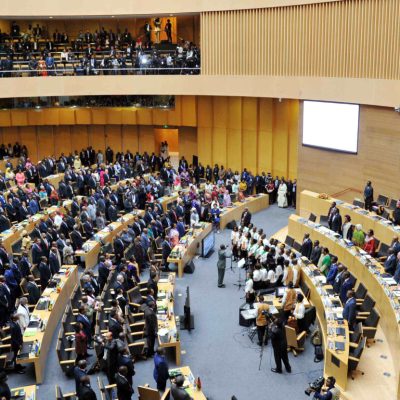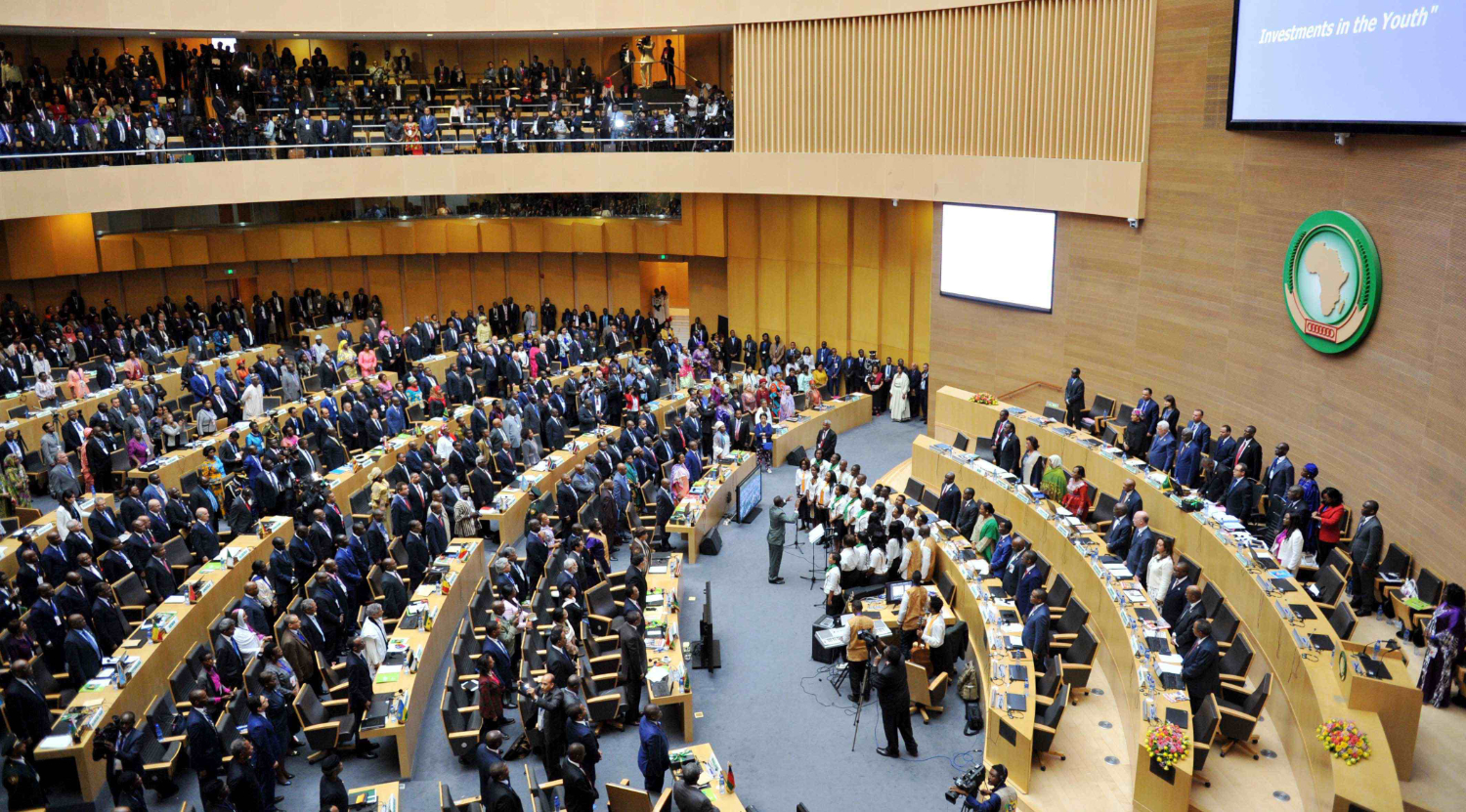
Before the global recognition of the Youth, Peace and Security (YPS) agenda through the United Nations (UN) Security Council Resolution (UNSCR) 2250, Africa had already begun laying the groundwork through the African Youth Charter. Article 17 of the Charter, which provides for Peace and Security, when read in conjunction with provisions such as Article 11 on youth participation, establishes a clear normative foundation for integrating young people into peace and decision-making processes. Yet, despite its progressive content, the limited implementation of the Charter by the African Union (AU) and its member states relegated it to the margins of global peace and security practice.
This article contends that while YPS frameworks have generated momentum for the adoption of the YPS agenda, progress in implementation remains slow, resulting in limited impact. The adoption of the Continental Framework for Youth, Peace and Security (CFYPS), along with its ten-year implementation plan, offered an opportunity to address the implementation gaps of the Charter and fulfil Africa’s long-overdue commitments to YPS. Inspired by UNSCR 2250, the framework also incorporates elements of the African Peace and Security Architecture, thereby placing the YPS agenda within key continental policy frameworks.
The analysis that follows examines whether the CFYPS has substantially addressed the needs of Africa’s young peacebuilders. This approach allows for a critical evaluation of both the framework’s promises and its practical impact in translating policy into lived realities. The article will assess the extent to which the CFYPS has fulfilled its promises and will evaluate its contributions to peacebuilding and youth empowerment. In doing so, it aims to determine not only the framework’s policy relevance but also its practical impact on the lives of young Africans. Before the implementation of these frameworks, various studies existed that illustrated that the needs of young people did not always align with policy assumptions.1
The 2020 AU-commissioned study on the roles and contributions of youth in peacebuilding highlighted a critical gap in YPS policy: while existing continental frameworks provided a strong normative basis at the time, their utility was limited by a lack of awareness and uptake among young people themselves. The study therefore recommended that member states should actively adopt continental normative frameworks and decisions on youth, and use them as benchmarks to measure progress on youth issues, especially on peace and security.2 The study revealed that only a small number of youth groups were familiar with and able to take advantage of key normative frameworks at the regional, continental, and global levels on YPS. In view of this, they were constrained by their inability to engage with key intergovernmental institutions fully, such as the UN, AU, and regional economic communities (RECs), whose mandates involve peace and security.3
Other studies echo similar concerns, such as the need to introduce and familiarise the YPS agenda to all young people, prioritise capacity building and empowerment of young people, and strengthen collaboration among the AU, UN, RECs/regional mechanisms (RMs), civil society, and youth-led organisations.4 The examples above offer limited insights into the general challenges faced by young people, some of which the CFYPS was later designed to address. Additionally, the recommendations aim to provide clear policy direction and focus for the CFYPS post-development, ensuring it has a meaningful impact on young people across Africa.
The promise
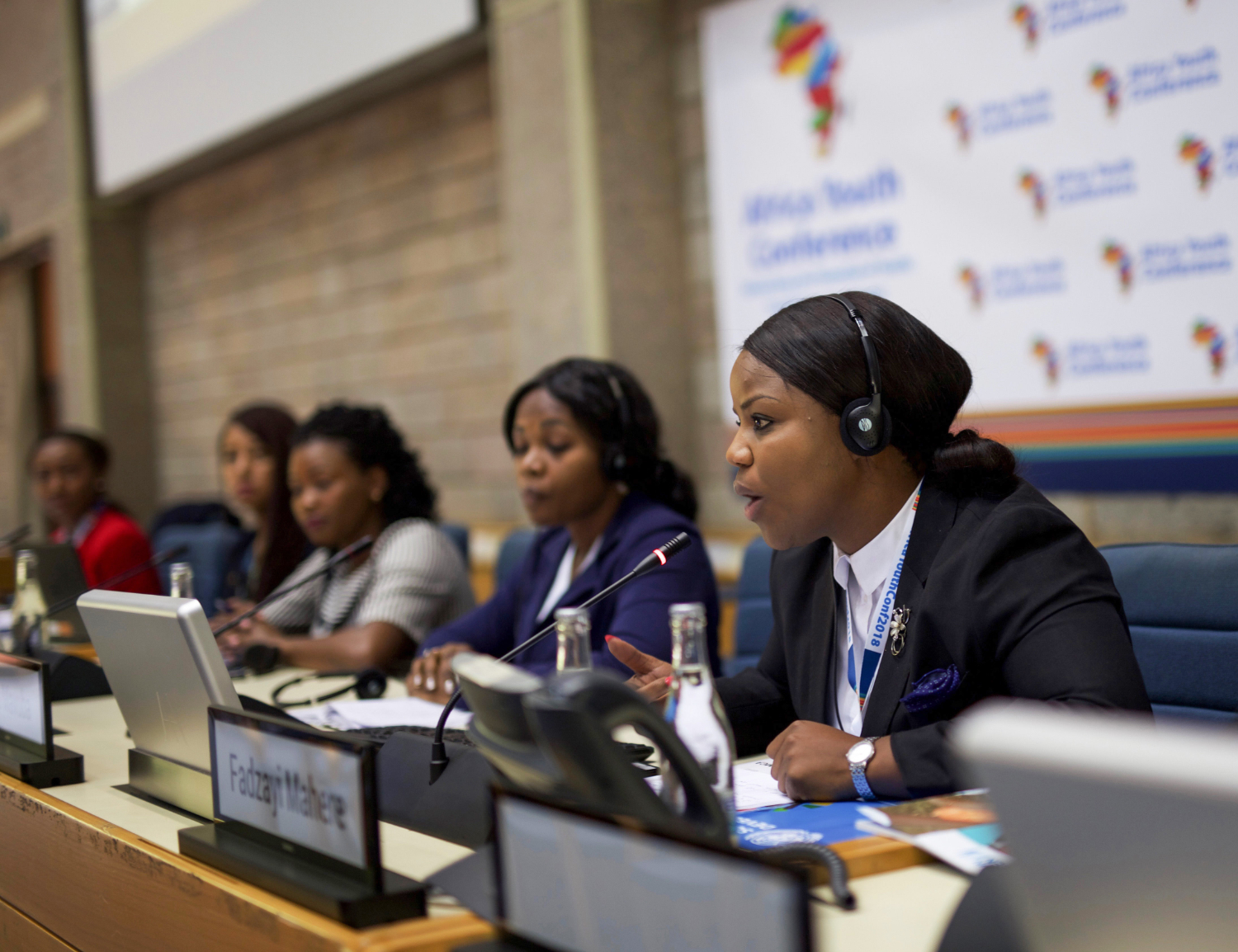
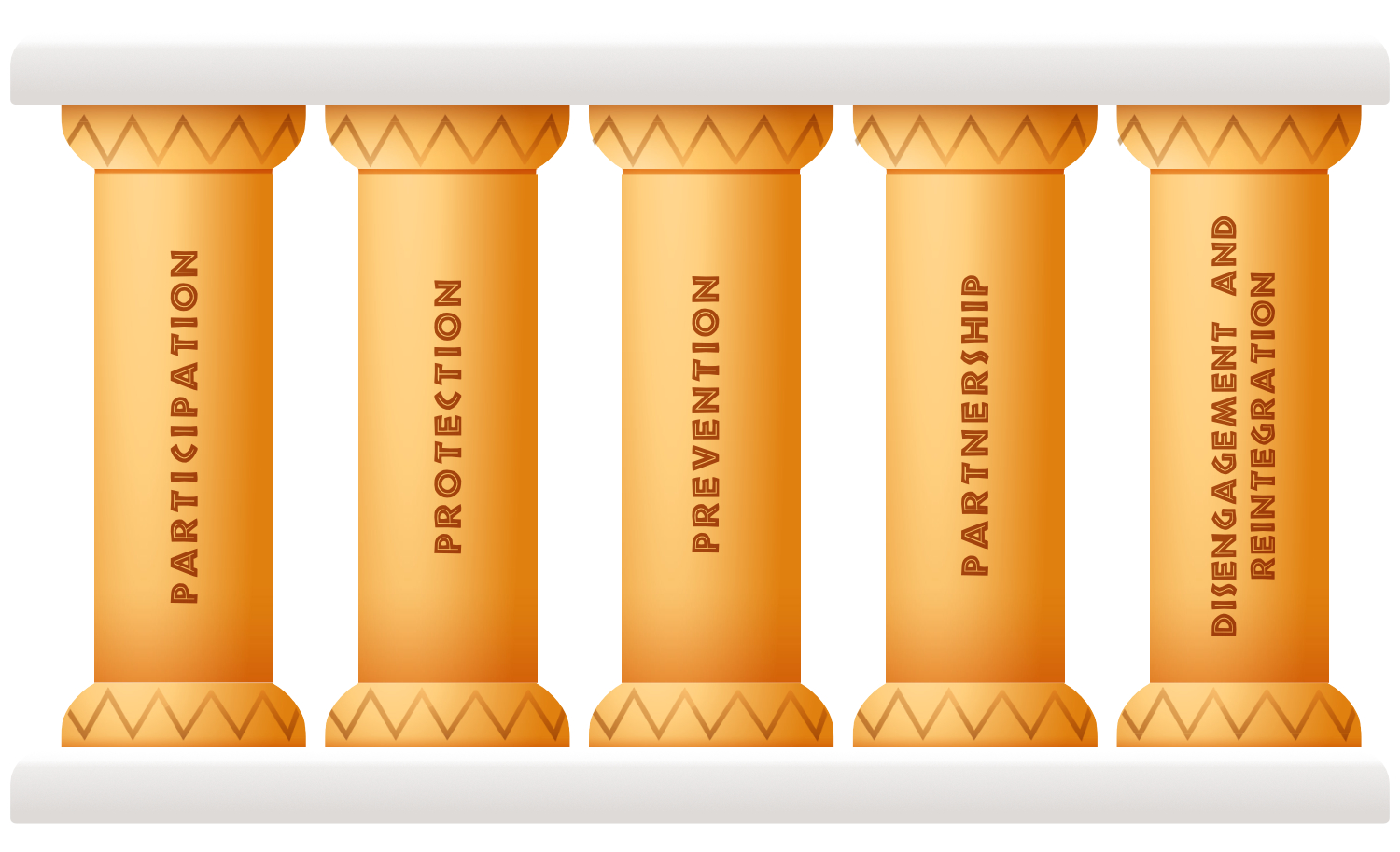
The CFYPS makes several ambitious promises aimed at facilitating the meaningful engagement and participation of African youth in all aspects of peace. It contextualises the five YPS pillars – participation, protection, prevention, partnerships and coordination, and disengagement and reintegration – into Africa-specific priorities, while establishing guiding principles and criteria for mainstreaming youth into peace and security programming.5 To operationalise these commitments, the accompanying ten-year implementation plan (2020–2029) sets out 23 key activities to be undertaken by the AU, RECs/RMs, and other stakeholders. Among the most notable are advocacy for the development and implementation of National Action Plans (NAPs) on YPS, systematic capacity building across the five pillars, and the popularisation and advocacy of the CFYPS to ensure youth ownership and visibility. Equally important is the promise to encourage and enable member states to align national policies with continental commitments, alongside strengthened partnerships among governments, regional bodies, civil society, and youth-led organisations.6 These promises represent not only a roadmap for youth inclusion in peace and security but also a set of benchmarks against which the framework’s success must be measured. The ten-year implementation plan also promises the development of knowledge products that will facilitate implementation of this agenda, such as standard operating procedures, continental protocols for the protection of young peacebuilders, and continental toolkits and guidelines for peace education.7 In general, the framework operationalises the AU’s commitment to invest in youth by providing a youth lens to the various AU frameworks.

Making good on the promise
Since the AU has not yet conducted a mid-term review of the CFYPS implementation, as it should have, research data to assess its impact remains limited. This analysis leverages experiential evidence and practice-based insights from my role as African Youth Ambassador for Peace (AYAP) and frontline advocate of the YPS agenda in Africa. The successes and good practices outlined here can be attributed to the CFYPS and, by extension, to the broader peace and security frameworks of the AU.
The CFYPS provides capacity building across its five priorities and regional exchanges. The capacity building is intended to target youth, including men, women, displaced persons and youth with disabilities. It is expected to cover issues such as programme design, international law, early warning, conflict prevention, mediation and leadership. Capacity building within the CFYPS matrix involves intergenerational dialogues, experience sharing, mentorship and exchange programmes, peer learning, and tailor-made training.8 Notably, capacity building is a key feature of the work plans of all the AYAPs from the third cohort, and they have conducted various activities within their regions as a way of implementing the CFYPS.
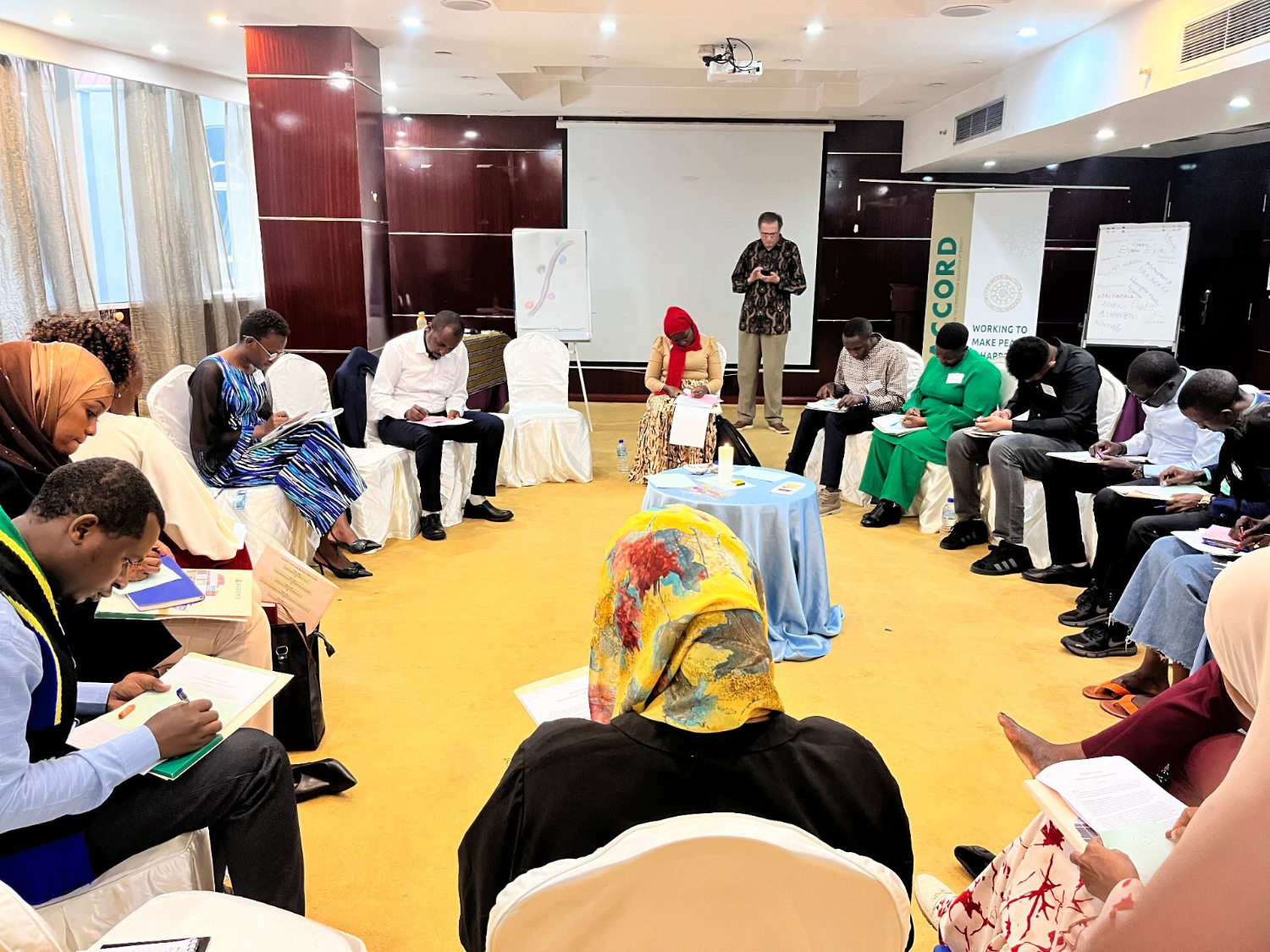
In East Africa, the AYAP convened two regional capacity-building workshops. The first was a virtual experience sharing exercise held in March 2025, and it involved sharing best practices and lessons learned from countries such as Ethiopia, Kenya, Somalia, South Sudan and Uganda on the strides made towards their NAP development process. In July 2025, the AU, through the AYAP-East Africa, in partnership with ACCORD, conducted a three-day training workshop on peacebuilding and conflict prevention targeting youth from East Africa.
In West Africa, the AYAP collaborated on a roundtable dialogue held in July 2024 aimed at enhancing the capacities of youth peacebuilders who are central to efforts to develop NAPs in their member states. This roundtable was supported by the Konrad-Adenauer Stiftung (KAS) AU Country Office Ethiopia/AU Liaison, in collaboration with local organisations and stakeholders.
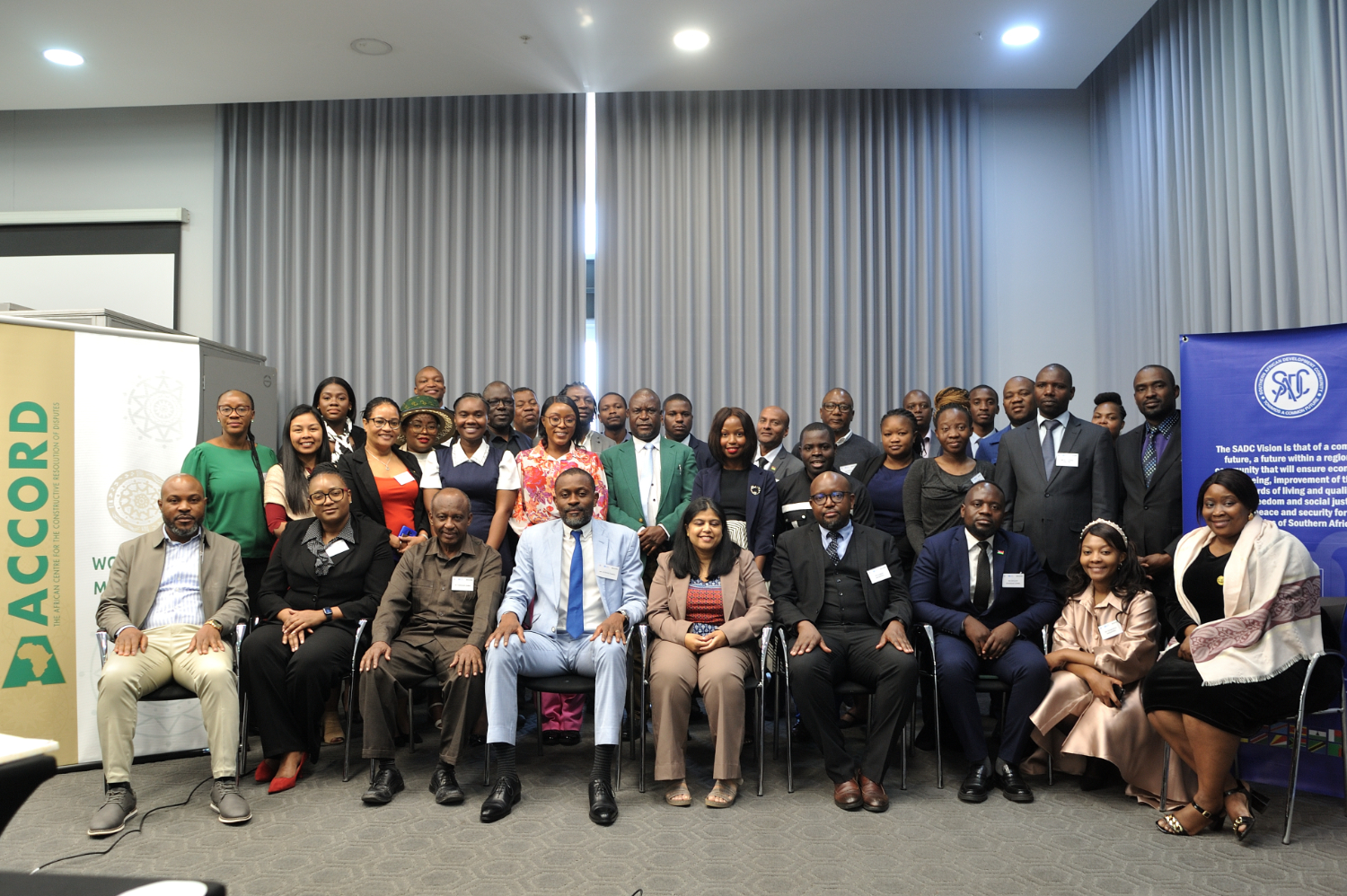
In March 2025, the AYAP-Southern Africa, KAS Liaison Office to the AU, Common Market for Eastern and Southern Africa (COMESA), Southern Africa Development Community (SADC), and Women Lead Africa organised capacity-building training on the development and implementation of NAPs.9 This training uniquely targeted over 30 young people from all 10 Southern African countries, with National Youth Council and civil society representatives from each country present.
The framework has also created an enabling environment and provided a roadmap for civil society organisations (CSOs), such as ACCORD, and RECs, to conduct dialogues with young people in different regions. The AU and COMESA have also conducted inter-ministerial meetings that created platforms to sensitise governments and RECs to the importance of the YPS agenda and ensure its integration into national and regional policies and strategies.10 Between 2022 and 2023, the AU, COMESA, Horn of Africa Youth Network, and Save the Children jointly held four inter-ministerial conferences in four regions, including the Horn of Africa, Southern Africa, East Africa, and North Africa.11
Since April 2022, through the Youth for Peace Africa Programme, the AU has annually co-hosted the Continental Dialogue on Youth, Peace and Security, which takes place in Bujumbura, Burundi. The Continental Dialogue is aligned with the CFYPS and its ten-year implementation plan. Members of the WiseYouth Network, AYAPs, and youth representatives from all regions of Africa were an integral part of the third edition of the Continental Dialogue co-convened by H. E. Evariste Ndayishimiye, AU Champion on Youth, Peace and Security and the AU, which took place in December 2024. Even though this convening provides a platform for continental dialogue, it still joins a long list of AU meetings that are deemed by critics to be merely procedural and routine, with minimal impact to be tracked.
Coordinated and joint YPS activities among the AU, RECs and other stakeholders
The capacity-building activities carried out in East, West, and Southern Africa demonstrate how the CFYPS, as a common agenda for peace across the continent, has created a platform for partnership among the AU, RECs, and CSOs. This, in turn, maximises the fundamental principle of complementarity between the AU and RECs. These coordinated efforts address issues caused by fragmented and uncoordinated initiatives that have historically hindered youth peacebuilding efforts in Africa. Some RECs are also undertaking regional activities that align with the CFYPS. For example, SADC has developed a draft regional strategy on YPS that is aligned with UNSCR 2250 and the AU’s CFYPS.12 These partnerships have revealed that by harmonising efforts and leveraging each other’s strengths, such as shared budgeting for joint initiatives, the impact of continental frameworks can be significantly accelerated.
Youth inclusion and participation
Since coming into effect, the CFYPS has amplified the engagement of youth, promoted coordinated engagements among youth at the regional level, and facilitated interactions with the AU. The Youth For Peace Africa Programme currently has two youth initiatives under it that champion various aspects of the YPS agenda, including five AYAPs representing the five AU regions, currently in its third cohort. There is also the recently constituted WiseYouth Network, which was established to promote the role of the youth in preventive diplomacy, mediation, and dialogue across the continent. Both initiatives have hosted regional consultations to garner perspectives on African YPS matters. Between July and August 2024, the Youth Ambassadors conducted five regional and one continental consultation with young people on the New Agenda for Peace and over 200 young people were engaged.13 These consultations have culminated in a synthesis report articulating the issues and recommendations of young people across the region.14 The WiseYouth Network hosted the first African Youth Consultation on Mediation and Preventive Diplomacy in September 2025, which is expected to shape the Youth Declaration on Mediation and Preventive Diplomacy as a collective advocacy and policy instrument.

The AU has also created enabling mechanisms for young people to participate in election observation missions, in accordance with the African Charter on Democracy, Elections and Governance. In 2024, youth representatives, including the AYAPs, were included as short-term election observers in the 13 election observation missions deployed by the AU.15
Every year since 2023, the AYAPs have had an opportunity to brief the AU Peace and Security Council (PSC) on their progress and efforts in championing the YPS agenda and implementing the CFYPS during the PSC Open Session on Youth, Peace and Security. The last session was held on 1 November 2024, where the third Cohort of AYAPs briefed the PSC during the 1243rd session, focusing on YPS in Africa as part of its annual thematic session.16
The Continental Framework ten-year implementation plan makes provision for youth participation in decision-making processes such as AU, RECs/RMs summits and National Security Councils. The youth ambassadors have been given access to platforms, such as attending the AU summit, the 15th high-level retreat on the Promotion of Peace, Security and Stability in Africa and being on the sidelines of the annual consultative meeting between the AU PSC and the UNSC, during which the AYAPs shared the report of the five regional consultations and the continental consultation they undertook on the New Agenda for Peace and Youth in Africa.
The successes stated above show that continental frameworks, if implemented accordingly, can create meaningful results. Successful implementation can also demonstrate that leaders are willing to move beyond the often-criticised culture of rhetoric without delivery.
The pitfalls
- Political will continues to be identified by many as a significant obstacle to implementing the YPS agenda.17 Even though the CFYPS asserts that AYAPs and other youth representatives should gain political support from member states, there appears to be no clear strategy to secure this support. The assumption is that improving the technical capacities of young people will enhance the implementation of the YPS agenda, but experience has shown that, in some instances, implementing the agenda is proving to be more political than technical. Delivering tangible results on youth inclusion and implementation of policies shows that leaders are accountable for the commitments they endorse, and this can significantly enhance their credibility and legitimacy.
- The CFYPS makes commitments to periodic reporting to monitor the implementation of the framework. It makes provision for three levels of reporting: annual reports to the PSC, a mid-term review during the fifth-year anniversary (2024), and a progress report to be submitted on the tenth anniversary of the adoption of the framework (2029).18 There is no indication of whether annual reporting has been taking place since the framework came into effect, and whether that level of reporting was intended to be a matter of public record or an internal process. The framework is in its sixth year of implementation, and youth stakeholders wait with cautious optimism. However, given the precedent around AU bureaucracy, for young people, the wait is not quite a hopeful one.
- Even without reporting, some indicators have not been met. According to the ten-year implementation plan, 25% of member states should have developed youth-led and centred NAPs on YPS by 2024, and 20% should be implementing their NAPs. This means that around 14 countries should have developed their NAPs, and 11 of those should be implementing them. NAP uptake has been slow in the region, with only eight countries having developed their NAPs as of September 2025. Therefore, these are among the targets that have not been met. One of the barriers that has been identified by African youth is the absence of guidance on the NAP development process, calling for the adoption of NAP development guidelines and integrating them into capacity-building resources. The Youth for Peace Africa Programme has been in the process of drafting guidelines for the development and implementation of NAPs on YPS that would assist member states in accelerating their efforts to develop the NAPs.19 The draft guidelines have undergone review and validation by youth experts and await adoption by the PSC.
- There appears to be uneven implementation of the five priorities, with more focus being placed on the participation and prevention pillars, while the protection, disengagement and reintegration priorities tend to be overlooked.20
Failure to deliver on the CFYPS will not only erode youth confidence in the AU and RECs, but it will also send a clear message about governments’ ability to meet their own stated goals and promises to young people. If youth remain sidelined, leaders risk preserving a practice where frameworks exist in form but fail in substance, making the aspiration of an inclusive peace and security architecture increasingly elusive.
Recommendations
To ensure that the CFYPS delivers on its intended objectives over the next four years, the following actions are proposed:
- The AU must keep to its own promises of systematic reporting and mid-term and terminal reviews.
- AYAPs should be equipped and supported to document their field experiences. These narratives and insights can serve as valuable empirical data sources that inform future policy design.
- The AU and RECs should invest in real-time reporting of CFYPS implementation across member states using tools such as digital dashboards. Such tools can facilitate easier tracking of the implementation progress.
- The AU, RECs and governments must channel advocacy and resources towards the development, financing, and domestication of YPS NAPs. Without context-specific NAPs, the framework risks remaining aspirational rather than operational.
- The AU needs to bolster the legitimacy and influence of the CFYPS in Africa by amplifying the visibility and strategic positioning of the CFYPS, placing it on par with its global counterparts that have gained traction over the years. This requires deliberate communication strategies, political buy-in, and showcasing success stories that highlight the added value of African-led frameworks.
- Diverging policy directions between different continental frameworks providing for peace and security must be bridged through policy harmonisation to ensure that young people engage within a unified agenda.
Conclusion
In conclusion, while continental frameworks such as the CFYPS have been instrumental in generating momentum for advancing the YPS agenda in Africa, their overall impact remains limited. The absence of adequate and reliable data constrains meaningful assessment, making progress appear minimal at best. Ultimately, the successes or failures of implementing continental frameworks will allow our leaders to forge their path in the next five years. Will they cement the disillusionment of young people in their leaders and guarantee the death of institutional credibility, or will they revive and reinforce trust among young people who have long been sceptical of rhetoric without delivery?
Mpule Kgetsi is the AU AYAP for the Southern African region. She is also the Founder and Executive Director of Women Lead Africa, a youth- and women-led non-government organisation (NGO) that promotes leadership and skills development. She is invested in advocating for the mainstreaming of youth into national and regional peace infrastructures.
Endnotes
1 AU (2020) ‘A Study on the Roles and Contributions of Youth to Peace and Security in Africa’, Independent Expert Report.
2 Ibid.
3 Ibid.
4 Kwesi, M. & Lawal, R. (2021) ‘Complementarity of the United Nations Security Council Resolution (UNSCR) 2250 and the African Union Continental Framework on Youth, Peace And Security’, Building Blocks For Peace Foundation.
5 AU (2020) ‘Continental Framework for Youth, Peace and Security’, Addis Ababa: AU.
6 AU (2020) ‘10-Year Implementation Plan for the Continental Framework on Youth, Peace and Security’, Addis Ababa: AU.
7 Ibid.
8 Ibid.
9 Thatayamodimo, L. (2025) ‘Butale urges activists to promote peace and security’ Botswana Daily News, 5 March.
10 Etyang, O.; Masah, C.; Ouma, D.; and Almeida, F. (2023) ‘Initiatives and Efforts to Institutionalise the Youth Peace and Security Agenda’, ACCORD Policy and Practice Brief, Available at: https://www.accord.org.za/publication/initiatives-and-efforts-to-institutionalise-the-youth-peace-and-security-agenda [Date accessed: 26 September 2025].
11 Ibid.
12 AU (2020) ‘Continental Framework’, op. cit.
13 SADC (2024) ‘SADC convenes a regional consultation on the Youth, Peace and Security Agenda’, Available at: https://www.sadc.int/pt-pt/node/5576 [Date accessed: 21 September 2025].
14 AU (2025) ‘African Youth Perspectives on The New Agenda For Peace’, Available at: https://www.peaceau.org/en/article/report-african-youth-perspectives-on-the-new-agenda-for-peace-na4p [Date accessed: 28 September 2025].
15 AU (2025) ‘Report of the Chairperson of the African Union Commission to the Peace and Security Council on Elections in Africa for the Period of July-December 2024’, Addis Ababa: AU.
16 Amani Africa (2024) ‘Open Session on Youth, Peace and Security’, Available at: https://amaniafrica-et.org/open-session-on-youth-peace-and-security [Date accessed: 28 September 2025].
17 ISS (2024) ‘PSC Report: Few milestones for the African Union’s Youth agenda’, Available at : https://issafrica.org/pscreport/psc-insights/few-milestones-for-the-african-union-s-youth-agenda [Date accessed: 18 February 2026].
18 AU (2020) Continental Framework’, op. cit.
19 Amani Africa (2024) ‘Open Session’, op. cit.
20 Interpeace (2025) ‘10 Years of Youth, Peace and Security: A Preview Ahead of the Decade Review’, Available at: https://www.interpeace.org/10-yrs-of-yps-a-preview-ahead-of-the-decade-review [Date accessed: 28 September 2025].