Youth activism has long played a transformative role in Africa’s socio-political history, from anti-colonial struggles to democratic reform movements. It is through activism that the youth express feelings, impede and interfere in social, political, economic and environmental reforms in society for change to happen. These contemporary youth-led movements can shape national debates, yet they also grapple with complex social dynamics, including unemployment, inequality and political marginalisation. In South Africa, youth activism has been a defining force in the country’s history, evolving from a key pillar of the anti-apartheid struggle to a critical movement challenging post-apartheid failures in democracy, governance and socio-economic equity. Operation Dudula has emerged as a movement that seeks to address unemployment and perceived threats from foreign nationals through organised protests, often with a xenophobic tone.1 This paper situates Operation Dudula within the broader framework of pan-Africanism, a political and ideological philosophy that emphasises African unity, solidarity and collective self-reliance. By examining Operation Dudula’s ideology, strategies and impacts, this paper seeks to illuminate the intersection of youth activism, nationalism and xenophobia, and to explore avenues for constructive engagement that align with broader African ideals.
Pan-Africanism and youth ideology
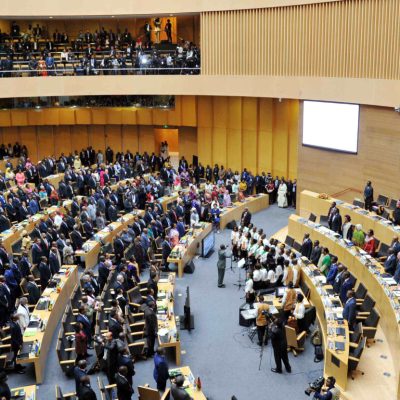
Pan-Africanism, a perception or idea that people of African descent share common interests and ideas, emerged in the late 19th and early 20th centuries as a response to colonialism, slavery and systemic oppression. Its core principles emerged from this shared history of slavery, colonialism and imperialism.2 The movement is founded on the idea that people of African heritage have a common identity and destiny, and must collaborate to achieve political, economic and social liberation. Although the ideology has taken various forms in fighting against exploitation, it has been a force for promoting unity and the empowerment of African people globally. In Africa particularly, it came with the creation of the Organisation of African Unity in 1963, later the African Union (AU) in 2002.3 Advocates of pan-Africanism emphasise the celebration of African culture and values, resistance to external dominance, and a commitment to uplifting the entire African world. Its core principles of solidarity, self-determination and collective development have informed numerous political movements across the continent.
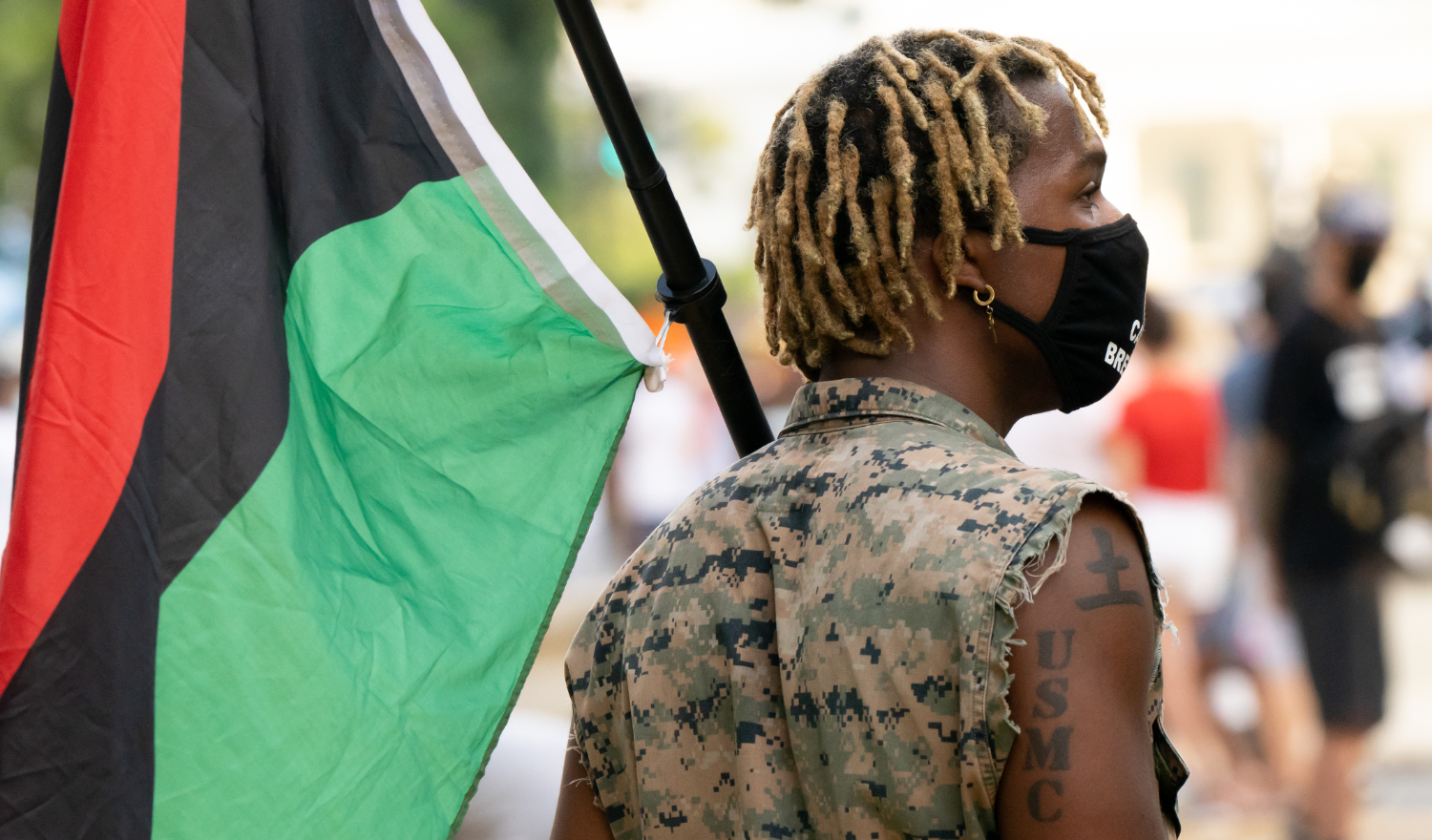
In South Africa, pan-Africanism has historically intersected with anti-apartheid activism, economic emancipation campaigns and post-apartheid nation-building efforts. The Pan-Africanist Congress (PAC), founded in 1959, broke away from the African National Congress (ANC) to advocate for a more purely Africanist vision, objecting to the ANC’s multi-racialism stance, and emphasising the liberation of indigenous African people from oppression. Rooted in the anti-colonial and anti-apartheid struggles, the ideology was embraced by early leaders who viewed South Africa’s freedom as inseparable from the liberation of the continent. Pan-Africanism has, therefore, shaped South Africa’s foreign policy ideals, particularly its post-1994 commitment to regional integration, the African Renaissance and the principles of the AU.4
Youth movements are often central to pan-Africanist activism. Historically, young people have provided the energy, creativity and organisational skills necessary to mobilise communities for social and political change. Yet, the practical expression of pan-Africanism within South Africa’s domestic sphere has often been fraught with contradiction. Whereas apartheid’s fall in 1994 was a triumph rooted in these ideals, the post-apartheid era has presented challenges, as exclusionary nationalist sentiments have re-emerged, contradicting the core principles of pan-African solidarity. Modern youth movements, including Operation Dudula, reveal tensions between pan-Africanist ideals and the realities of contemporary socio-economic grievances.5
Despite pan-Africanism’s emphasis on continental unity and cooperation, Operation Dudula’s activities have been criticised for promoting xenophobia, highlighting the ideological contradictions inherent in some forms of youth activism.6 While the nation positions itself as a champion of African unity, recurring outbreaks of xenophobic violence against fellow Africans expose a disjuncture between ideological aspiration and social reality. This tension raises critical questions about how pan-Africanism is understood and lived by South Africa’s post-apartheid generation, especially the youth, whose activism increasingly reflects both continental consciousness and local frustrations over inequality, unemployment and migration. Beyond political parties, the broader pan-African imagination has manifested in cultural production, intellectual thought and resistance movements that connect South Africa’s struggle with the wider decolonisation of the continent. This reality of recurring xenophobic violence highlights a tension between the aspirations of African unity and the persistent issues of nationalism, economic inequality and political failures within the country.
Operation Dudula: origins and ideology
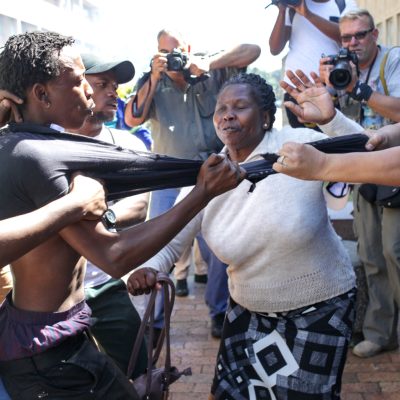
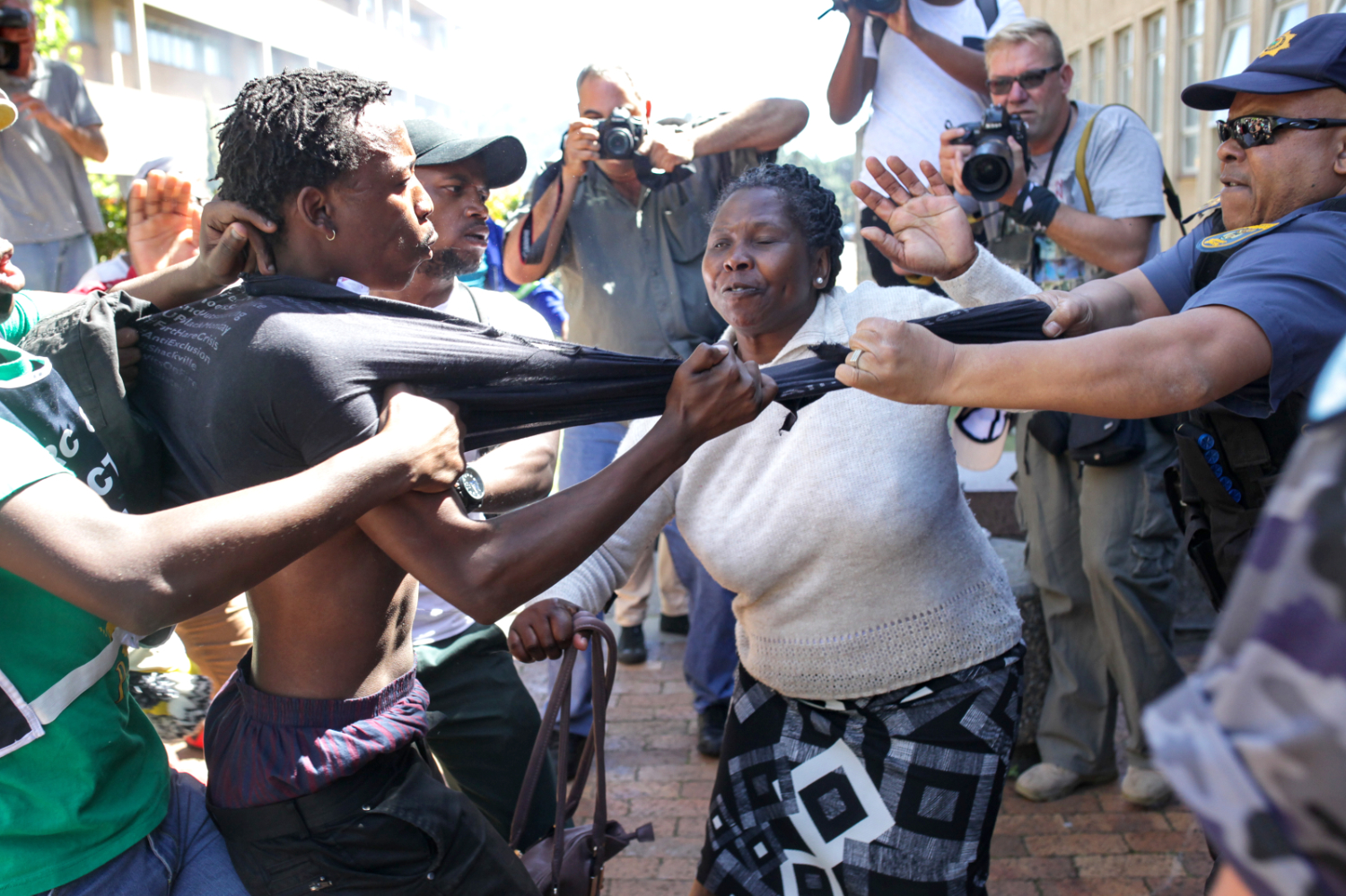
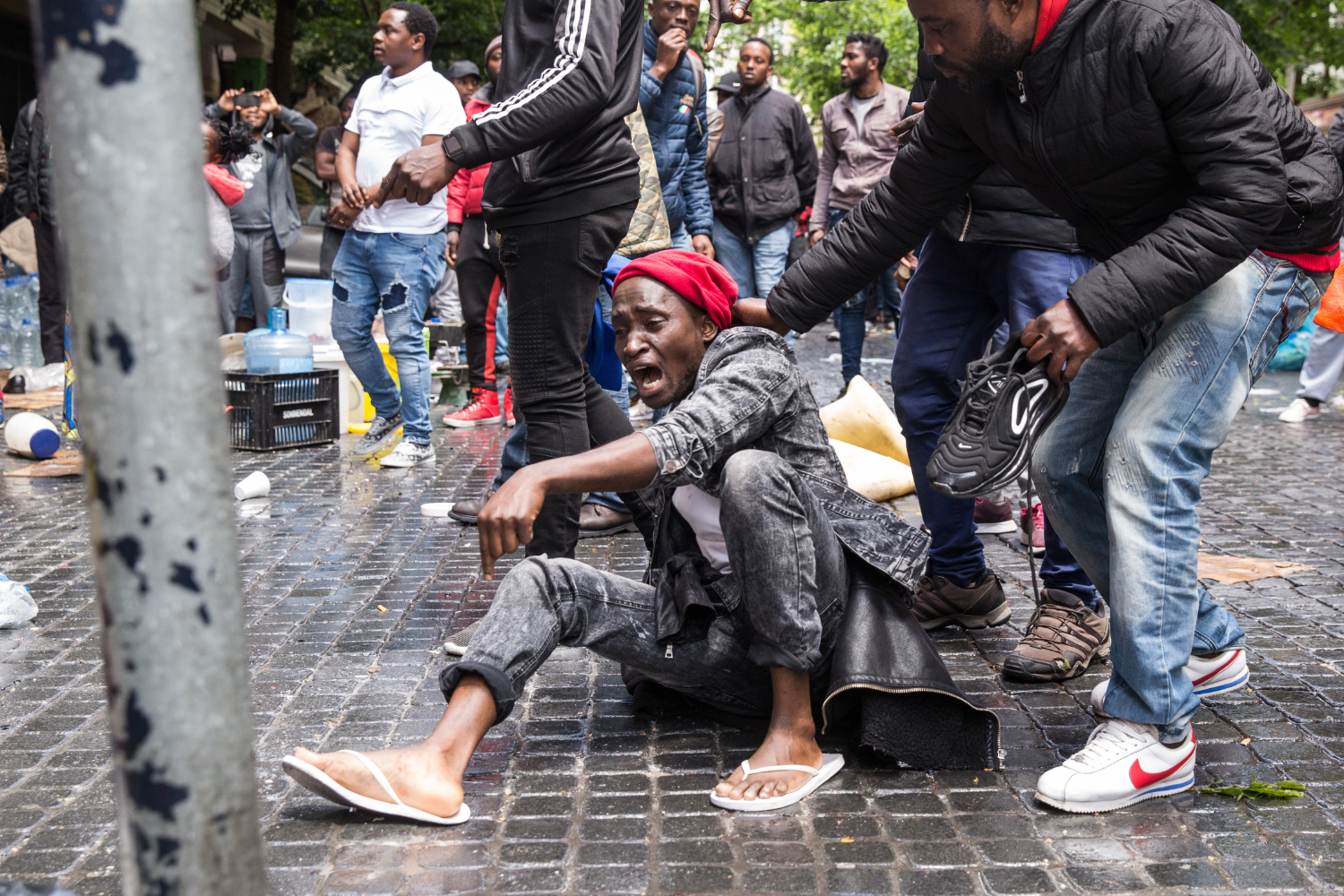
Operation Dudula emerged in response to South Africa’s high unemployment rate, rising crime and perceived preferential treatment of foreign nationals in the labour market. Its name, derived from the isiZulu word dudula (meaning ‘to push out’), reflects the movement’s core objective: to expel undocumented immigrants and reclaim economic opportunities for South African citizens.7 The movement mobilises youth primarily through grassroots organising, social media campaigns and street protests. Participants are often motivated by frustrations over unemployment, housing insecurity and limited access to public services. Operation Dudula employs a combination of moral rhetoric and nationalist sentiment, framing foreign nationals as a threat to local communities and livelihoods. While this resonates with some youth, it also perpetuates xenophobic attitudes and risks social fragmentation.8
The ideological foundation of Operation Dudula is rooted in a populist and nationalist discourse that frames foreign African migrants as a source of South Africa’s socio-economic challenges. The presence of immigrants is often interpreted as competition for limited resources, which consequently aggravates feelings of resentment and insecurity among South Africans towards foreign citizens. Emerging from community-driven frustrations over unemployment, crime and service delivery failures, the Operation Dudula movement channels local discontent into a form of vigilantism cloaked in the language of ‘putting South Africans first’. While it claims to advocate for economic justice and social order, its rhetoric contradicts the inclusive ideals of pan-Africanism by promoting exclusionary nationalism and targeting vulnerable migrant communities.9 Ideologically, Operation Dudula reflects a fusion of grassroots activism, frustrations with state inefficiency and a contested redefinition of belonging and citizenship in post-apartheid South Africa. On one hand, it reflects the agency of young South Africans asserting their socio-economic rights, while on the other, its tactics diverge sharply from pan-Africanist principles, which advocate solidarity across African borders and collective development rather than exclusion. This ideological tension raises important questions about the nature of youth activism in contexts of socio-economic stress and political disillusionment.
Youth activism in the era of xenophobia
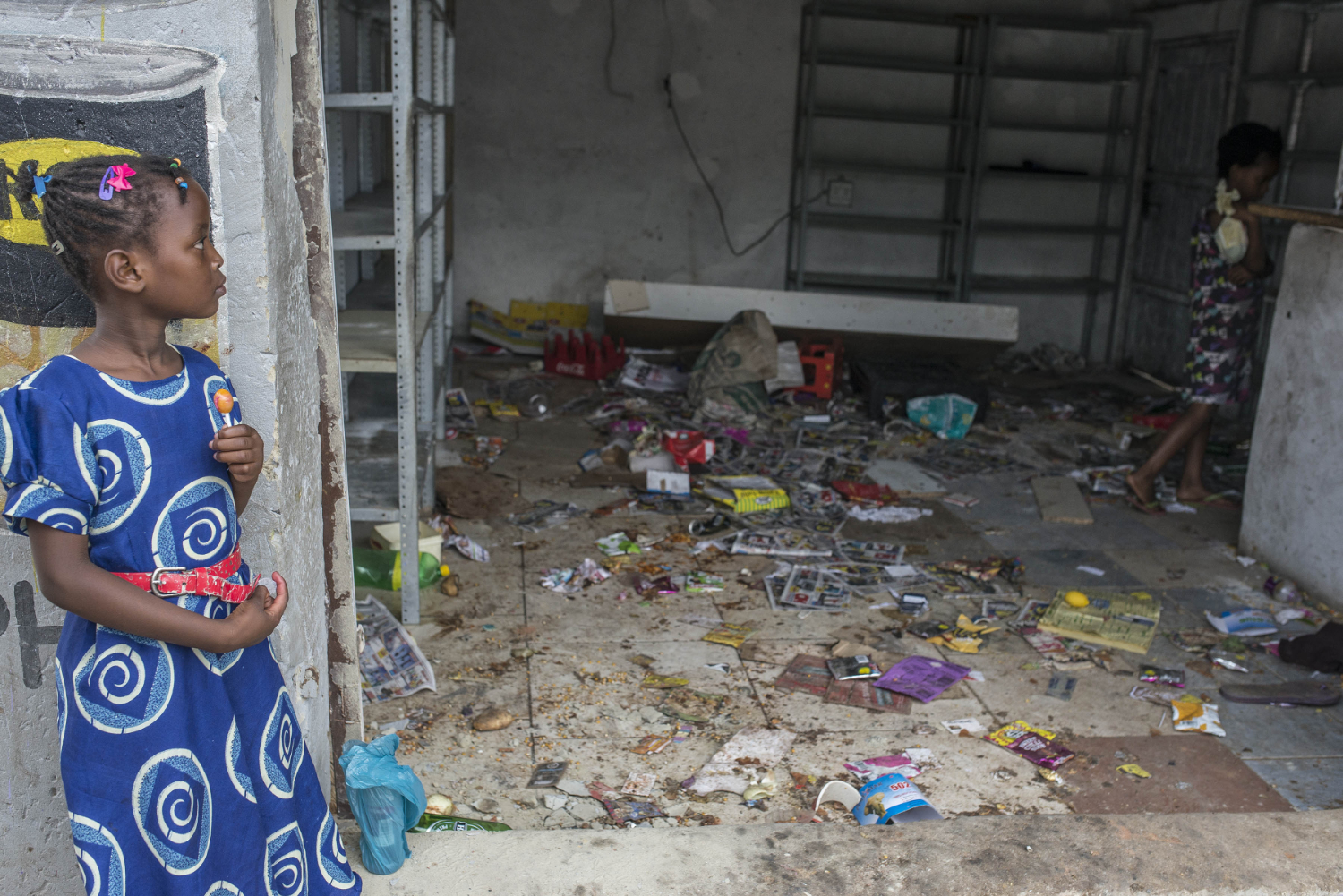
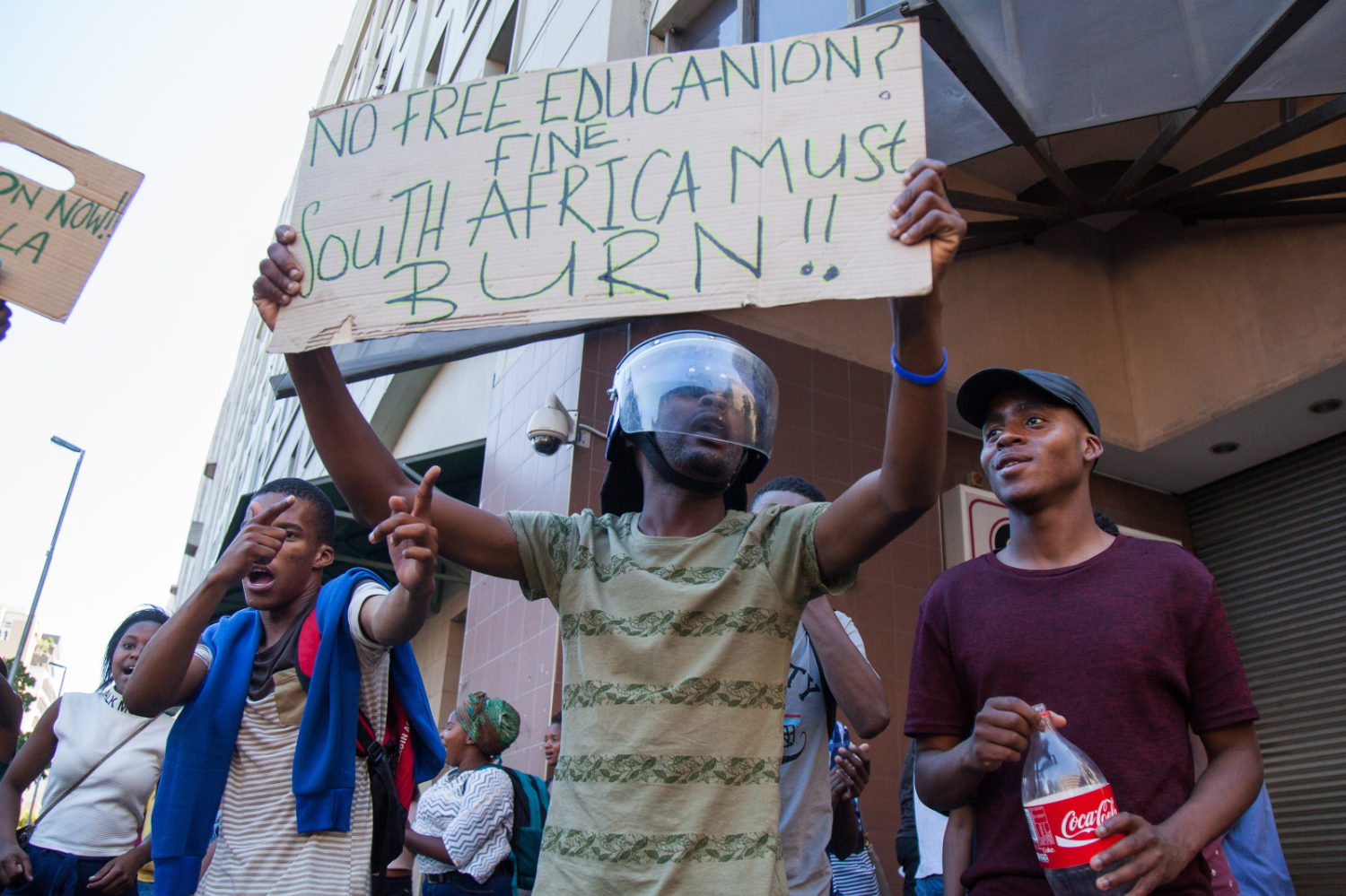
In South Africa, youth have often shown resilience, innovation and deep commitment to social justice, traits that fuel a robust activism landscape. This youth activism, on the other hand, reveals contradictions of a generation grappling with a precarious economic situation, political disillusionment and questions of belonging. As unemployment and inequality deepen, many young South Africans channel their frustrations through activism that simultaneously seeks justice yet risks reproducing exclusionary narratives. Movements such as #FeesMustFall and community-based campaigns for social accountability have demonstrated youth commitment to transformation, but the rise of anti-immigrant sentiment, exemplified by groups like Operation Dudula, reveals a shift toward protectionist and nationalist activism.10 This trend shows how structural frustrations can distort progressive ideals, turning solidarity into suspicion. Within this context, youth activism becomes a contested terrain. While some young leaders invoke pan-African ideals of unity and liberation, others mobilise around exclusionary discourses that challenge the very foundations of post-apartheid democratic and pan-African identity. Youth activism in Africa is often shaped by structural factors, such as unemployment, limited access to political power and social marginalisation. Operation Dudula demonstrates both the strengths and limitations of youth-led protests in this context, as critiqued below.
Strengths
- Mobilisation capacity: Operation Dudula’s strength lies in its remarkable grassroots mobilisation capacity, which has enabled it to transform localised frustrations into a visible national movement. Drawing primarily on the frustrations of unemployed and marginalised youth, the movement effectively harnesses social media platforms and community networks to organise protests, patrols and public campaigns with limited formal structures or resources.11 Its populist rhetoric, framed around protecting jobs, enforcing immigration laws and restoring social order, resonates strongly with communities disillusioned by state inaction and economic exclusion.12 This ability to tap into shared grievances gives Operation Dudula a potent emotional and political appeal, allowing it to mobilise quickly and sustain public attention. However, this mobilisation strength also stems from a volatile mix of anger, fear and nationalism, which, while effective in rallying participation, risks entrenching division and normalising xenophobic sentiments within South Africa’s broader political discourse.
- Political visibility: Operation Dudula’s strength also lies in its political visibility, which has positioned it as a significant actor in South Africa’s socio-political discourse despite its informal structure. Through strategic use of media coverage, public demonstrations and emotive rhetoric, the movement has captured national attention and framed itself as the voice of ordinary South Africans neglected by political elites. Its leadership has skilfully leveraged public frustration over unemployment, crime and immigration to gain legitimacy and influence debates on national policy, particularly around migration control and job protection.13 Presenting itself initially as a grassroots movement and later a formal political party, Operation Dudula maintains a flexible, populist identity that resonates with communities seeking tangible solutions to daily struggles. However, this visibility also blurs the lines between civic activism and political opportunism, as the movement’s prominence pressures mainstream politicians to adopt more hard-line positions on migration – potentially undermining South Africa’s pan-African commitments and peacebuilding efforts.
- Community engagement: Operation Dudula’s strength in community engagement stems from its ability to connect directly with local frustrations and mobilise residents around shared socio-economic concerns. The party’s grassroots approach, anchored in neighbourhood meetings, street patrols and visible community actions, creates a sense of agency among citizens who feel neglected by formal political institutions. By positioning itself as a protector of local interests, particularly around issues of crime, unemployment and informal trade, Operation Dudula taps into existing networks of social solidarity and transforms them into channels of activism.14 Its leaders often use local languages and relatable narratives to frame their message, allowing it to resonate deeply within township and informal settlement contexts. This bottom-up engagement gives the movement credibility and sustained community participation. However, while this localised empowerment enhances civic involvement, it also risks normalising exclusionary attitudes when community engagement becomes defined by opposition to migrants rather than inclusive problem-solving.
Limitations and risks
- Promotion of xenophobia: Operation Dudula’s major weakness lies in its promotion of xenophobic attitudes and actions, which undermine social cohesion and contradict South Africa’s constitutional and pan-African values. Although the movement claims to advocate for the protection of local jobs and communities, its methods and rhetoric often target African migrants, blaming them for crime, unemployment and economic decline. This scapegoating fosters hostility and deepens divisions between South Africans and foreign nationals, leading to discrimination, violence and fear within vulnerable migrant communities.15 By framing complex structural issues such as inequality and governance failure as consequences of migration, Operation Dudula diverts attention from the state’s responsibility to address systemic problems. The normalisation of xenophobic discourse within its campaigns not only threatens peace and coexistence, but also damages South Africa’s moral leadership in Africa, eroding the pan-African ideals that once guided its liberation struggle and post-apartheid diplomacy.
- Legal and ethical challenges: Operation Dudula has legal and ethical challenges that undermine its credibility and long-term effectiveness. Legally, the movement often operates outside formal law enforcement frameworks, with members taking action that contravene South African law, such as threatening or physically confronting individuals, conducting unsanctioned raids and evicting foreign nationals. These practices expose members to potential prosecution and hinder cooperation with official authorities. Ethically, Operation Dudula’s strategies have been criticised for promoting xenophobia, harassment and social division, raising questions about respect for human rights, due process and community cohesion.16 The combination of operating in legal grey areas, while employing ethically questionable tactics, creates a tension between its stated goal of protecting local communities and the broader societal expectation of lawful and morally responsible activism.
- Limited structural change: Operation Dudula’s impact is also constrained by its weakness in driving limited structural change. While the movement is highly visible in confronting illegal immigration and mobilising community action, it largely focuses on short-term, reactive interventions rather than addressing the underlying socio-economic and systemic issues, such as unemployment, poverty and gaps in social services. This narrow focus means that the movement’s activities do not translate into sustainable policy reforms or long-term economic empowerment for local communities. Without engagement with government institutions, formal policy frameworks or development programmes, Operation Dudula risks perpetuating cycles of frustration and social tension, limiting its ability to produce lasting structural improvements or meaningful change in the communities it seeks to protect.
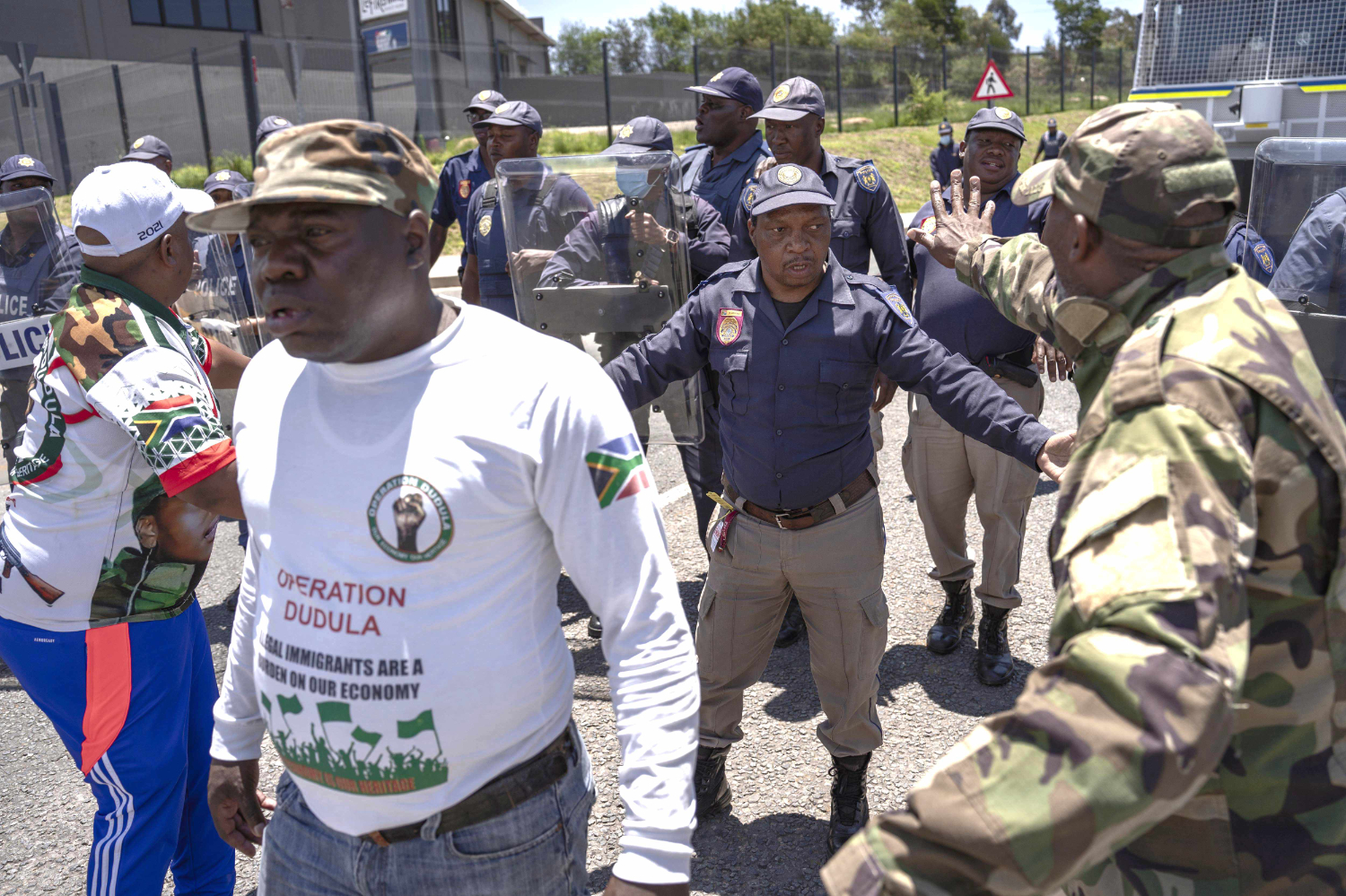
Youth activism in this era of xenophobia highlights the dual nature of protests: a vehicle for legitimate grievances but also a potential source of conflict. The challenge lies in harnessing youth energy for constructive social change without reinforcing harmful ideologies.
Political and social implications
Operation Dudula carries significant political and social implications in South Africa, shaping public discourse and influencing community dynamics. Politically, the movement challenges government policies on immigration and unemployment, positioning itself as a populist alternative that mobilises citizens around nationalist and protectionist agendas. Its activities have prompted debates on state accountability, law enforcement and the effectiveness of social welfare systems, sometimes pressuring political parties to respond or adopt stricter immigration measures.17 Socially, Operation Dudula impacts community cohesion by heightening xenophobic sentiments and fostering divisions between local citizens and foreign nationals, which can escalate tensions and violence in vulnerable areas. While the movement strengthens local networks and mobilises collective action, it also risks undermining social trust, human rights and multicultural integration, creating a complex landscape where activism intersects with exclusionary practices and political contestation.
From a conflict resolution perspective, Operation Dudula highlights the need for proactive engagement with youth, creating avenues for their participation in policy-making and socio-economic development initiatives. In light of the legal, ethical and social challenges posed by Operation Dudula, the following recommendations aim to promote peaceful coexistence, strengthen governance and address the underlying socio-economic factors driving the movement’s emergence and tensions.
- Promote inclusive dialogue: Establish structured community dialogues that bring together local citizens, migrants, civil society and government representatives to foster mutual understanding and address shared concerns around employment, safety and access to services.
- Strengthen government accountability: The state should enhance border management, improve transparency in immigration processes and address corruption to rebuild public trust and reduce the vacuum that movements like Operation Dudula exploit.
- Address root causes of conflict: Policies should prioritise job creation, skills development and equitable resource distribution to tackle the socio-economic conditions that fuel resentment and competition between locals and migrants.
- Enhance civic education: Implement awareness campaigns that promote social cohesion, non-violence and human rights to counter xenophobic narratives and encourage responsible forms of activism.
- Support community peace structures: Local peace committees and mediation platforms can be strengthened to manage tensions and prevent violent confrontations, ensuring that grievances are addressed through lawful and constructive channels.
- Encourage ethical activism: Civil society organisations should engage with movements like Operation Dudula to promote ethical, rights-based advocacy that channels community frustrations toward policy reform rather than confrontation.
Conclusion
Operation Dudula exemplifies the complexity of youth activism in Africa’s contemporary socio-political landscape. While it demonstrates the capacity of young people to mobilise and influence policy, it also reveals tensions between socio-economic grievances, nationalist rhetoric and pan-African ideals. Examining this movement through the lens of pan-Africanism highlights both the potential and the pitfalls of youth-led protests. Constructive engagement with youth, rooted in inclusive ideology and responsive governance, is essential to transform protests from sources of social tension into drivers of peace, cohesion and socio-economic development. This analysis underscores the need for policies and interventions that harness the energy and innovation of young people while mitigating the risks of xenophobia and social fragmentation. In doing so, youth activism can become a cornerstone of sustainable peace and development in Africa.
Melody Irene (Mbwadzawo) Siangombe is a researcher and Immigration Consultant with expertise in migration, governance, and social development. Her work focuses on promoting inclusive, evidence-based approaches to migration and community resilience in Southern Africa.
1 Nhemachena, A., Mawere, M. and Mtapuri, O. (2022) Chapter 4: Operation Dudula, xenophobic vigilantism and sovereignty in Twenty-First Century in South Africa in Nhemachena, A., Mawere, M. and Mtapuri, O. Sovereignty becoming Pulvereignty.
2 Wapmuk, S. (2021) Pan-africanism in the 21st century: African union and the challenges of cooperation and integration in Africa. In Brazilian Journal of International Relation, Vol. 10, Issue 2, pp. 283–311.
3 Kamga, S. D. (2019) A call for a ‘right to development’- informed pan-Africanism in the 21st Century. African Human Rights Law Journal, pp. 418–444.
4 Landberg, C. (2010) The diplomacy of transformation: South African foreign policy and statecraft. McMillan, Johannesburg.
5 Azevedo, M. (2025) Pan-Africanism deferred: A Case of Operation Dudula and Kopanang Africa against Xenophobia (KAAX) In The Palgrave Handbook of Pan-Africanism. Palgrave Macmillan.
6 Ochonu, M.O. (2021) Black South African intellectuals went from pan-Africanism to insular afrophobia. Online Africa_2021_03_03_black_south_african_intellectuals.pdf
7 Sikhosana, S. (2025) Populism and international breakdown. Analysing Operation Dudula within South Africa’s Governance landscape. International Journal of Research Publication and Reviews, Vol 6, Issue 7, pp. 5142–5148.
8 Uwah, C., Dlamini, G. and Cheteni, P. (2025) Theatre for social change: resolving xenophobic conflicts through theatre interventions in South Africa. Congent Social Sciences, Vol. 11, Issue 1, pp. 1–15.
9 Sikhosana, S. (2025) Populism and institutional breakdown: Analyzing Operation Dudula within South Africa’s governance landscape. InInternational Journal of Research Publication and Reviews, Vol 6, Issue 7, pp. 5142–5148.
10 Griffiths, D. (2019 ) #FeesMustFall and the decolonised university in South Africa: Tensions and opportunities in a globalising world. In International Journal of Educational Research, Vol. 94, Issue 1.
11 Mmotong, S., (2025) Analysing Operation Dudula within South Africa’s socio-political landscape. In International Journal of Research Publication and Reviews, Vol. 6, Issue 7, pp. 412–425.
12 Ouma, O. J., (2025) Youth, digital communication and national security in Kenya: the Gen-Z protests (2024–2025) in National Security: A Journal of National Defence University-Kenya, Vol. 3, Issue 2, pp. 132–148.
13 Brooks, H., Chikane, R. and Mottiar, S. (2023) Protest in South Africa: Rejection, reassertion, reclamation. MINSTRA, Johannesburg.
14 See Sikhosana.
15 Tarisayi, K. S. (2024) Framing operation Dudula and anti-immigrant sentiment in South African media discourse. Indonesian Journal of Education and Social Sciences, Vol. 3, Issue 1, pp. 34–43.
16 Nhemache, A., Mawere, M. and Mtapuri, O. (2022) chapter 3: Operation Dudula, Xenophobic Vigilantism and Sovereignty in Twenty-First Century South Africa. In Sovereignty Becoming Pulvereignty.
17 van der Westhuizen, C. (2023) From the leader or from the led? Populist xenophobia in South Africa. Comparativ: Journal for Global History and Comparative Social Research, Vol. 33, Issue 4, pp. 460–479.